Marble Coffee Tables
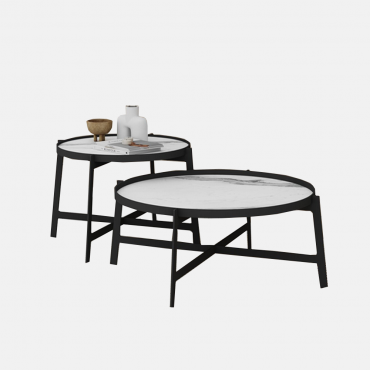
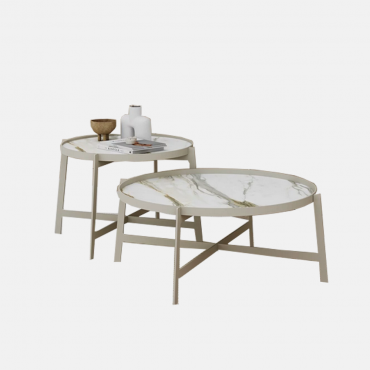
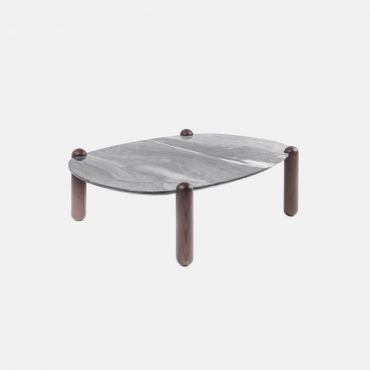
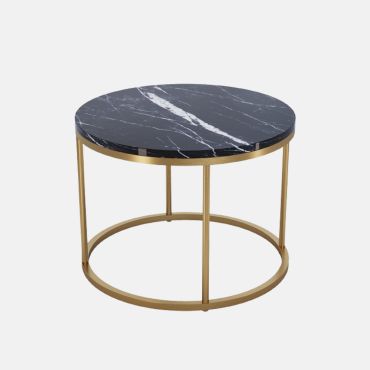
Marble Coffee Tables: Natural Beauty in Your Living Room
A marble coffee table is not just a piece of furniture—it's an investment that will bring joy for decades. Unlike mass-market alternatives made from plastic or laminate, marble coffee tables embody true elegance. Every stone is unique, with its own individual pattern of veining and tone. If you're looking for a central focal point for your living room that will catch guests' eyes and enhance comfort, this is the expert's choice.
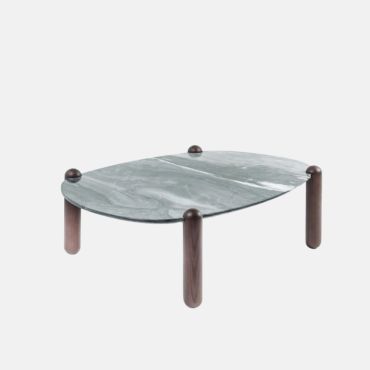
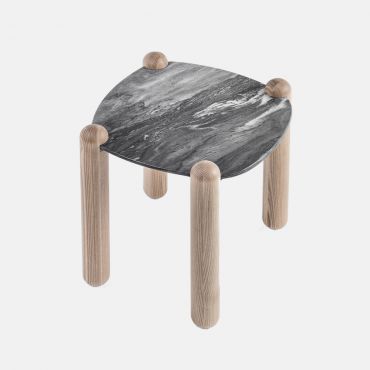
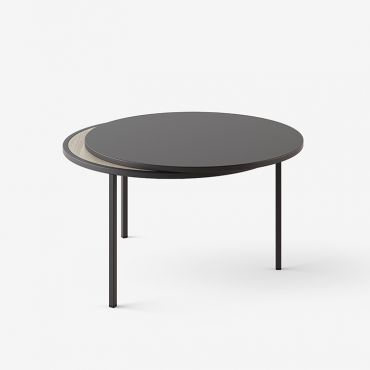
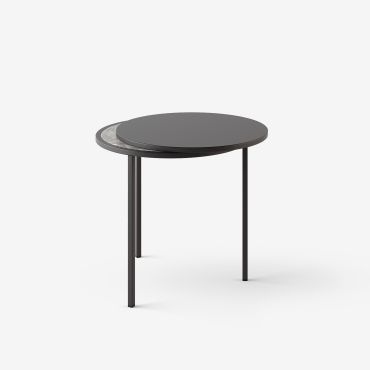
MAIIMO's catalog features 12 variants of natural marble coffee tables—from classic rectangular designs to modern asymmetrical forms. We understand that choosing such a significant piece requires knowledge. In this guide, we'll explain the materials, styles, care instructions, and common buyer mistakes so you can make an informed decision.
Natural Marble vs "Marble Effect": What's the Difference?
More than half of "marble" products on the market are not natural stone but imitations. The #1 search result features a store selling HPL coating disguised as marble. This is crucial to understand before buying.
What Is Natural Marble
Natural marble is a sedimentary rock composed primarily of calcite. Each marble slab is quarried, cut, and polished. The veining consists of natural cracks filled with minerals—no two slabs are identical. The stone is porous and requires protection from water and acids. But that's its beauty: no artificial material can replicate the organic complexity of natural marble's patterns.
Characteristics of natural marble:
- Warm to the touch (unlike laminate, which is cold)
- Substantial weight of genuine stone is noticeable
- White veining (in white marble) appears alive, with varying thickness
- Expressive surface—polished and matte finishes have different smoothness levels
- Water stains may appear but disappear after drying
What Is "Marble Effect" (HPL, Laminate)
HPL (high-pressure laminate) is a multilayered plastic with a marble-printed top layer. It's pure imitation. Advantages: inexpensive (from $30), easy to clean, water-resistant. Disadvantages: shows wear within a year, lacks depth, all sheets look identical.
Shops often call this "marble," but it's not.
Comparison Table: Natural vs Artificial
| Parameter | Natural Marble | Marble Effect (HPL) |
|---|---|---|
| Material | 100% stone | Plastic (laminate) |
| Uniqueness | Each slab is nature's masterpiece | All identical |
| Feel | Warm, smooth after polishing | Cold, slightly rough |
| Resistance | Afraid of acids (wine, citrus juice), moisture | Resistant to everything |
| Visual Depth | 3D veining, visible layers | Flat print |
| Longevity | 50+ years | 5–10 years |
| Color Selection | Limited by nature—white, black, green, pink, gray | Unlimited artificial variations |
| Price | €250–€800+ | €30–€150 |
For MAIIMO: we offer only natural marble—this is a difference worth noting. If you see a "marble table" advertised under €200, it's HPL, not stone.
Benefits of Natural Marble Coffee Tables
Natural Elegance and Unique Patterns
No person can recreate a marble pattern—it's divine embroidery created over millions of years deep within the earth. Each vein tells a geological story. In a living room, such a table becomes more than furniture—it becomes a conversation piece. Guests will always comment on it.
Typical marble patterns:
- White marble with black or gray veining (timeless classic)
- Beige with golden-brown veining (warm, comfortable)
- Black marble with white veining (contemporary, dramatic)
- Green marble (rare, luxurious)
- Pink marble (delicate, feminine)
Durability and Stability
Marble is a material that will outlast you. With proper care (see below), it will serve generations. Marble's surface resists mechanical scratches (stone is harder than paper, wood, plastic) but requires protection from chemical damage.
Marble doesn't oxidize, rot, or crumble. It's a legacy you can pass to your children.
Universal Appeal: From Classic to Japandi
Marble is a versatile material that fits any style. Classic interior—white marble as a symbol of affluence. Loft—black marble on metal legs. Japandi—marble with a delicate wooden frame. Modern minimalism—geometric marble forms.
Your choice of marble color depends on your style—more on that later.
Types of Marble Coffee Tables
By Shape
Table shape influences spatial perception and functionality:
- Rectangular—the classic, most popular choice. Easy to position before a sofa, ample surface area. Ideal for medium to large living rooms.
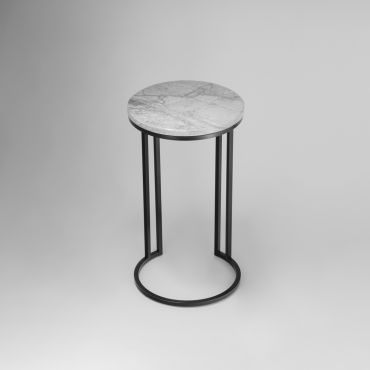
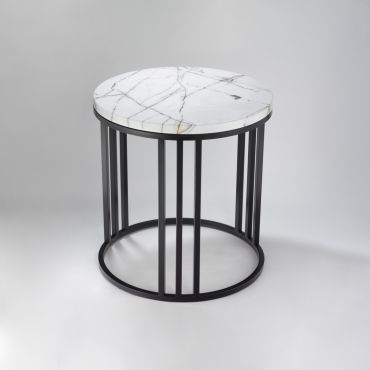
- Round—softens room corners, better for small spaces, creates a more intimate atmosphere. Perfect for placing cups and books around the circumference.
- Oval—rectangular softness with gentle curves. Universal and practical.
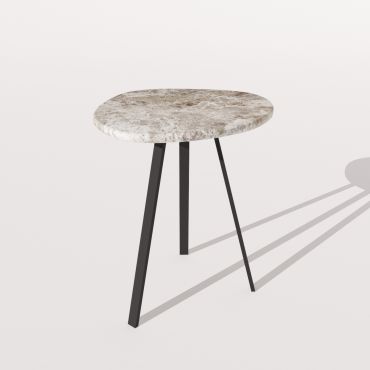
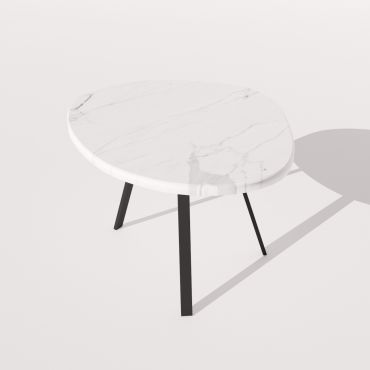
- Asymmetrical—modern trend for those with artistic taste. Often pricier but always eye-catching.
By Marble Color
Marble color is 80% of successful matching:
- White marble (Carrara, Calacatta)—most popular, classic. Light tone elevates a space. Paired with black metal legs—contemporary classic.
- Black marble—luxury, drama. For dark-walled living rooms or minimalist spaces. Requires light sources to avoid looking depressing.
- Gray marble—neutral, unfatiguing. Works in neutral interiors.
- Beige, sand, brown—warm tones, ideal for naturally lit rooms.
- Green, pink—rare, expensive, for cohesive design concepts.
When choosing color, consider:
- Wall colors (contrast or harmony?)
- Amount of natural light
- Primary sofa color
- Your personal taste
By Base Type
The base influences style and functionality:
- Metal legs (silver, gold, brass, black iron)—contemporary, elegant. Brass adds warmth, black iron adds drama.
- Wooden base—warm, organic appearance. Combines with wooden sofas or sideboards.
- Combination (metal + wood)—fashionable choice, combines both materials' benefits.
- Solid (marble throughout)—minimalist but expensive and difficult to move.
How to Choose a Marble Coffee Table
This is the most practical section. If you've decided on marble, selection involves four steps.
Step 1: Shape and Proportions
Measure your living room:
- Distance from sofa to opposite wall? The table will occupy the center. If less than 10 feet, a large rectangle will clutter; choose round or oval instead.
- Width (from one sofa arm to the other)? The table should be roughly one-third the sofa's width.
- Table height should align with sofa cushions ± 2 inches. Standard is 16–18 inches.
People often ask: "Will it fit?" In a small living room, a narrow oval table works better than a large rectangle.
Step 2: Color and Stone Pattern
As mentioned—this is 80% of success. Recommendations:
- Get a photo of your living room in daylight.
- Consider dominant colors: sofa, curtains, rug.
- Marble should complement, not compete. If your sofa is bold, marble should be neutral.
- Request a physical stone sample from the shop—screen images differ from reality.
Step 3: Base—Metal, Wood, or Combination
This depends on other elements:
- If your room has existing metal elements (fixtures, shelves), choose metal for the table base.
- If furniture is wooden, match with wood.
- For minimalist rooms, metal often looks cleaner.
Remember: marble is heavy, so the base must be sturdy and well-crafted.
Marble Coffee Tables in Different Interior Styles
Surprisingly, interior style influences not just details but the table's fundamental design. Here's how marble works in each style:
Classic and Neoclassical
White marble with subtle black veining, luxurious connections (brass, chrome details), often with ornate bases or edge engraving. The table becomes a centerpiece, the room's focal point. Height and proportions follow classical canons precisely.
Tip: look for Italian or Spanish marble tables with certified provenance.
Contemporary and Modern
Minimalism, clean lines, often darker marble (black, dark gray) with thin or invisible legs (cantilever design). Asymmetrical forms are common. Beauty lies in simplicity, not details.
Japandi and Scandinavian
Light beige or white marble, minimalist thin wooden legs (natural or light birch). Square or rectangular shapes without ornamentation. Simplicity and naturalness—the style's motto.
Note: Scandinavian design loves marble because it's a natural material created without plastic.
Loft and Industrial
Black marble, heavy metal legs (black iron, raw brass), often with visible welds. The table should appear somewhat rough, "industrial," yet feature an expensive material (contrast).
Mid-Century Modern
Beige or warm marble, geometric shape (usually rectangular), elegant metal legs (often tapered toward the base). Combines wood's warmth with metal's coolness.
Pairing Your Marble Table with Other Furniture
This proves marble is versatile but requires thoughtful coordination.
With Sofa and Armchairs
If your sofa is brightly colored (blue, hot orange), marble should be neutral (white, gray, beige). If your sofa is neutral (gray, beige), marble can be more expressive (black, green).
The table base should match visible chair or sofa leg materials.
With Wooden Furniture
Spanish marble (beige or brown) with a wooden table base creates harmony. Metal here would appear cold.
With Metal Decor and Lighting
If you have metal fixtures, shelving, or picture frames, the marble table base should match that metal (color and finish).
Care for Your Natural Marble Coffee Table
Marble is stone that requires attention. Sounds intimidating, but it's a simple set of rules.
Daily Care
After use:
- Brush crumbs away with soft, dry cloth (remove dust).
- Wipe with warm water and neutral soap (pH 7). NEVER use lemon juice, vinegar, or multipurpose cleaners.
- Dry thoroughly with soft cloth—leftover water appears as dark stains on matte marble.
These three steps maintain cleanliness without risk of damage.
Protection from Stains and Acids
Do:
- Wipe coffee, wine, and citrus juice immediately. Marble is porous; stains absorb quickly.
- Polish monthly with specialized marble wax. This renews the protective layer.
- In bathrooms, apply the same principles—marble is moisture-sensitive.
Never:
- Place hot cups, coffeepots, or tea kettles directly on marble. Temperature fluctuations cause microcracks.
- Stack heavy items (books, vases) without coasters.
- Set candles on the table unprotected.
Restoring Shine and Polishing
After 1–2 years of regular use, marble may lose luster or become hazy. This is normal.
To restore:
- Professional sanding and polishing (expensive but miraculous results)
- Home polishing: marble paste, soft sponge, circular motions for 10–15 minutes. Becomes smoother and brighter.
Prevention is easier than restoration, so maintain daily care.
What to Check Before Buying
Weight and Structural Stability
Marble is heavy—an 80×80 cm slab can weigh 110–175 lbs. Check:
- Is the base stable on the floor (no wobbling, no creaking)?
- Are legs firmly attached (no gaps in joints)?
- Will your floor support the weight (won't laminate sag)?
Request a damage inspection upon delivery. Marble is often shipped in wooden crates—wise precaution.
Quality of Stone Finishing
Inspect surface polish (should be bright, no dullness on polished areas), edge finishing (should be smooth, not sharp), veining (should be intact, no visible mechanical defects).
Cracked or chipped stone costs less but risks further breakage.
Material Source Transparency
Where is the marble quarried? Quality varies:
- Italian marble (Carrara, Calacatta)—most recognized, guaranteed quality, expensive.
- Spanish marble—good quality, cheaper than Italian, often in MAIIMO.
- Turkish marble—variable quality, inexpensive, risky.
- Chinese marble—cheap, often flawed, rarely used in premium pieces.
MAIIMO primarily works with Spanish marble—a strong quality guarantee.
Common Mistakes When Choosing a Marble Coffee Table
- Choosing by size instead of style. You spot a beautiful 5×3 foot table, buy it—then realize it's 80% of your living room. Measure BEFORE buying.
- Ignoring existing room materials. Black marble in a Scandinavian living room (all white walls, light sofas) will look alien. Harmonize with your context.
- Underestimating care requirements. People often think marble is too much work. Actually, it's like dishwashing—simple rules. Shame when beautiful material suffers from rough handling.
- Prioritizing price over quality. You can find cheaper marble, but it's either fake (HPL) or low-grade natural stone. Remember: natural marble is a decades-long investment, not an expense.
- Misjudging weight. People assume the table is easily moveable. 130 lbs of marble isn't casual. Plan placement as "permanent" or hire strong helpers.
Why Buy Marble Coffee Tables from MAIIMO
MAIIMO specializes in designer furniture where marble is a thoughtful material choice, not an afterthought.
Natural Marble, Not Effect
Unlike mass-market platforms, we don't sell HPL disguised as marble. Every slab is verified natural stone. Quality guaranteed.
Original Ukrainian Studio Design
Our collections are developed by designers who understand proportions and form—how marble looks not in catalogs but in real living rooms. Tables aren't copies of tired Italian prototypes; they feature contemporary, original design.
Spanish Marble, Verified Quality
We source from Spain, where marble is quarried in clean mines with consistent quality. Guarantee: the slab won't crack in a year.
Customization Available
Want rounded edges instead of sharp? Different dimensions? A specific stone-and-base combination? MAIIMO takes custom orders. Create a table designed precisely for your space.
Local Production Support
Table bases are often crafted in Ukrainian workshops. Support local economy, receive quality craftsmanship.
Browse all marble coffee tables in MAIIMO's catalog or filter by material. Questions? Contact us—we'll tell you more.
10 FAQ About Marble Coffee Tables
How does natural marble differ from "marble effect"?
Natural marble is stone quarried from deposits, formed over millions of years under heat and pressure. Each slab is unique, has natural veining, and requires moisture and acid protection. "Marble effect" (HPL laminate) is plastic with printed texture. Cheap, stain-resistant, but looks flat and shows wear within a year. MAIIMO offers only natural marble.
How do I care for a natural marble coffee table?
Daily care is simple: brush away crumbs with a dry soft cloth, wipe with warm water and neutral soap (no lemon juice or vinegar), dry thoroughly. Monthly, use specialized marble wax. Remove coffee or wine stains immediately. Place hot cups on coasters. Your table will serve for decades.
What marble color suits a living room?
Color choice depends on your room's details. White marble is universal—it brightens spaces and suits all styles. Black marble suits the bold: it needs dark walls or metal elements. Beige or warm brown works in warm, naturally lit rooms. Green or pink marble is rare, expensive, for cohesive design projects. When in doubt, choose neutral (white, gray, beige)—you can't go wrong.
Is a marble coffee table heavy?
Yes, marble is heavy. An 80×80 cm slab weighs 50–80 kg (110–175 lbs). The table won't move easily between rooms. Decide on placement beforehand. Request help with unpacking at delivery. But weight means stability: the table won't wobble, creak, or shift.
How much does a marble coffee table cost in Ukraine?
Natural marble tables range from ₴9,000 to ₴30,000+ depending on size, stone quality, and base design. Cheaper options (under ₴8,000) are usually HPL, not natural marble. MAIIMO offers tables from ₴12,000–₴28,000—a strong quality guarantee. It's an investment that pays dividends through longevity.
Can I place hot items on a marble table?
NEVER place hot cups, teapots, or coffemakers directly on marble. Temperature fluctuations cause microcracks. Always use coasters or even paper napkins. This protects for years to come.
What interior style suits a marble coffee table?
Marble is universal. It works for classic (white marble with black veining, luxury details), modern minimalism (black marble, simple legs), japandi (light marble, wooden base), loft (black marble, metal legs). Everything depends on color and base choice. When uncertain, choose neutral white marble—it suits everything.
Is a marble table suitable for small rooms?
Yes, with conditions. In a small living room, a large rectangle will occupy 80% of space. Choose a smaller round or oval table instead. Light marble (white, beige) elevates a room more than dark marble. A compact asymmetrical table can improve proportions. Room size isn't a reason to skip marble.
How do I pair a marble table with wooden furniture?
This one of the most natural combinations in interior design. Marble and wood complement each other: stone provides coolness and minerals, wood—warmth and organics.
To make the pairing intentional—connect materials through tone or form. For example, a marble table with oak legs and nearby oak flooring or shelving—this isn't coincidence, it's system. If the base is metal—choose a metal tone also present elsewhere (frames, chair legs, switches).
Can I custom-order a marble coffee table from MAIIMO?
Yes, MAIIMO accepts custom orders. Choose size, shape, marble type (Spanish, Italian), base type (metal, wood, combination), and special details (rounded edges, engraving, extra shelves). Contact us via chat or website form—designers will develop the project with you.