Round coffee tables
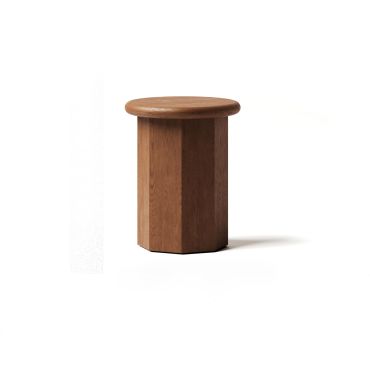
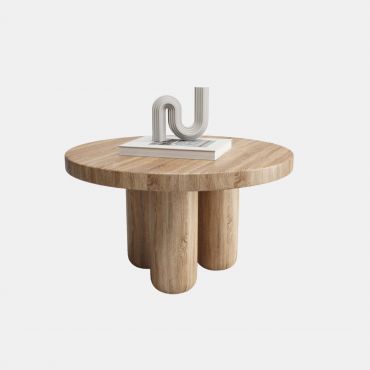
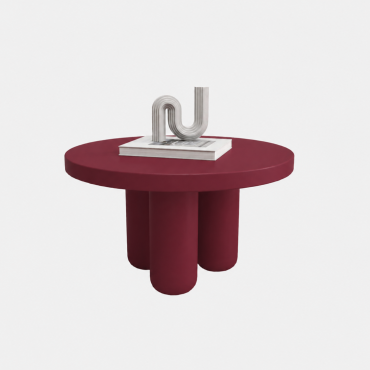
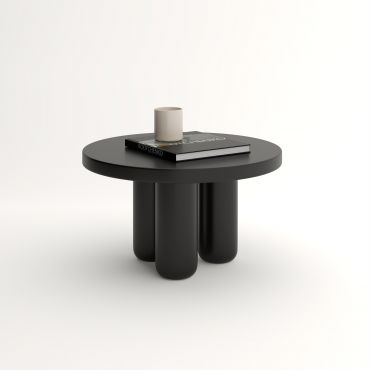
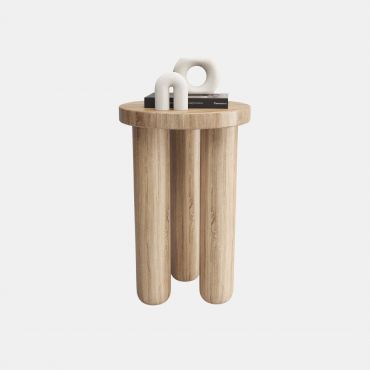
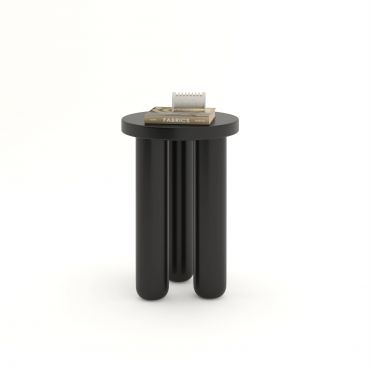
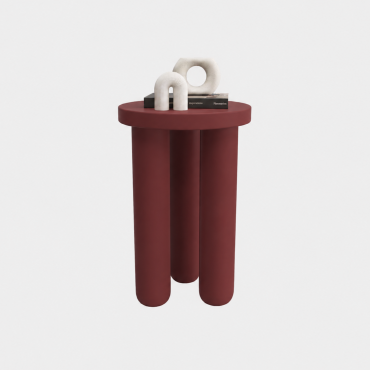
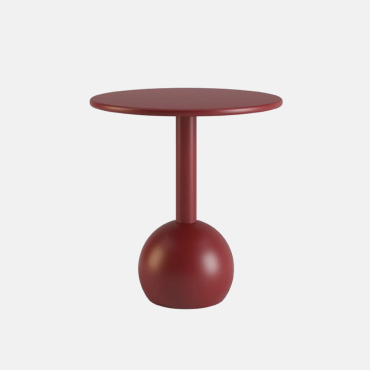
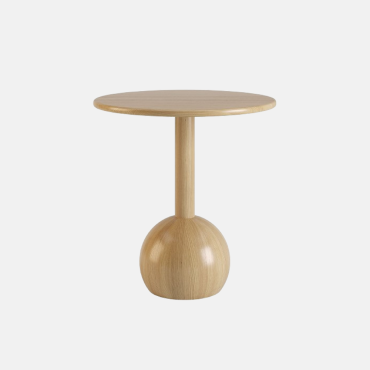
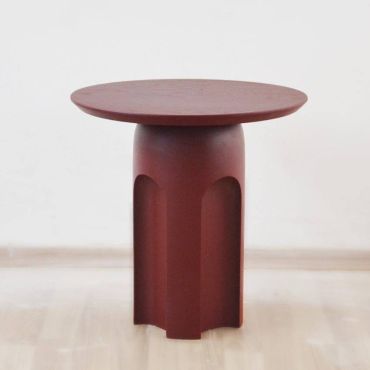
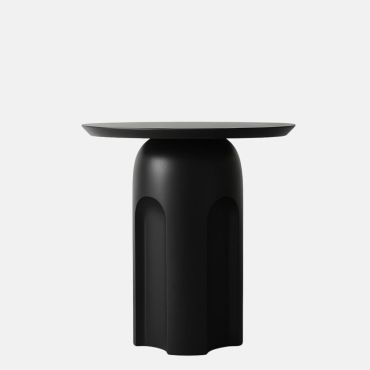
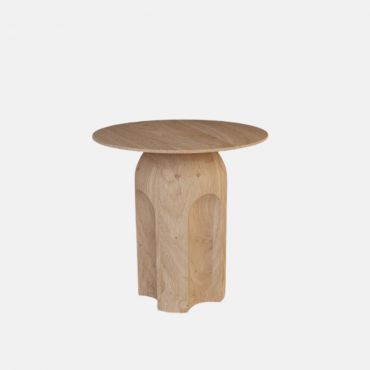
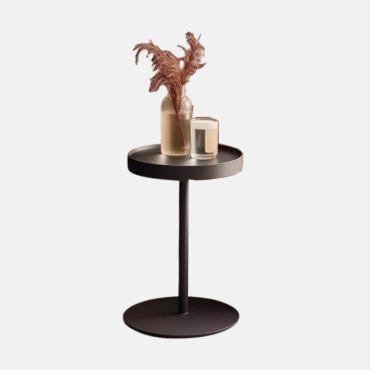
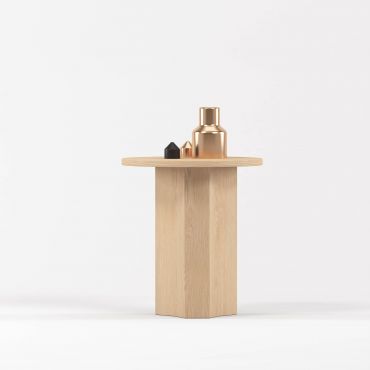
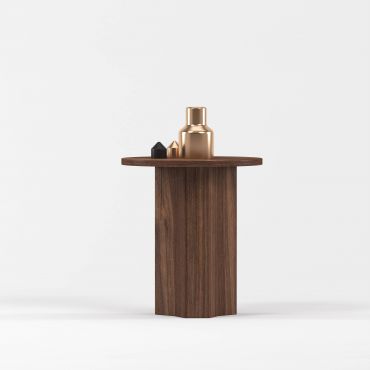
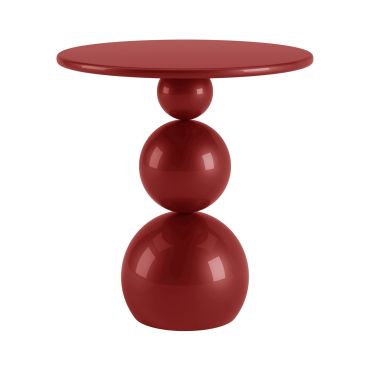
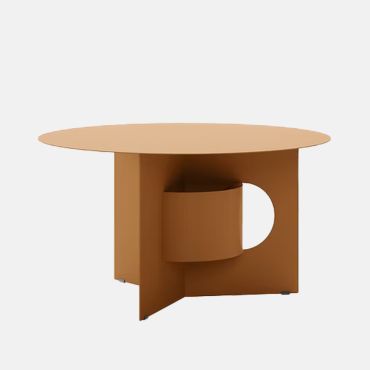
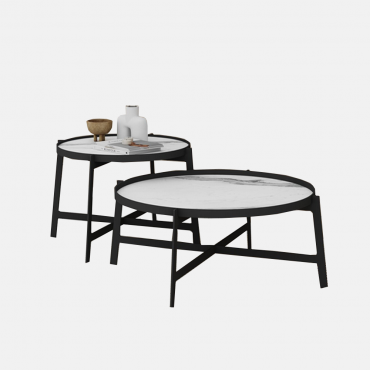
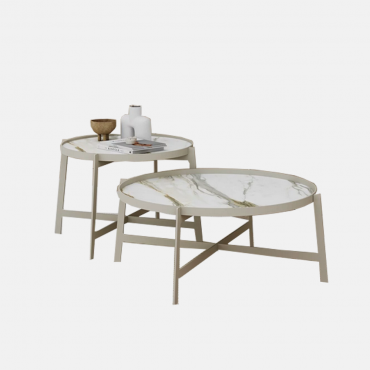
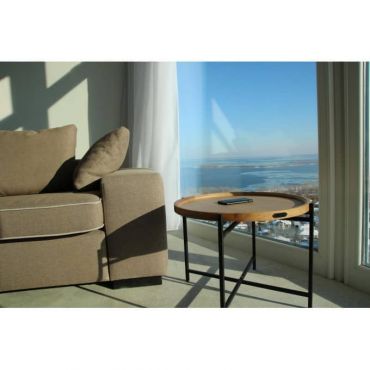
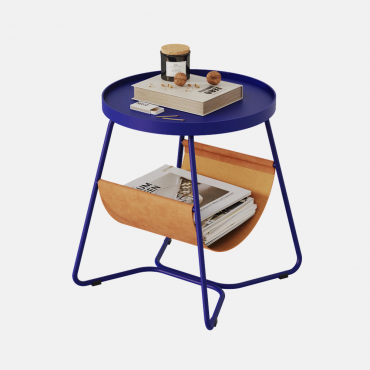
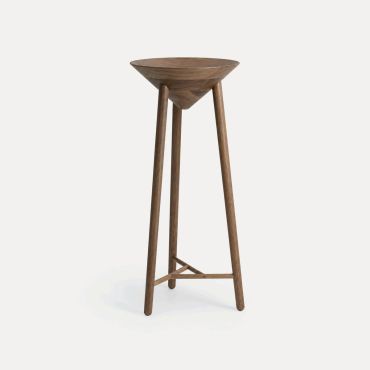
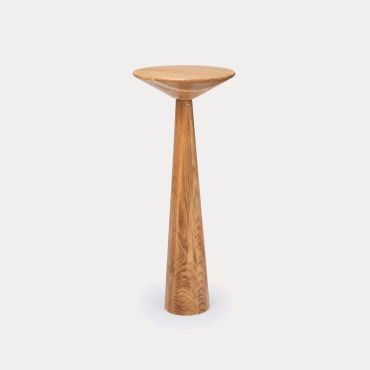
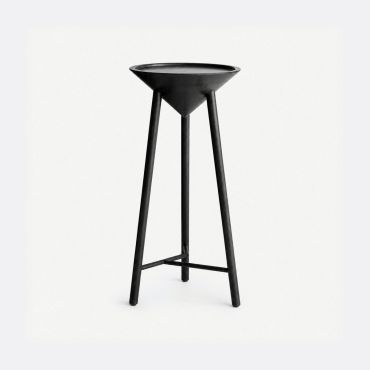
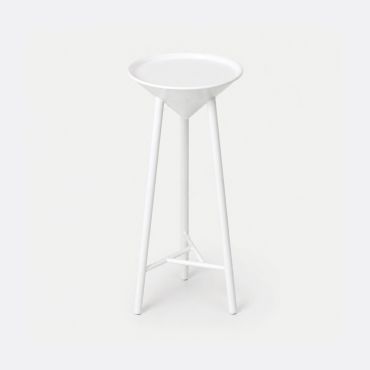
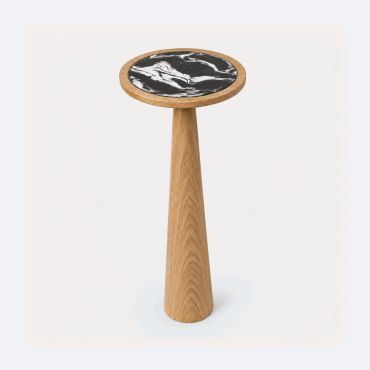
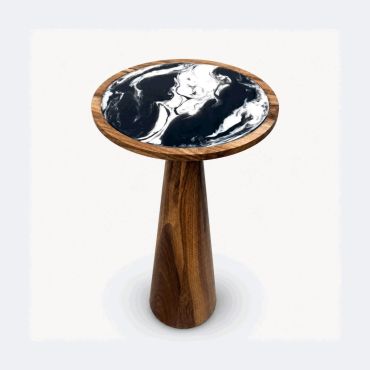
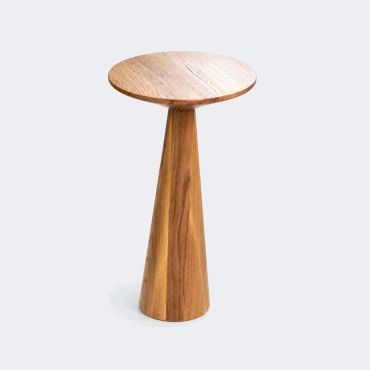
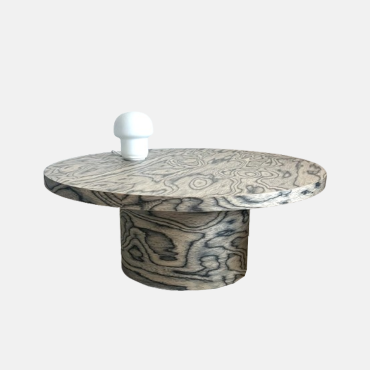
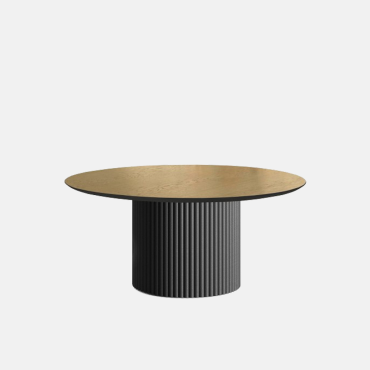
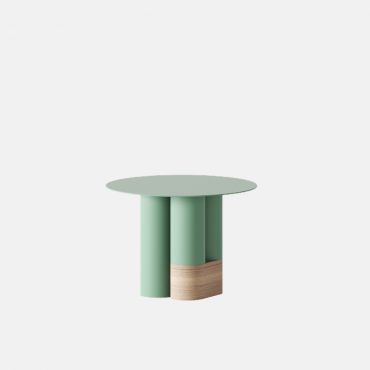
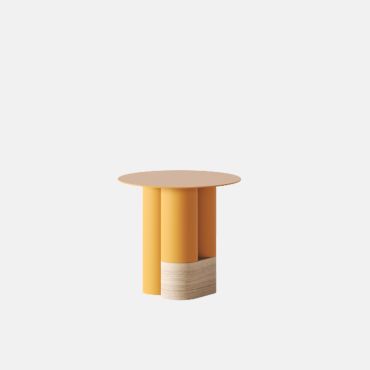
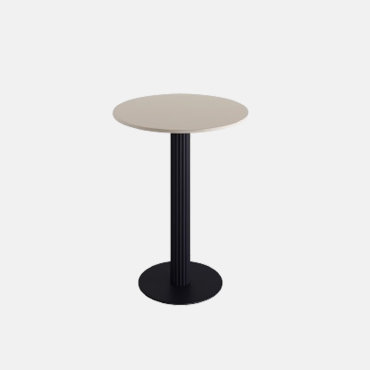
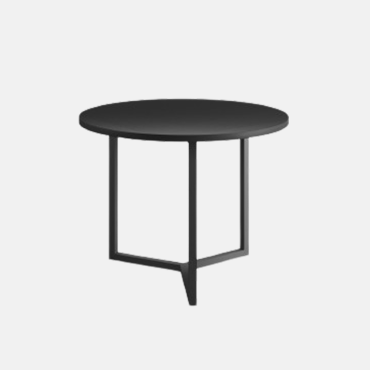
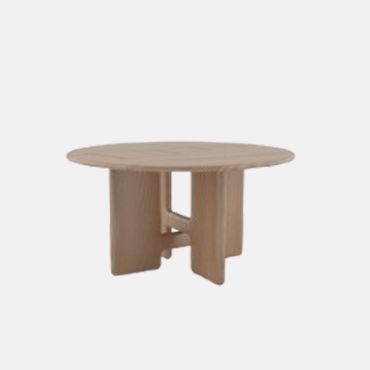
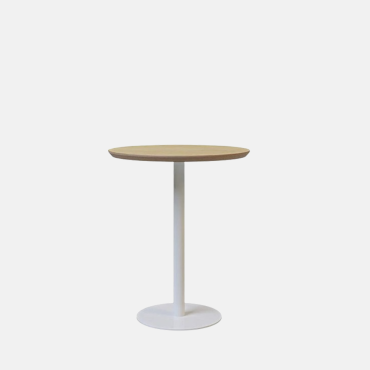
Round Coffee Tables: How to Choose, Place, and decorate them
A round coffee table is one of those interior details that is easy to overlook individually but impossible not to notice when it is absent. It does not occupy the centre of the living room, but it is precisely what shapes the rhythm of the space: it softens the straight lines of the sofa, creates a gathering point, and sets the tone for the entire seating area. This is why round coffee tables have remained relevant for decades — they resolve ergonomics, aesthetics, and style questions with minimal compromise.
At MAIIMO we see this every day: buyers are not simply looking for a round coffee table but for a specific solution — one that works with their sofa, their room style, and a particular material or finish. The search for a small round coffee table or a round wooden coffee table reflects how clearly people know what they want before they start browsing.
In this guide we cover everything that matters before you buy: types, materials, interior styles where round coffee tables perform best, sizing, common mistakes, and care. At the end you will know exactly what to look for — and what to avoid.
The MAIIMO catalogue features round coffee tables from Ukrainian studios and workshops: solid wood, metal, natural stone, and combination designs. All of them are part of our broader coffee table collection, where different shapes and materials come together. Most models are produced in small batches or made to order — which means you will not find them in mass-market furniture stores.
What Is a Round Coffee Table and Why It Works
A round coffee table is a low table with a circular or near-circular top, typically placed in front of a sofa or between chairs. The name "coffee table" reflects its most common use: a surface for drinks, books, a remote control, a decorative tray, or a small plant.
Why a round shape specifically? There are several practical reasons that make a round coffee table more convenient than a rectangular one, regardless of interior style.
First, no sharp corners. This matters for families with young children and for spaces with frequent movement. Sharp furniture corners are among the most common causes of minor household injuries.
Second, a round table does not require axial alignment. A rectangular table looks awkward unless it runs parallel to the sofa. A round coffee table can sit at virtually any angle and still look composed.
Third, accessibility from all sides. You can reach a round table from the left, the right, and straight on. For sectional sofas and L-shaped or U-shaped seating arrangements, this is especially valuable.
Finally, the circular form is a natural softener in contemporary interiors. In rooms dominated by straight lines — which describes most modern architecture and furniture — round coffee tables introduce balance and movement without requiring any other changes.
Types of Round Coffee Tables by Material
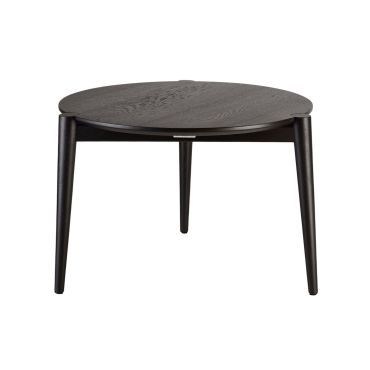
Round Wooden Coffee Tables
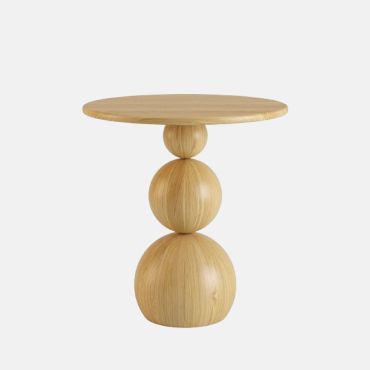
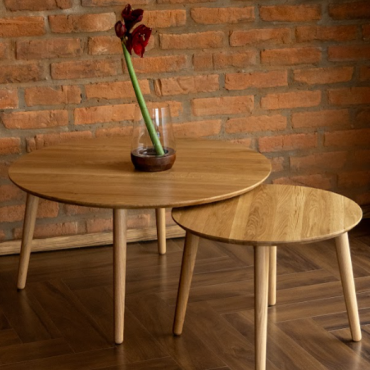
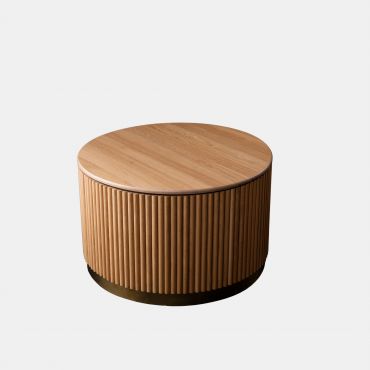
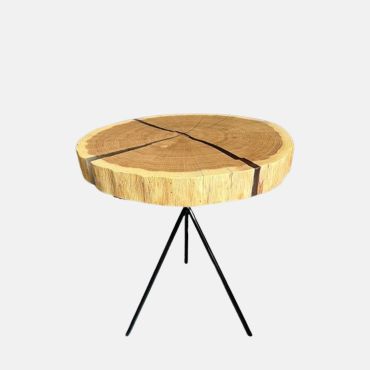
Wood is the most versatile material for a round coffee table. Oak, ash, walnut, beech — each species creates a different aesthetic and behaves differently over time. Oak and walnut deepen and darken with age, gaining warmth and character. Ash stays lighter, aligning with a Scandinavian palette. Charred wood offers a more decorative finish with a distinctive texture.
A round wooden coffee table pairs naturally with Scandinavian design, japandi, eco interiors, and neutral minimalism. It sits well alongside upholstered and velvet sofas and natural-fibre rugs.
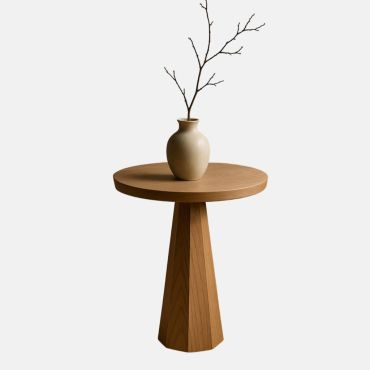
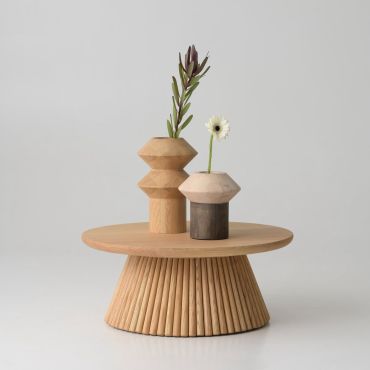
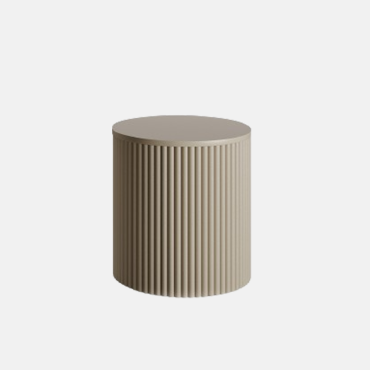
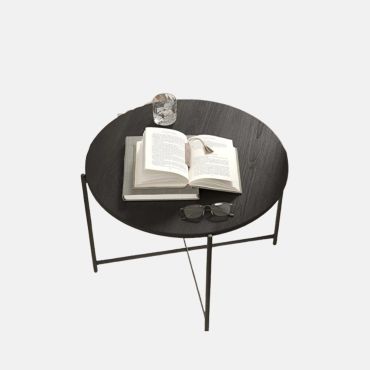
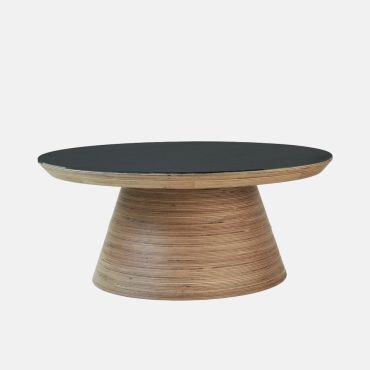
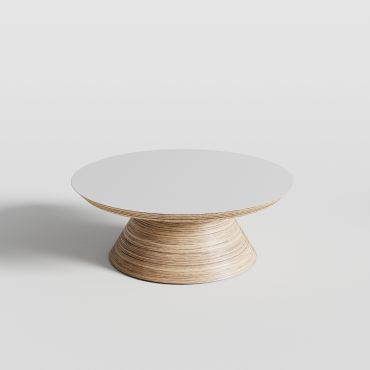
One detail that buyers often overlook is the leg or base design. Tapered legs create lightness and a Scandinavian feel. A solid cylindrical base is more monolithic and decorative. A cross-leg base sits somewhere between the two.
Finish matters too: an oil treatment is natural and renewable at home; lacquer provides more moisture resistance but is harder to repair if damaged. If you are specifically looking for wooden models, our wooden coffee table catalogue shows the full range.
Round Metal Coffee Tables
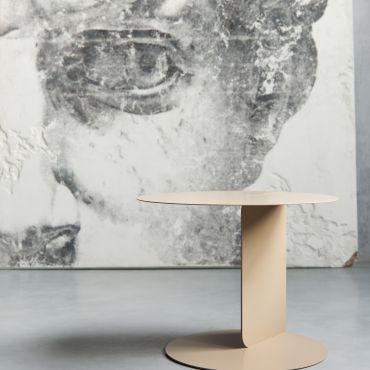
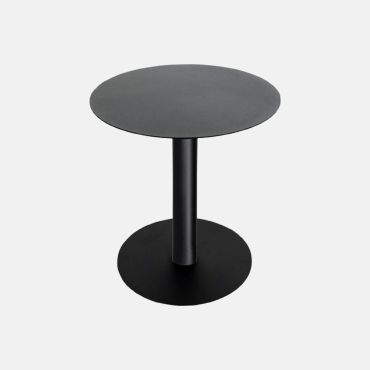
Metal as a material for round coffee tables is most popular in loft, contemporary, and minimalist interiors. Matte black steel, stainless steel, brass, copper — each option creates a different character and requires different maintenance.
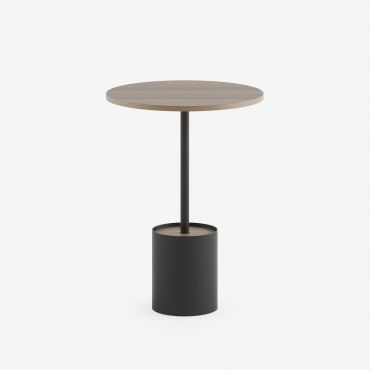
Metal tables are heavy and stable: they do not shift from a light push, hold weight well, and are easy to clean. A metal base combined with a wood or stone top is one of the most widely used combination designs.
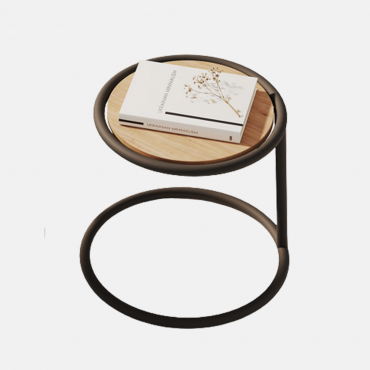
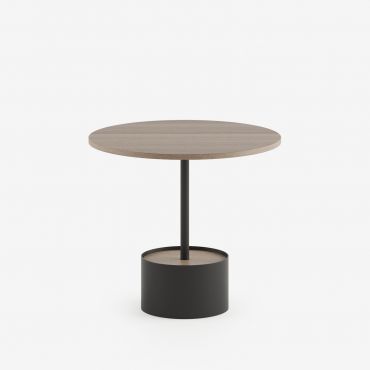
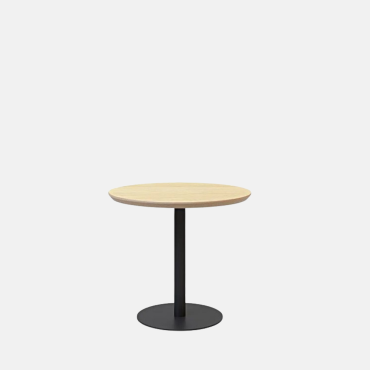
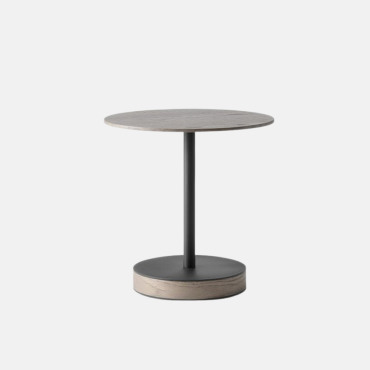
A round coffee table with a metal frame and wooden top is a compromise between two aesthetics that fits almost any modern interior. When both the frame and top are metal, it becomes a stronger stylistic statement that suits loft or industrial design most naturally.
The metal finish also matters: matte black is modern and universal; chrome feels closer to the 1970s; brass and copper add warmth and suit contemporary and boho interiors.
Round Marble Coffee Tables
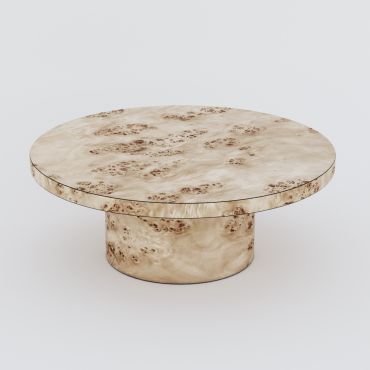
Marble and natural stone are materials with strong personality. A round marble coffee table brings a sense of weight, depth, and luxury to a space. It reads well in contemporary, classical, and neoclassical interiors, and in glamour-inflected spaces with metallic accents.
An important practical note: marble requires attentive care. It is sensitive to acids — coffee, wine, citrus juice leave stains if not wiped immediately. Hard objects scratch the surface. For this reason, round marble coffee tables make most sense when understood as decorative centrepieces rather than high-traffic surfaces.
If you want the look of marble with less maintenance, look for models with an HPL marble-effect top or a compact laminate surface. These are significantly more resistant to everyday use. All natural and engineered stone models are available in our marble coffee table catalogue.
Combination Materials
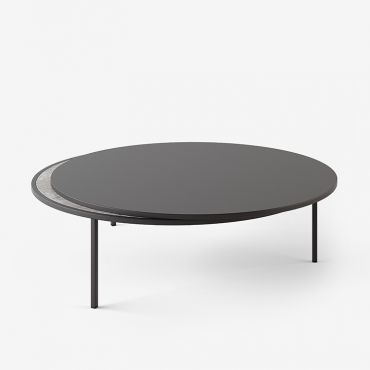
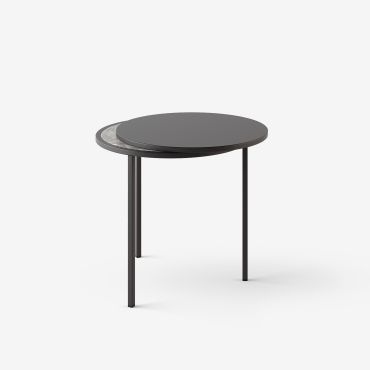
Most contemporary round coffee tables combine two or more materials: metal and wood, metal and glass, metal and marble, wood and glass. This allows designers to balance aesthetics and practicality.
The most common combination is a metal base with a solid wood or veneer top. It looks light and modern, and works across minimalism, japandi, Scandinavian, and neutral contemporary styles.
A glass top on a metal base is a strong choice for small spaces: glass does not visually occupy room, making the space appear larger. The obvious trade-off is fingerprints and the need for regular cleaning.
Buying a round coffee table in a combination material is a sensible option if you want a design-forward look without committing to a single strong aesthetic. These tables are more adaptable and allow you to change other interior elements over time without the table looking out of place.
How to Choose a Round Coffee Table
Before buying, it helps to answer a few questions that progressively narrow the options.
Diameter and proportions
For smaller living rooms and sofas up to 200 cm long, an optimal diameter for a round coffee table is 50–70 cm. This size is comfortable to reach from any seating position, does not block pathways, and avoids visual bulk.
For larger rooms and extended seating groups (sectional sofas, U-shaped arrangements), 80–100 cm is more appropriate. A table that is too small in a wide space looks lost — and the reverse is equally true.
On height: a round coffee table should sit approximately level with the sofa seat cushions, or 5–10 cm below. If the table is much lower, putting things down and picking them up becomes awkward. Higher than the cushion and the proportions look off.
Weight and stability
A solid wood or marble-topped table is heavy and stable — it will not move from a light push, which matters when drinks are on the surface. A lightweight round coffee table on thin metal legs is more mobile and easier to rearrange, which suits spaces that change often.
Function
What will you actually use the table for? If it primarily holds drinks, a simple flat top is sufficient. If storage matters, look for models with a lower shelf or a drawer. If the table will see regular heavy use, the top material should be resistant to scratches and moisture.
Colour and texture
Neutral tones — natural wood, white, grey, black — are safe choices that work with most interiors. A bolder round coffee table as an accent piece looks sharp when the surrounding furniture is calm. Just be aware that an expressive table competes for attention with other design elements.
Round Coffee Tables Across Interior Styles
Minimalism
In a minimalist interior, a round coffee table is one of the few accent pieces. The form should be clean and uncluttered: thin metal legs, a quiet top. Colour palette stays neutral — white, grey, black, natural wood. Decorative complexity — carved bases, bold contrast colours — will read as foreign and break the visual calm.
Scandinavian Style
For a Scandinavian interior, the ideal round coffee table is wooden, on tapered or straight slim legs. Ash or birch with an oil finish, a natural tone without staining. The form should be straightforward. Scandinavian design resists excess decoration but rewards natural materials and honest craftsmanship.
Japandi
Japandi — the fusion of Japanese and Scandinavian sensibilities — values practicality, nature, and restraint. Round coffee tables in this style: dark or mid-tone solid wood (walnut, tinted oak), minimal surface treatment, lower proportions that feel close to the floor in the Japanese tradition. No chrome finishes or elaborate decorative bases.
Loft
For a loft interior, a more characterful round coffee table works: metal with patina or matte black, combined with a live-edge wood or rough stone top. A welded metal frame with visible seam details adds authenticity. Texture matters more than perfection of form — the table should look real and unpolished, not glossy or pristine.
Mid-Century Modern
The style of the 1950s and 60s pairs naturally with round coffee tables on tapered or hairpin legs. The signature detail: legs that angle outward. Warm wood tones (walnut, teak), moderate lacquer or wax finish. The top should be as clean as possible, without lower shelves or ornamentation.
Neutral Contemporary
Most modern apartments do not commit to a single style — they combine elements unified by a colour palette and materials. For these spaces, the most adaptable choice is a round coffee table in combination materials: metal and wood, metal and marble. These do not require a specific style reference and integrate naturally into mixed interiors.
How to Pair a Round Coffee Table with Other Furniture
With a straight sofa
With a straight sofa, place the round coffee table centred in front or with a slight offset. For long sofas over 250 cm, one table can be hard to reach from the far ends. In that case, two smaller tables or a primary table alongside a side table is a better arrangement.
With a sectional sofa
For a sectional or U-shaped sofa, place one larger round coffee table at the geometric centre where both sections meet. This gives equal access from all seating positions and looks proportional. Two smaller tables positioned at each end of the corner is an alternative that works equally well.
With armchairs
When the living room is organised around chairs rather than a sofa, a round coffee table sits between them. The round format outperforms a square table here: it is equally accessible from both sides. An optimal diameter in this configuration is 50–65 cm.
With a rug
The classic pairing is a round coffee table with a round rug — the shapes echo each other and the space feels cohesive. The rug should extend at least 40–50 cm beyond the table edge on all sides. A rectangular rug with a round table is not a mistake; it is an intentional contrast of geometries.
With multiple tables
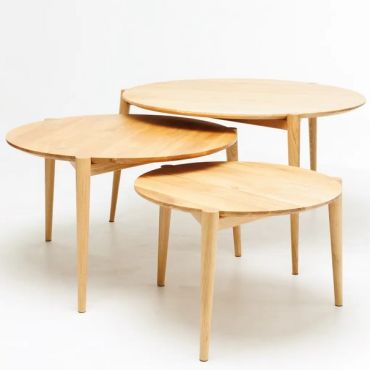
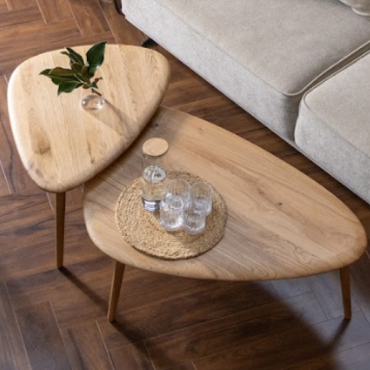
Two or three round coffee tables of different diameters and heights placed together create a more dynamic composition than a single large table. This is especially effective with sectional sofas and long seating runs. Match the style but vary the size: for example, a large wood table paired with a small metal one.
Placement Considerations by Room Type
Small living room
In a compact space, a round coffee table outperforms a rectangular one in several ways. No sharp corners cutting into circulation paths. The circular form reads as lighter and less imposing. There is always a sense of space between a round table and the curved sofa cushions — even in a tight room.
For small living rooms, choose tables with transparent or slender elements: a glass top or thin metal legs take up minimal visual space and make the room feel more open.
Large living room
In a spacious room, a small round coffee table will look lost. You need a diameter of 80–120 cm, or a cluster of tables of different sizes arranged as a composition.
Large spaces also benefit from tables with expressive bases: a cylindrical or drum base, a prominent metal frame, a top with a natural figure in marble or live-edge wood.
Bedroom or dedicated reading area
Buying a round coffee table for a bedroom or a reading nook is a practical decision. Here it is usually smaller: 40–55 cm in diameter. A side table or a compact round coffee table between two armchairs completes the space without excess.
What to Check Before You Buy
At MAIIMO we find that buyers often focus on appearance and skip the details that determine how satisfying the table is to live with after a month, or after a year.
Structural stability
Ask or check: how are the legs attached to the top? Bolt-fixed legs are more secure than screwed-in legs. Metal legs with adjustable floor protectors are more practical than fixed wooden legs on uneven floors.
Top surface finish
Bare natural wood looks beautiful but requires regular maintenance and is vulnerable to moisture. Wax or oil finishes are natural and can be renewed at home but need periodic reapplication. Lacquer is more protected and easy to clean but harder to repair when damaged. An HPL top requires virtually no maintenance.
Weld quality in metal models
For metal round coffee tables, check the weld seams for evenness and the absence of sharp edges. Poorly finished welds indicate the overall quality level of the piece and can become a safety concern with active use.
Base width relative to top diameter
A round coffee table with a wide top and narrow base looks striking but may be unstable. If heavy items are regularly placed on the table, or children are in the household, choose a wider base or well-spread legs.
Actual dimensions versus photography
The most common mistake in online orders is misjudging real-world size. Before ordering, mark out the table diameter and leg clearance on the floor with tape — you will immediately see how much space it actually occupies and whether it will feel comfortable in your specific room.
Common Mistakes When Choosing a Round Coffee Table
Diameter that is too small
The most frequent mistake: a round coffee table is chosen with the goal of not getting in the way rather than of being genuinely useful. The result is a table that looks decorative but not functional. If you are unsure between 60 and 70 cm, choose the larger option.
Overly complex base in a simple interior
A carved or elaborate metal base is a strong design statement. If the surrounding furniture is neutral, such a table will pull all attention and break the visual balance. A round coffee table with a disproportionately expressive base becomes a competitor rather than a complement.
Material choice without considering actual use
Marble and bare wood both require attentive care. If coffee, wine, and children's activities are part of daily life at that table, choose a more durable surface finish. A beautiful round wooden coffee table with an untreated surface will look worn within a year without proper care.
Buying without measuring
A round coffee table with an 80 cm diameter occupies considerably more floor space than it appears to in photographs. Always measure the real space and maintain at least 40–50 cm of clearance between the table and the sofa or chairs on all sides.
Caring for Round Coffee Tables
Every material has its own maintenance requirements — something worth knowing before you choose.
Wood. Wipe with a soft damp cloth and dry immediately. Avoid prolonged contact with water, especially at joints. Treat the surface with a wood-protective oil or wax once a year or every two years to maintain the finish and colour depth. A round wooden coffee table with an oil or wax finish is easier to renew at home than a lacquered one.
Metal. Wipe matte black paint with a soft cloth — no abrasives. Clean stainless steel with a standard stainless steel cleaner. Brass and copper darken over time: use a polish if you want to maintain the shine, or let the patina develop as part of the material's character.
Marble. Acid stains — coffee, wine, citrus — must be wiped away immediately. Avoid harsh cleaners and abrasive pads. Apply a stone sealer once a year to protect the surface. A round marble coffee table demands the most attention but looks impeccable with proper care.
Glass. Use a dry or lightly damp microfibre cloth with standard glass cleaner. Avoid abrasives — they create micro-scratches that make the surface look cloudy over time.
Designer and Custom Solutions
For those looking for something beyond a catalogue model, MAIIMO offers the option to order a round coffee table designed around a specific interior.
What can be adjusted in a custom order: top diameter, leg height, wood species and finish type, metal base colour, and whether to include a lower shelf or drawer.
When is this worth it? When you have a non-standard space — an unusually narrow passage, specific room proportions — or when you are building an interior around a precise colour palette and no standard option provides the right tone.
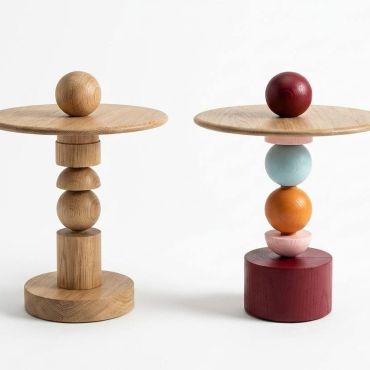
The designer round coffee tables from studios in the MAIIMO catalogue are already finished original solutions where every detail has been considered: proportions, materials, surface treatment. Most are not available in mass-market stores because they are produced in small runs. Buying a round coffee table at MAIIMO means owning a piece that your neighbour does not have.
Why Buy Round Coffee Tables at MAIIMO
MAIIMO is a platform featuring designer furniture from Ukrainian studios, workshops, and emerging manufacturers. We do not stock mass-produced items — only pieces that were deliberately selected for material quality, formal clarity, and quality of execution.
Own collections. A portion of the round coffee tables in the catalogue are MAIIMO designs, produced in our own facility or in partnership with Ukrainian workshops. Every model has been evaluated personally: we do not sell what we would not put in our own space.
Ukrainian brands and studios. Alongside our own collections are the best work from independent designers and small studios, most of whom are not represented in large furniture chains.
Material quality. Solid wood, natural veneer, metal structures with quality welds, natural stone. A round coffee table from MAIIMO is made from materials that age beautifully, not ones that fail in two years.
Made to order. Most models are available in multiple sizes or can be made to specification. If you need a non-standard diameter or colour — get in touch and we will work out the details.
Delivery across Ukraine. Most items are in stock. Order online; our team is available for consultation when needed. If budget is a consideration, have a look at our affordable coffee table catalogue as well.
If you are planning an interior and looking for round coffee tables that work in your specific space — start with the MAIIMO catalogue. We will suggest options that match your style, dimensions, and budget. No pressure and no artificial urgency.
10 FAQ
Should I choose a round or rectangular coffee table?
A round coffee table works best where straight lines dominate — it introduces balance and visual softness. A rectangular table suits longer, narrower spaces or when more horizontal surface area is needed. For sectional sofas, a round shape is more practical since it is equally accessible from all seating positions.
If you have a sectional sofa or young children at home, a round coffee table is also safer — no sharp corners and comfortable reach from any angle make it the more ergonomic choice for most contemporary living rooms.
What size round coffee table works for a small living room?
For compact spaces, an optimal diameter is 50–65 cm (20–26 inches). A table this size is functional, does not block pathways, and does not visually overpower a small sofa. Leave at least 35–40 cm between the table edge and any seating.
For very small rooms, consider a model with a glass top or thin metal legs. They take up minimal visual space and the room reads as more open.
Does a round coffee table work with a sectional sofa?
Yes, and it is one of the most successful pairings. A round coffee table placed at the corner of a sectional sofa is equally reachable from both sections. For large U-shaped sofas, consider one larger-diameter table at the centre or two smaller tables positioned at each end.
Place the table at the geometric centre where the two sofa sections meet. This provides equal access from every seat and looks proportional from any angle.
What material is best for a round coffee table?
Wood is the most versatile option for most interior styles and usage levels. Metal suits modern, loft, and minimalist spaces. Marble is a decorative statement piece for those prepared to care for it properly.
If practicality is the priority, choose a round coffee table with an HPL top or metal surface — both are highly resistant to everyday wear. If aesthetics take precedence, solid wood or natural stone. In most cases, a metal and wood combination addresses both requirements well.
How do I style a round coffee table with a rug?
The classic combination is a round coffee table with a round rug — the shapes echo each other and the seating zone reads as a unified composition. The rug should extend at least 40–50 cm beyond the table on all sides. A rectangular rug with a round table is not a mistake; it is an intentional contrast.
One important detail: the rug should be large enough for the front legs of the sofa to rest on it. This anchors the entire seating area visually, rather than leaving individual pieces floating without connection.
Can I use two round coffee tables together?
Yes, and it is a widely used approach in interior styling. Two or three round coffee tables of different diameters and heights placed together create a layered, dynamic composition that is more interesting than one large table. This works especially well with sectional sofas and extended seating configurations.
Choose round coffee tables in the same style but different sizes: for example, a large solid wood table alongside a small metal one. The materials can differ, but the colour or finish should relate to each other to maintain visual cohesion.
What height should a round coffee table be?
The standard height for a round coffee table is 38–45 cm (15–18 inches). This aligns with the seat cushion height of most contemporary sofas and allows comfortable use without leaning forward.
If your sofa sits lower than standard — common in Scandinavian and japandi designs — look for a round coffee table at 30–38 cm. For higher sofas, 45–50 cm is more appropriate. The general rule: the table surface should be at seat cushion level or slightly below.
How do I care for a round wooden coffee table?
Wipe with a soft damp cloth and dry immediately. Do not leave wet items on the surface and avoid placing hot vessels directly on the wood without a coaster. Apply a wood-protective oil or wax once every year or two to maintain the finish.
If a round wooden coffee table develops scratches or worn patches, these can often be addressed with light sanding and a fresh application of oil. This is easier to do at home with an oil or wax finish than with lacquer, which is one reason oil finishes are generally more practical for domestic use.
Can I order a custom-size round coffee table from MAIIMO?
Yes. Most models in the MAIIMO catalogue are available for custom production. You can adjust the top diameter, leg height, surface finish, or material colour. Production timelines depend on the complexity of the model and current workshop capacity.
To place a request for a custom round coffee table, use the contact form on the site or reach out via the chat. A MAIIMO team member will confirm the specifications and provide a production timeline.
Where can I buy a round coffee table from Ukrainian designers?
You can buy a round coffee table from Ukrainian designers and workshops at MAIIMO. We carry handcrafted pieces from studios that are not available in mainstream furniture stores, selected for material quality, design clarity, and craftsmanship.
Order online with payment and delivery across Ukraine. If you are undecided, write to us — we will suggest round coffee tables that match your style, room size, and budget.