Furniture for HORECA
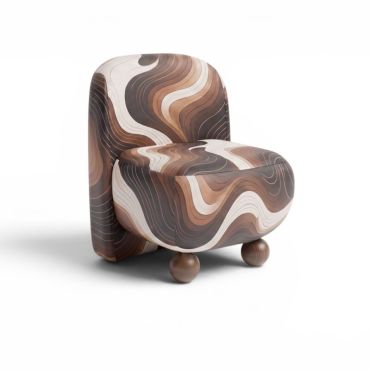
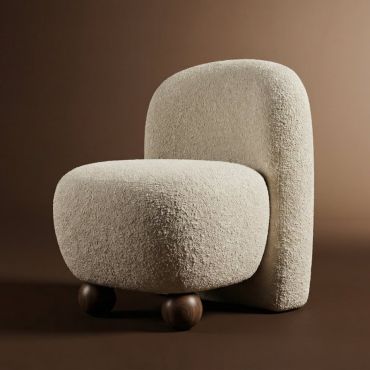
Below is Message 2 — full English translation, preserving structure, formatting, tone, and SEO logic.
Furniture for HoReCa: How to Choose Furniture for Cafes, Bars, Restaurants and Restaurant Furniture for a Profitable Space
The hospitality industry is a business of details. A guest enters a venue and within the first 10 seconds understands whether they feel comfortable. They haven’t tasted the food yet, but they already evaluate the seating, distance between tables, chair height, lighting. And it is furniture for HoReCa that shapes that first impression.
In hospitality, furniture is not décor. It is a profit tool. It affects table turnover speed, length of stay, average check, and repeat visits. Poor seating shortens guest time. Overcrowded layouts reduce comfort. Weak construction creates extra costs.
In this article, we’ll break down how to properly choose furniture for cafes, bars, restaurants and restaurant furniture, which materials withstand commercial load, how to consider interior style, and what truly impacts durability.
What Furniture for HoReCa Means and Why It’s a Separate Category
Commercial Load
A home chair is used a few times a day. In a restaurant — dozens or even hundreds of times. That is why furniture for HoReCa follows completely different production standards.
Key differences include:
-
reinforced frame
-
professional-grade joints
-
weight capacity of 120–150 kg
-
structural stability under intensive movement
If you use residential furniture in a commercial setting, it will start loosening within months.
Wear Resistance
Restaurants are cleaned daily. Drinks spill. Cutlery drops. Tables are constantly moved. Surfaces must be:
-
moisture-resistant
-
scratch-resistant
-
resistant to cleaning chemicals
Commercial upholstery should have at least 50,000 Martindale cycles. Otherwise, it will quickly wear out.
Ergonomics for Different Formats
Seating comfort affects guest behavior. If a chair is rigid and upright, guests leave faster. If it’s comfortable, they stay longer.
Standard dimensions:
-
table height — 72–75 cm
-
seat height — 43–48 cm
-
bar seating height — 75–85 cm
These numbers are based on long-term practice.
Main Types of Furniture for Cafes, Bars, Restaurants and Restaurant Furniture
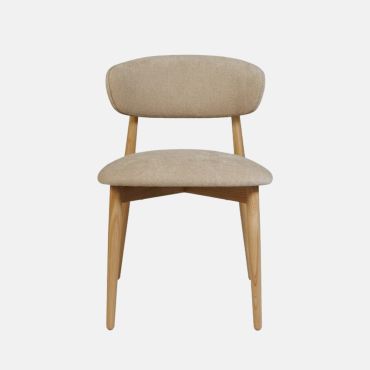
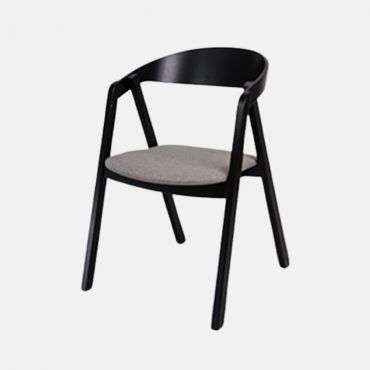
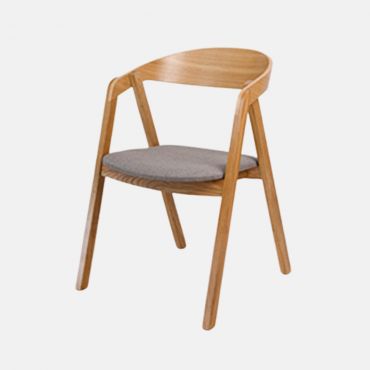
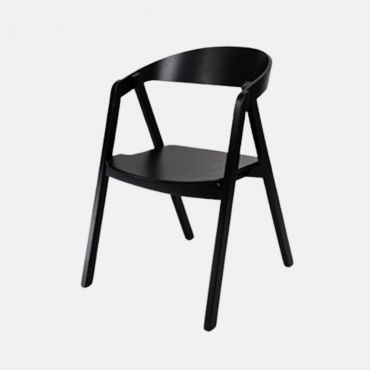
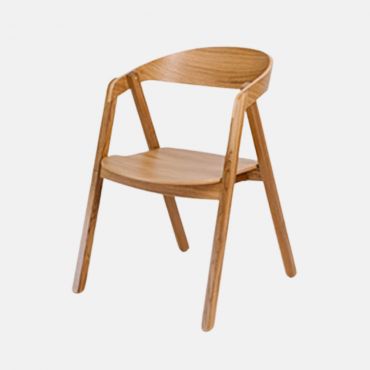
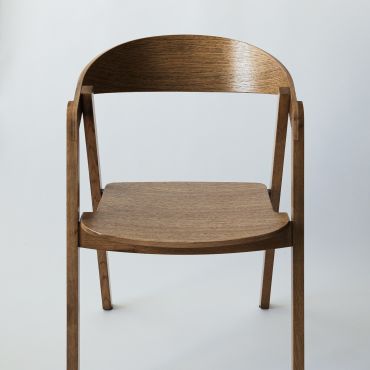
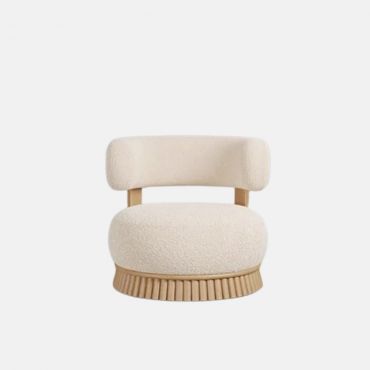
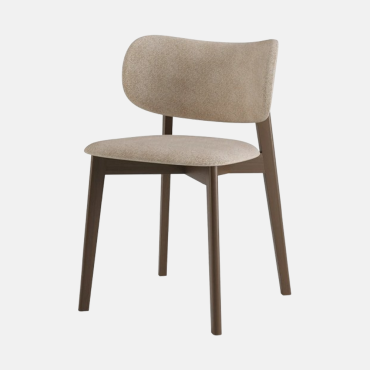
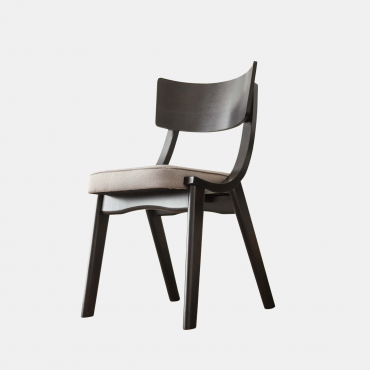
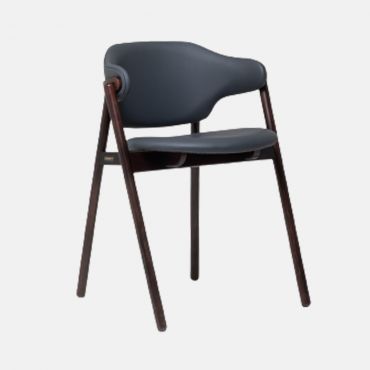
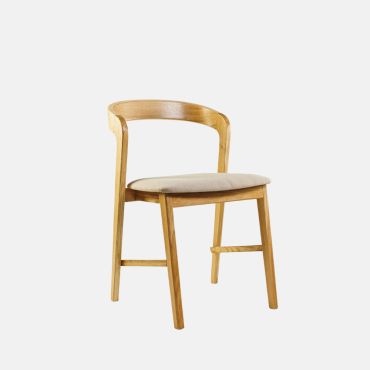
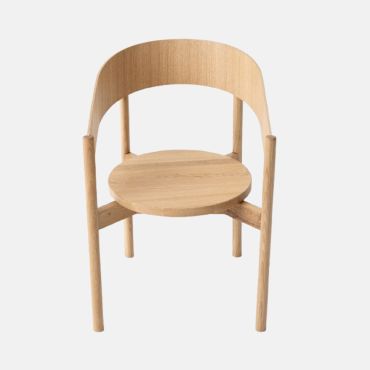
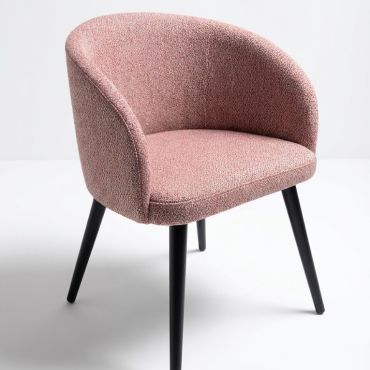
Dining Chairs
When choosing chairs, consider:
-
weight
-
stackability
-
frame type
-
ease of maintenance
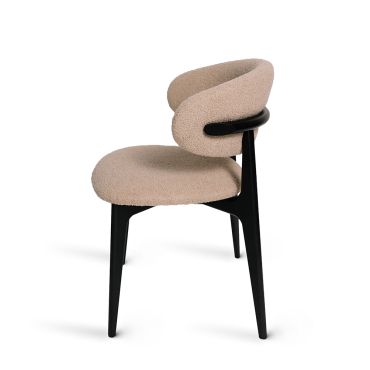
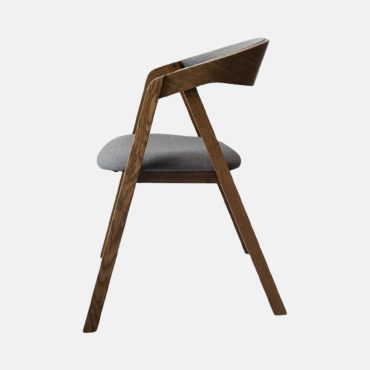
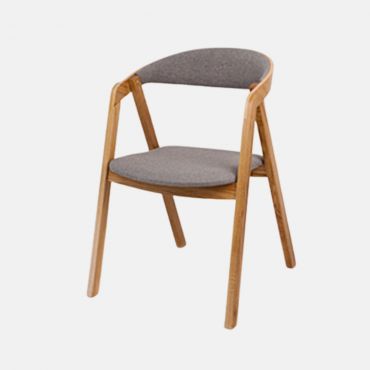
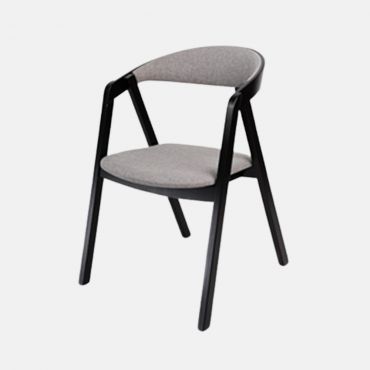
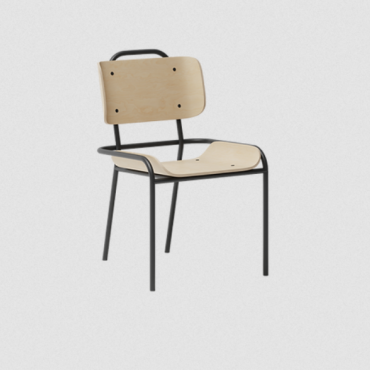
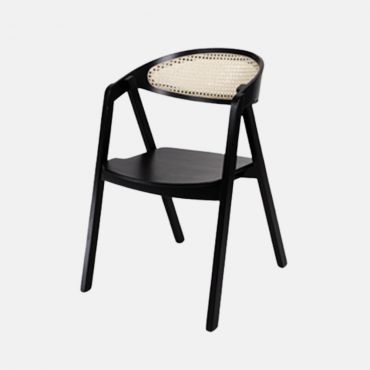
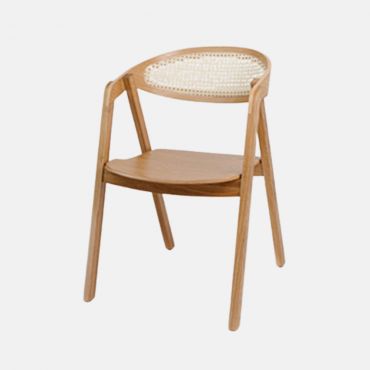
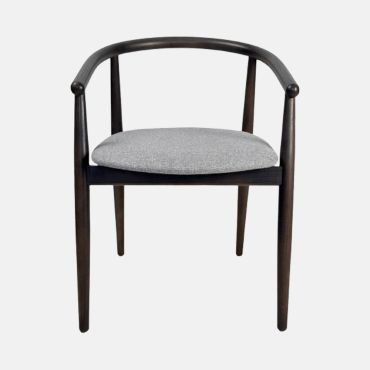
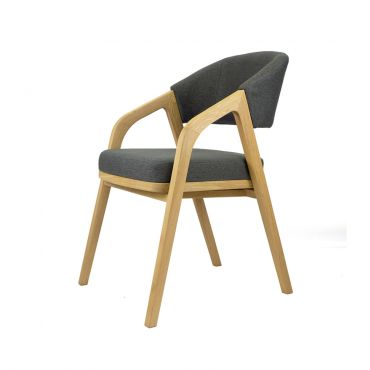
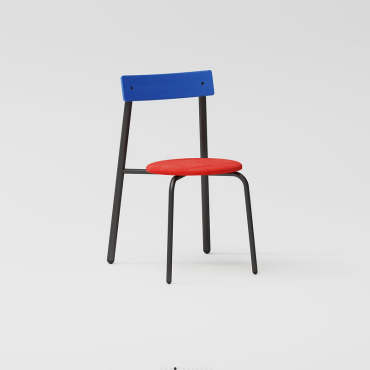
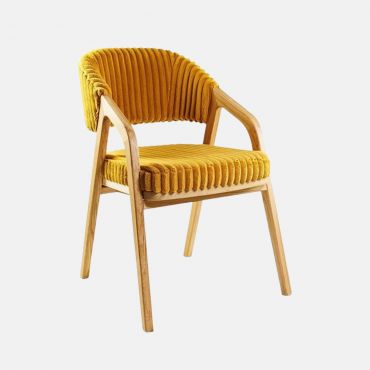
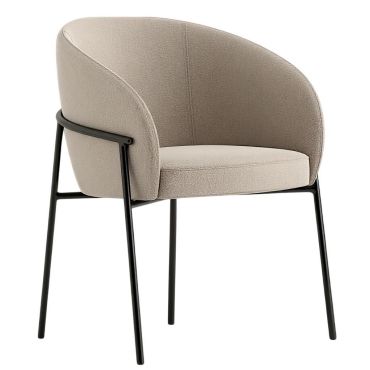
For high-traffic cafés, plywood or metal frames work best. For mid-range restaurants, upholstered wooden chairs are more appropriate.
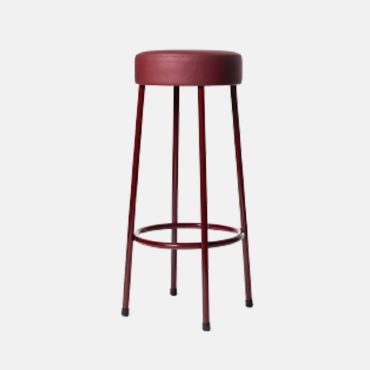
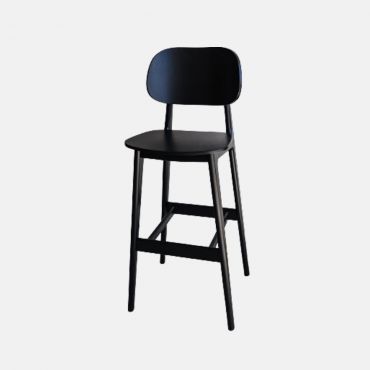
Bar Stools
Bar areas require special attention. The load is different. Guests frequently sit and stand.
Important factors:
-
footrest presence
-
correct height
-
frame rigidity
Bar stools must remain stable under active use.
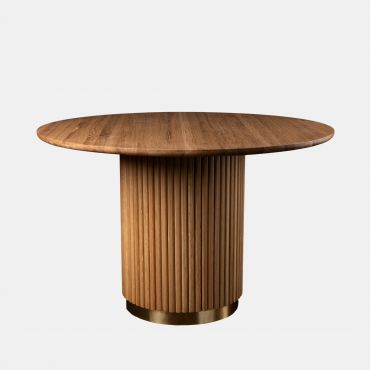
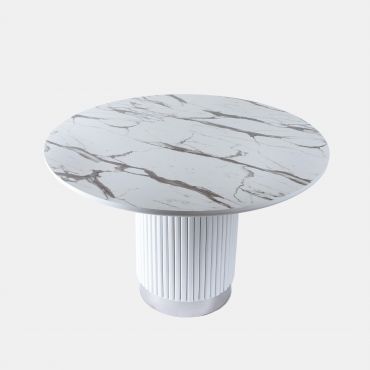
Tables
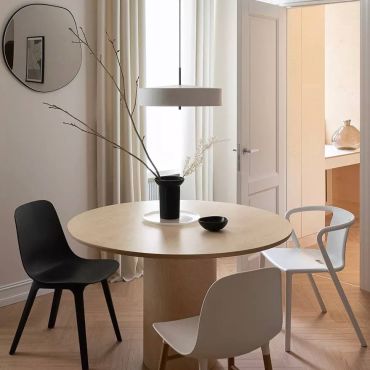
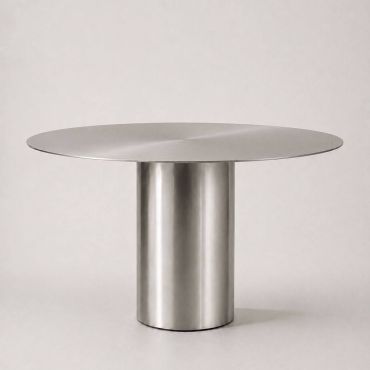
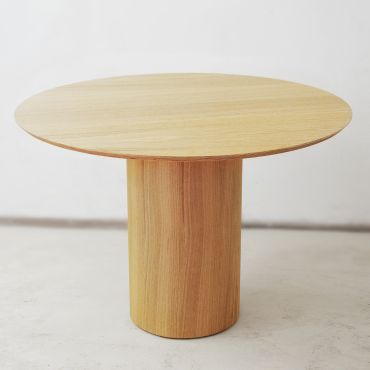
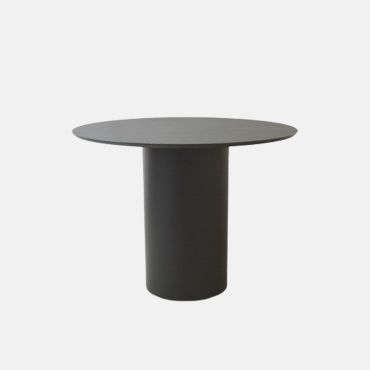
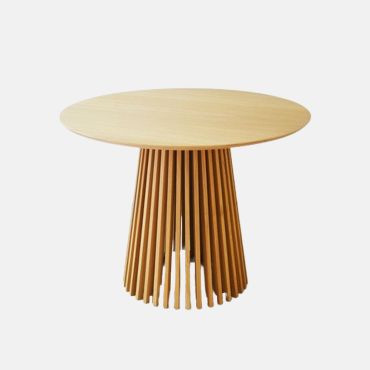
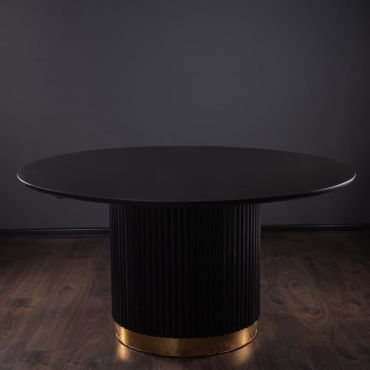
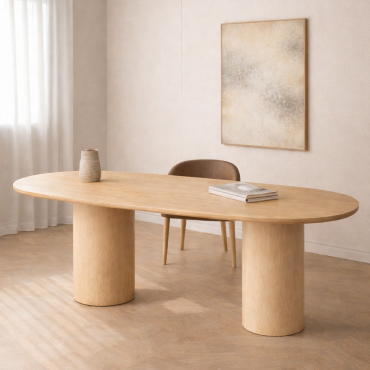
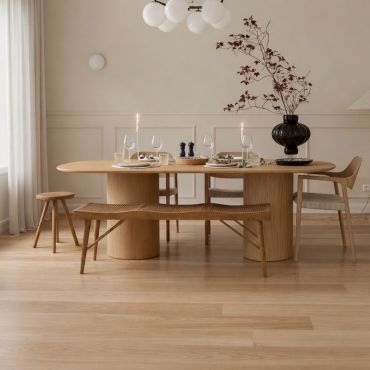
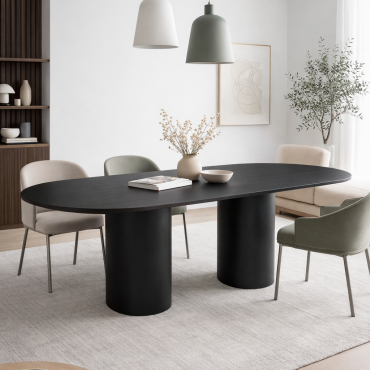
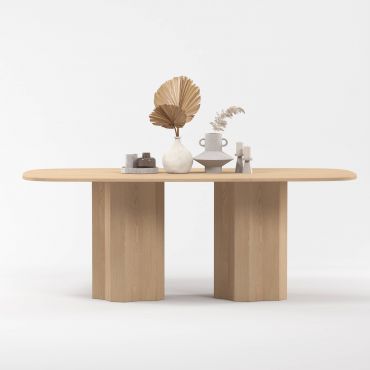
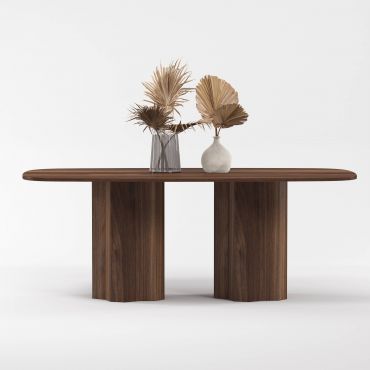
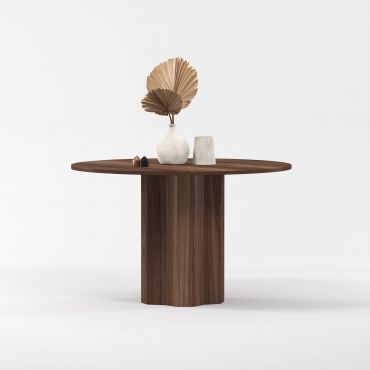
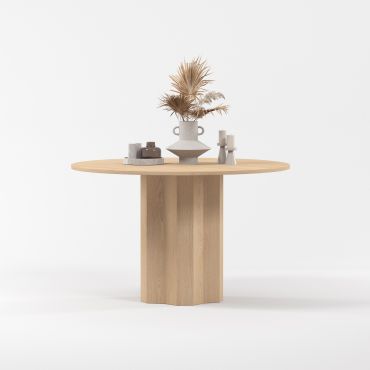
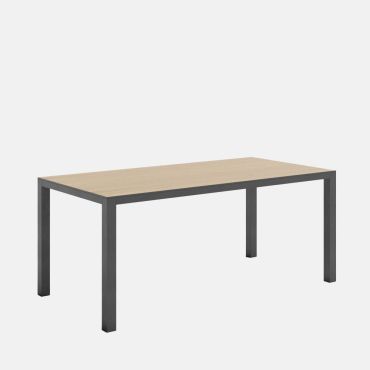
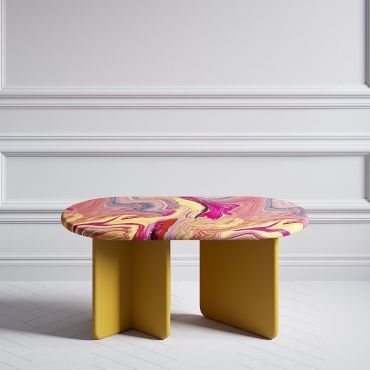
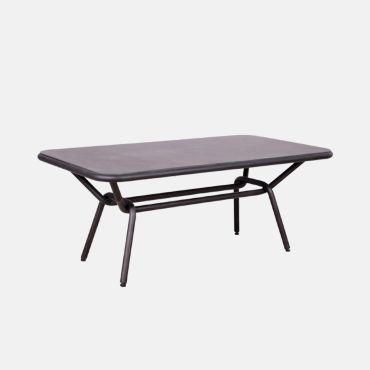
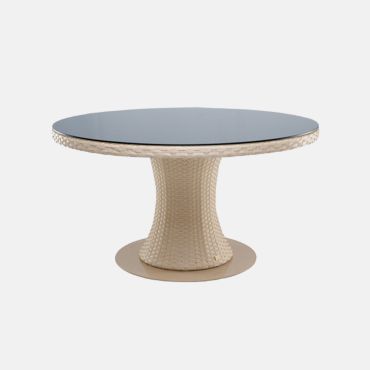
A table is the center of composition. In furniture for cafes, bars, restaurants and restaurant furniture, tables must have:
-
solid base
-
moisture resistance
-
replaceable tabletop option
A system with separate base and tabletop allows easy interior updates.
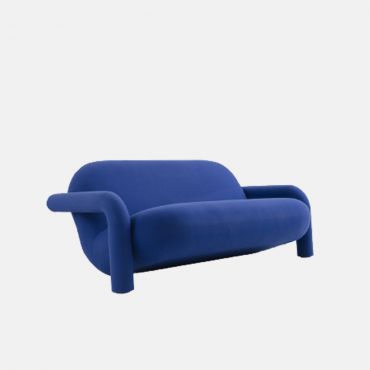
Sofas and Banquettes
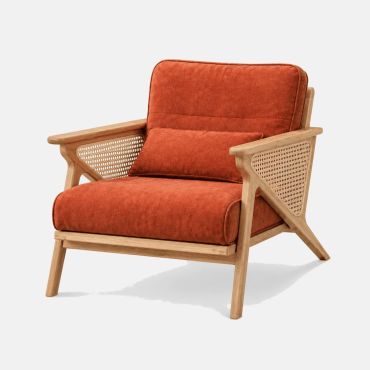
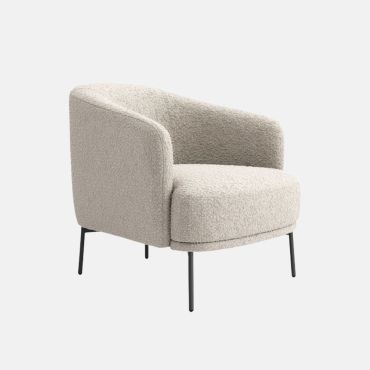
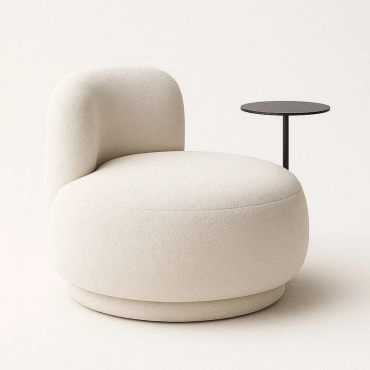
Soft seating increases comfort and zoning flexibility. However, it occupies more space.
Wall-mounted banquettes save floor area. Modular sofas allow flexible layouts.
How to Choose Furniture for HoReCa Based on Venue Format
Quick-Service Café
Guests stay 20–40 minutes. Mobility matters.
Suitable options:
-
lightweight chairs
-
compact tables
-
minimalist design
Excessive softness is unnecessary.
Bar
Focus is on the counter area. Height and stability are critical.
Materials must withstand alcohol spills and humidity.
Mid-Range Restaurant
Guests stay 1–2 hours. Balance between comfort and seating density is essential.
Better to choose:
-
upholstered chairs
-
tables for 2–6 guests
-
sofa zones
Fine Dining
Here, restaurant furniture becomes part of the brand image.
Typically used:
-
solid wood
-
veneer
-
premium textiles
-
custom-made solutions
Uniqueness matters most.
Considering Interior Style
Loft
Metal, dark wood, minimal decoration. Structures remain visible.
Furniture must be simple and functional.
Scandinavian Style
Light shades, natural textures, visual lightness.
Avoid heavy or bulky models.
Minimalism
Clean lines, neutral colors, precise proportions.
Material quality is essential.
Contemporary Classic
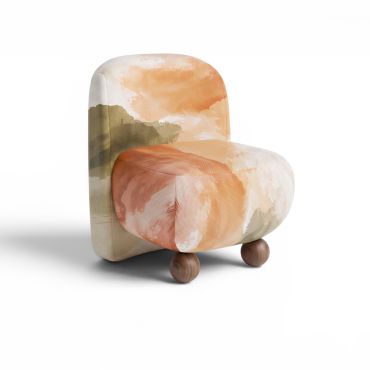
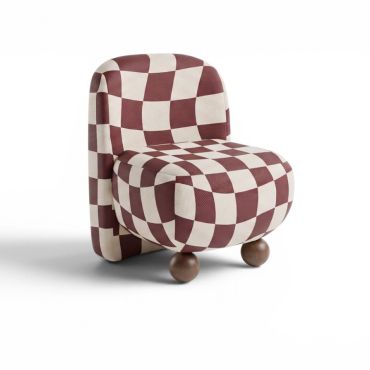
Soft shapes, textiles, deep tones.
Works well in restaurants where guests stay longer.
Materials for Commercial Use
Wood
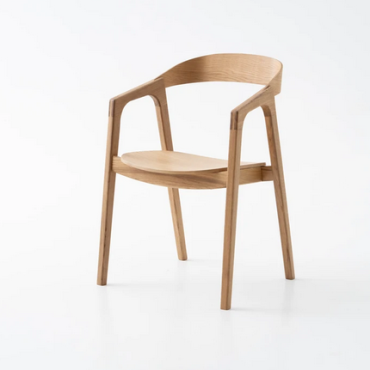
Warm and durable. Hardwoods are preferable.
Requires quality lacquer or oil finishing.
Metal
Strong and long-lasting. Powder coating protects against corrosion.
Works well in bars and loft interiors.
Plywood
Lightweight and durable. Ideal for high-traffic cafés.
Upholstery
Commercial-grade fabrics with high Martindale rating.
Protective coatings simplify maintenance.
Space Planning
Furniture layout directly impacts service quality.
Minimum standards:
-
60 cm width per person
-
70–80 cm between tables
-
90 cm for staff pathways
Overcrowding reduces comfort and service efficiency.
Why Buy Furniture for HoReCa at MAIIMO
MAIIMO is a Ukrainian platform for designer furniture, lighting, and décor.
Key advantages:
-
collaboration with Ukrainian manufacturers
-
custom production options
-
strict quality control
-
style-oriented подбор
-
eco-friendly materials
-
professional consultation on space planning
If you need furniture for cafes, bars, restaurants and restaurant furniture, MAIIMO provides solutions tailored to your venue format and budget.
10 FAQ
What furniture for HoReCa is best for a small café?
In compact spaces, optimize without sacrificing comfort. Choose 60×60 cm square tables or round tables with 60–70 cm diameter. They allow flexible layouts. Lightweight chairs help reconfigure seating quickly.
Wall-mounted banquettes are also effective. They save space and allow more guests without reducing comfort.
How long does restaurant furniture last?
High-quality restaurant furniture lasts 5–10 years. It depends on traffic level and maintenance.
Regular inspection of joints and timely repairs significantly extend lifespan.
What material is best for a bar?
Powder-coated metal or solid wood with protective finish works best. They withstand heavy use.
Upholstery should be easy to clean and moisture-resistant.
Is it worth investing in upholstered seating for a café?
Yes, if guests stay longer. Soft seating increases comfort and time spent.
However, use dense foam and commercial-grade fabric.
How to calculate the number of tables?
Consider total area and walking paths. Avoid maximum filling.
Guest comfort influences repeat visits more than one extra table.
How is café furniture different from office furniture?
HoReCa furniture is designed for heavier loads.
Office models often don’t match hospitality usage intensity.
What furniture suits a summer terrace?
Materials must resist moisture and sun exposure.
Powder-coated metal or treated wood are optimal solutions.
Can furniture be custom-made?
Yes. Custom solutions account for dimensions and concept.
They create a recognizable atmosphere.
How to combine style and durability?
Define concept first. Then select materials according to expected load.
Balance ensures long-term results.
Where is the best place to buy furniture for HoReCa?
Work with platforms specializing in designer solutions.
This guarantees quality, warranty, and professional consultation.