Desk and Table Lamps
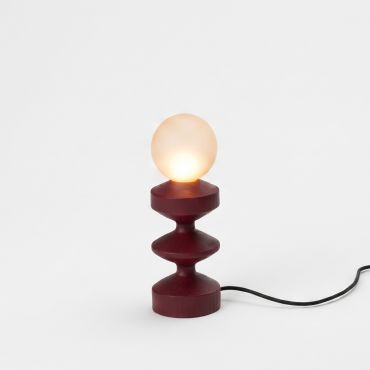
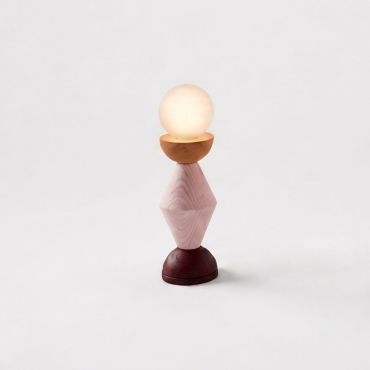
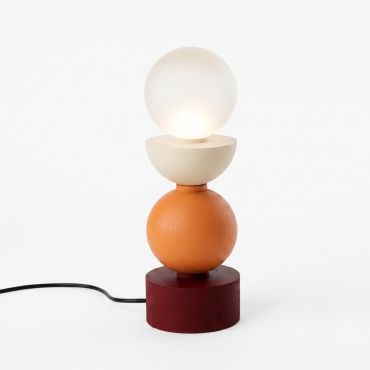
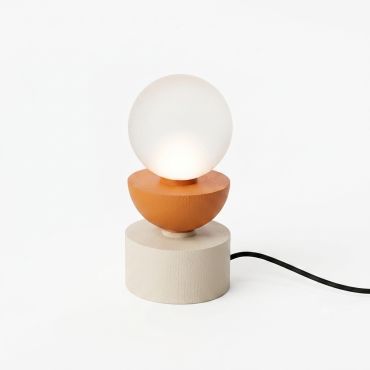
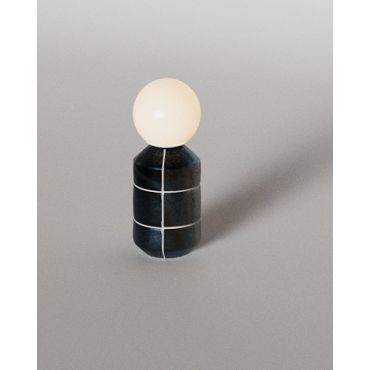
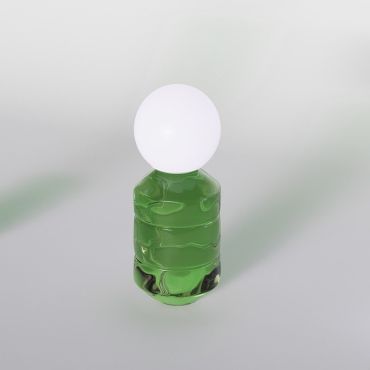
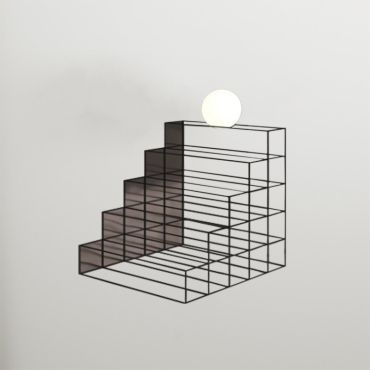
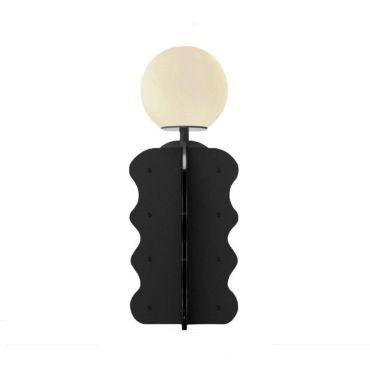
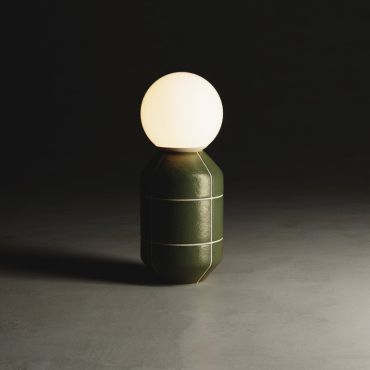
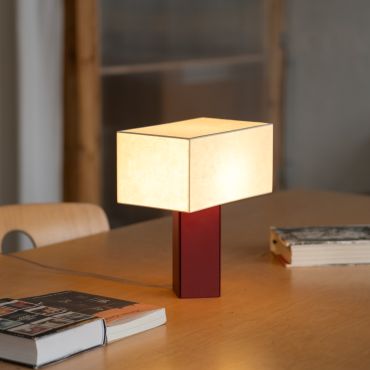
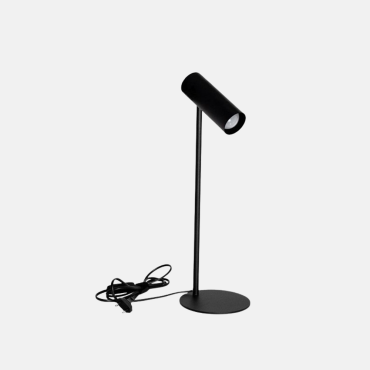
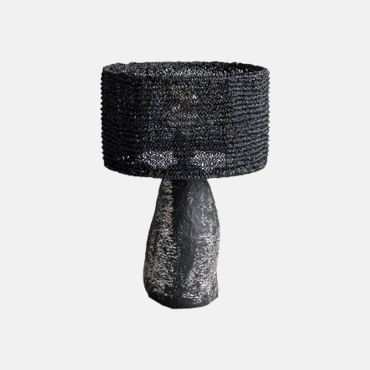
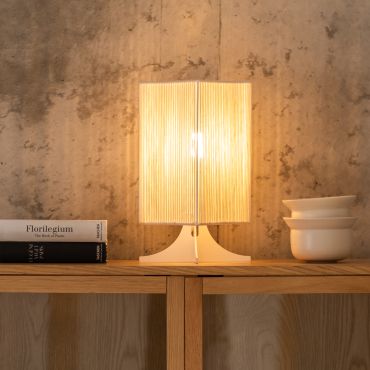
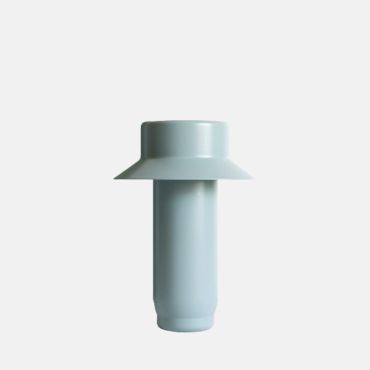
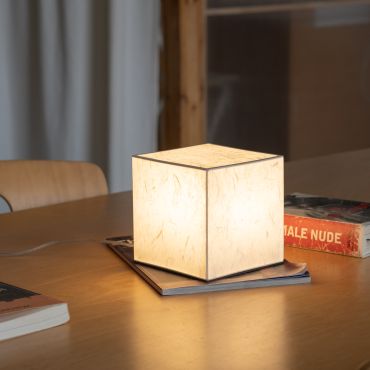
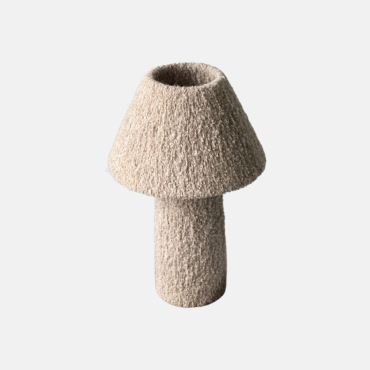
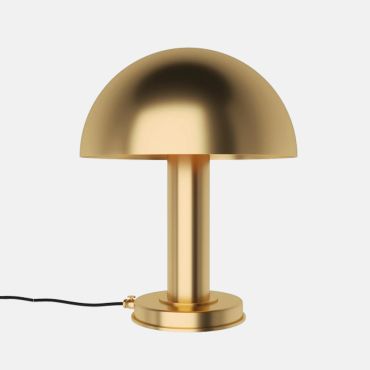
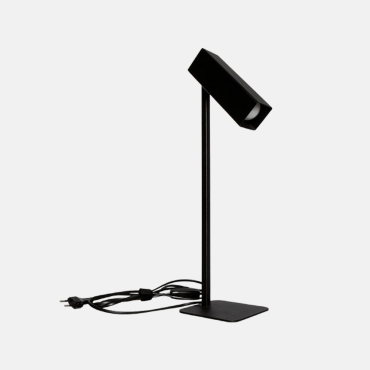
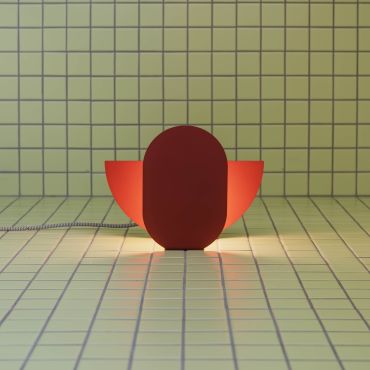
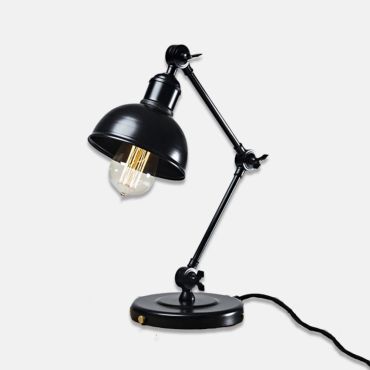

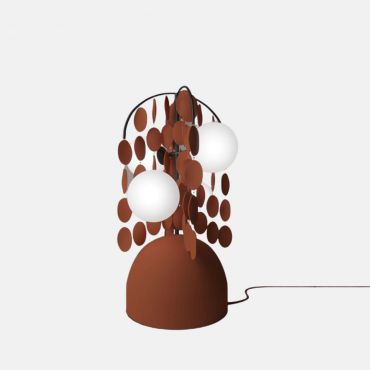
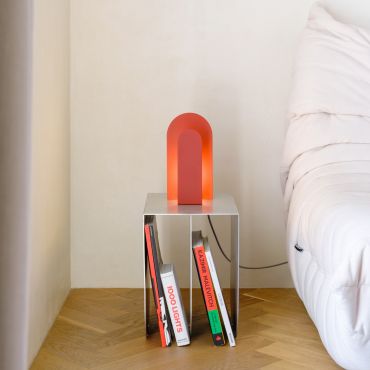
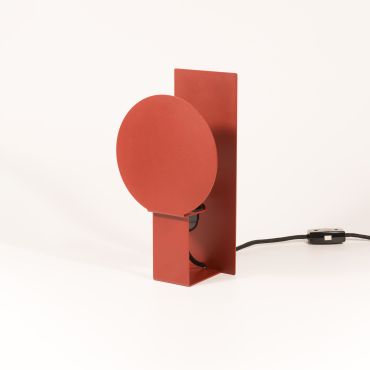
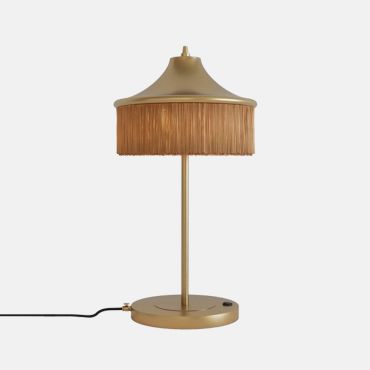
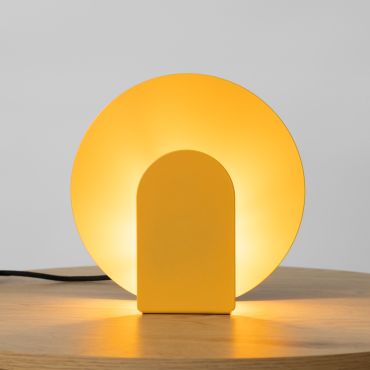
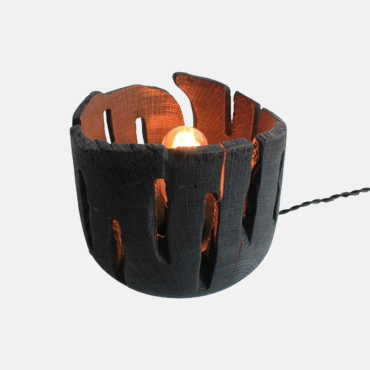
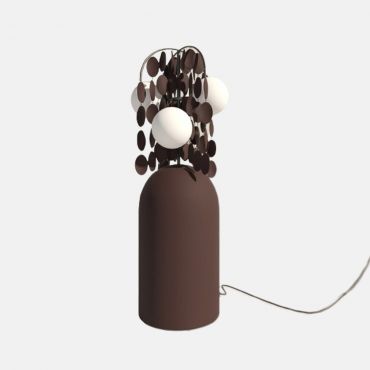

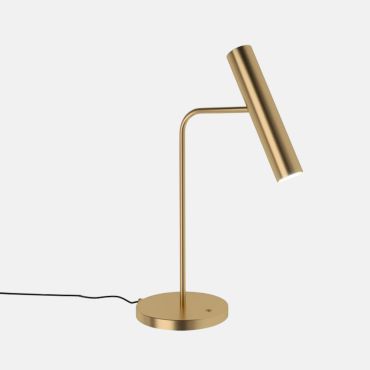
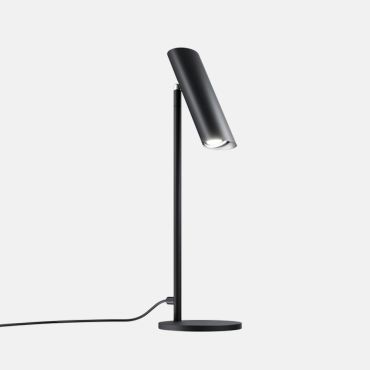
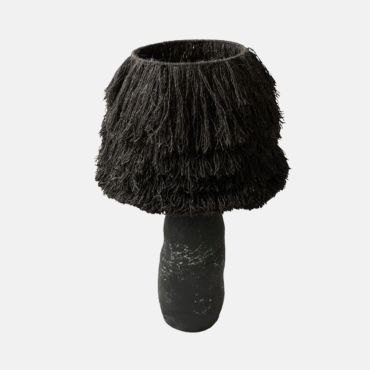
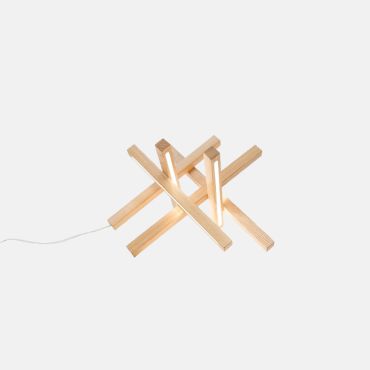
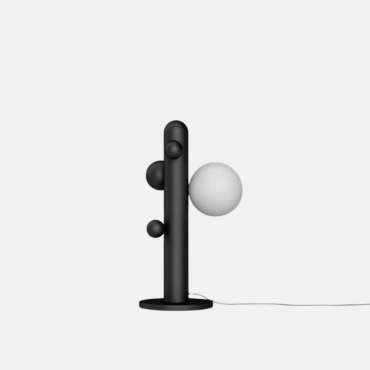
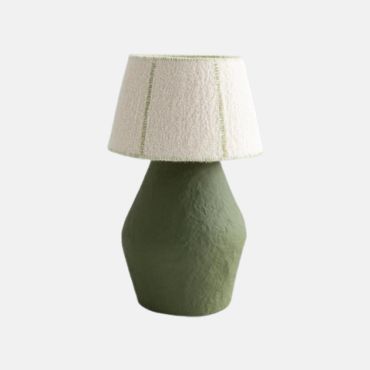

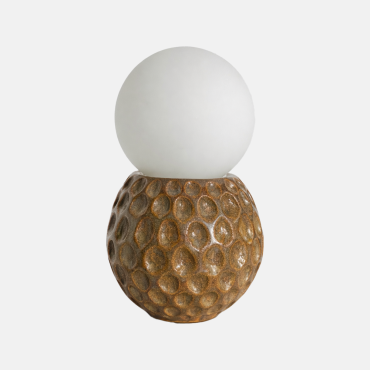
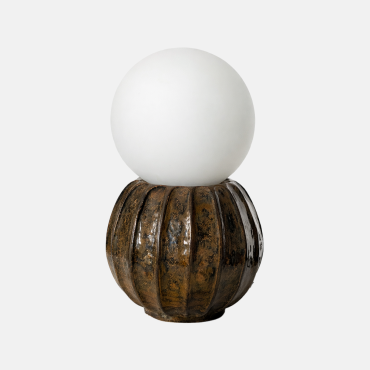
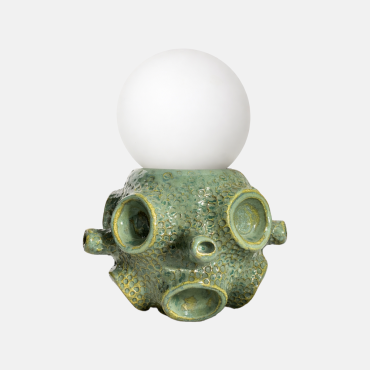
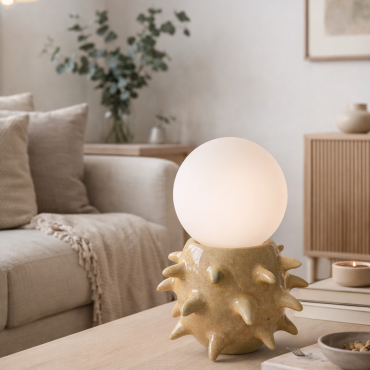
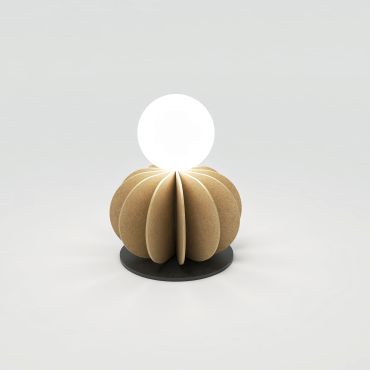
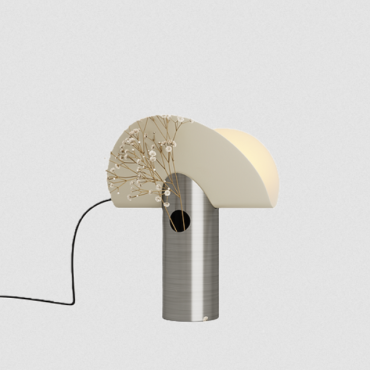
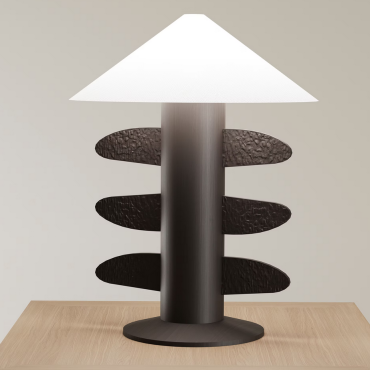
MAIIMO table lamps: modern light for the home
Table lamps work more quietly in an interior than chandeliers or large pendant lights, yet they often make a room feel lived in. They sit by the bed, on a console, on a dresser, on a bedside table, on a small side table or on an open shelf when the goal is not just to light a room, but to create a soft local lighting scenario. At MAIIMO, you can buy table lamps for a home where shape, material, warmth and the feeling of a considered object matter. This category is focused on modern table lamps, designer table lamps and decorative table lamps for bedrooms, living rooms and smaller atmospheric zones.
A table lamp does not always need to be a work lamp. At MAIIMO, this category is more about atmosphere, design and home lighting than technical office lighting. A lamp can stand beside the bed and help you avoid switching on harsh overhead light in the evening. It can warm up a console in the hallway. It can become an accent on a dresser in the living room or add softness to a reading corner. A good table lamp does not argue with the room. It gives the room more depth.
Within the lighting category, table lamps are responsible for the local layer of light. If chandeliers give the room a central source, wall lights work near a bed or mirror, and floor lamps create a soft island of light in a living room, a table lamp adds the most intimate layer. Its light is close to the person, so mistakes are felt quickly: a shade that is too cold, the wrong height or an overly bright diffuser can spoil even a beautiful model.
That is why choosing a table lamp should begin with the place where it will stand. A bedside table needs one logic. A hallway console needs another. A dresser in the living room needs a third. Only after that does it make sense to look at material, color, lampshade, shape and style.
If you plan to buy table lamps online, do not rely only on a beautiful product photo. Table lighting depends on details that are not always obvious at first glance: height, shade diameter, footprint of the base, light color, visual weight and compatibility with nearby furniture. A lamp can look impressive on its own but feel too heavy for a small bedside table or too small on a wide dresser.
At MAIIMO, table lamps should be seen as part of the whole interior lighting scenario. If the room already has wood, ceramics, textiles and natural tones, the lamp can support that calm line. If the space is very restrained, a more sculptural form may work. If the furniture or decor nearby is already expressive, a quieter lamp is often the better choice.
How to choose a table lamp for an interior
To choose a table lamp for an interior, start with a simple question: should it light, decorate or create mood? In a real home, these functions often overlap, but one of them is still primary. If the lamp stands by the bed, soft light and evening comfort matter most. If it sits on a console, it can be more decorative. If it stands on a side table near an armchair, it should give enough light for reading without shining into the eyes.
The first criterion is height. The shade or diffuser should be roughly at eye level when you sit or lie nearby. If the lamp is too tall, the light may glare. If it is too low, it will not spread enough. This is especially important for a bedside table: the lamp should light the area near the bed without feeling like a small spotlight.
The second criterion is scale. A large table lamp on a small table looks heavy. A very small lamp on a wide dresser gets lost. The best proportion is one where the lamp is noticeable, but does not take over the entire surface. If there is a vase, books, a candle or decor nearby, the lamp should leave room for them.
The third criterion is the type of light. For bedrooms and evening zones, warm or neutral-warm light is usually better. For reading, the direction needs to be more precise, but without harsh contrast. For a decorative area, power is less important than the way the lamp lights the texture of a wall, wood, textile or nearby objects.
Material should also be judged with the room, not separately. Wood adds warmth, metal makes the shape more graphic, ceramics feel soft and tactile, glass adds lightness, and a textile shade diffuses the light. If the interior is already visually active, the lamp can be calmer. If the room is minimal, the table lamp can become the small accent that gives the space character without overloading it.
There is also a practical point: a table lamp almost always stands near small everyday objects. On a bedside table, this might be a phone, a book, hand cream, jewelry or glasses. On a dresser, it might be a vase, a candle, a tray or ceramics. On a console, it might be keys, a mirror and a small decorative object. The lamp should not take the whole surface. A beautiful object that is inconvenient every day quickly becomes annoying.
Before buying, it helps to imagine the lamp in two states: switched on and switched off. When on, it gives light, forms shadows and lights the wall or textiles. When off, it remains an object in the room. A good table lamp should work in both scenarios: pleasant in the evening and visually right during the day.
Buy table lamps online: what to check before ordering
Before you buy table lamps online, check not only the style but also the practical parameters. First, height. For a bedside table, medium-height models are often more comfortable because they do not shine directly into the eyes when a person is lying or sitting in bed. For a console or dresser, a taller lamp can work because it becomes a decorative vertical accent.
The second point is the width of the shade or diffuser. If the shade is too wide, it can interfere with objects nearby or visually press down on a small surface. If it is too narrow, the lamp may look out of proportion, especially on a large dresser. In a bedroom, it is better to keep enough space on the bedside table for the things you use every evening.
The third point is the color and material of the base. In a photo on a white background, a lamp can seem neutral, but in an interior the material is always read next to furniture. A wooden base works well with natural textures. Metal can echo furniture handles, table legs or lighting details. Ceramics work well with textiles, soft forms and warm tones.
The fourth point is the switching scenario. In a bedroom, it should be easy to turn the lamp on in the dark. On a console, this is less critical because the lamp is often used as decorative light. On a side table near a sofa, convenience also matters: if the switch is difficult to find, the lamp will be used less often.
Finally, before ordering, be honest about the purpose: is this lamp for reading, for atmosphere or for composition? If it is for reading, look at the direction and sufficiency of light. If it is for atmosphere, the shade, warm tone and soft diffusion matter most. If it is for composition, look at the shape, material and how the lamp supports the furniture around it.
Modern table lamps
Modern table lamps do not have to look cold or technical. For MAIIMO, modern means a clean form, good proportion, honest material and light that does not tire the eyes. Such a lamp can be minimal, sculptural, soft, graphic or almost invisible, but it should feel natural next to modern furniture and decor.
In a modern interior, a table lamp often works like a small architectural detail. It can emphasize the edge of a dresser, add vertical rhythm on a low table, balance an artwork on the wall or create a soft light accent beside the sofa. This is not the kind of object to choose in a rush just to "have light". Because the scale is small, the details are especially visible.
Modern models pair well with natural materials: wood, stone, linen, wool and ceramics. They can support a minimal space or make an interior with straight lines and smooth surfaces feel warmer. If a room feels a little flat, a table lamp often adds volume without renovation or rearranging furniture.
Designer table lamps
Designer table lamps are worth choosing when light should be not just functional, but part of the room's character. In such a lamp, proportion, material, diffusion, base shape, shade or diffuser matter as much as the bulb. It may be calm, but it should still feel like an authored object.
For MAIIMO, a designer table lamp does not have to be complicated. Often the strongest choice is a restrained form that you will not want to replace next season. It is good when a lamp has presence, but does not turn the room into a showroom. At home, objects live beside a cup on the table, a book, a blanket, a phone and a vase. They should not feel detached from daily life.
Ukrainian designers work well with this balance. Local lighting often has a strong sense of material and careful attention to detail. This is especially valuable in table lamps because they stand close to the person. You see them not from a distance, but nearby: at hand level, eye level and evening-light level. Small details genuinely matter here.
Decorative table lamps
Decorative table lamps are needed not only so that "there is light". Their main role is to create a point of warmth, highlight part of a room and add depth to the interior. A decorative lamp can stand on a dresser, console, coffee table, bedside table or open shelf. It works even when the main light is off.
In the evening, a decorative table lamp often does more for the atmosphere than a large chandelier. Overhead light illuminates the room evenly, but sometimes too directly. Local light creates shadows, soft transitions, texture and a more intimate feeling. This is especially visible in living rooms and bedrooms, where the goal is not work brightness, but a calm mood.
Decorative does not mean excessive. A lamp can be simple yet interesting because of its material or proportion. A matte ceramic base, a wooden detail, a quiet shade or an unusual geometry can give the interior more than a complicated decorative object. This approach suits MAIIMO especially well: the piece should be beautiful, but not random.
Table lamps for bedroom
Table lamps for bedroom interiors should be soft, calm and comfortable in the evening. A cold work light or an overly bright beam is not needed here. Bedroom table lamps are best chosen so they help the room move from daytime mode into rest mode: diffused light, a warm tone, a pleasant shade, a stable base and the right height on the bedside table.
A bedroom reveals lighting mistakes very quickly. If the lamp shines directly into the eyes, you will not want to switch it on. If the light is too weak, it becomes decor only. If the form is too large, the table looks overloaded. The best table lamp for bedroom use does not demand too much attention, but makes the evening scenario easier and more pleasant.
For a double bed, two identical lamps can be used if you want symmetry. But this is not the only solution. Sometimes one table lamp on one side and a wall light on the other look more alive, especially if the bedroom is not large or the tables are different. The main thing is that the light temperature is similar and does not create a sharp imbalance.
If there is little space on the bedside table, you can consider pendant lights near the bed or wall lights instead. But when there is room, a table lamp gives a very homely feeling: it can be moved, replaced, paired with a book, vase, candle or small piece of decor.
In the bedroom, a table lamp also helps zone the space without renovation. If the bed is not centered, or if there is a dresser, armchair or dressing table nearby, light can gather these pieces into one calmer scenario. Sometimes one lamp on a table is enough to make a room feel less randomly assembled.
For a small bedroom, it is better not to choose an overly complex model. In a limited space, the lamp becomes noticeable quickly, and an excessive form can be tiring. Simple silhouettes, natural materials, shades without harsh shine and warm light usually work well. In a larger bedroom, you can allow more scale or a pair of lamps that create symmetry beside the bed.
Bedside table lamp
A table lamp for a bedside table should be proportional to the bed, the table and the height of the mattress. If the bed is low, a very tall lamp may feel foreign. If the table is high, a small model may disappear. The best result is when the light falls near the bed, not directly into the face.
For a bedside table, a stable base is important. The lamp is often switched on by hand in semi-darkness, and books, glasses, a phone or a glass of water may be nearby. So the model should be not only beautiful, but also convenient every day. Decoration should not interfere with the simple act of turning on the light before sleep.
A shade or diffuser is usually better in a bedroom than an exposed light source. It softens the beam and makes the lamp more pleasant. If the shade is textile or matte, the light feels warmer. If the diffuser is glass, it is worth checking whether the bulb will glare from certain angles.
Another detail is the relationship between the lamp and the headboard. If the headboard is high and soft, a very small lamp may look accidental. If the bed is low and minimal, a massive lamp may take too much attention. A bedside table lamp should support the rhythm of the bedroom rather than compete with the bed.
If there are two bedside tables, you do not have to buy perfectly identical lamps. For classic symmetry, it is a good solution. But modern interiors often feel more alive when one side has a table lamp and the other has a wall light or pendant. The balance of height, light temperature and materials matters more than perfect matching.
Table lamps for atmosphere, not only for work
Table lamps for atmosphere are the direction that fits MAIIMO best. This is not about a cold office task lamp, a technical clamp model or professional beauty lighting. It is about an object that helps a room feel warmer, more composed and more personal.
In a living room, such a lamp can stand on a cabinet near the sofa, on a dresser or on a side table. It does not replace a floor lamp, but it can work with one. For example, floor lamps give light near an armchair or sofa, while a table lamp creates a lower, softer layer on furniture. Together, they make the room feel less flat.
On a console or dresser, a table lamp often works as part of a composition. A mirror, artwork, vase, books or ceramics may stand nearby. The light highlights these objects and gives the space depth. In this scenario, the lamp does not need to be very bright. It matters more that it glows beautifully around itself.
In a bedroom, a table lamp changes the tempo. It lets you avoid overhead light when you want calm. In a hallway, it can greet you with warm evening light. In a guest room, it makes the space feel more considered. It is a small object, but it changes how the room feels.
That is why a table lamp should not be evaluated only as "needed or not". In many interiors, it becomes the object that is switched on every day, even if it was first bought "for beauty". Overhead light is often too direct for evening. A table lamp gives light at a human scale: not above the head, but nearby.
For MAIIMO, this is an important point because decorative lighting works naturally with furniture and decor by Ukrainian brands. A table lamp can support a wooden table, textured textile, ceramic vase, mirror or bed with a soft headboard. It quietly connects objects to each other without making a loud statement.
Table lamps with shade
Table lamps with shade are worth choosing when you need soft diffused light and a warmer atmosphere. A shade hides the light source, reduces sharpness and makes the lamp feel more interior-focused. For a bedroom, living room, console or dresser, this is often the most comfortable option.
The shade can be textile, paper, combined or made from another material that diffuses light well. Color matters. A light shade gives more light, while a darker shade creates a more intimate effect. A warm fabric tone can change the feel of a lamp even when the light source itself is neutral.
If the assortment includes models with shades, they should be seen as decorative and bedroom lighting, not as technical task lamps. These table lamps work best where you want comfort rather than maximum brightness.
Materials and design of table lamps
Materials in table lamps are seen up close, so they matter more than they may seem. A chandelier is often perceived from a distance, but a table lamp is next to you: you touch the switch, move it, place a book or cup nearby. Texture, color and detail quality are especially important here.
Wood gives the lamp a warm natural character. If the room has a wooden bed, tables, desk or dresser, such a lamp can support the material. In this case, it is also worth looking at wooden lights if you want the lighting to follow one natural logic.
Metal makes a table lamp sharper. Black metal adds graphic clarity, brass or bronze adds warmth, and light metal adds air. A metal lamp works well in modern interiors, but it is worth balancing it with textile, wood or soft light so the room does not become cold.
Ceramics and glass create a different effect. A ceramic base can feel almost like a decorative object, especially on a dresser or console. Glass adds lightness, but requires careful choice of bulb and diffusion. Textile makes light softer and often suits bedrooms best.
The color of the lamp should either support the interior or create a deliberate contrast. If the room has many warm natural tones, the lamp can stay in the same range. If the interior is very calm, a shape or color can become a small accent. But random contrast is best avoided: a table lamp stands close, so a stylistic mistake will be visible.
It is also worth thinking about matte and glossy surfaces. If the room already has a lot of shine, a glossy lamp can make the space too active. If the interior is matte and calm, a slight metal or glass shine can add the right detail. In bedrooms, softer textures usually work better: textile, wood, matte ceramics and muted metal.
The design of a table lamp should match not only the style, but also the tempo of the room. A bedroom has a slower tempo, so the form can be warmer and softer. In a living room, a more expressive model can work. In a hallway, the lamp can become a small decorative sign: modest in size, but immediately setting the feeling of the home.
How to choose the size of a table lamp
The size of a table lamp often matters more than the style. Even a beautiful model can look wrong if the scale does not fit the furniture. A small bedside table needs a compact lamp with a shade that is not too wide. A large dresser needs a taller or more expressive model that will not get lost on the surface.
A simple guideline helps: the lamp should be visible, but not take more than about one third of the usable surface. This is not a strict formula, just a practical reference. If there is no room for a book and phone after the lamp is placed on the table, the model is too large. If it looks like an accidental trinket on a wide dresser, it is too small.
Height should be checked in relation to the person. Near the bed, the lamp should light beside you, not into your eyes. Near an armchair, it should help with reading or create a light spot on the table. On a console, it should add vertical rhythm and light the wall. The same table lamp can be excellent for a dresser and wrong for a low bedside table.
If you are choosing between two sizes, look at the room as a whole. In a spacious room, very small light gets lost. In a compact room, a large lamp can feel heavy. A good lamp supports the proportions of the furniture without copying them too literally. This is where an interior begins to feel considered.
What light to choose for a table lamp
The light for a table lamp should match the scenario. For a bedroom, bedside table, console or decorative zone, warm or neutral-warm light is usually best. It will not make the room yellow if chosen well, but it removes the coldness and sharpness that often interfere with evening rest.
For reading, not only temperature but direction matters. If the lamp has a shade, light should fall downward and a little around, without exposing the bulb directly to the eyes. If the diffuser is open, shape and height need extra attention. In a bedroom, an exposed light source can become tiring quickly.
For a decorative scenario, power is not always the main thing. Sometimes a weaker light that beautifully washes the wall is better than a bright lamp you want to switch off after ten minutes. A table lamp should not make the room as bright as a daytime kitchen. Its job is to add a calm local layer.
If the room has several light sources, keep them in a similar temperature. A warm table lamp next to a cold wall light will feel accidental. The same applies to a chandelier, pendant or floor lamp. You do not need to buy everything from one collection, but the light should feel coordinated.
What to combine a table lamp with
A table lamp is best understood as part of a lighting system. It should not replace all other light sources in the room. Its role is to create a local scenario: near the bed, on a table, beside an armchair, on a console or dresser. General light can come from a chandelier, ceiling light or pendant.
In a bedroom, a table lamp pairs well with wall lights. For example, one side of the bed can have a lamp and the other a wall light. This is convenient when the room is small or the bedside tables are different sizes. If you want symmetry, two similar table lamps work well. If you want a more natural composition, you can combine different sources, but keep the same light temperature.
In a living room, a table lamp works well with a floor lamp. The floor lamp lights the seating area, while the table lamp adds a lower light layer on furniture. If the room has a large chandelier, a table lamp makes the evening scenario softer when you do not want to use overhead light.
For rooms that need even basic light, you can add ceiling lights. For modern spaces with several zones, track lights work well. The table lamp then remains not technical, but atmospheric light that finishes the interior.
If a table lamp stands near a writing desk, it can be naturally connected with work furniture. But for MAIIMO, it is important not to turn this category into an office lamp page. If light is needed for a home working corner, it is better to speak about a comfortable desk, a soft interior and local light rather than a purely office function. In that context, writing desks are relevant, but only as part of the home environment.
Where a table lamp looks best
The most obvious place is the bedside table. Here, a table lamp should be convenient, not too large and soft enough. It creates an evening scenario, helps with reading a few pages before sleep, lights the table and makes the bedroom feel finished.
The second place is a console in a hallway or corridor. A small table lamp on a console creates a very warm first impression of the home. It does not have to be the main light. In fact, it is better when the light is soft and decorative. Such a lamp works well beside a mirror, vase, key tray or small artwork.
The third place is a dresser in a bedroom or living room. Here, the lamp can be part of a decorative composition. If there is artwork or a mirror above the dresser, light from below adds depth. If the dresser stands against a wall, the lamp lights the vertical surface beautifully and makes the room feel less flat.
The fourth place is a side table or coffee table near a sofa. In this case, the lamp should be lower and softer than a floor lamp. It does not replace general light, but creates a cozy island in the seating area. This works especially well in the evening, when you want to switch off overhead lighting.
Common mistakes when choosing a table lamp
The first mistake is choosing only by appearance. A table lamp can be beautiful but inconvenient: too bright, unstable, too large for a bedside table or too small for a dresser. Before buying, imagine it not on a white background, but in the exact place where it will stand.
The second mistake is ignoring height. If the lamp stands near the bed, the light source should not shine directly into the eyes. If it stands on a console, it can be taller and more decorative. If it is near an armchair, the light should fall where you read or hold a book.
The third mistake is choosing light that is too cold. In decorative home lamps, a cold tone often feels foreign. It may be appropriate for technical tasks, but not for a bedroom, bedside table or evening living room. For the MAIIMO aesthetic, warm soft light works better.
The fourth mistake is ignoring the surface where the lamp will stand. A small bedside table needs compactness. A large dresser needs scale. A console needs stability and decorativeness. The lamp should suit not only the room, but also the specific piece of furniture.
The fifth mistake is buying a table lamp separately from the whole lighting system. If the room already has a chandelier, wall light or floor lamp, the new lamp should support them stylistically. It does not need to be from the same series. Repeating the material, metal color, wood tone, diffuser shape or general mood is often enough.
FAQ about table lamps
What table lamps are best for a bedroom?
Table lamps for bedroom interiors are best with warm diffused light, a stable base and a form that does not overload the bedside table. For a bedroom, softness, correct height and evening comfort matter most. If you need a cozy lighting scenario near the bed, bedroom table lamps often work better than one bright overhead light.
How are decorative table lamps different from regular lamps?
Decorative table lamps work more for atmosphere and interior composition than for technical lighting. They can stand on a dresser, console, bedside table or side table and create a soft point of light. In these lamps, material, shape, shade, light color and how they look when switched off are all important.
How do you choose a modern table lamp?
To choose modern table lamps, look at proportion, material and light quality. The lamp should suit its place: one height for a bedside table, another for a console, another for a dresser. A modern table lamp does not have to be very loud. A clean form that does not age quickly often works best.
Is it worth buying table lamps for bedside tables?
Yes, it is worth choosing table lamps for bedside tables if you want soft light near the bed without switching on a chandelier. A bedside table lamp is convenient for evenings, reading, calm light before sleep and creating a warmer bedroom atmosphere.
How do you combine a table lamp with wall lights or floor lamps?
A table lamp combines well with wall lights or floor lamps when all sources have a similar light mood. In a bedroom, a table lamp can work with a wall light near the bed. In a living room, it can work with a floor lamp, creating a lower and softer lighting level. The light should not conflict in temperature or style.
What designer table lamps suit a modern interior?
Designer table lamps for a modern interior should be proportional, calm in form and strong in material. Models with wood, metal, ceramics, glass or a textile shade work well. If the interior is minimal, the lamp can be an accent. If the room already has many details, a more restrained model is usually better.
Where should a decorative table lamp be placed?
A decorative table lamp is best placed where a warm light point is needed: on a bedside table, console, dresser, side table or shelf. It should not be the only source of light in the room, but it can make the evening scenario much softer.
Do you need two identical table lamps in a bedroom?
Two identical table lamps for bedroom use are helpful when you want symmetry on both sides of the bed. But this is not a rule. You can combine one table lamp with a wall light or choose different light sources if they share temperature, material or mood. The main thing is that the bedroom remains calm and comfortable.