Dining chairs
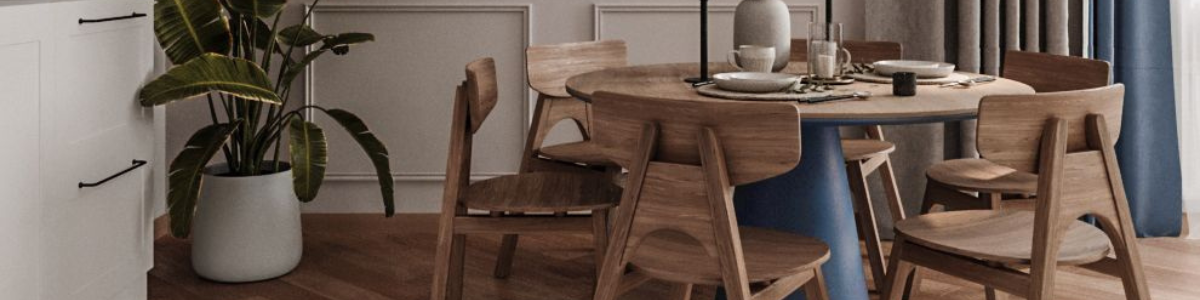
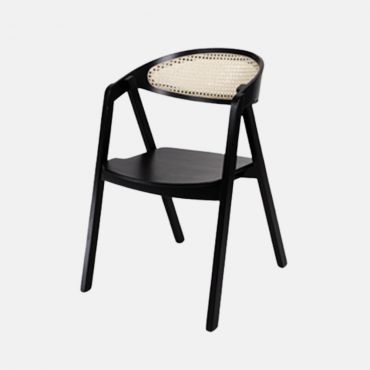
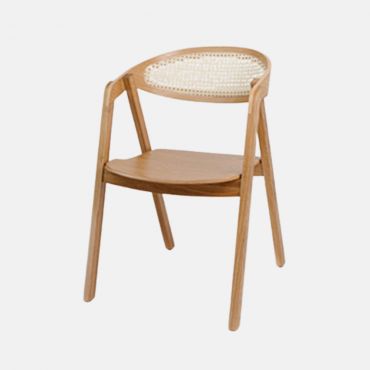
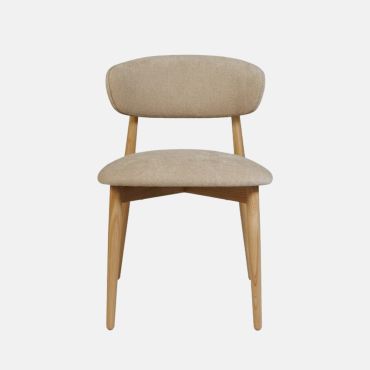
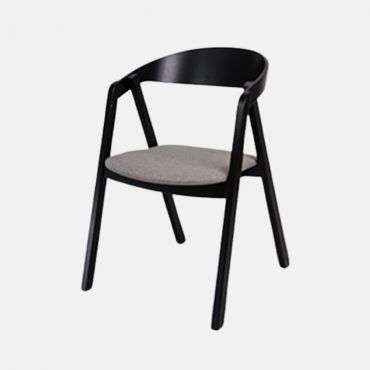
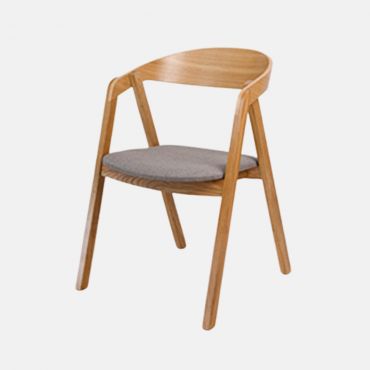
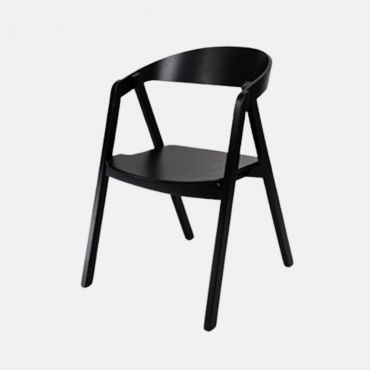
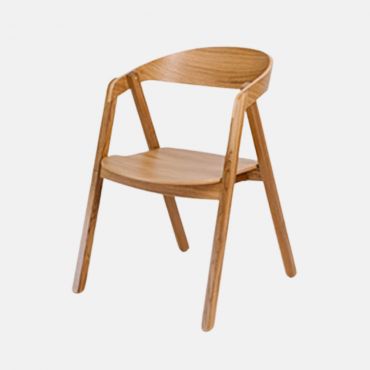
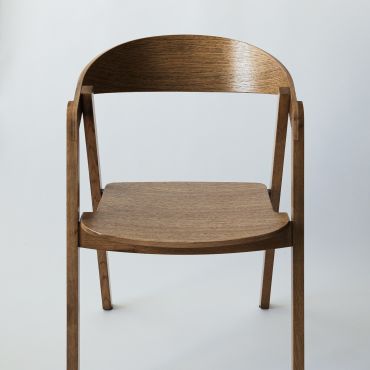
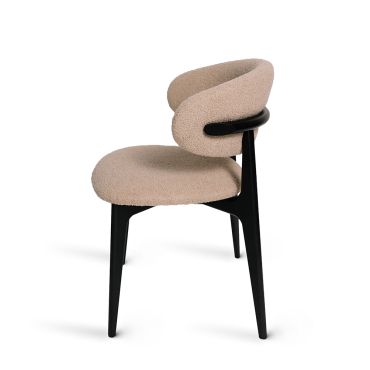
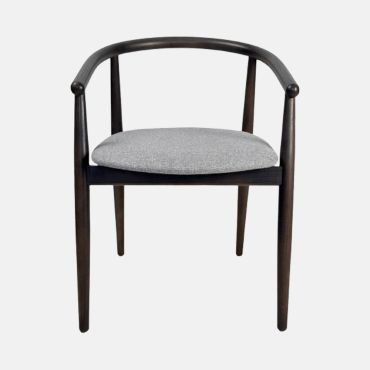
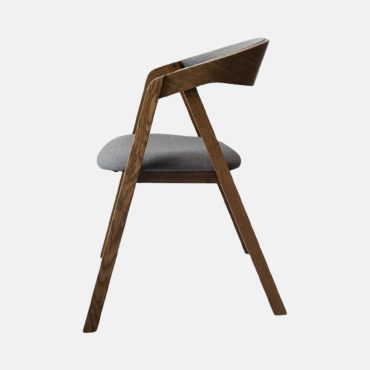
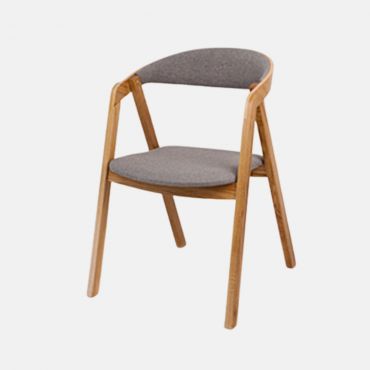
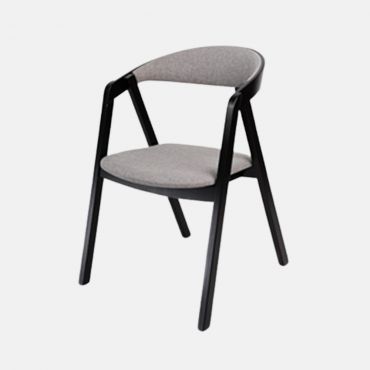
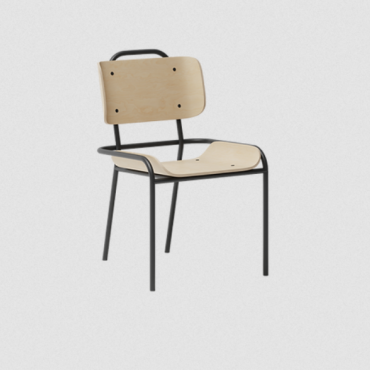
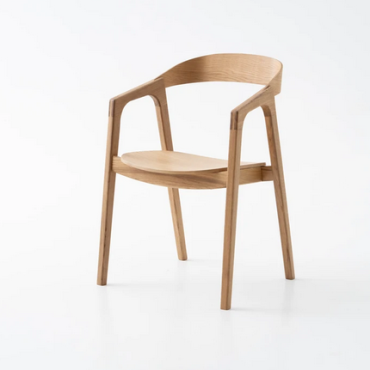
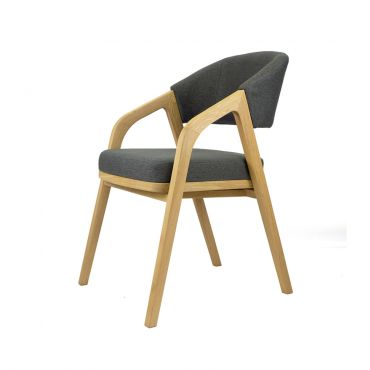
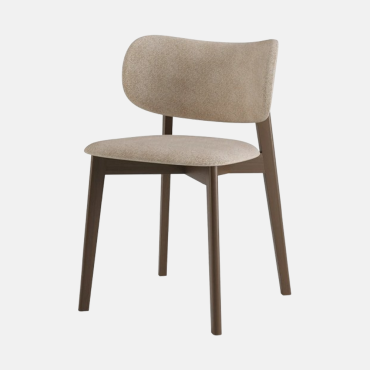
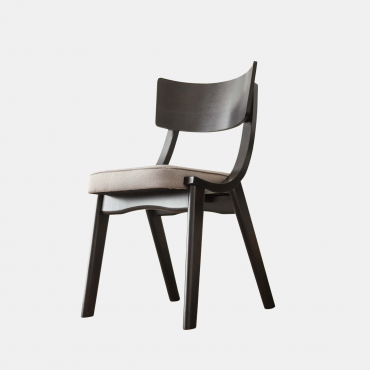
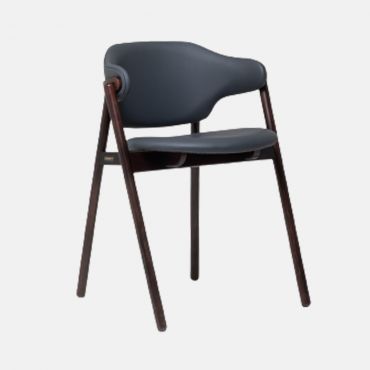
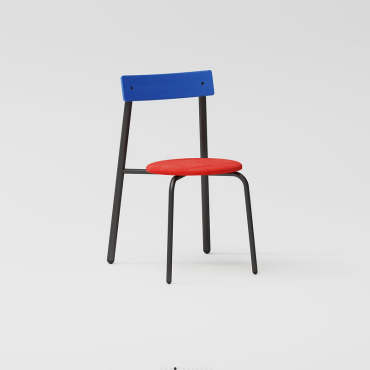
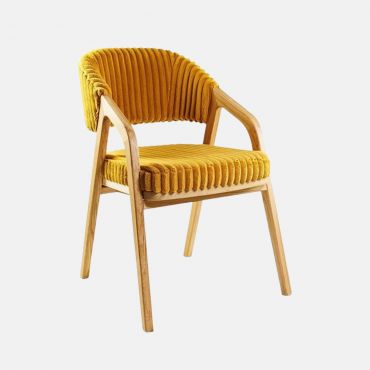
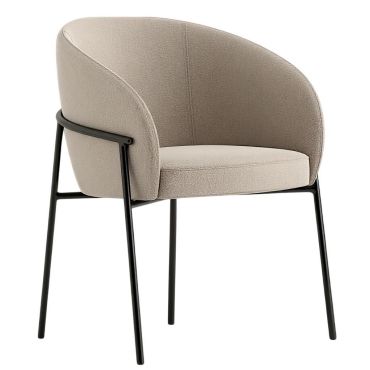
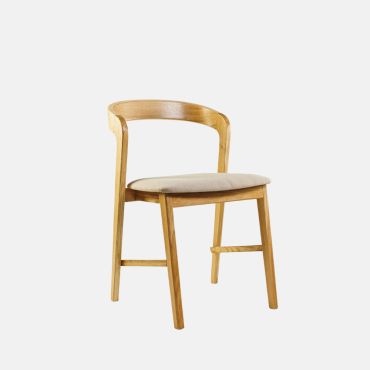
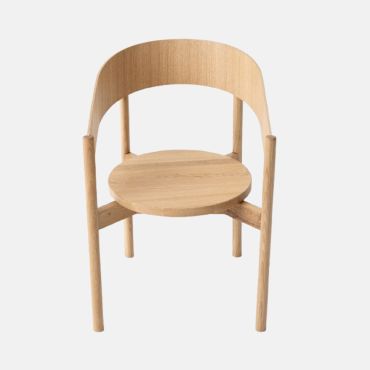
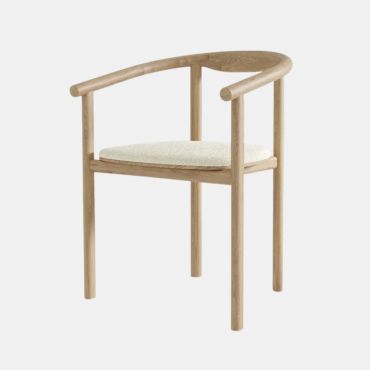
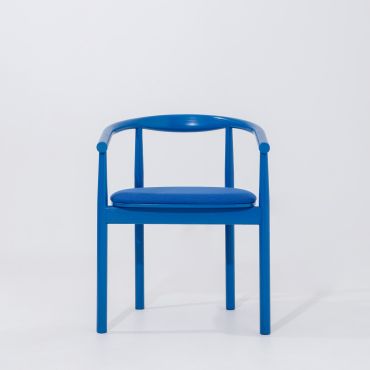
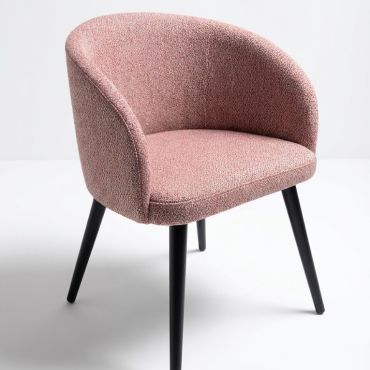
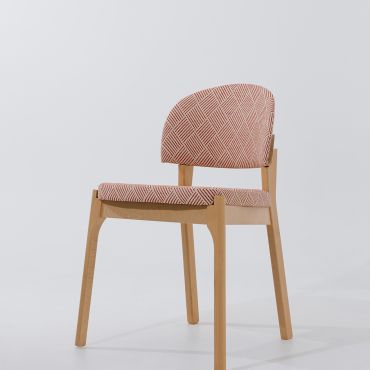
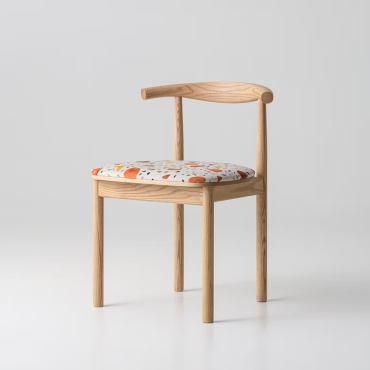
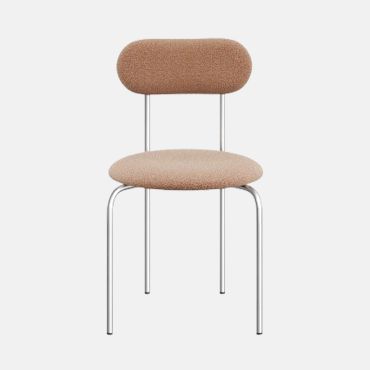
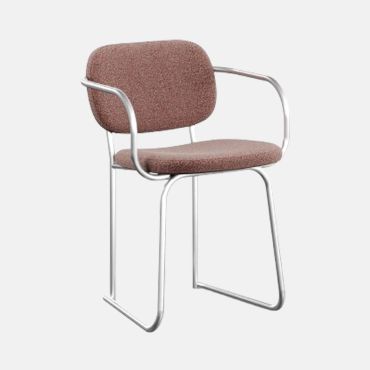
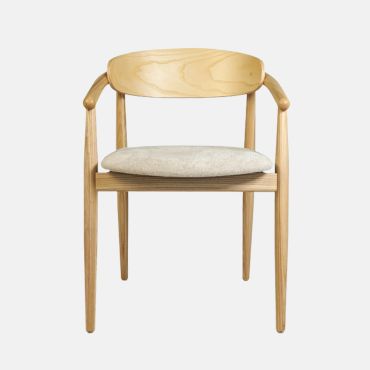
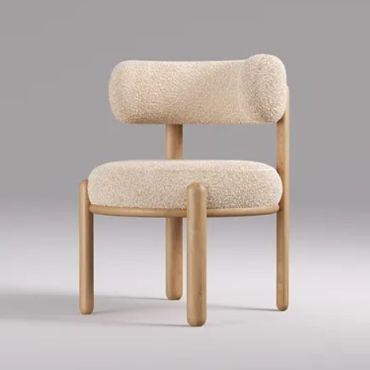
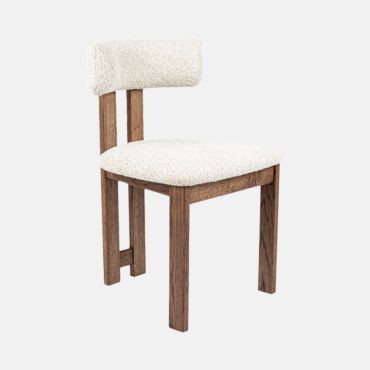
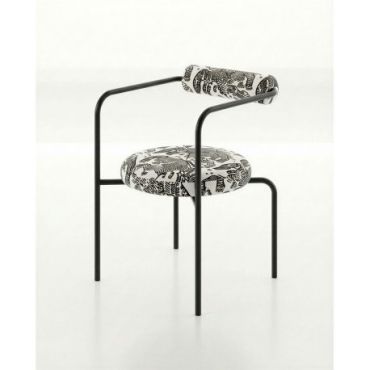
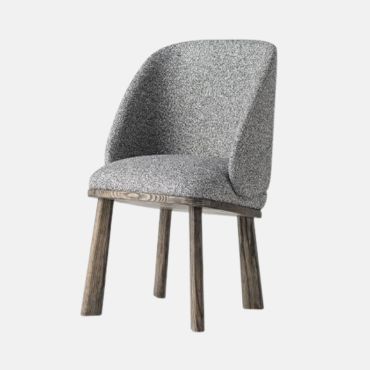
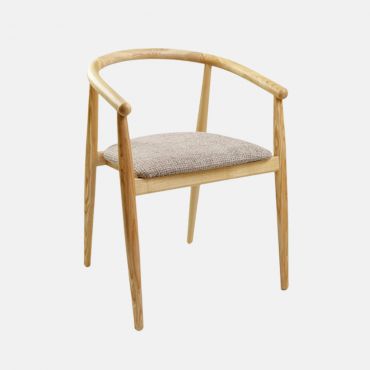
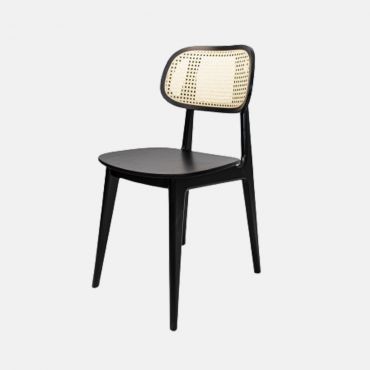
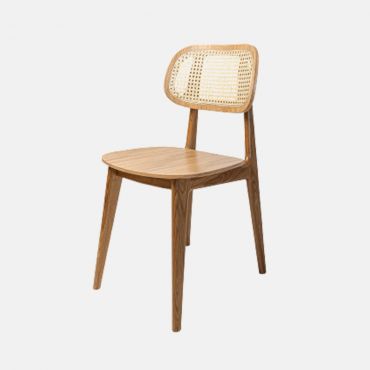
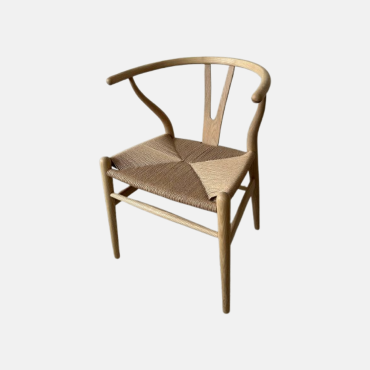
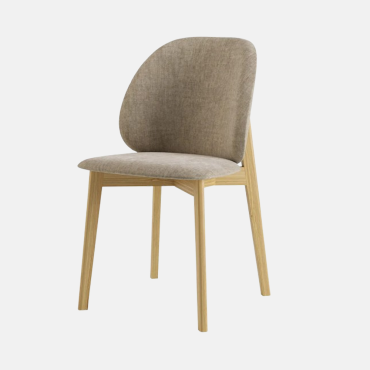
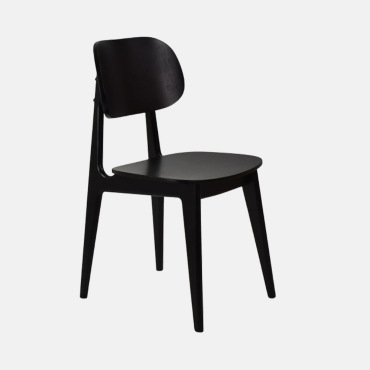
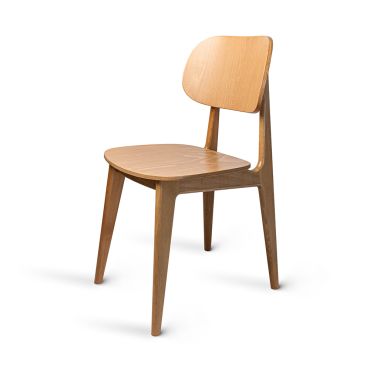
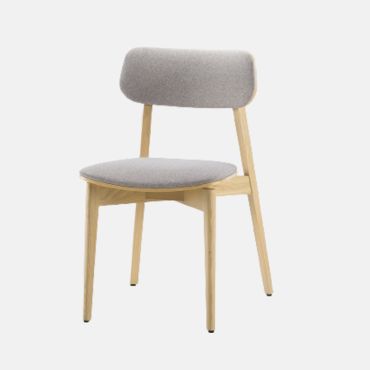
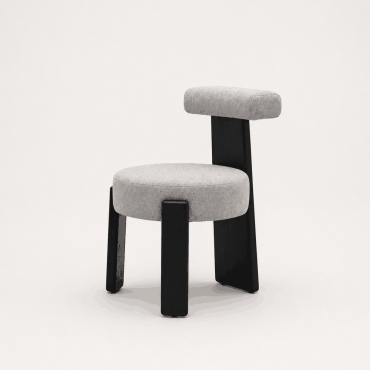
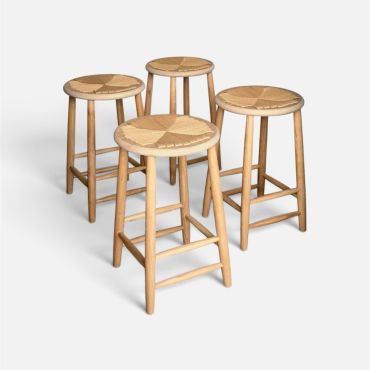
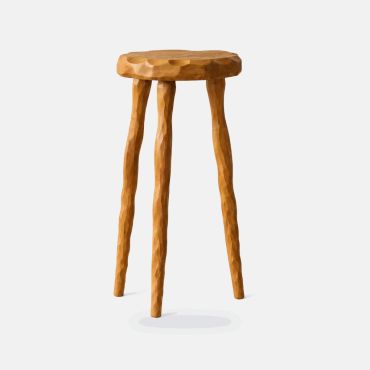
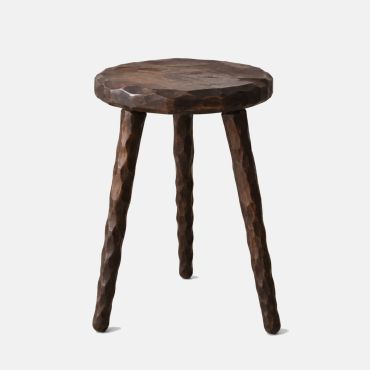
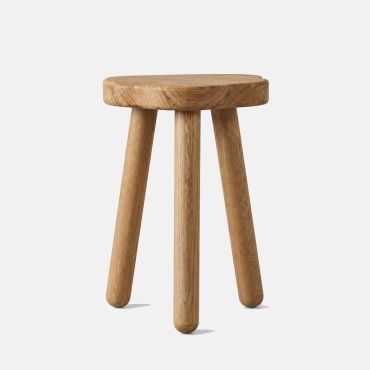
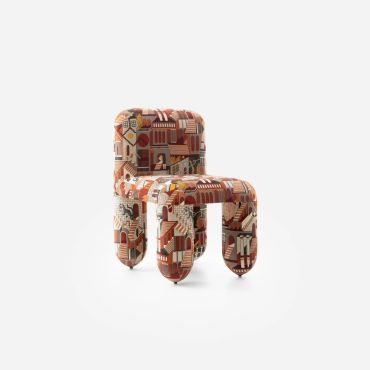
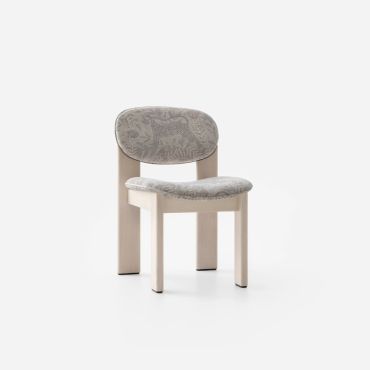
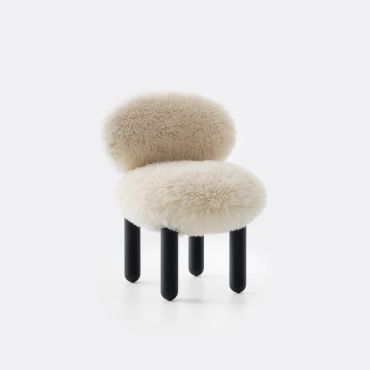
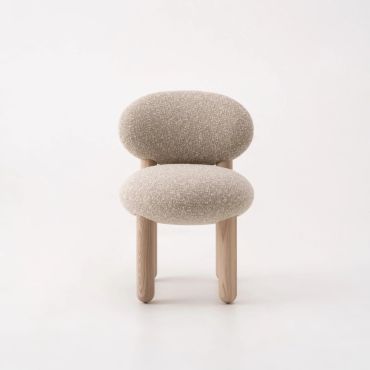
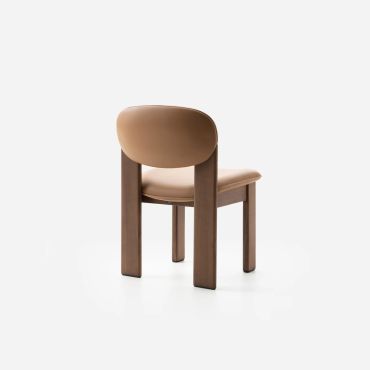
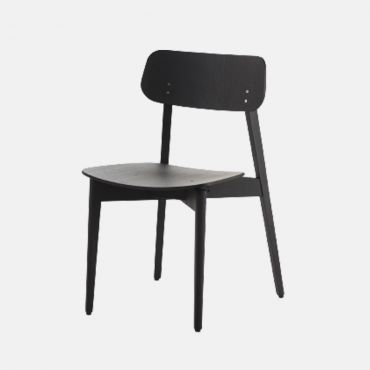
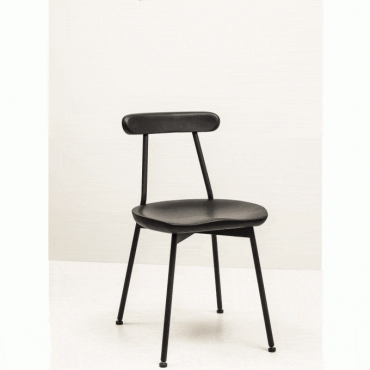
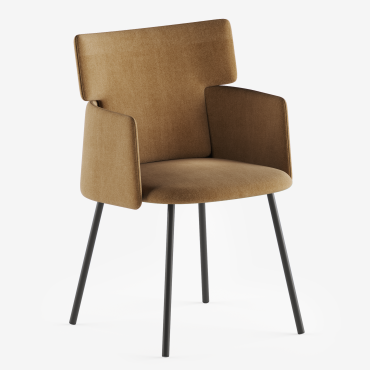
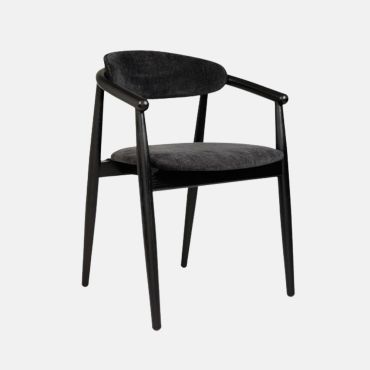
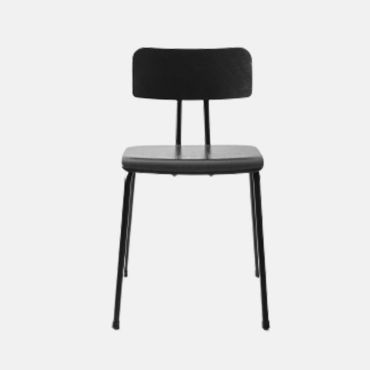
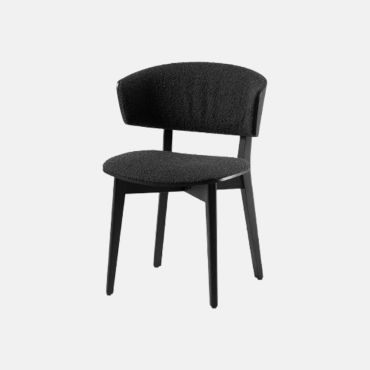
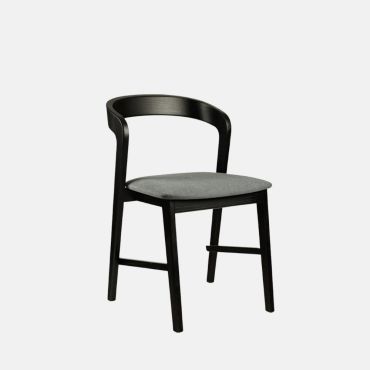
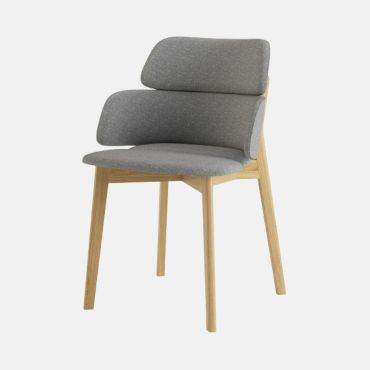
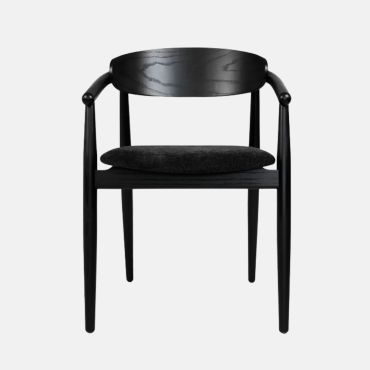
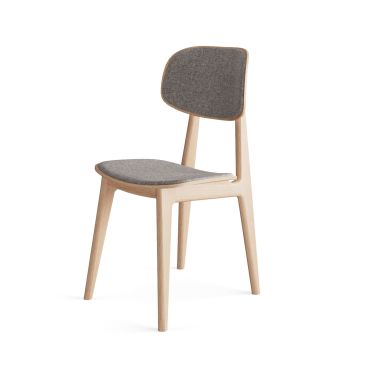
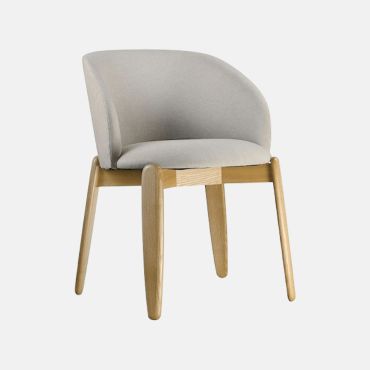
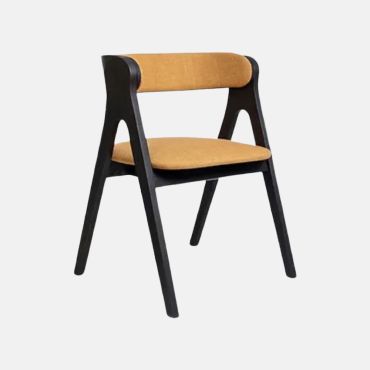
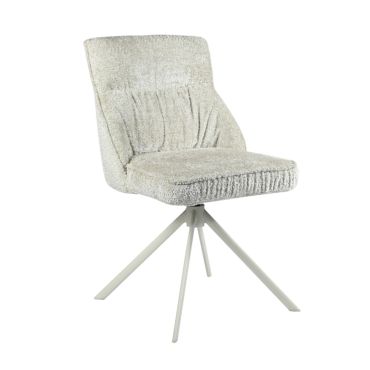
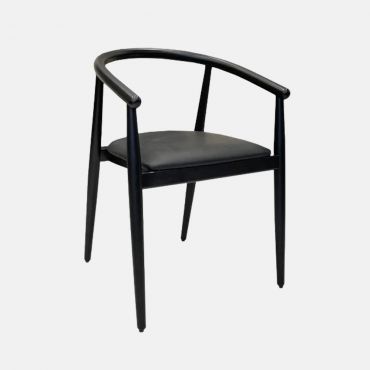
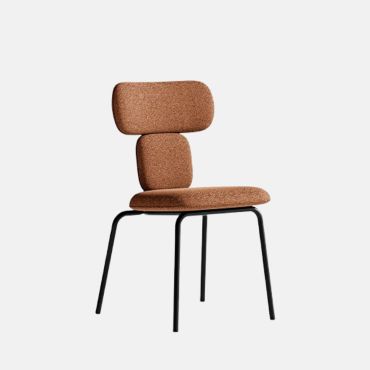
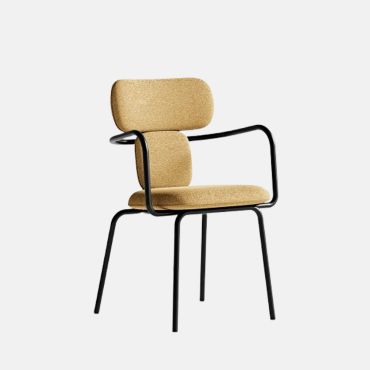
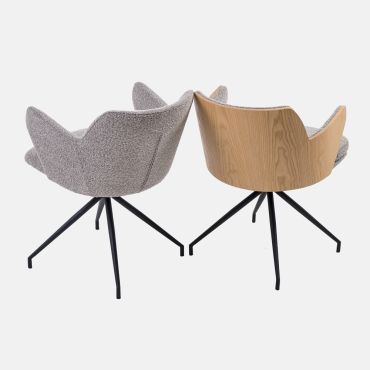
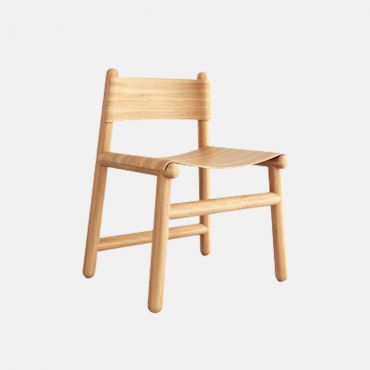
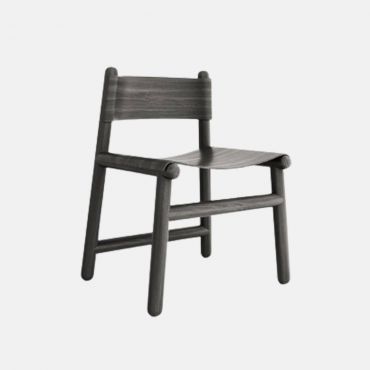
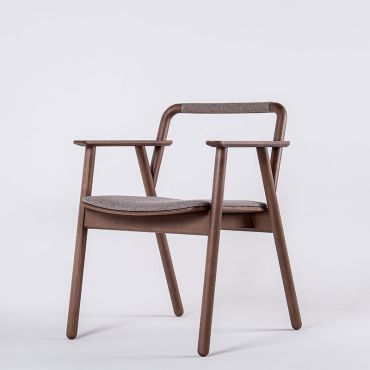
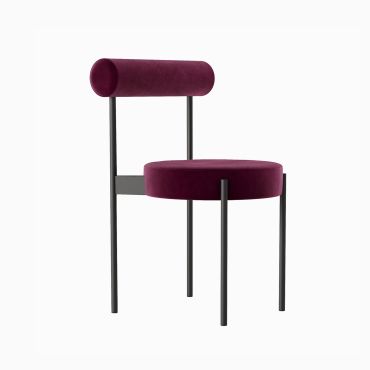
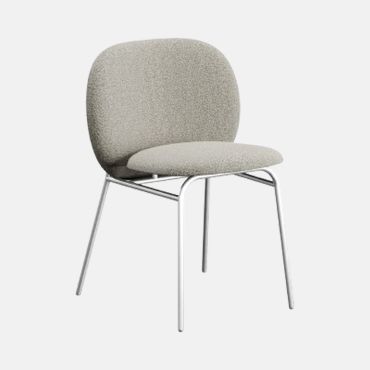
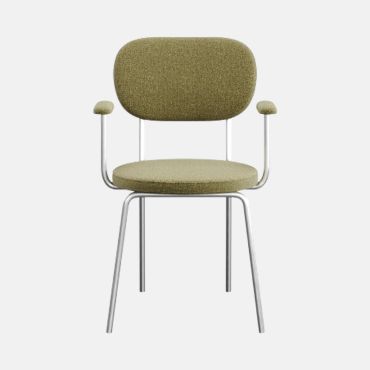
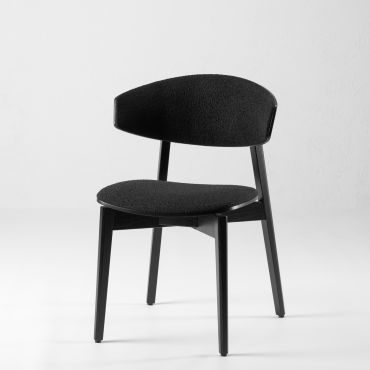
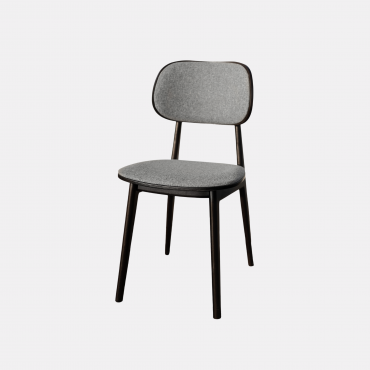
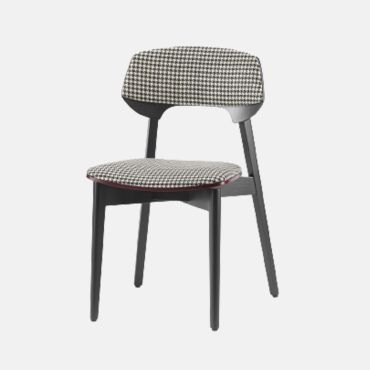
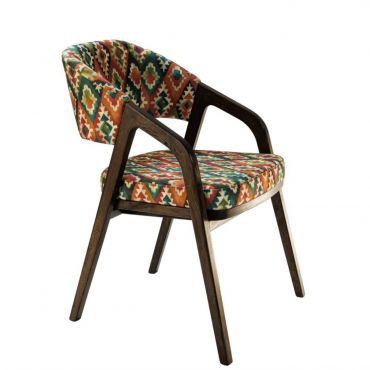
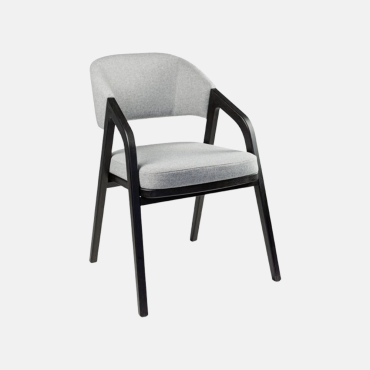
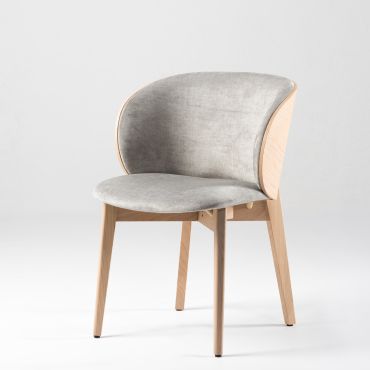
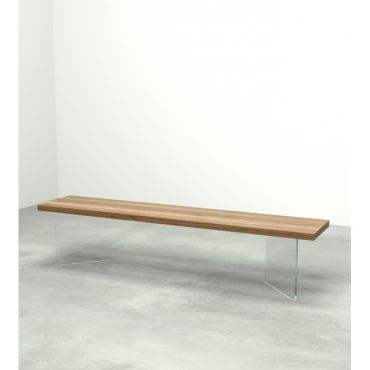
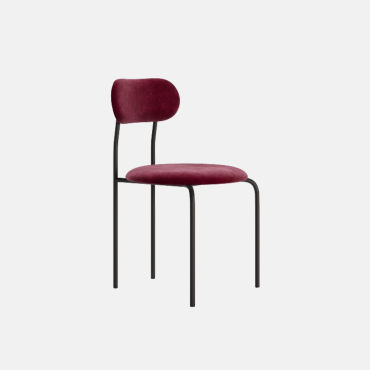
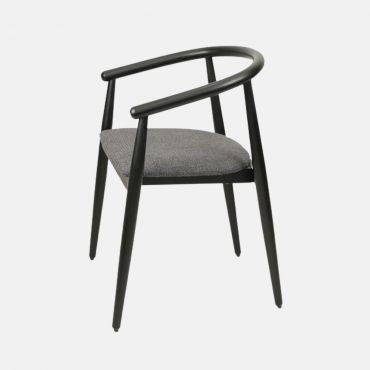
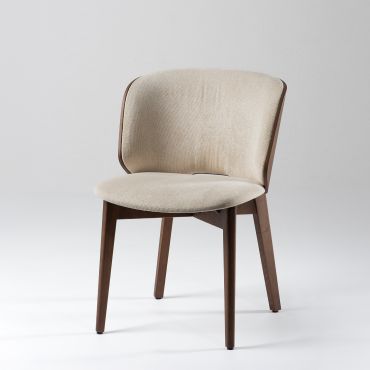
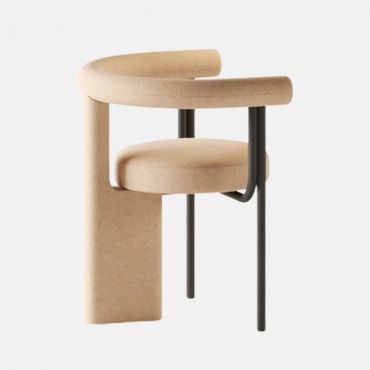
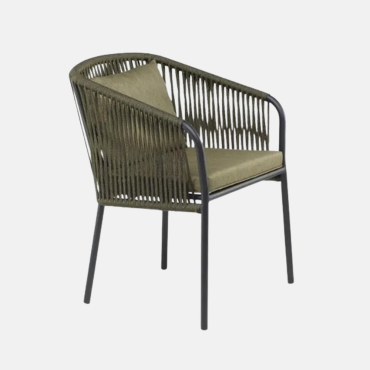
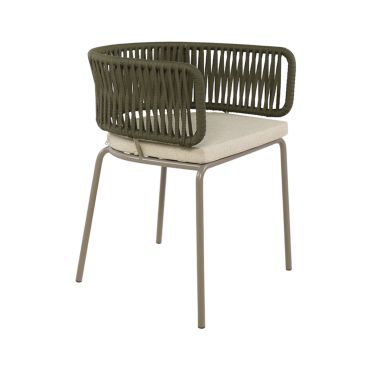
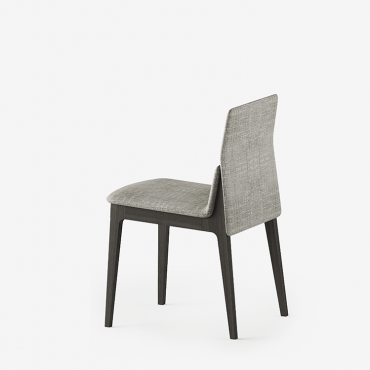
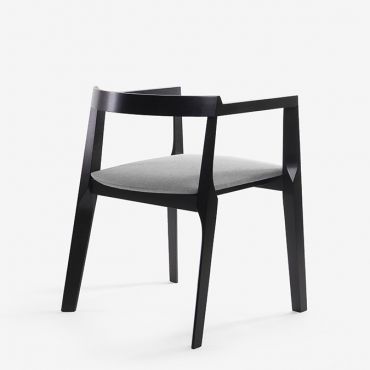
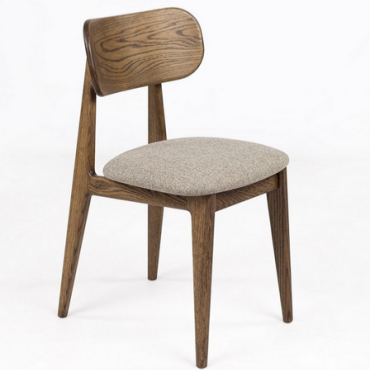
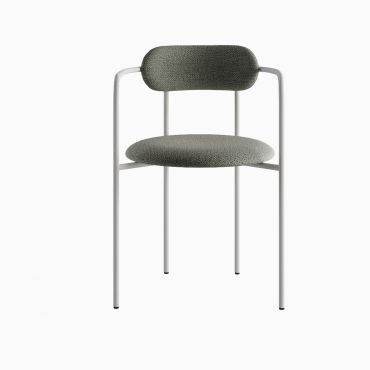
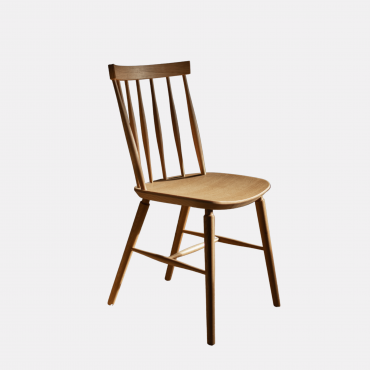
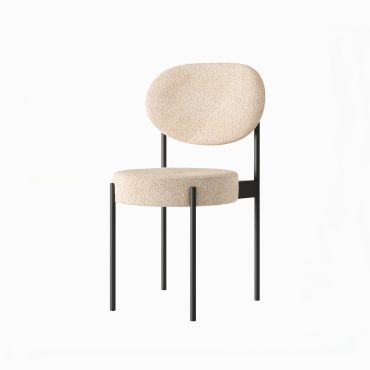
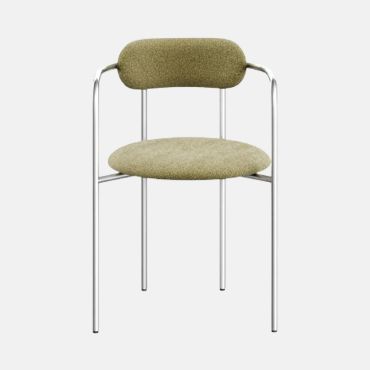
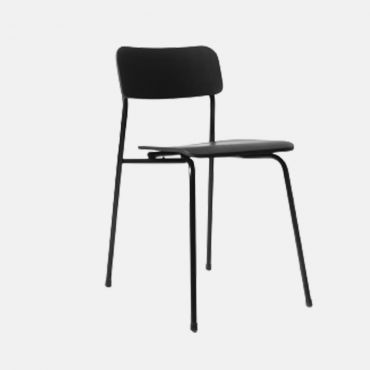
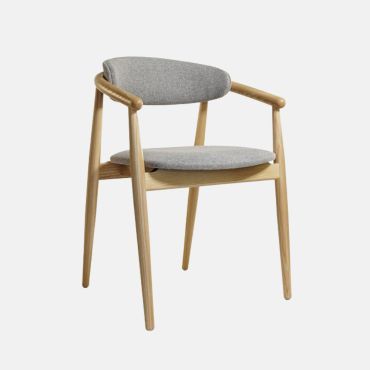
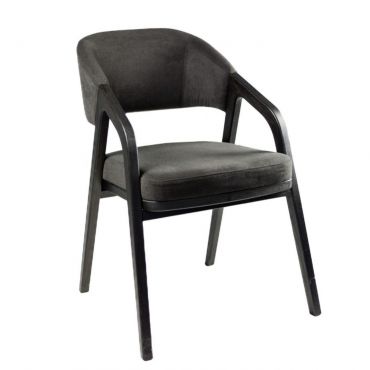
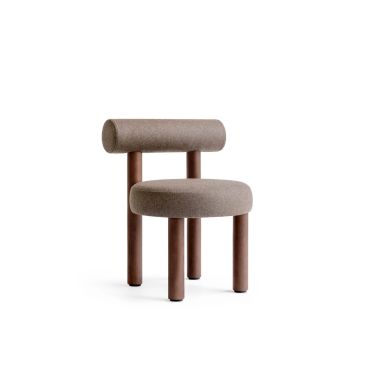
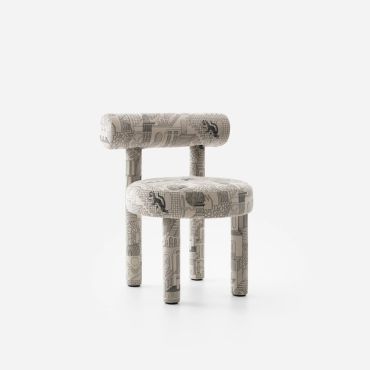
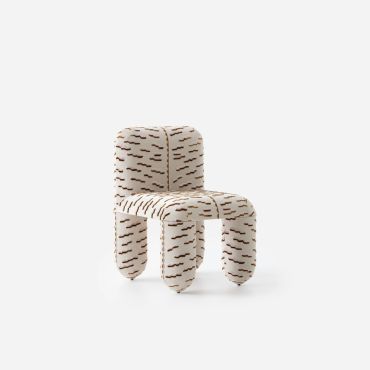
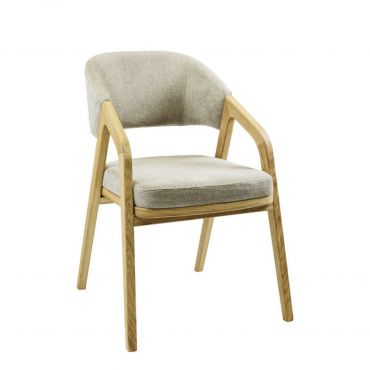
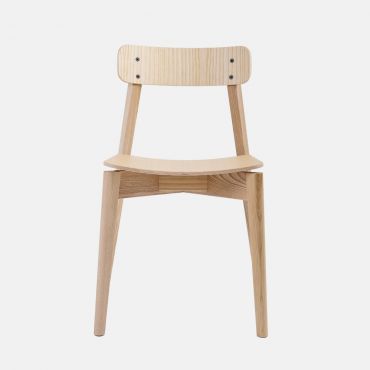
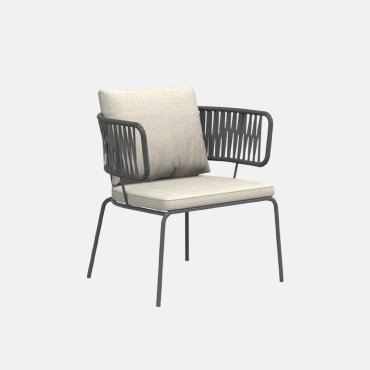
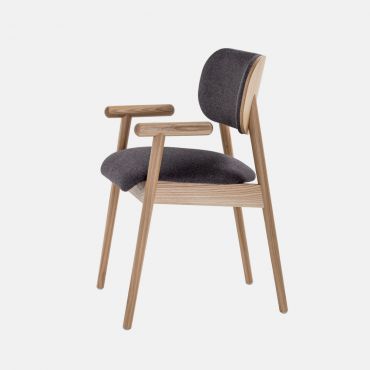
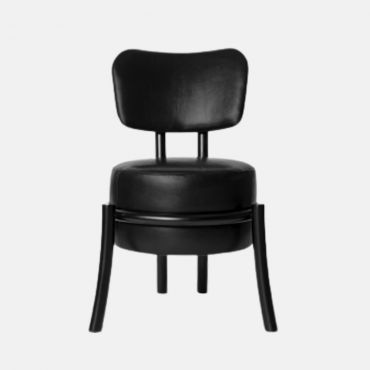
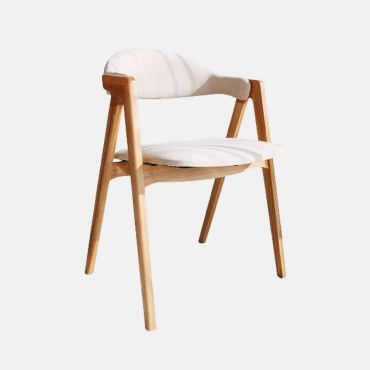
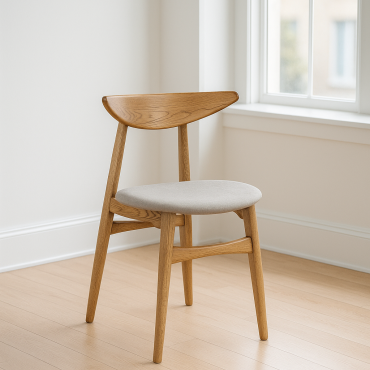
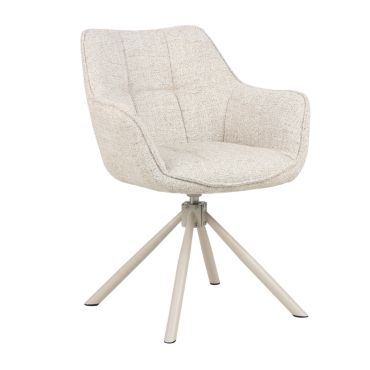
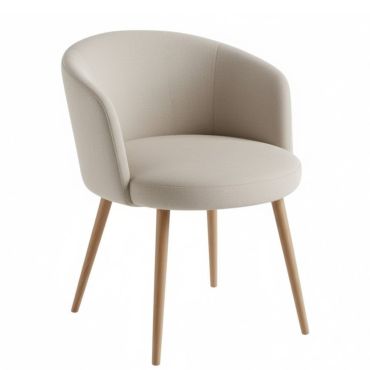
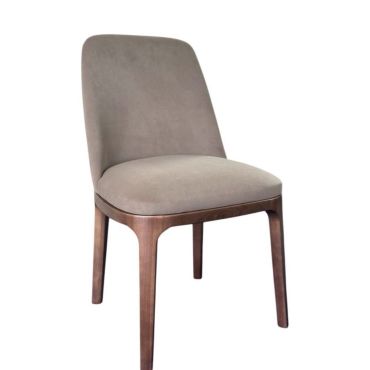
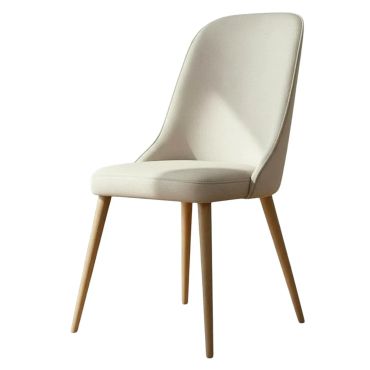
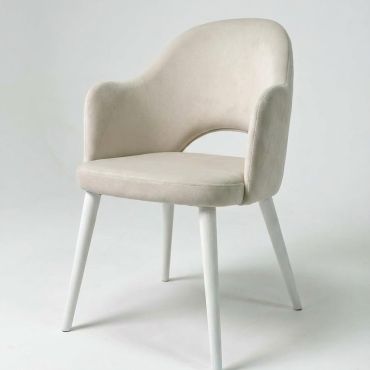
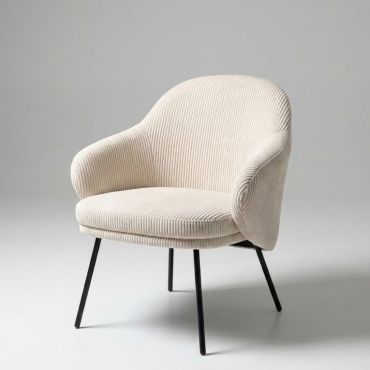
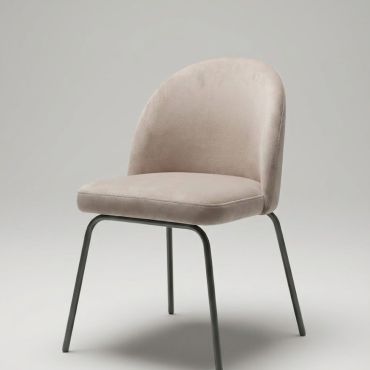
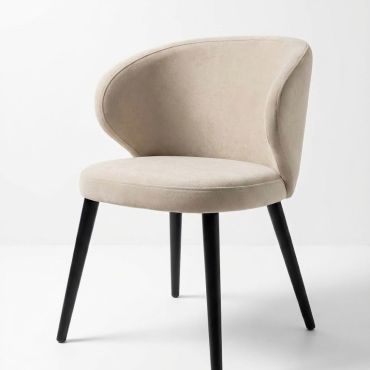
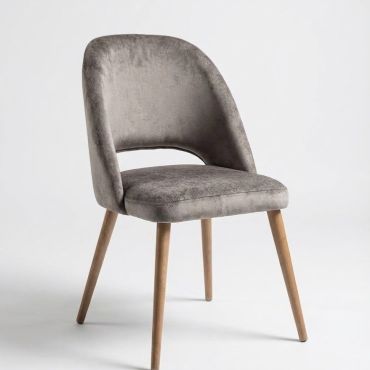
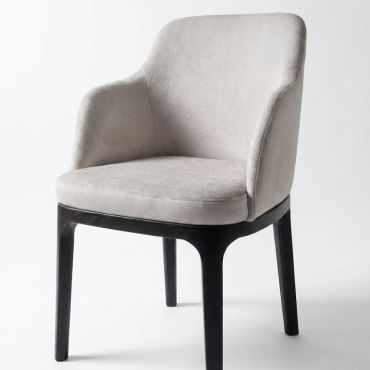
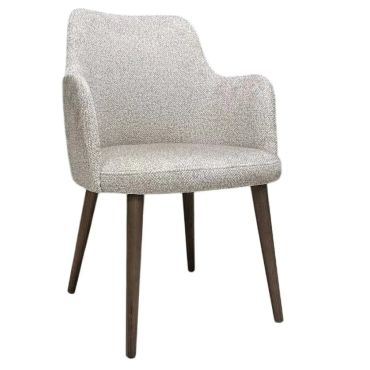
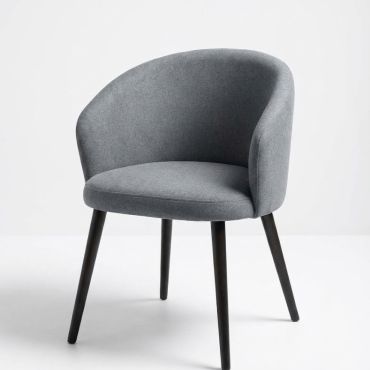
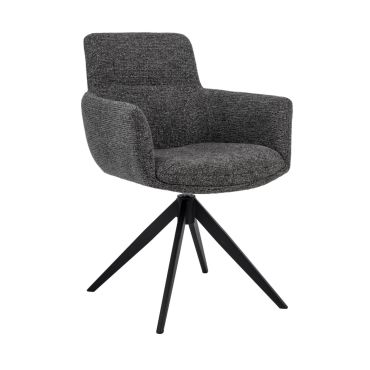
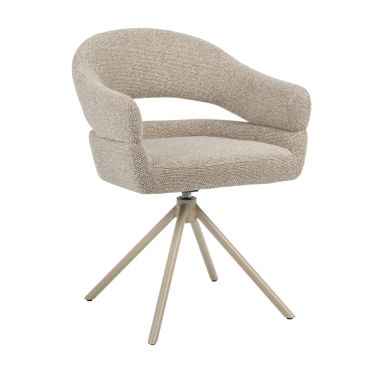
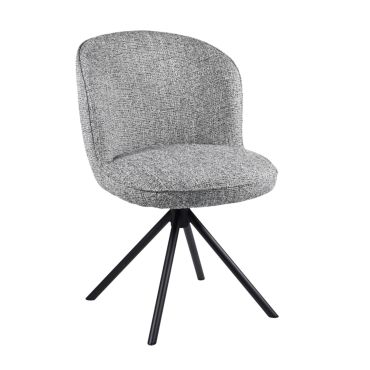
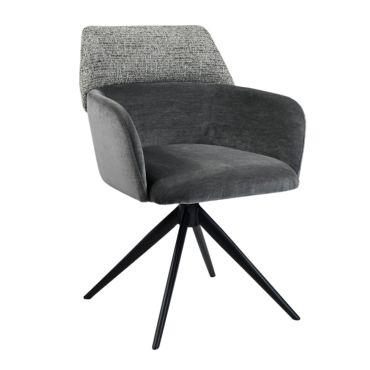
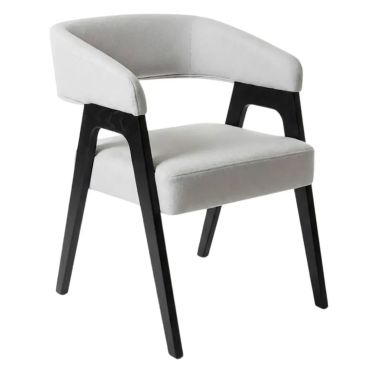
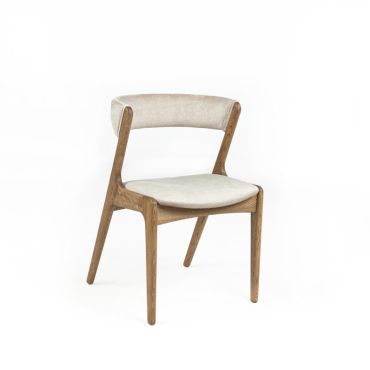
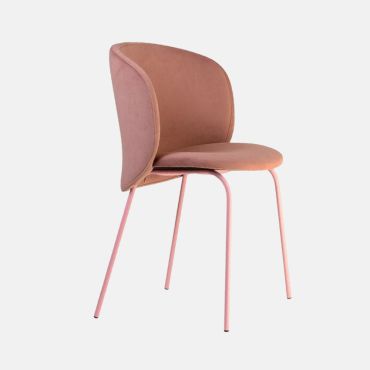
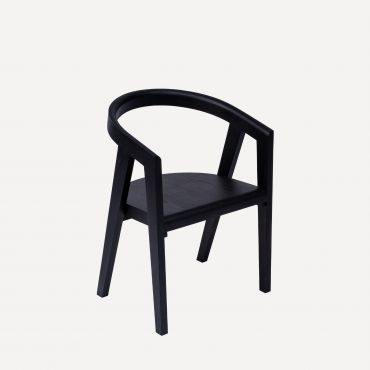
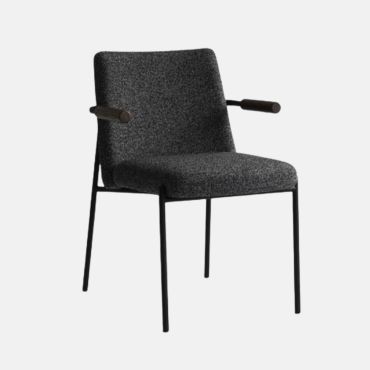
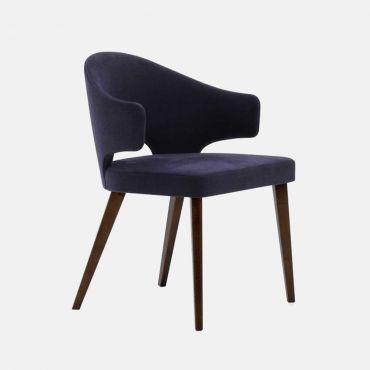
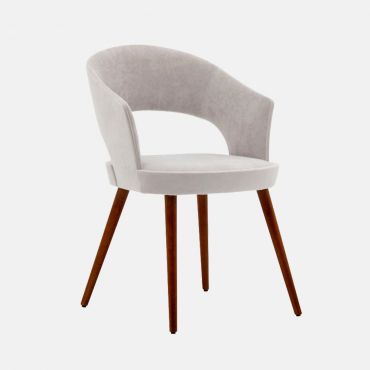
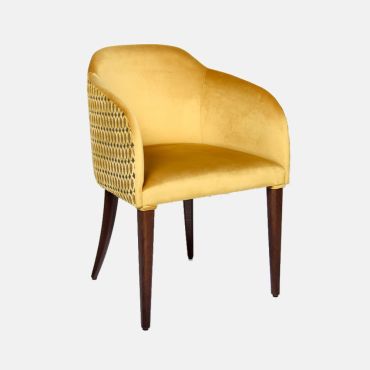
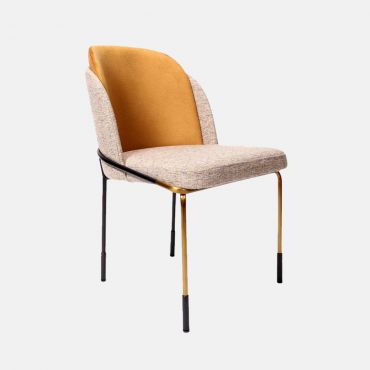
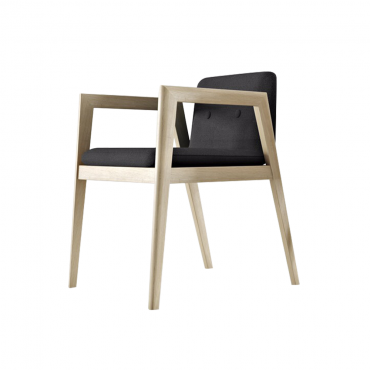
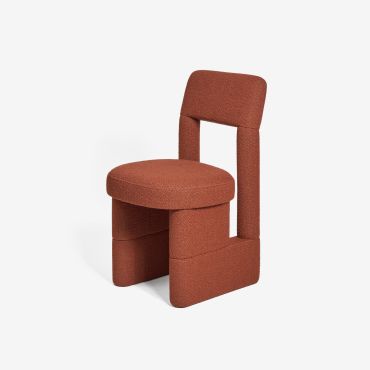
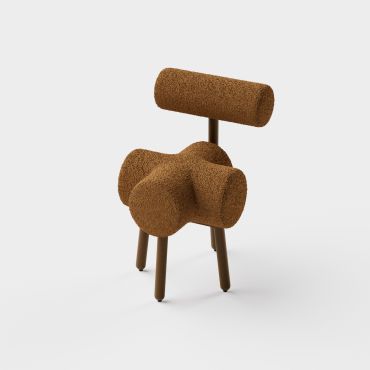
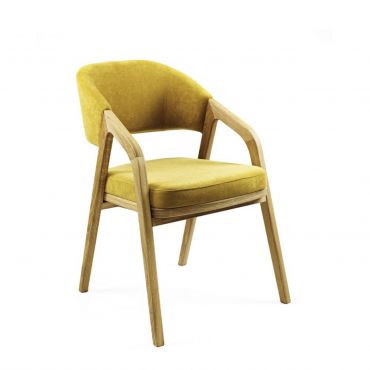
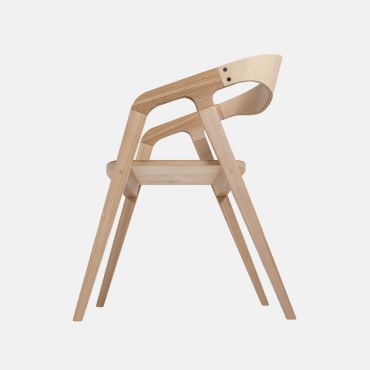
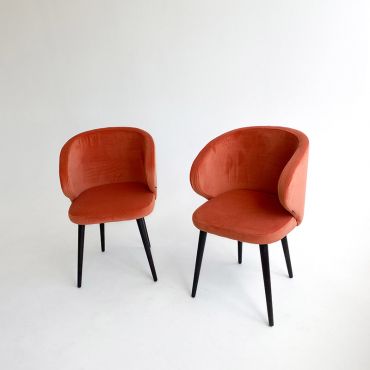
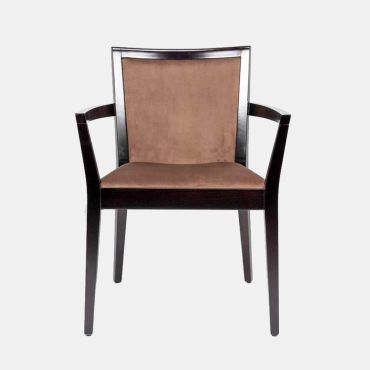
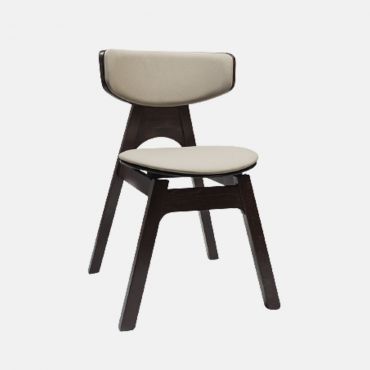
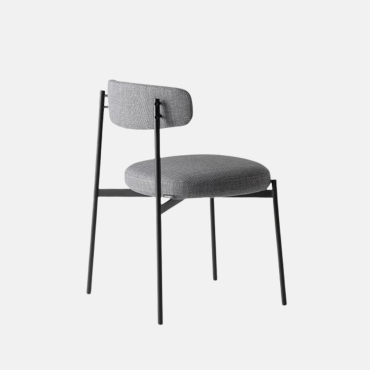
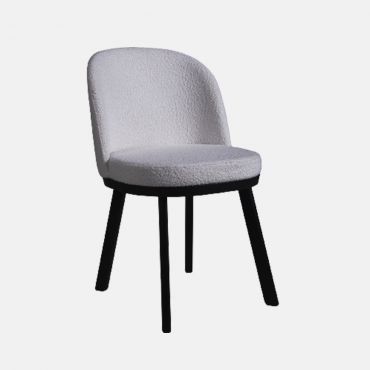
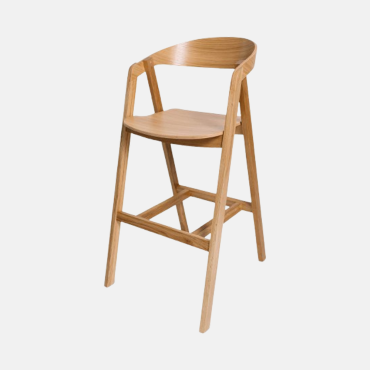
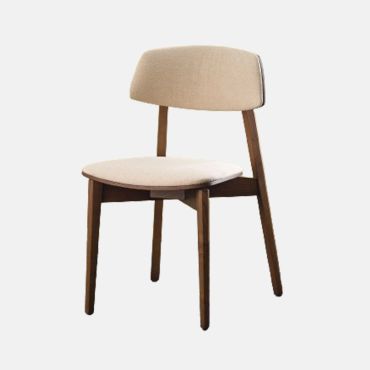
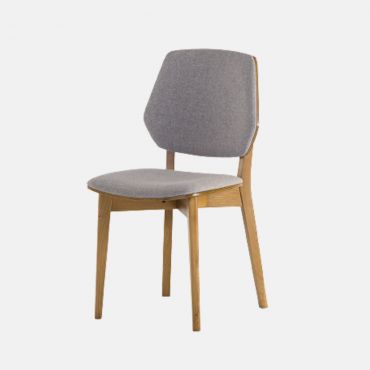
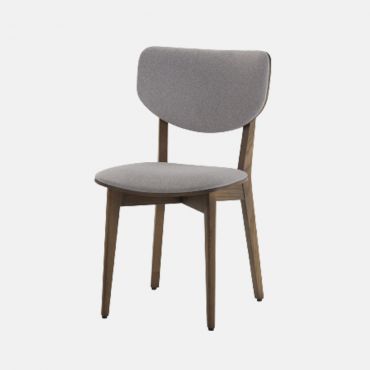
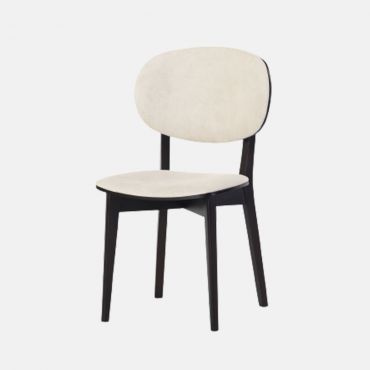
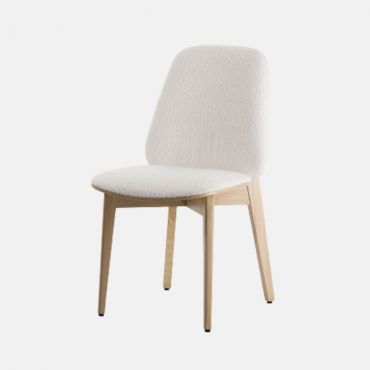
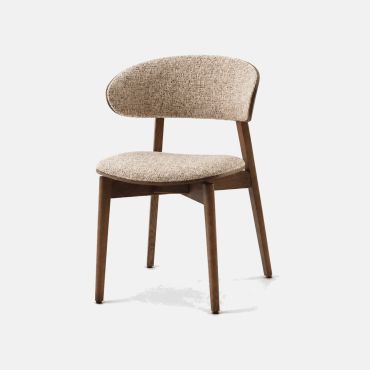

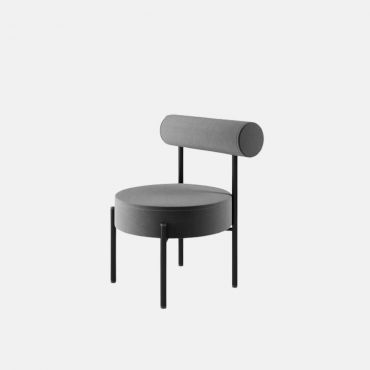
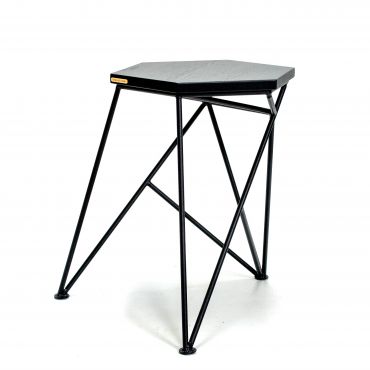
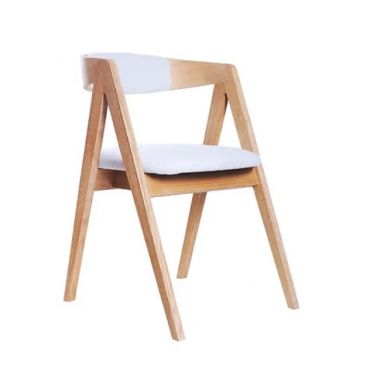
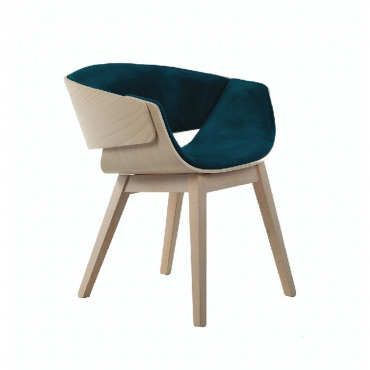
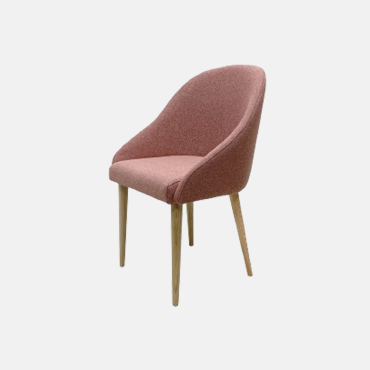
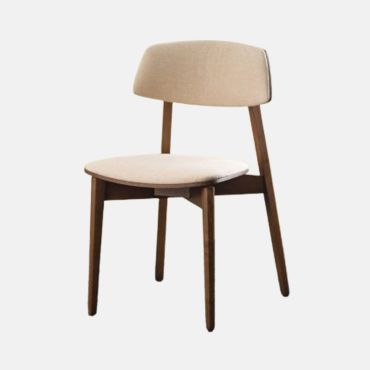
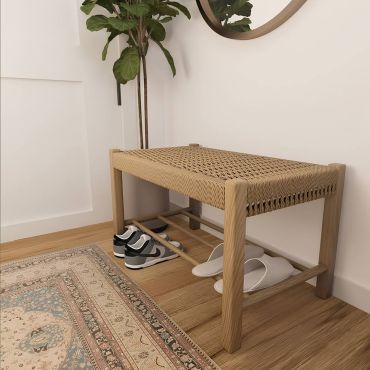
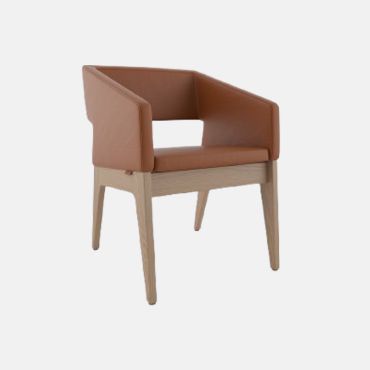
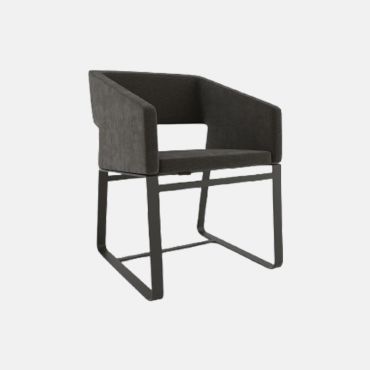
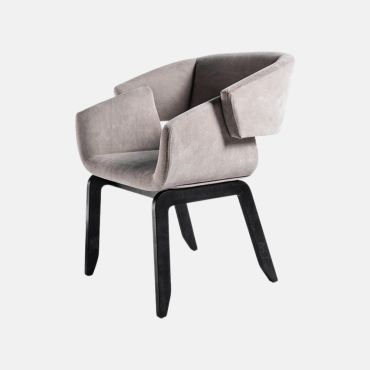
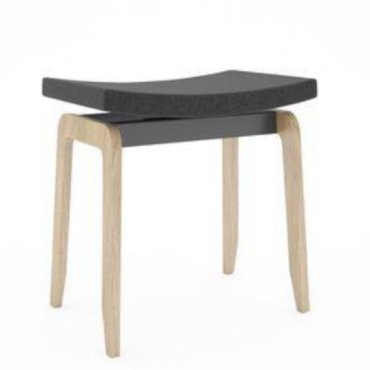
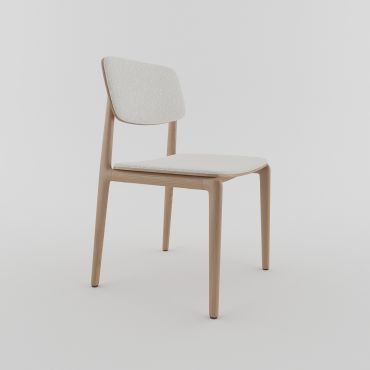
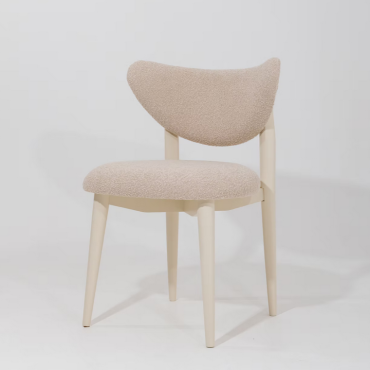
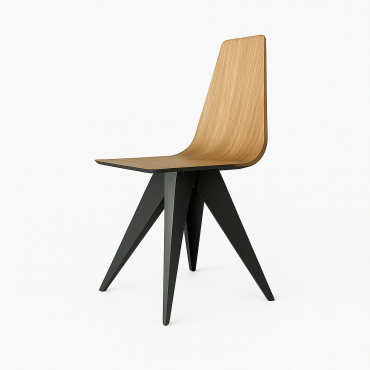
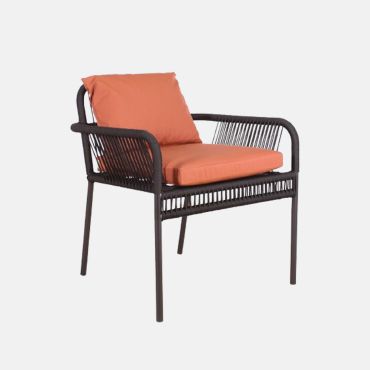
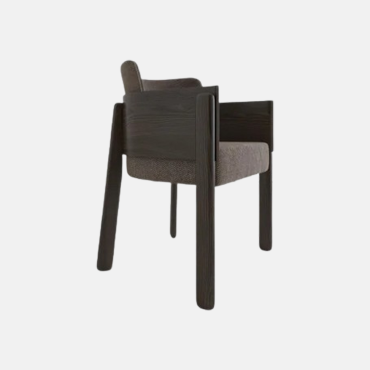
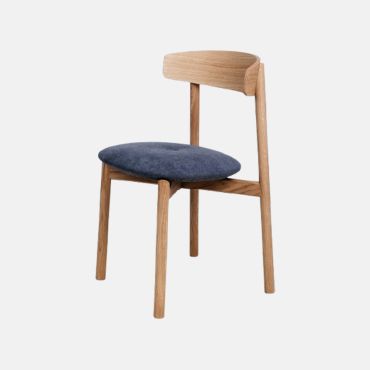
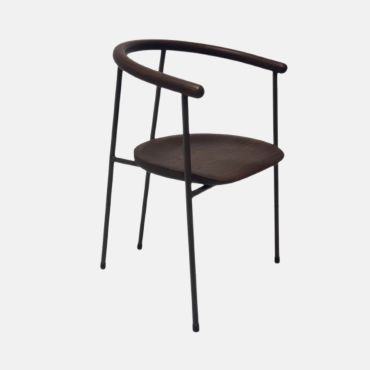
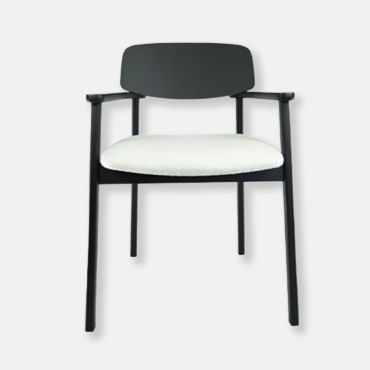
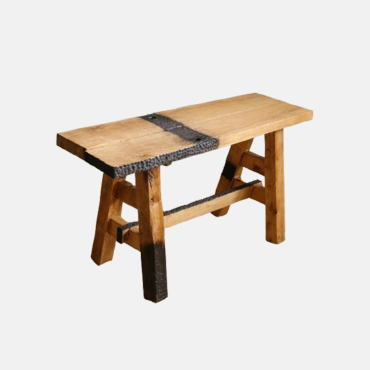
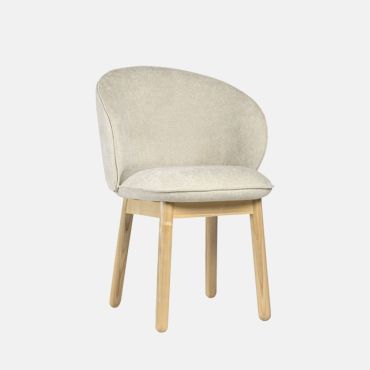

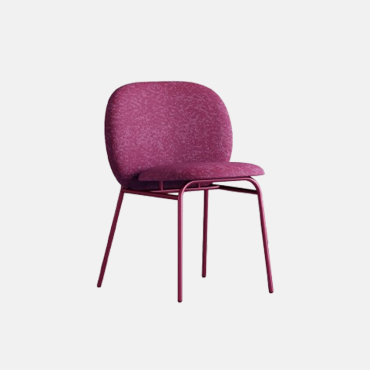
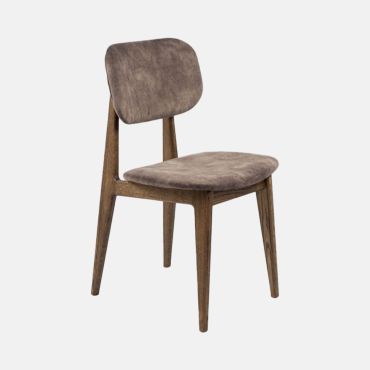
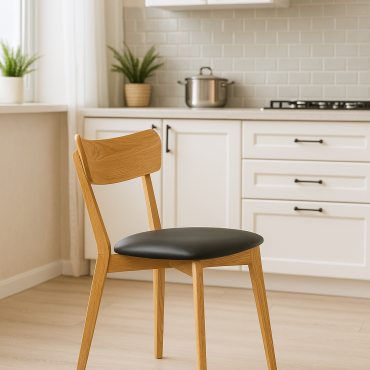
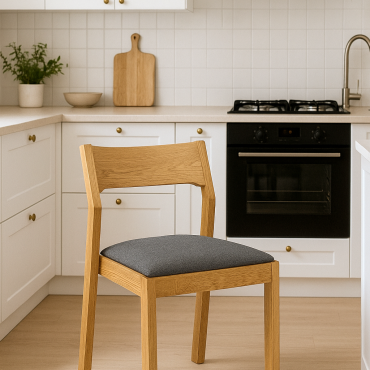
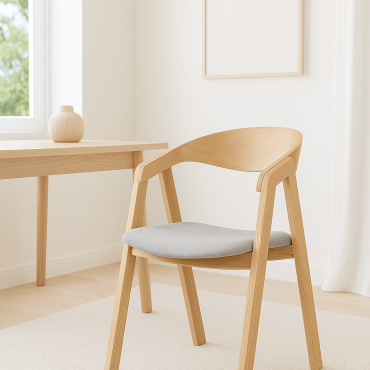
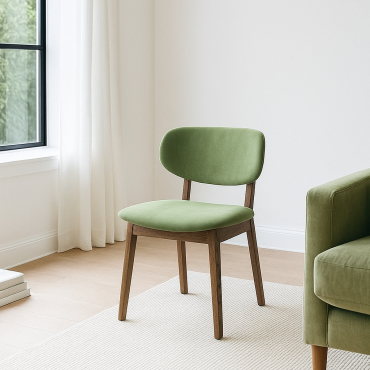
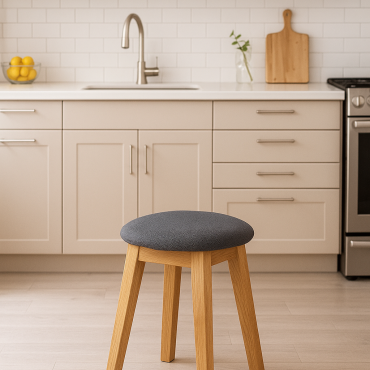
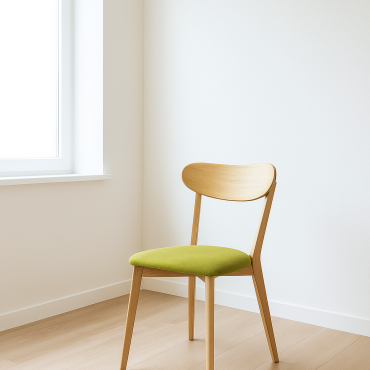
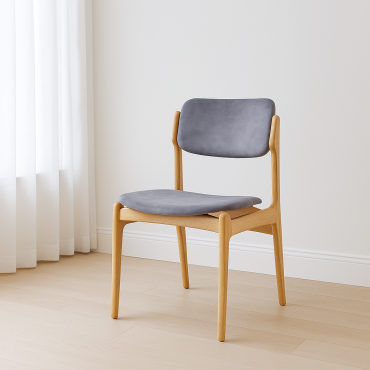
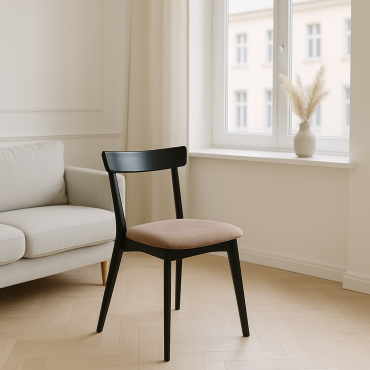
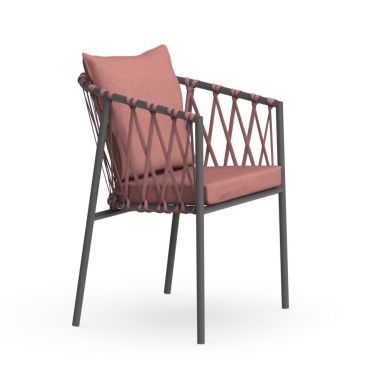
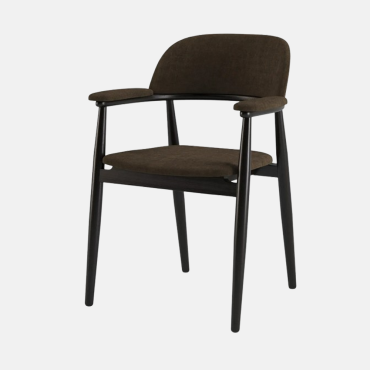
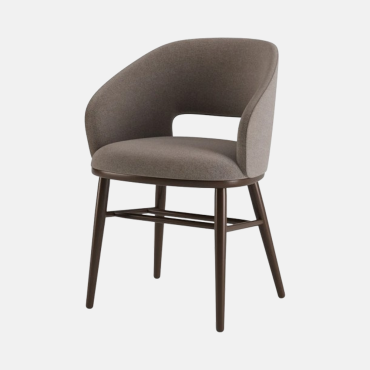
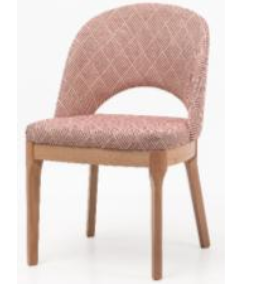
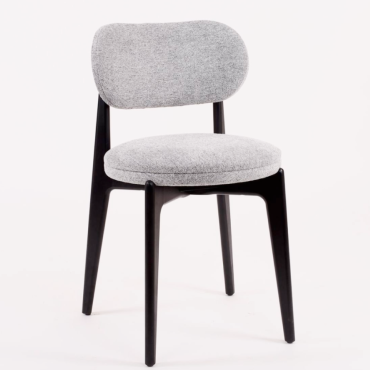
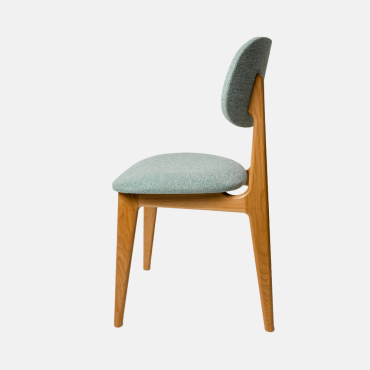
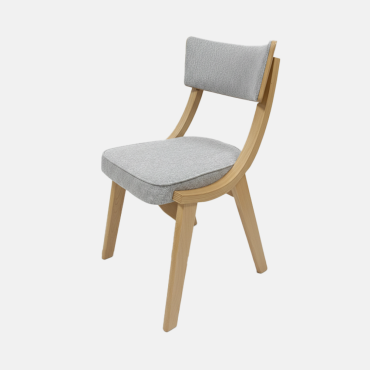
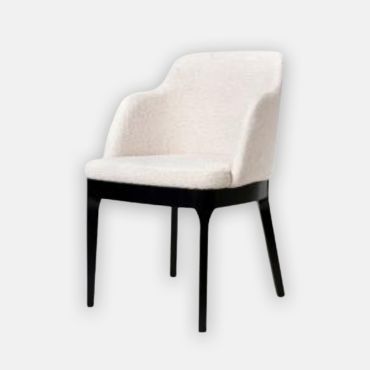
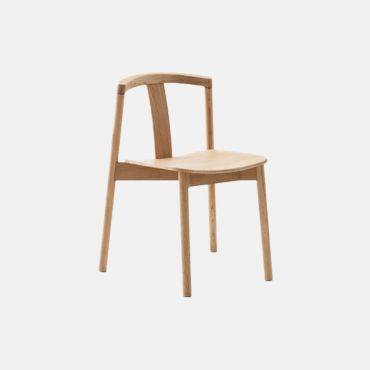
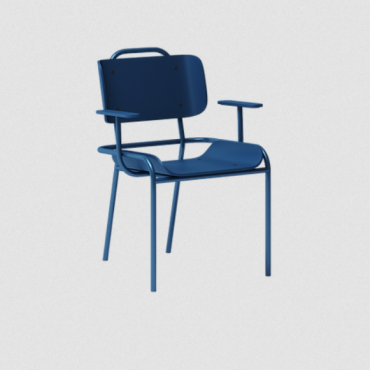
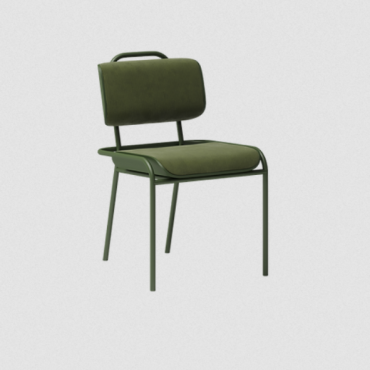
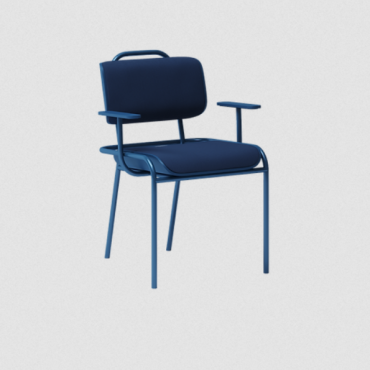
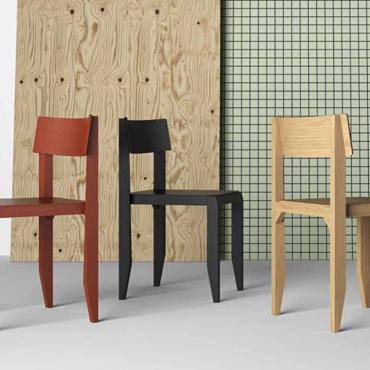
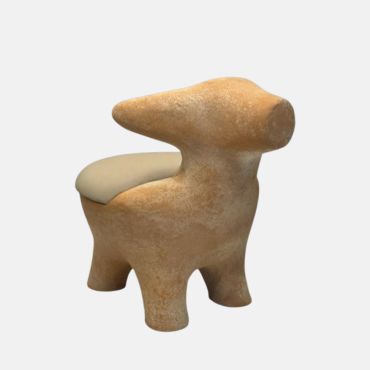
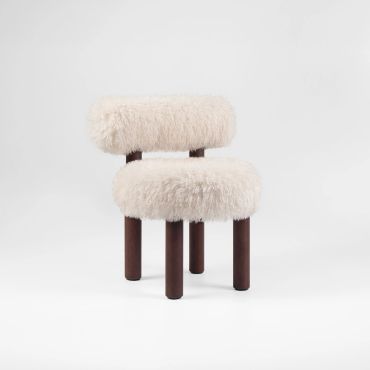
DINING CHAIRS — CATALOG FOR KITCHEN AND DINING ROOM
Dining chairs are not just seats. They are an interior detail that sets the rhythm of the whole dining area: the character of the room, the level of comfort, and how pleasant it feels to spend time at the table. At MAIIMO, we see this every day: when a dining chair is chosen well, the space comes together and everything looks complete. When it is not, even an expensive table loses its presence.
That is why we prepared this guide. It is for those choosing dining chairs for the first time and wanting to understand the details. And for those who have already made a mistake once or twice and now approach the question more seriously. Here you will find types, materials, matching rules, interior styles, common mistakes, and practical advice we have collected from working with Ukrainian furniture makers.
The market in Ukraine has grown. Today, designer dining chairs from local workshops are not inferior to European ones in finish quality or material choice. Solid oak, natural velour, hand upholstery — all of this is available here, often at a much more accessible price. Knowing what to look for means finding better quality for less money.
The dining area is where the family gathers every day. Where important conversations happen, where breakfasts and family dinners take place. The quality of furniture in this zone directly affects how comfortable and at ease people feel. A chair that becomes uncomfortable after 20 minutes can spoil the impression of any meal. And a chair chosen without regard to style can break the integrity of the space, even after a perfect renovation.
We researched the market and gathered the most important points in this material. From specific dimensions and parameters to style nuances and care.
WHAT IS A DINING CHAIR AND WHO IS IT FOR
A dining chair is furniture designed primarily for sitting at a table during meals, conversations, and social time. It differs from an office chair: no wheels, usually no height adjustment, with more focus on appearance and matching the room. It differs from a bar chair by seat height: a dining chair is designed for a table 74–76 cm high, while a bar chair is for a counter 90–110 cm high.
Who are dining chairs for? Practically everyone who has a dining table. But there are details worth considering.
If your kitchen is combined with a living room, dining chairs for kitchen use need to perform two roles: be comfortable during meals and look good in the shared space. Here, people usually choose lighter shapes with slim legs — they do not overload the room and fit naturally into zoning.
For a separate dining room with a large table, dining armchairs are often better: with armrests, a wider seat, and a more representative look. They take up more space, but they offer another level of comfort and atmosphere. This is the format traditionally used in formal dining rooms and restaurants.
For families with children, choose chairs with easy-care surfaces: eco leather, fabric with protective treatment, or plastic. For adults who value comfort and aesthetics, natural materials work best: solid wood, velour, genuine leather.
One important detail: a dining chair is furniture for long-term use. In practice, we see that most people do not replace dining chairs more often than once every 8–12 years. So the material, construction, and appearance should be chosen with the future in mind, not only current trends. What looks fashionable today may look dated in three years. Classic forms and neutral materials are a more reliable strategy for a dining area.
TYPES OF DINING CHAIRS
Understanding the types is the first step toward the right choice. We divide dining chairs by three main features: frame material, seat type, and whether they have armrests.
BY FRAME MATERIAL: WOOD, METAL, COMBINED
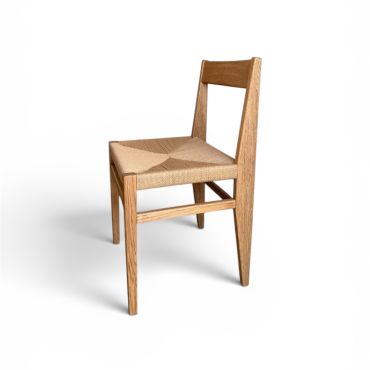
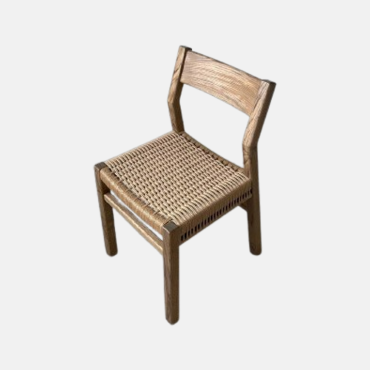
A wooden frame is a classic that never goes out of style. Solid oak, ash, or beech brings warmth, natural texture, and durability. These chairs suit most styles — from Scandinavian to modern classic — and only gain character over time. They are also easy to restore: scratches can be sanded, upholstery can be replaced. The downside is higher weight and higher price compared with metal or plastic. Dining chairs from manufacturer workshops in solid wood are among the most popular requests from MAIIMO clients.
A metal frame means clean lines and lightness. Tubular or forged metal fits well into loft and industrial interiors. These constructions are resistant to moisture, do not dry out, and work well for kitchens and open terraces. Modern powder-coated metal withstands everyday scratches and does not rust under normal household use. The downside is a colder feel to the touch and less flexibility in warm interior styles.
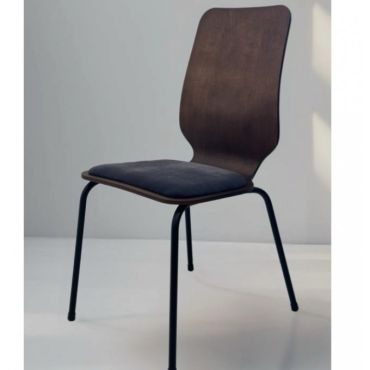
A combined frame — metal plus wood, or metal plus plastic — balances practicality and character. Slim metal legs with a solid wood seat or velour upholstery are a popular solution for modern kitchens. The construction is lighter than solid wood, but warmer in character than pure metal. This format looks good in modern and Scandinavian interiors.
BY SEAT TYPE: SOFT, HARD, SEMI-SOFT
A hard seat is usually solid wood or plastic. It is minimal, easy to care for, and typical of Scandinavian and Japanese styles. It works well for short breakfasts and meals, but during longer sitting — more than an hour — it can become uncomfortable without an extra cushion. The advantage is total practicality: it can be cleaned with water and does not fear stains.
A soft seat is foam or synthetic padding under upholstery made of velour, boucle, eco leather, or genuine leather. It offers comfort for longer sitting, many colors, and many textures — a wide choice for any style. It requires more careful care: fabric stains should be removed immediately. When choosing, ask the seller what foam density is used. For dining chairs, 35–40 kg/m³ is optimal.
A semi-soft seat has a thin layer of padding under a firmer covering or a thin cushion. It is the middle option: softer than plain wood, easier to maintain than a fully upholstered chair. It is often found in modern minimalist chairs. A good compromise for those who want comfort but worry about complicated upholstery care.
WITH ARMRESTS OR WITHOUT: WHAT TO CHOOSE
A dining chair with armrests, or dining armchairs, is a comfortable and more elevated solution. Armrests reduce tension in the shoulder area during longer sitting and make the chair feel like a true armchair. A practical nuance: these chairs do not slide fully under the table. Make sure there is at least 3–4 cm of clearance between the armrest and the tabletop.
Chairs without armrests are more compact and mobile. They are easier to place in a row, slide under the table, and move around. For small kitchens, this is usually the better choice. A common design approach is to mix them: dining armchairs with armrests at the ends of the table and chairs without armrests along the sides. It looks balanced and gives flexibility when seating guests.
HOW TO CHOOSE A DINING CHAIR: 7 KEY CRITERIA
We researched the most common buying mistakes and defined seven criteria worth checking first.
Seat height. The standard is 45–48 cm from the floor. For a 75–76 cm table, this gives a 28–31 cm gap between seat and tabletop — a comfortable range.
Seat material. Upholstery defines both comfort and maintenance. For the kitchen, choose protective fabrics or eco leather. For a living room or separate dining room, velour, boucle, and genuine leather work well.
Style match. The chair should fit not only the table, but also the whole room — walls, flooring, lighting.
Size and quantity. Leave at least 15–20 cm of free space between chairs at the table. Do not overcrowd the table.
Weight and mobility. If chairs are often moved or rearranged, choose lighter constructions.
Connection quality. Check how the legs are attached to the seat. Steel inserts and bolt connections are more reliable than glue. A shaky chair is both uncomfortable and unsafe.
Customization. If standard colors or sizes do not work, look for dining chairs from manufacturer brands that can customize the order.
CHAIR AND TABLE HEIGHT: THE RIGHT COMBINATION
The optimal dining chair seat height is 45–48 cm from the floor. With a standard table of 74–76 cm, the difference between seat and tabletop is 27–31 cm — a comfortable range for most people sitting with a straight back. If your table is non-standard, calculate it yourself: subtract 28–30 cm from the table height to get the ideal seat height.
We recommend always measuring your table before buying chairs. This is especially important if the table is non-standard, antique, or custom-made. Even a 5 cm difference between the seat and tabletop can noticeably affect comfort during longer sitting and proper posture. Discomfort from the wrong height is one of the common reasons MAIIMO clients return for new chairs after 2–3 years.
When choosing dining sets tables and chairs, we can immediately check height compatibility and give a recommendation from our selection team.
UPHOLSTERY MATERIAL: VELOUR, BOUCLE, ECO LEATHER, GENUINE LEATHER
Velour is soft, pleasant to the touch, and holds its shape well. It looks elegant and comes in a wide color palette — from neutral beige to deep emerald. It is more demanding in care: stains should be removed immediately, and moisture is undesirable. We do not recommend it for families with small children or pets unless the fabric has a protective treatment.
Boucle is a textured fabric with a looped structure. It is now at the peak of popularity in interior design around the world. It creates a sense of volume and warmth, and looks beautiful in neutral and warm tones: cream, sand, gray, terracotta. It is slightly harder to clean than smooth materials, as the loops can catch on abrasive surfaces.
Eco leather is the most practical option for the kitchen. It is easy to clean, does not fear accidental splashes, and resists grease stains. Modern eco leather imitates genuine leather well, both visually and to the touch. But it has a shorter service life: after 5–8 years it may start to crack or peel, especially at the edges of the seat.
Genuine leather is the most durable upholstery material. With proper care, it lasts 15–20+ years and develops patina and character over time. The higher price is justified by its lifespan. It is easy to clean with a damp cloth. For the kitchen, it is the best solution if the budget allows.
DINING CHAIRS IN DIFFERENT INTERIOR STYLES
Interior style is one of the main reference points when choosing chairs. We break down the main directions so you can understand which forms, materials, and colors suit each one.
SCANDINAVIAN STYLE AND JAPANDI
Scandinavian style requires simple, clean forms. Dining chairs in this style usually have slim wooden legs made of solid oak or beech in a natural shade, a hard or semi-soft seat, and a monochrome palette: white, gray, warm beige, wood brown. Forms are free of unnecessary details, carving, and ornaments. Slimness and natural materials are the key features.
Japandi combines Japanese minimalism with Scandinavian functionality. It is similar to Scandinavian style, but darker and more restrained in color. Charcoal, smoky, and terracotta tones appear often. Wood is darker or tinted darker. Backs are laconic, often without upholstery or with a thin seat in a neutral color. The focus is on materials: visible wood grain, natural fabric texture, handmade details — all of this works beautifully in japandi.
LOFT AND INDUSTRIAL STYLE
Loft means metal and rougher materials. Dining chairs in loft style usually have a metal frame, tubular or forged, with a seat made of wood board or genuine leather. Colors: black, graphite, gray, rust, natural wood. Dining armchairs in loft style can have a massive tubular construction with armrests, giving a sense of strength and industrial character.
Industrial style is related to loft, but allows more mixing. For example, metal legs with a retro shell-shaped seat, or a combination of forged iron and wood in one chair. Its key feature is a sense of function and durability. In this style, designer dining chairs with original backs in unusual shapes can also look very strong.
MINIMALISM AND MODERN
Minimalism means maximum simplicity and no excess. Chairs without unnecessary details: a monolithic back, legs of the same thickness, smooth surfaces. Materials: matte or glossy plastic, metal, monochrome fabric. Color is neutral or one accent tone, but no more. In minimalism, the shape of the chair matters more than the material.
Modern style is broader than minimalism. It allows soft upholstery, rounded forms, and material combinations. Here we see designer dining chairs with unusual back shapes, combinations of wood and metal, and colored upholstery. Modern style is when the interior looks contemporary, but not austere.
SOFT MODERN AND ECLECTIC INTERIORS
Soft modern interiors are one of the most popular directions among MAIIMO clients today. Warm neutral tones dominate: sand, beige, smoky gray, caramel. Upholstery is soft: velour, boucle. Forms are rounded or smooth. Dining chairs in this style often have a soft seat and back, with metal or wooden legs that match the overall room finish. This style allows eclectic choices and material mixing as long as the color palette stays unified.
Eclectic style is a free combination of different styles and forms. There are no strict rules, but there is one principle: do not mix more than two styles, and keep a consistent color palette. For example, metal shell chairs in a retro shape can work beautifully with a massive Scandinavian wooden table if the tones of wood and metal are coordinated. It is best to buy dining chairs for an eclectic interior after you have already defined the room’s color scheme.
COMMON MISTAKES WHEN CHOOSING DINING CHAIRS
We see these mistakes constantly. Here are the most common ones and how to avoid them.
Mistake 1: buying chairs without measuring the table height. Different tables have different heights — from 72 to 80 cm depending on the manufacturer. Buying chairs and then discovering there is no space between your knees and the tabletop is an unpleasant and expensive mistake. Always measure both pieces before buying.
Mistake 2: choosing upholstery without considering your lifestyle. Velour in a family with two children and a dog is a recipe for constant stress. Think not only about what looks beautiful now, but about what will be practical in 3–5 years. It is better to choose durable eco leather and later reupholster in velour than to buy white velour immediately and suffer.
Mistake 3: buying all chairs identical. In a modern interior, a mix often looks better: dining armchairs with armrests at the ends and four chairs without armrests along the sides. It feels more personal and more functional. A monotonous row of six identical chairs can look corporate rather than domestic.
Mistake 4: not checking the clearance between armrests and tabletop. Dining chairs for kitchen use with armrests should slide under the table at least partially, otherwise you will constantly bump into them when standing up. Measure the armrest width and the height of the tabletop edge relative to the armrest.
Mistake 5: ignoring leg attachment quality. Loose legs are dangerous and quickly ruin the appearance of furniture. Check the material and attachment method before buying. Steel inserts or bolt connections are much more reliable than glue.
Mistake 6: buying too many chairs. For a 140×80 cm table, the maximum is 6 chairs: two on each side and one at each end. More than that is cramped and uncomfortable. Count the real area of the dining zone and leave space for free movement around the table.
WHAT TO CHECK BEFORE BUYING
Here is a list of specific parameters worth checking before placing an order.
First, the manufacturer and country of production. Ukrainian manufacturers often offer customization: fabric choice, leg color, non-standard size. This allows you to get a chair that fits your space precisely, instead of looking for the “closest option.”
Second, the comfort test. If possible, sit on the chair for 5–10 minutes. If ordering online, check seat height, depth, and back angle. The optimal back angle is 95–100 degrees relative to the seat. A back that is too vertical becomes tiring during longer sitting.
Third, upholstery quality. Look at the seams — they should be even and tight. Check the upholstery edges — no roughness or unevenness. Ask about the filler: what foam is used and what its density is. For long sitting, 35–40 kg/m³ is suitable.
Fourth, the dining table with chairs if you are buying a set. Make sure the chair legs will not interfere with a central support or table crossbar if there is one. This is especially relevant for pedestal tables and tables with a central leg.
Fifth, delivery time and warranty. For handmade craft chairs, production time can be 3–6 weeks. Clarify this before ordering, especially if you need the chairs for a specific event or housewarming. Reliable Ukrainian manufacturers usually provide a 12–24 month warranty.
Sixth, protective caps on the legs. Protective caps help prevent floor scratches. If they are not included, buy them separately. For parquet, ceramic tile, and laminate, this is critical.
WHY BUY DINING CHAIRS AT MAIIMO
MAIIMO is a place where the most interesting designer dining chairs from Ukrainian makers and manufacturers are gathered. We do not sell mass-market furniture. We select pieces that are difficult to find in an ordinary store.
The MAIIMO assortment includes chairs from craft studios that make furniture by hand from real solid oak and ash. Dining armchairs with natural upholstery and forged legs. Laconic Scandinavian forms from young Ukrainian designers. Author pieces in japandi and soft modern styles that are hard to find anywhere else.
We researched the market and know that with the same quality, dining chairs from manufacturer brands in Ukraine cost 20–40% less than similar imported furniture. Delivery times are also much shorter. Most MAIIMO pieces can be received within 2–4 weeks, and some much faster.
MAIIMO works directly with manufacturers, without intermediaries. This means dining chairs for kitchen or dining room use can be ordered with individual parameters: upholstery color, leg material, non-standard size. Just write to us before or during checkout.
We also help with selection. If you are not sure which dining sets tables and chairs will fit your interior, send us a photo or description of the space. We will recommend specific options from our catalog, taking into account your style, area, and budget. We see in practice that the right dining table with chairs can radically change the feeling of a room, even without a new renovation.
Dining chairs are one of the broadest subcategories within the wider world of designer chairs: these are models with a distinct authorial concept that are also built for daily extended use. If your kitchen features a bar counter or island, consider also bar stools and counter stools — designed for counter heights of 90–105 cm, they complement the dining zone perfectly in open-plan layouts.
10 FAQ — DINING CHAIRS
HOW DO YOU CHOOSE A DINING CHAIR FOR THE KITCHEN?
First, measure the height of your table and compare it with the standard: chair seat height should be 45–48 cm, and the gap between seat and tabletop should be 27–31 cm. For the kitchen, choose upholstery that is easy to clean: eco leather, treated fabric, or wood. Dining chairs for kitchen use in compact rooms should be without armrests or with armrests that do not extend beyond the table edges. Check whether the chair slides under the table — this matters for free movement around the kitchen.
Pay attention to style: chairs should match not only the table, but the whole character of the room — walls, floor, hardware. If the kitchen is combined with a living room, the chairs should look natural in both zones. If you are choosing between two options, choose the one that is easier to maintain. The kitchen is the most active area of the home.
WHAT MATERIAL IS BEST FOR DINING CHAIRS?
There is no single answer — it depends on how the chairs will be used. For the kitchen, the best choices are eco leather, treated fabric, or plastic. For a separate dining room or living room, velour, boucle, or genuine leather look beautiful and feel comfortable, but require more careful handling. If you have children or pets, choose a material that can withstand cleaning with a damp cloth.
For the frame, solid wood lasts the longest and ages best visually. A metal frame is more practical in humid conditions and lighter. The best solution for most homes is designer dining chairs on a combined frame with a fabric or leather seat: the visual warmth of wood combined with the practicality of metal.
WHAT IS THE OPTIMAL HEIGHT FOR A DINING CHAIR?
The optimal seat height is 45–48 cm from the floor. This is the standard for tables 74–76 cm high and gives a 28–31 cm gap between seat and tabletop — enough for a comfortable position at the table for people around 160–185 cm tall. If your table is non-standard, the calculation is simple: subtract 28–30 cm from the table height to get the ideal chair seat height.
For children under 10, a standard dining chair will be too high, so it is better to use special supports or children’s chairs. For people taller than 190 cm, the optimal chair height may be 48–50 cm, with a correspondingly higher table.
CHAIRS WITH ARMRESTS OR WITHOUT?
This depends on two things: the size of the table and how you use it. A dining chair with armrests is more comfortable for long sitting and conversations at the table because the armrests reduce shoulder tension. It also looks more substantial. But it takes up more space and requires checking the clearance between the armrest and tabletop — at least 3–4 cm.
Chairs without armrests are more compact, more mobile, and slide under the table more easily. For small kitchens or tables that often seat more people, armless chairs are more practical. The optimal solution is dining armchairs with armrests at the ends of the table and regular chairs along the sides. This combines comfort with rational use of space.
HOW DO YOU MATCH CHAIRS TO A DINING TABLE?
The main rules are: seat height 45–48 cm for a table 74–76 cm high; at least 15–20 cm between neighboring chairs; chairs should match the table’s material and style, but they do not have to be identical. A common solution is a dining table with chairs in different shapes, but within one color palette or with one shared frame material. For example, a massive oak table with chairs on thin metal legs creates a contrast that often looks very strong.
Avoid a setup where chairs occupy more than two-thirds of the table length — leave space for free movement. For dining sets tables and chairs, also check whether the chair legs interfere with the table’s central support if there is one. This is especially important for pedestal tables or tables with a cross base.
HOW MUCH DO DINING CHAIRS COST IN UKRAINE?
The price range is wide. Mass-market chairs start from 800–1500 UAH. Chairs on a metal frame with a fabric seat cost around 1500–3500 UAH. Designer dining chairs made of solid wood or with high-quality upholstery by Ukrainian makers usually start from 3500 and can reach 8000+ UAH per piece. Dining armchairs with armrests are usually 20–30% more expensive than standard chairs.
We recommend not saving on furniture used every day. A 1000 UAH chair with poor construction may last 2–3 years. A quality piece for 4000–5000 UAH can last 10–15 years. Over a 10-year horizon, a good chair is actually cheaper. Dining chairs from manufacturer brands in Ukraine offer the best balance of price and quality for most buyers.
WHAT IS THE DIFFERENCE BETWEEN WOODEN AND METAL CHAIRS?
| Parameter | Wooden | Metal |
|---|---|---|
| Texture warmth | High | Low |
| Moisture resistance | Medium | High |
| Repairability | High | Medium |
| Weight | Heavier | Lighter |
| Style | Scandinavian, classic, Japandi | Loft, industrial, modern |
Wood is warmer and more natural, while metal is more laconic and lighter. For most home dining rooms and kitchens, wood or a combined option works better. For restaurants, cafes, and open spaces, metal is more practical. Combined models — metal legs with a wooden or upholstered seat — offer the widest choice for modern interiors.
WHERE CAN YOU BUY DINING CHAIRS FROM UKRAINIAN MANUFACTURERS?
At MAIIMO. We specialize in furniture from Ukrainian designers and manufacturers, and dining chairs are one of the key categories in our catalog. Here you can find solid wooden dining chairs from manufacturer workshops, lightweight metal options with upholstery, and author pieces with genuine leather or boucle.
We personally select manufacturers and know the quality of every brand in our assortment. When you buy dining chairs at MAIIMO, you get not just a product, but also the option to order a customized version and receive style guidance for your space. Delivery is available across Ukraine.
WHAT DINING CHAIRS ARE BEST FOR A SMALL KITCHEN?
For small kitchens, we recommend chairs without armrests or with armrests that do not extend beyond the seat; lightweight constructions on slim legs because they visually do not clutter the space; neutral or light colors because they do not overload the room; and dining chairs for kitchen use on a metal frame, as they are usually more compact and lighter than wooden ones.
A good option for a small kitchen is a stackable chair or a narrow-profile design. Scandinavian style with slim legs and a low back is a classic solution for small spaces. If the area is critically limited, consider folding chairs that can be put away in a cabinet when not in use.
HOW DO YOU CARE FOR DINING CHAIR UPHOLSTERY?
Velour: clean with a soft brush or vacuum cleaner with a fabric attachment. Remove stains immediately with a dry or slightly damp cloth, without rubbing. Do not rub against the pile. Boucle: similar care — vacuuming and stain removal with a soft damp cloth, moving along the fabric structure. Avoid stiff brushes.
Eco leather: easy to care for — wipe with a damp cloth or napkin. Do not use aggressive solvents, as they damage the surface and speed up cracking. Once a year, treat it with a special conditioner for eco leather. Genuine leather: wipe with a damp cloth, and every 3–6 months apply a protective cream or conditioner. Genuine leather benefits from proper care — it develops patina and character. The general rule for any material: it is better to remove stains immediately than to try to clean dried dirt later.
Dining chairs pair well with a dining table of the right size and shape.