Writing desks
Столи які працюють разом з вами
Our desks will become your perfect work partner. We have selected the most stylish and functional models in various styles and configurations to make your home office a truly beloved and productive space.
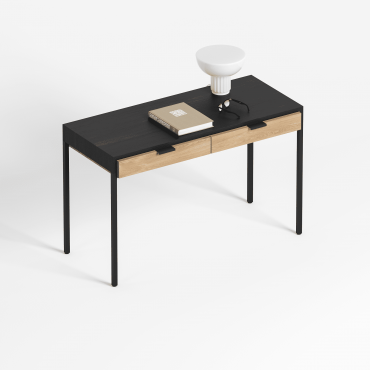
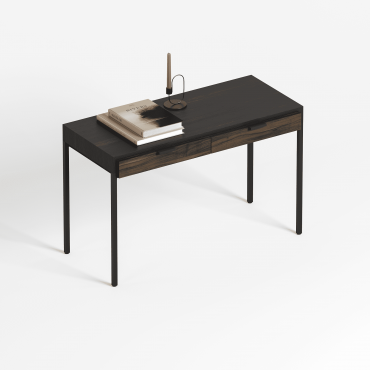
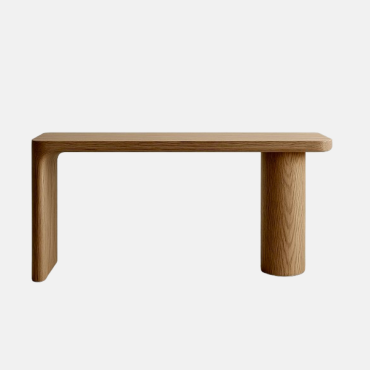
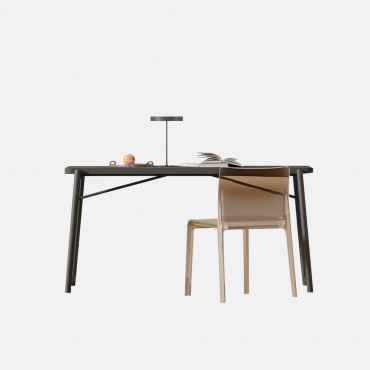
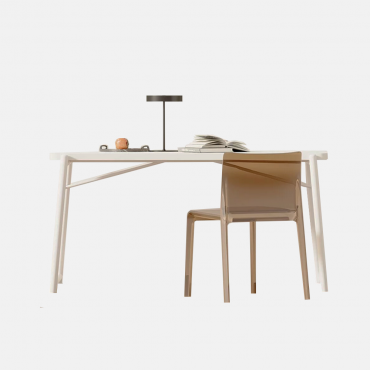
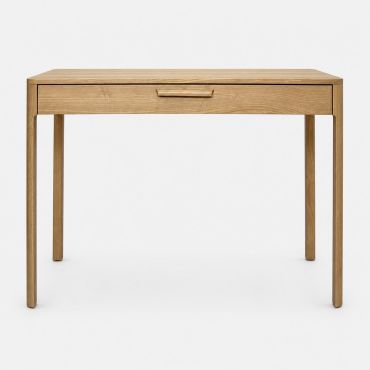
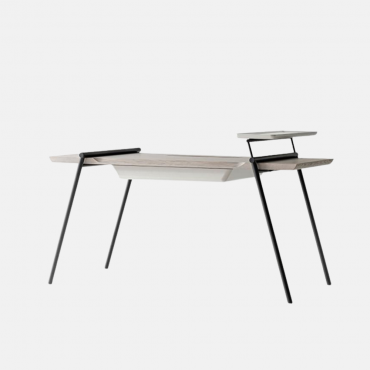
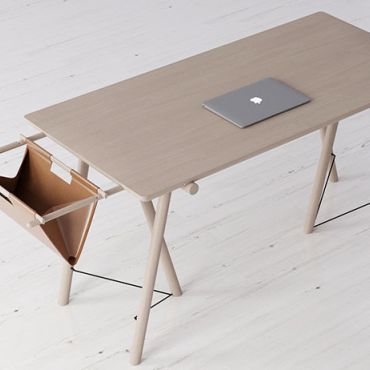
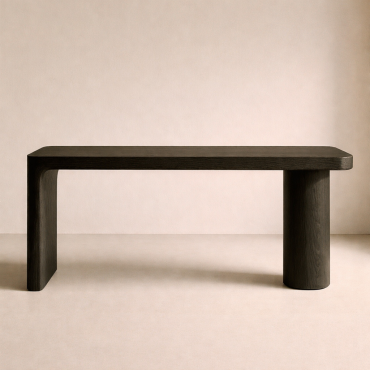
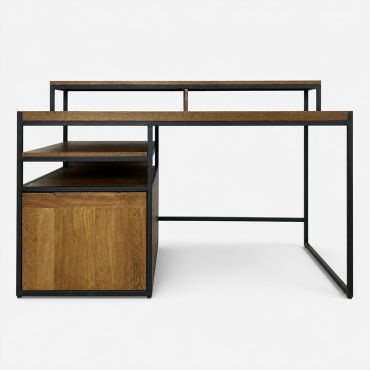
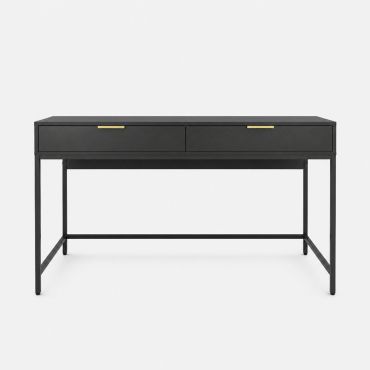
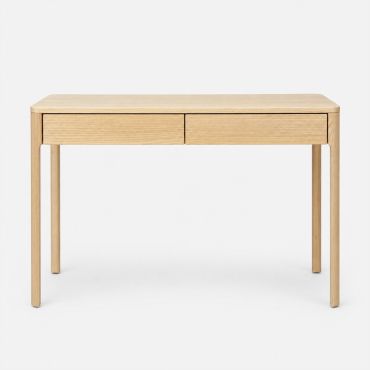
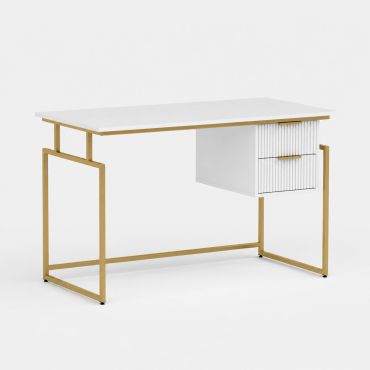
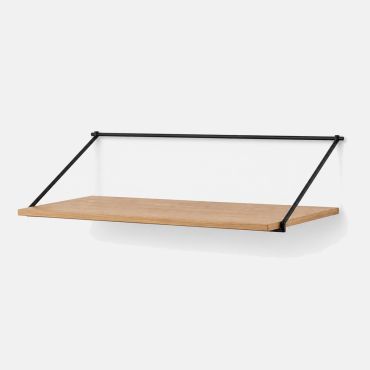
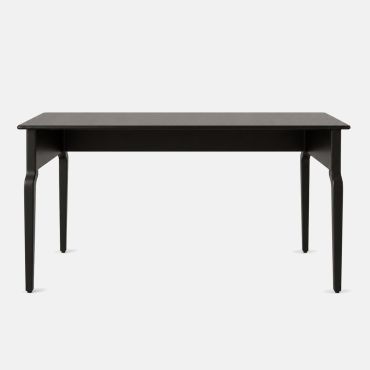
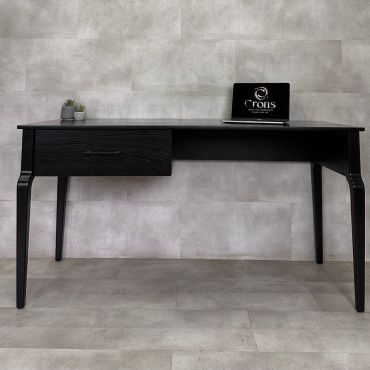
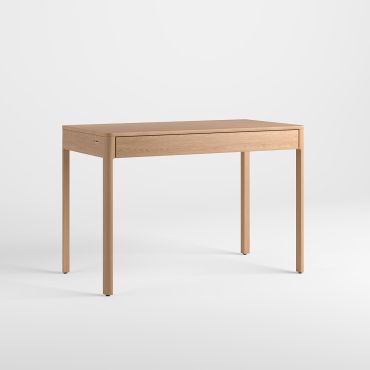
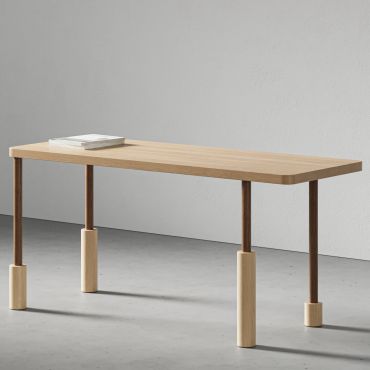
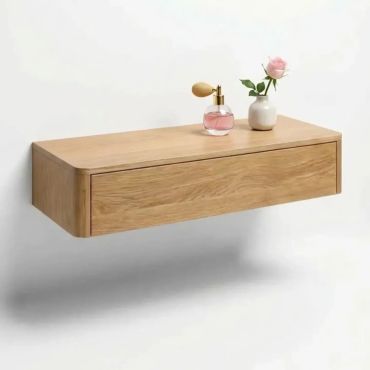
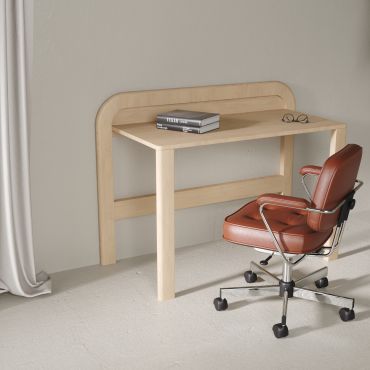
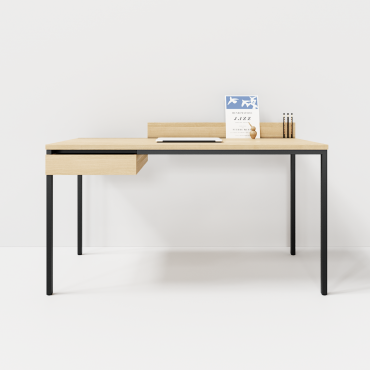
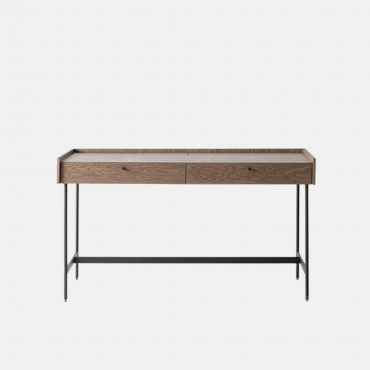
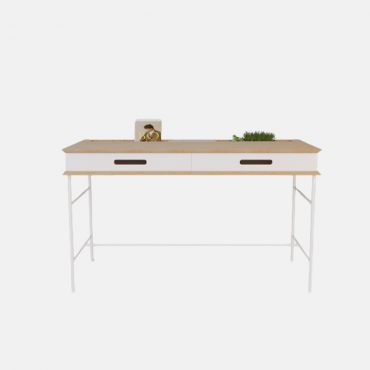
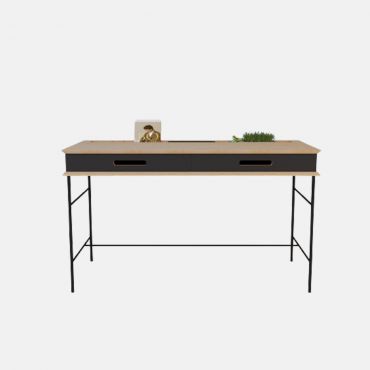
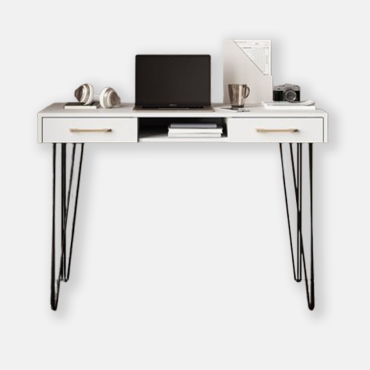
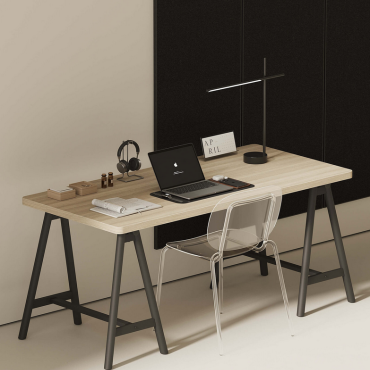
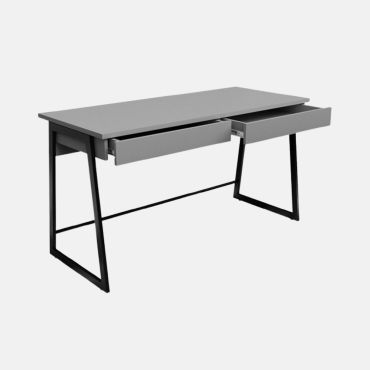
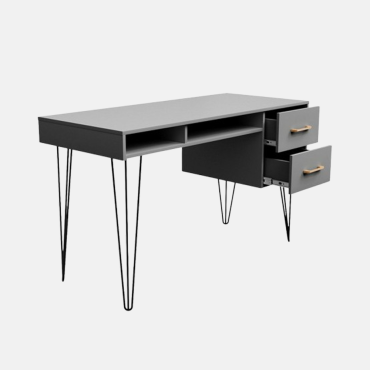
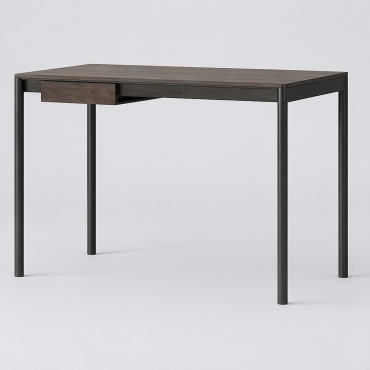
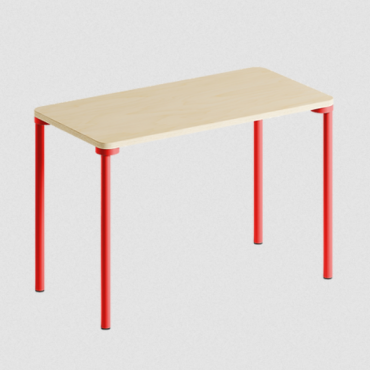
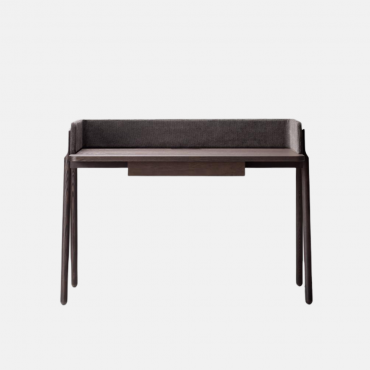
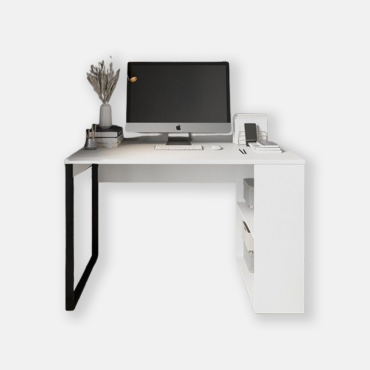
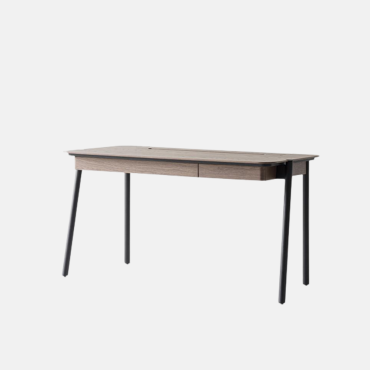
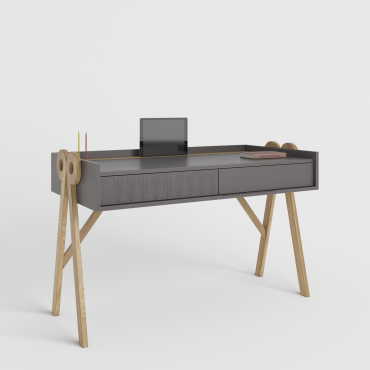
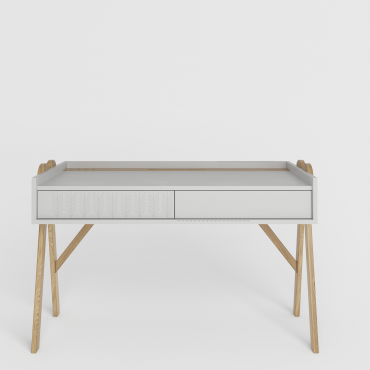
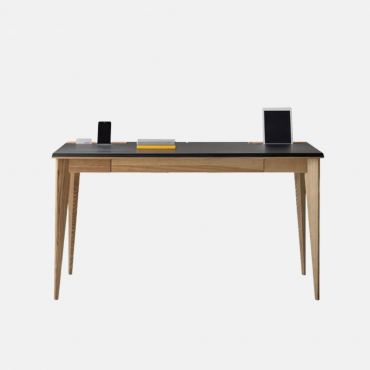
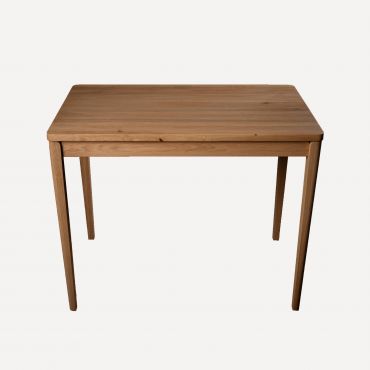
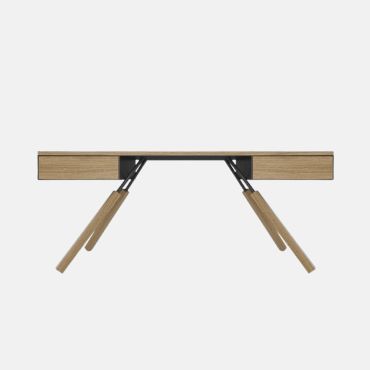
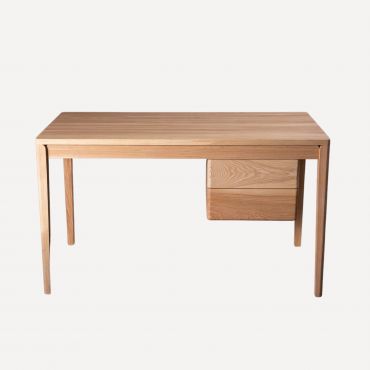
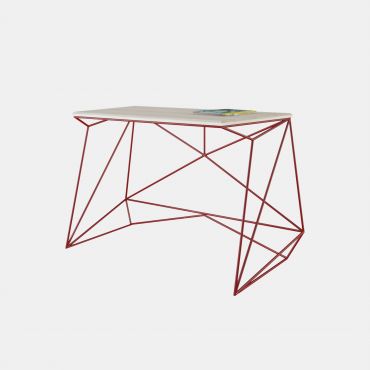
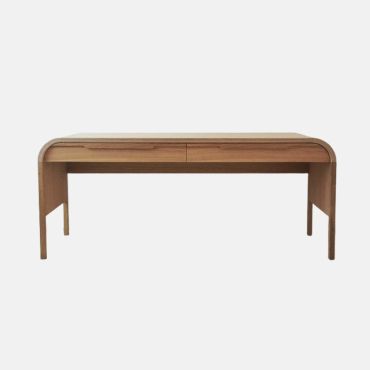
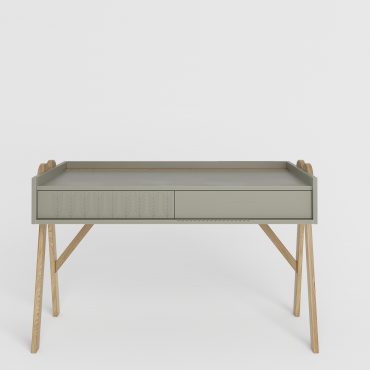
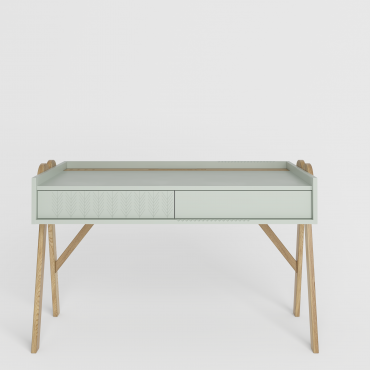
Writing Desks · How to Choose a Writing Desk for Home, Office and Creative Work
A writing desk is not just furniture. It is the place where you make decisions, read, write, work with documents or use a laptop. The way it is designed affects not only the comfort of your back and neck, but also your productivity. Interior designers often say that a workspace shapes the way we think. And writing desks set the tone for the entire work area.
We studied how Ukrainian buyers choose modern writing desks in 2026 and saw a clear trend. People are looking for an object that works in two roles at once: a functional work surface during the day and a design accent in the interior at all times. In this article, we explain how to choose a modern writing desk for your needs, what types exist, how to integrate them into different interior styles, and which mistakes to avoid before buying.
What a Modern Writing Desk Is and How It Differs from a Regular One
The classic writing desk of the previous decade was a heavy cabinet-like piece with drawers, dark wood and a solid construction. It was designed for a person who spent eight hours a day filling out paper documents. Today, everything is different. Work has moved into the laptop, paper has almost disappeared, and the home office often shares space with the living room or bedroom.
That is why modern writing desks are a different kind of object. They are visually lighter, include thoughtful cable-management solutions, and delegate part of their function to additional elements: an upper unit, shelves or mobile cabinets. A good modern writing desk has one main quality: it does not draw attention when it is not needed, but becomes a reliable support when you need to focus.
Types of Writing Desks by Construction
Writing desks on the market vary widely. We divide modern writing desks into five main construction types. Each has its strengths and weaknesses, and each suits its own ideal use case.
Classic Desks Without an Upper Unit
This is the simplest format: a tabletop on legs, without an upper section. A classic writing desk without an upper unit is ideal when you need a minimalist workspace without visual noise. It suits people who work on a laptop and do not need much storage space for stationery. Its advantages are light construction, versatility and the ability to place it almost anywhere in the room.
There are downsides too: a simple writing desk does not give you a place to hide papers and accessories. If things tend to accumulate on your desk, the absence of an upper unit can quickly lead to clutter. That is why this type of writing desk works well with a separate mobile cabinet placed at the side, or with a wall shelf above the desk.
Writing Desks with an Upper Unit
Writing desks with an upper unit are a classic choice for a practical home office. The upper section may include shelves, open niches or closed compartments where you can keep books, folders, stationery, photos and plants. The height of the upper unit varies: some models reach 90 cm above the tabletop, while others are only 30–40 cm high.
This construction works well in small rooms where you need to make the most of vertical space. The desk is placed in a niche or corner, while storage moves upward. This format also suits children’s and teenagers’ rooms. If you are choosing a writing desk with an upper unit for a child, pay attention to shelf height: the shelves should be reachable without a step stool.
Writing Desks with Drawers
Writing desks with drawers are the most practical format for people who work with papers or have many small items. Drawers allow you to hide everything unnecessary from view, keep the surface clean and quickly find what you need. Configurations vary: one narrow drawer under the tabletop, a three-drawer cabinet on the side, a corner unit or pull-out organizers.
A medium-sized writing desk with drawers usually has 3–5 drawers: one wide upper drawer for stationery and two or three deeper ones for folders. We recommend paying attention to the pull-out mechanism. Cheap runners start jamming over time, and drawers begin to tilt. A writing desk with drawers on ball-bearing or soft-close runners can serve for years without maintenance.
Writing Desks with Shelves
Writing desks with shelves are a hybrid: a classic desk below, with open shelves on the side or above the tabletop. Unlike an upper unit, the shelves are not closed, so everything on them remains visible. This is both an advantage and a drawback.
The advantage is that writing desks with shelves let you decorate the space. Books, plants, photos and a ceramic vase all shape the mood of the workplace. The drawback is that shelves collect more dust, and you need to maintain order because messy shelves immediately spoil the impression. We recommend this format for people who already have a habit of keeping things neat.
Corner and Combined Constructions
A corner writing desk is an option for rooms where you need to use the corner efficiently. The tabletop is L-shaped: one side for a laptop and monitor, the other for documents or a printer. It suits a home office of 5–8 square meters. It often includes one drawer cabinet in the inner corner.
Combined writing desks merge a desk with a wardrobe, a desk with shelving above the tabletop, or a console desk with a pull-out work surface. These are solutions for very small apartments, where the work zone needs to disappear during free time. The more functions one piece has, the more important the quality of its hardware and mechanisms becomes.
How to Choose a Writing Desk: Six Parameters
Choosing the right writing desk is where 80 percent of buyers stumble. In practice, we see that disappointment after purchase usually comes from mistakes in one of six parameters. Let’s go through them one by one.
Tabletop Size
For laptop work, a writing desk should be at least 90 cm wide; the optimal width is 120–140 cm. For working with a monitor and documents at the same time, choose from 140 cm. For two monitors, choose from 160 cm. Tabletop depth: 50 cm minimum, 60–70 cm optimal.
Do not save on size. A writing desk that is slightly too small will bother you every day. A writing desk that is slightly larger than necessary simply takes up more space, but works without restrictions. It is better to pay for an extra 20 cm of width than to live with a cramped workspace.
Height and Ergonomics
The standard height of a writing desk is 75 cm. This is a universal mark designed for people 160–180 cm tall. If you are taller than 185 cm or shorter than 155 cm, the standard height will be uncomfortable. Look for height-adjustable models or order a custom writing desk.
Check the ergonomics before buying: when sitting at a modern writing desk on a work chair, your elbows should form an angle of about 90 degrees. If your shoulders rise or your arms hang down, the height does not suit you. Desk discomfort accumulates, and after a year or two, the wrong height can lead to chronic shoulder pain.
Material
Writing desks made from solid natural wood are a long-term classic. Natural oak, ash, beech and walnut last for decades, develop a beautiful patina and can be restored. A veneered wooden writing desk is cheaper than solid wood, but requires more careful care because veneer damage is harder to repair.
MDF with a laminated surface is a practical budget option. An MDF writing desk is light, tolerates damp cups and is easy to clean. Metal works well for a loft-style frame, but needs a wooden or glass tabletop. Glass is beautiful but impractical: every fingerprint is visible, and stationery can scratch the surface.
Color
White is the most popular choice for home offices. White writing desks fit easily into Scandinavian, minimalist, japandi and soft modern interiors. A white writing desk visually lightens the space, especially in a small room.
But white has a drawback: dust, fingerprints and coffee stains are visible on it. That is why a white writing desk works well in adult offices, but in a child’s room or for someone with an active schedule, dark wood may be a better choice. If you want white, choose a matte finish.
Storage Systems
What do you really need in a writing desk? If you only work with a laptop, a clean tabletop is enough. If you have many documents, you need writing desks with drawers. If you use books and stationery, writing desks with shelves or an upper unit will be useful. Answer honestly instead of relying on “maybe I’ll need it someday.”
We often see people buying a writing desk with a cabinet “just in case,” and the cabinet remains empty for years. It is better to choose exactly the configuration you need today and add separate organizers later if the need appears.
Style and Design
A writing desk often becomes one of the largest furniture pieces in the room, especially when it stands in a living room or bedroom. Its style should therefore be considered in the context of the whole interior. If the interior is already formed, choose a writing desk that relates to it: the tabletop material can echo the floor or windowsill.
If the interior is still being built, choose a writing desk that sets the tone. Do not try to make the desk completely neutral: neutral objects rarely work, and more often disappear. It is better to choose a model with character, then build the rest of the furniture around it.
Writing Desks in Different Interior Styles
Every interior style has its own logic of working with a writing desk. We will look at eight key directions and show which writing desks work in each.
Minimalism
In minimalism, a modern writing desk is a surface and nothing more. No upper units, a minimum of drawers. Colors: white, graphite, black. Material: uniform, such as plain MDF, thin glass on metal legs, or minimalist veneer without decor. The desk should either merge with the wall or form a clear silhouette in a neutral space.
Scandinavian Style
Scandinavian interiors love light wood and simplicity. Writing desks made of ash or white oak work well here, with slim legs and no massive cabinets. Drawers are minimal; open shelves are more common. The palette includes white, warm sand and soft gray. You can add an accent: a black handle, a bronze detail or a linen desk mat.
Loft
Loft writing desks are a category of their own. They use rough wood, often reclaimed boards with patina, a metal frame, open mechanisms and visible rivets. A loft writing desk often has metal legs in an X or H shape and a solid oak tabletop with natural cracks and knots.
A loft writing desk works well in apartments with brick walls, concrete and high ceilings. Colors include dark wood, black metal and bronze. Loft does not love perfection: light wear, patina and irregularity are part of the style.
Modern Style
Modern style balances minimalism with a lived-in interior. Modern writing desks often have one accent element: an unusual handle, a colored tabletop or contrasting legs. The palette ranges from neutral to deep: olive, terracotta, graphite, wet stone.
A good modern writing desk looks both functional and designed. It is not as austere as minimalism, but not as layered as eclectic interiors. It is a balance with room for character.
Japandi
Japandi is a synthesis of Japanese minimalism and Scandinavian warmth. Writing desks made of warm-toned wood, such as oak or ash, work well here, with simple lines and straight legs. No decorative elements. The palette includes cream, sand, warm gray and dark walnut. Details are minimal: a simple brass handle, a linen organizer, a ceramic stand.
Mid-Century Modern
This is the 1950s, retro silhouettes and warm wood tones. A writing desk in this style has tapered legs, walnut or teak veneer, and laconic handles. It may have a colored tabletop: mustard, olive or dark turquoise. This writing desk is a separate design object that shapes the atmosphere of the room.
Eclectic
Eclectic interiors allow everything, and that makes them the most difficult. In such an interior, a writing desk should have a voice: vintage, expressive or combining different eras. A classic carved wooden bureau next to a modern ergonomic chair makes the space feel alive.
But do not confuse eclecticism with randomness. A writing desk should echo other objects in the room through color, shape or period. If you place a vintage writing desk, there should be at least one more vintage object somewhere in the room.
Soft Modern Interior
In a soft modern interior, a modern writing desk should have gently rounded corners, warm-toned wood and preferably a visible texture relief. No sharp corners or cold glass. The palette includes caramel, latte, warm sand, vanilla and dusty rose. Details: a textile desk mat, a ceramic vase, warm lamps.
Integrating a Writing Desk into Small and Large Spaces
Room size affects not only the dimensions of the writing desk, but also how it reads in the spatial composition. Modern writing desks work differently in small and spacious rooms: the same format can fit perfectly into a 12 m² bedroom and look lost in a large office. That is why we always advise looking not only at desk size, but also at the proportions of the room.
Small Rooms
In apartments under 50 square meters, a writing desk often has to fit into an existing space: a corner of the living room, a bedroom niche or part of a balcony. Here it is better to choose compact models 80–100 cm wide and 45–50 cm deep. Choose a color that matches the walls or is lighter.
If the writing desk stands in the living room, choose a design that does not look office-like. Slim legs, a wooden tabletop, a minimum of office attributes. The desk should feel like a console table with a chair, not a separate work zone.
Spacious Home Offices
In larger rooms of 12 square meters and above, you can choose a full-sized writing desk 140–180 cm wide with a cabinet and upper unit. Here, the writing desk becomes the compositional center, so its design shapes the impression of the room.
A good option is a writing desk by the window, perpendicular to the wall, with shelves above it or a shelving unit nearby. Spacious offices also work well with a two-zone format: a main writing desk for laptop work plus a separate side table for printing, drawings or meetings.
What to Check Before Buying
A writing desk has several technical details that matter. We often see buyers later regretting their choice because of these small things, so let’s look at them carefully.
Tabletop quality comes first. Edges should be applied evenly, without burrs. The surface should be flat, without bubbles, stains or uneven areas. If the tabletop is veneered, check whether there are joints with a visible change in texture. A quality writing desk should not have rough patches; the smoothness should be consistent across the entire surface.
Frame and legs come second. Tap them: solid wood legs sound dense, MDF sounds hollow. Check how the writing desk stands on the floor: it should not wobble or creak when you lean your hands on it. Place your hands on the tabletop and press down; the desk should hold the weight without vibration.
Drawers come third. If you are choosing a writing desk with drawers, pull each one out fully. It should move smoothly, not drop and not jam. When closing, it should not slam if the desk is in the premium segment. Check how fully the drawer extends: budget models often open only 60–70 percent.
Cable management comes fourth. A modern writing desk should have an opening for laptop, monitor and lamp cables. If there is no opening, you will likely make one later, but less neatly. Cable holders under the tabletop and a plug opening in the back of the cabinet are also useful.
Hardware comes fifth. Look at door hinges, handles and shelf fittings. Cheap hardware begins to loosen, creak and bend after a year or two. It is better to invest from the start in a writing desk with quality metal hardware.
Common Buyer Mistakes
We see these mistakes every day when helping clients choose a writing desk, and we want you to avoid them.
The first mistake is saving on height. Budget writing desks often have a height of 73–74 cm instead of 75. It seems minor, but after a year or two, back discomfort will become noticeable.
The second mistake is buying a writing desk “to grow into” for a child. A teenager’s desk 110 cm wide will soon become too small. It is better to buy an adult model right away and adapt it to the child’s height with a cushion or a different chair height.
The third mistake is ignoring lighting. A writing desk by the window is good, but if the window is behind your back, there will be glare on the monitor. If the window is on the left for right-handed people, that is optimal. If there is no daylight, you need a quality desk lamp.
The fourth mistake is buying a writing desk for a laptop and adding a monitor a year later. A desk that fits a 13-inch laptop perfectly may be too small for a 27-inch monitor with a keyboard. Think two or three years ahead.
The fifth mistake is forgetting the chair. A desk and chair work as a set. An expensive designer writing desk with a very cheap office chair does not work. The chair budget should be comparable to the desk budget.
Care and Use
A quality writing desk can serve for decades if you know how to treat it.
Wipe a wooden writing desk once a week with a microfiber cloth and minimal water. Once every year or two, refresh it with wax or wood oil, especially the edges and corners. Keep hot cups on coasters: even lacquered wood can develop white heat marks.
A writing desk made of MDF or with a laminated tabletop is more practical in care. It can be cleaned with a damp sponge and mild detergent. Do not use abrasives: they leave micro-scratches that later collect dust. Clean glass tabletops with streak-free glass cleaner.
If you have writing desks with drawers, remove the drawers every six months and clean dust from the runners. If the mechanism begins to squeak, a drop of silicone lubricant will make it work like new again. Check the desk itself once a month to make sure all frame screws are tightened.
A separate note about sunlight. If your writing desk stands in direct sun, the surface fades unevenly: where objects often lie, the color remains, while the surrounding area becomes lighter. This is especially visible on wooden desks.
Designer and Custom Solutions
Standard writing desks cover most needs, but there are cases where it is better to order a custom writing desk.
The first case is a non-standard space size. If you have a narrow 95 cm niche, a standard writing desk 90 or 100 cm wide will not fit properly. It is better to make one to exact millimeters.
The second case is a special storage configuration. If you are an artist or architect, your writing desk may need drawers for large A1 sheets. Standard models usually do not offer that.
The third case is an interior design project where the writing desk reads as part of a composition together with a wardrobe, shelving unit or bed headboard. Custom production gives control over wood tone, hardware and shape.
The Practical Value of a Quality Writing Desk
One correctly chosen writing desk is an investment for decades. It sets a productive work rhythm because the ergonomics do not exhaust the body. It keeps its form because the frame and tabletop are made from durable materials. It does not go out of style because the design is considered, not merely trendy.
If a writing desk is chosen correctly, it lives with you for 10–15 years without needing replacement. If not, you replace it every three or four years, losing both money and patience while searching for a new one. That is why we always advise investing more in workplace furniture than seems necessary at first.
Another value is that a good writing desk creates a culture of work. You do not want to throw piles of paper onto an expensive, well-designed writing desk. It disciplines you: you want to keep it tidy, and it becomes a support for focus. A cheap desk often turns into storage for random things because “there is nothing to protect.” A quality writing desk, on the contrary, builds respect for space and time. And that supports productivity no less than an ergonomic chair.
Why Buy Writing Desks at MAIIMO
At MAIIMO, we have gathered a selection of writing desks from young Ukrainian studios and craft workshops. To buy a writing desk from us means to receive an object we have checked personally: we examined the tabletop, tested the drawers and assessed the stability of the frame.
We do not chase assortment; we curate it. That is why the catalog does not contain dozens of identical models. It includes several dozen genuinely different writing desks, each with its own character. If you want to buy a writing desk for a specific interior, our team will help you choose a suitable model.
Most writing desks are available in several sizes and colors. Some pieces can be ordered with non-standard dimensions or in another material, because we work directly with production workshops. Buying writing desks at MAIIMO also means service: we advise on ergonomics, cable management and pairing the desk with a chair.
Local production is an approach for us. The workshops that make our modern writing desks are located in Ukraine. This means a shorter production cycle and the ability to make corrections quickly. It is also an environmental advantage: a shorter logistics route means a smaller carbon footprint. And it supports Ukrainian craft at a time when it needs that support most. Every writing desk you order from us is part of the Ukrainian design ecosystem, from the designer to the craftsperson who assembles the piece in their workshop.
10 FAQ
What Size Writing Desk Should I Choose?
For laptop work, the optimal writing desk width is 100–120 cm, with a depth of 50–60 cm. This is enough to leave room for a notebook, cup and phone. If you plan to add an external monitor, choose a writing desk at least 140 cm wide.
For two monitors, a writing desk should be at least 160 cm wide. For artistic or creative work with large-format paper, choose from 180 cm. Do not save on size: a desk that is slightly too small will bother you every day.
Which Is Better: Writing Desks with Drawers or Writing Desks with Shelves?
Writing desks with drawers are for people who like to hide everything from view: documents, stationery and small items. The surface stays clean because everything has its place inside. This is a format for adult offices where focus matters.
Writing desks with shelves are for people who want everything within reach and like a workspace decorated with books, plants and photos. Shelves work like a display, but they require order. If the choice is difficult, choose a writing desk with one drawer plus a small shelving unit nearby.
Do I Need an Upper Unit for a Writing Desk?
A writing desk with an upper unit is justified in three cases. First, you have little room and need to use vertical space. Second, the writing desk is for a teenager or student: an upper unit with open niches organizes the study area well. Third, you have many printed folders and documents.
It is not worth choosing a writing desk with an upper unit if you work only with a laptop and do not need physical storage. The upper unit will create an office-like feeling, visually narrow the desk and collect dust. It is better to choose a simple writing desk without an upper section and add a separate wall shelf nearby. This is a more flexible solution that can be removed or changed if your needs evolve.
How Do I Choose the Material for a Writing Desk: Wood, Metal or MDF?
A solid natural wood writing desk is the most durable option. Oak, ash, walnut and beech each have their own tactility and color. Wood develops a beautiful patina over time, and small damage can be restored. It is an investment for 15–20 years.
MDF with a laminated or veneered surface is a practical budget writing desk. It is light, tolerates damp cups and is easy to clean. Metal is good for the frame, but cold to the touch as a tabletop. Glass is aesthetic, but impractical in everyday use.
What Height Should a Writing Desk Be?
The standard writing desk height is 75 centimeters. This universal height is designed for people 160–180 cm tall. If your height falls within this range, the standard should work. If you are taller than 185 cm, the writing desk should be raised to 78–80 cm.
If you are shorter than 155 cm, a standard writing desk will be too high: your elbows will be raised and your back may round. In this case, look for models 70–72 cm high. The test is simple: while sitting on a chair, your elbows should form an angle of about 90 degrees.
What Should I Consider When Buying a Writing Desk Online?
First, exact dimensions. Measure the space where the writing desk will stand from all sides: width, depth and height from floor to ceiling. Leave at least 50 cm behind the chair for free movement.
Second, real color. In photos, a writing desk may look different than it will in the actual light of your room. Look for stores that show real interior photos, not only renders. Third, delivery and assembly: a good store offers floor delivery and assembly, as well as the possibility of return.
How Do I Fit a White Writing Desk into Different Interiors?
A white writing desk is a versatile object that fits into almost any modern interior. In Scandinavian style, it merges with walls and light furniture; in minimalism, it supports a clean palette; in a soft modern interior, it creates a sense of lightness. In japandi, a white writing desk can become the dominant element.
It is better not to place a white writing desk in a loft interior with brick or in classic offices with dark wood: it will look foreign there. In a child’s room or a home with active pets, a white desk can quickly lose its fresh look. If you want white, choose a matte surface.
How Do I Set Up a Home Office in a Small Room?
Look for a writing desk 80–100 cm wide and 45–50 cm deep. Place it perpendicular to the wall with the window so that daylight falls from the left. Above the desk, add one shelf or a small two- or three-level shelving unit. A monitor arm saves space.
Cable management is critical in a small room: hanging cables visually clutter the space. A writing desk should have a cable opening and holders under the tabletop. Choose a light color or one that matches the walls so the piece dissolves into the composition.
Is It Worth Paying More for a Designer Writing Desk?
It depends on how much time you spend at the desk. If you need a writing desk for 30 minutes a week to pay bills, a standard budget option is enough. If you work at it for 6–8 hours a day, investing in a designer model pays off in years of comfort.
A designer writing desk is not just more beautiful. It has better materials, such as solid wood instead of MDF, better hardware, such as soft-closing drawers, and more thoughtful ergonomics. It serves for 15–20 years without losing its appearance. Over years of use, it can be cheaper than a budget option.
How Do I Care for a Wooden Writing Desk?
Wipe a wooden writing desk once a week with a microfiber cloth and minimal water. Do not leave wet cloths on the surface: wood absorbs moisture and may deform. Hot cups and plates should only be placed on coasters.
Refresh the protection once every year or two. If your writing desk has an oil finish, apply a layer of wood oil; for a lacquered finish, use a special polish. Be especially careful with edges and corners. If a scratch appears, it can be masked with wax in a matching shade or handled by a restorer.
Writing desks are part of a broader world of designer furniture for the home. If you're still shaping your space and want to see the full picture, explore our catalogue of designer tables — it covers every type, from coffee and bedside tables to consoles and dressing tables.