Designer artisan chairs
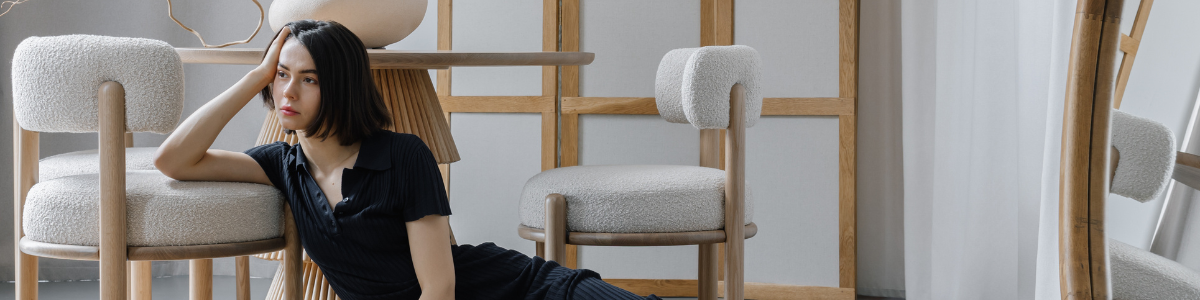
Get sitted in the most comfortable way
The best place to sit in your new home is just a few clicks away. Available in various shapes, fabrics, and colors, we have the designer chair that is perfect for you - bar stool, comfortable ottoman, dining or office chair, we have selected the best.
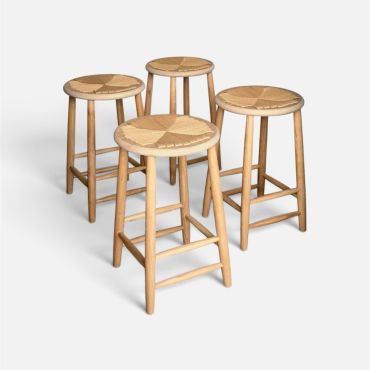
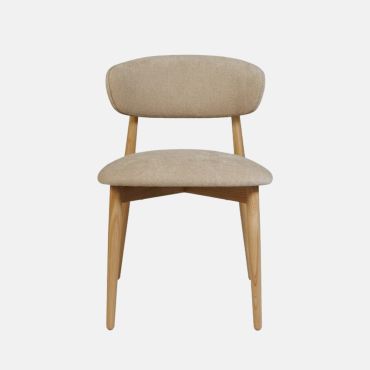
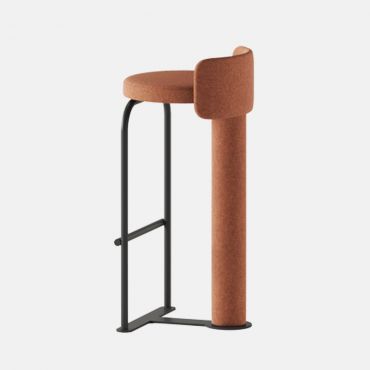
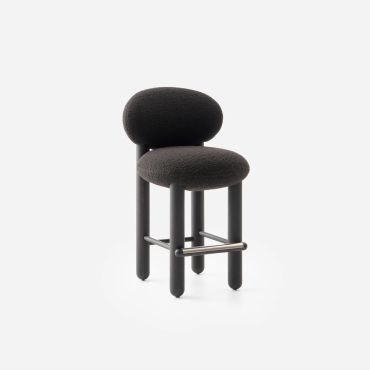
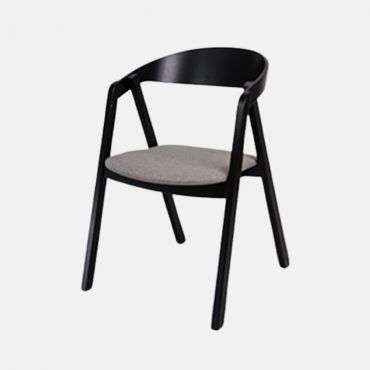
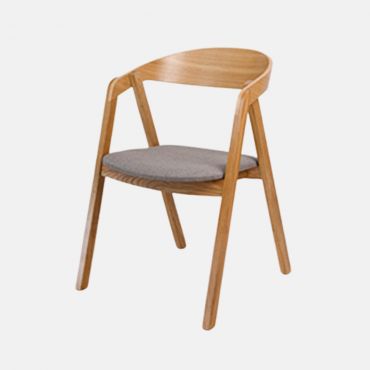
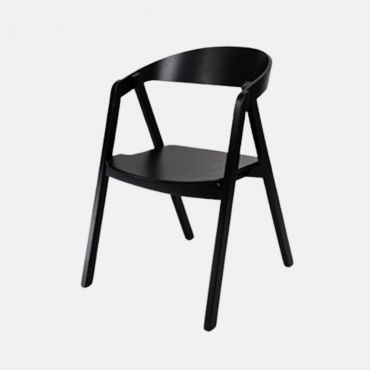
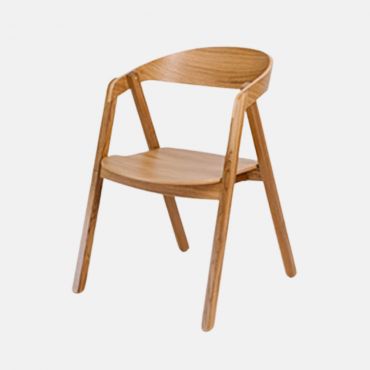
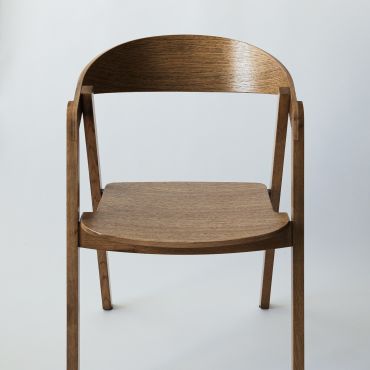
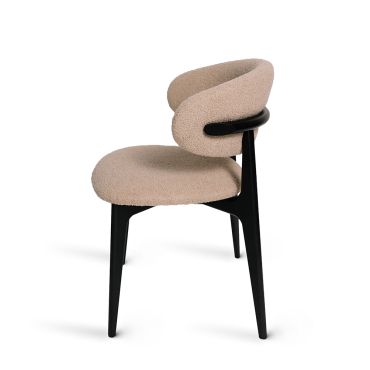
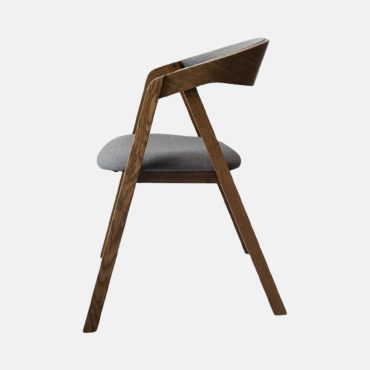
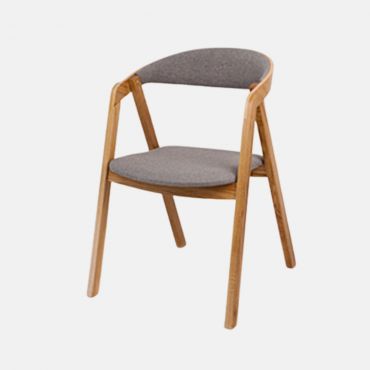
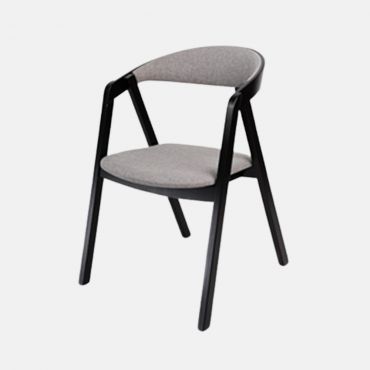
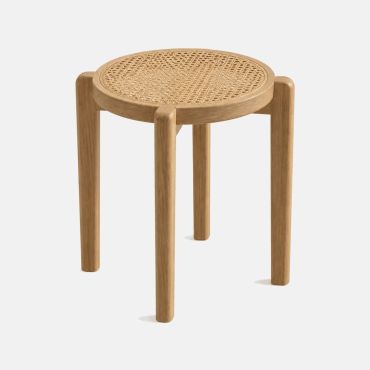
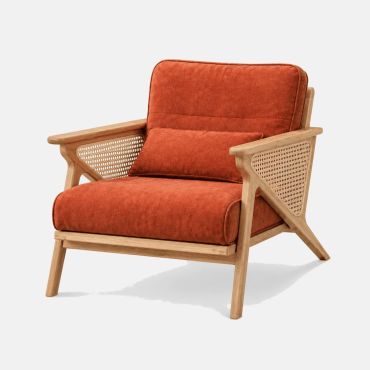
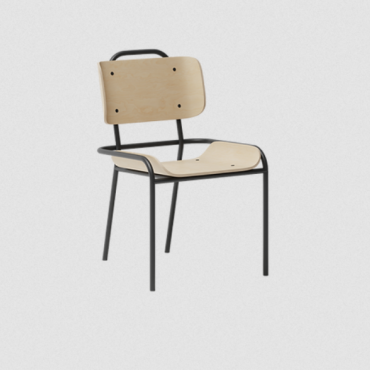
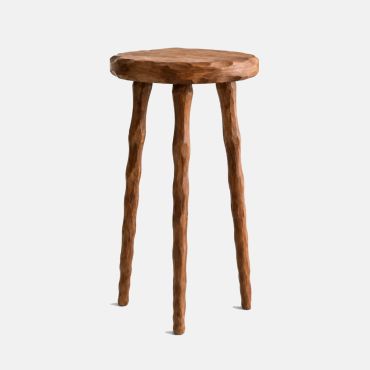
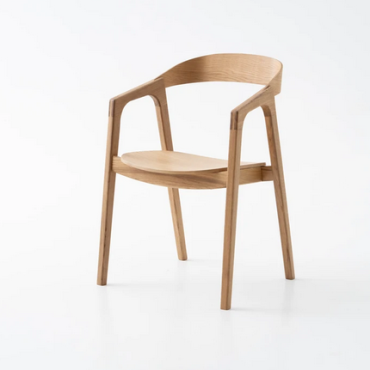
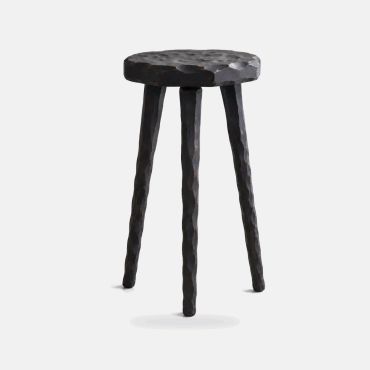
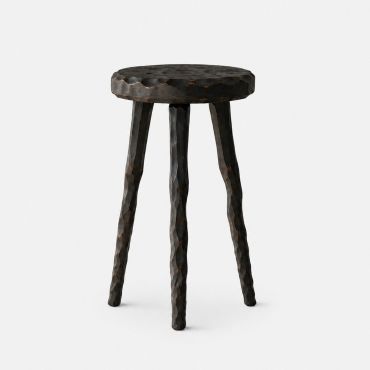
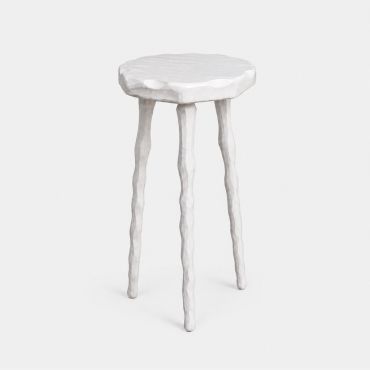
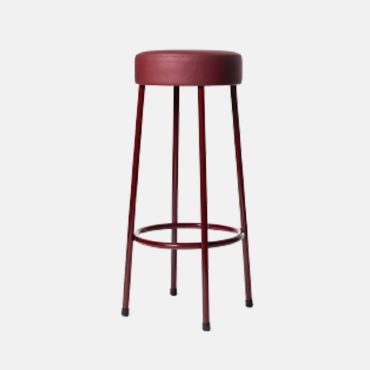
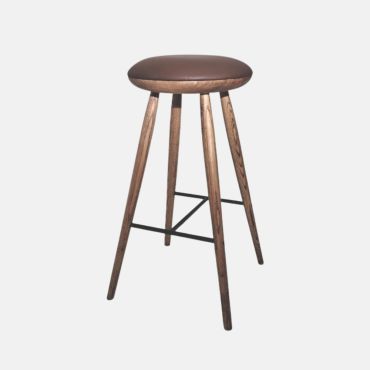
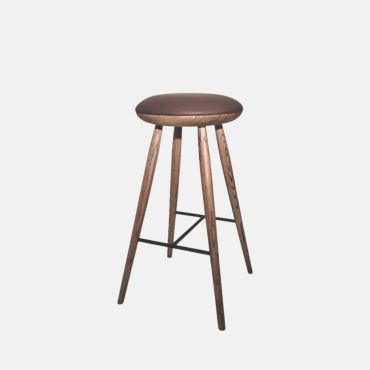
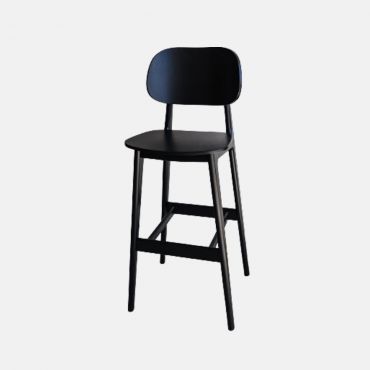
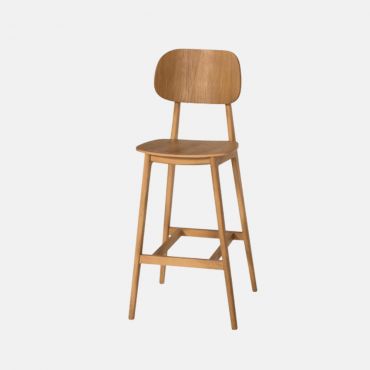
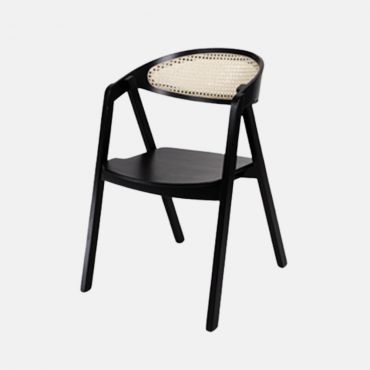
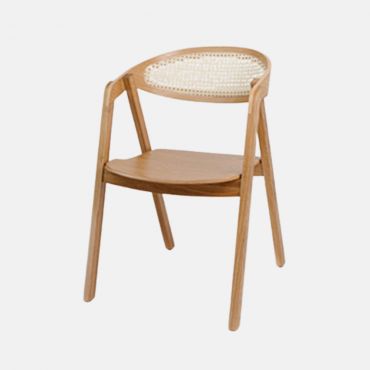
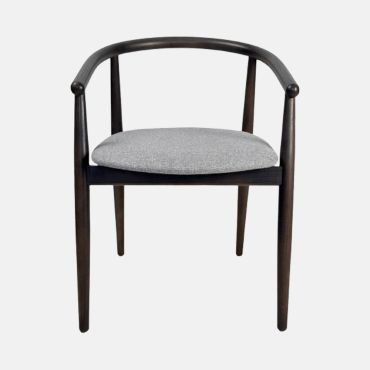
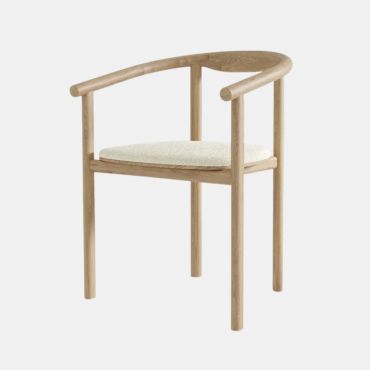
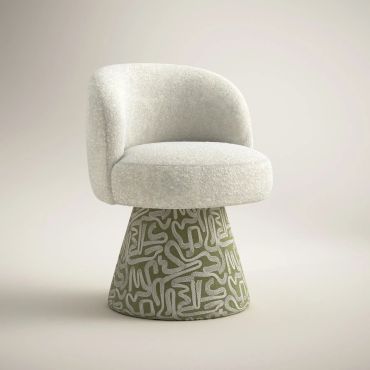
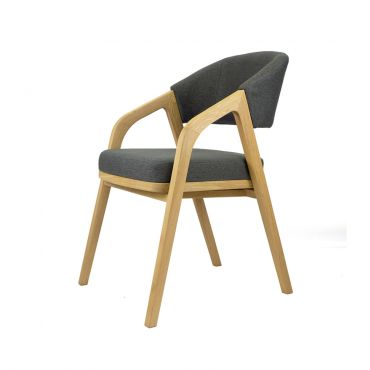
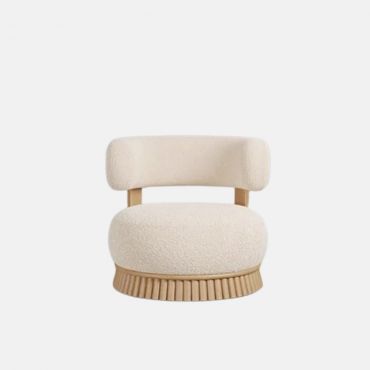
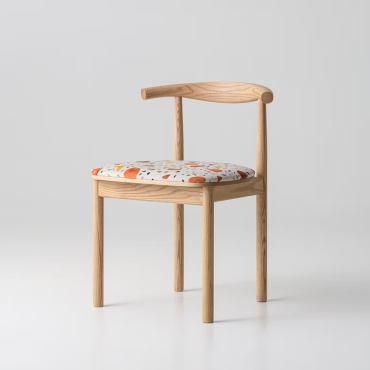
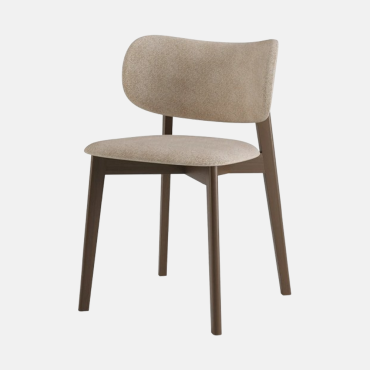
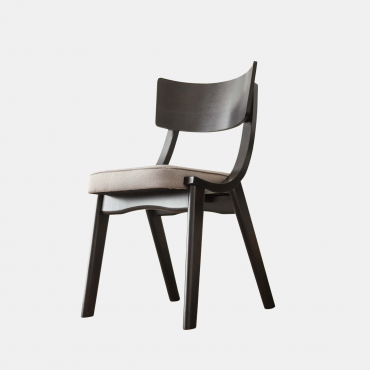
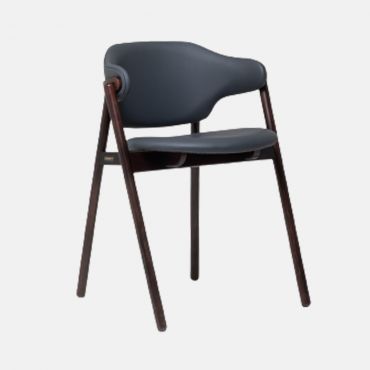
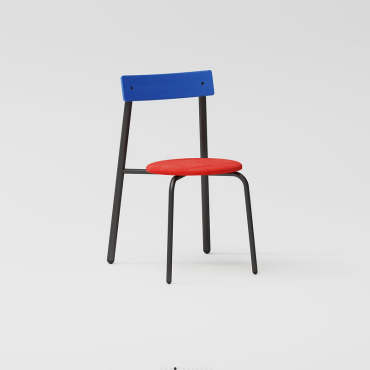
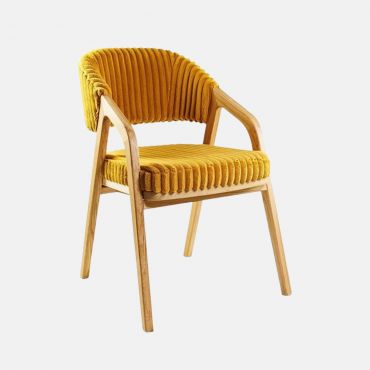
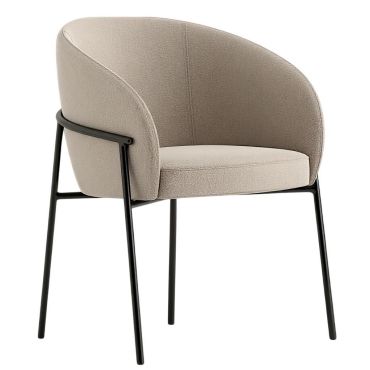
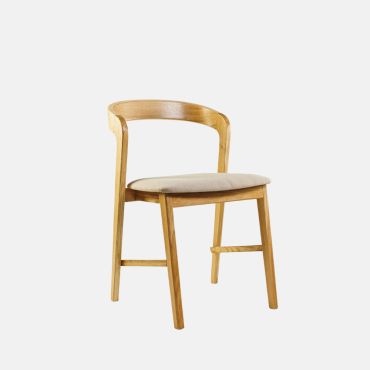
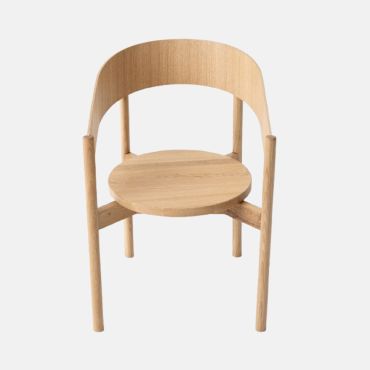
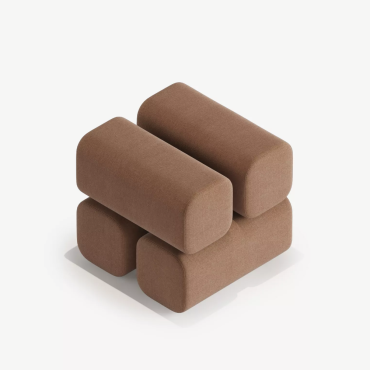
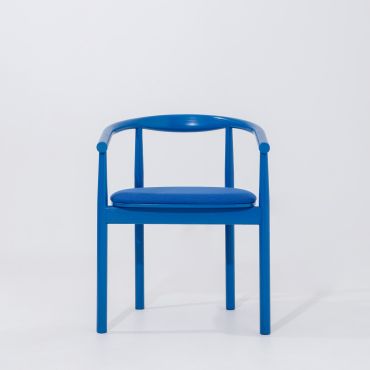
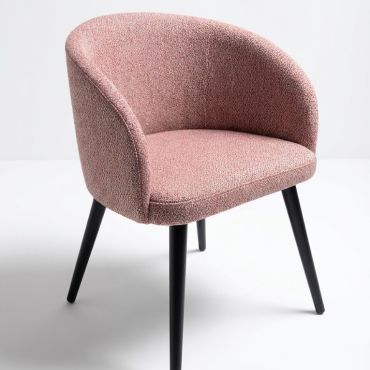
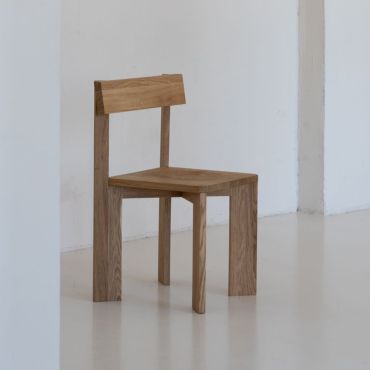
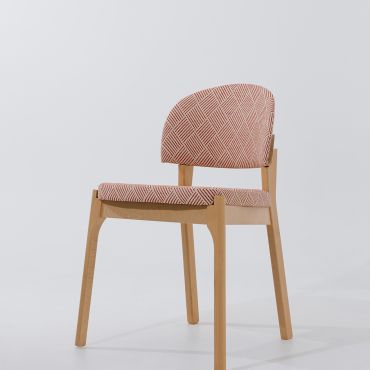
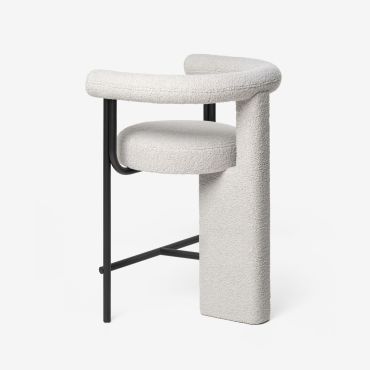
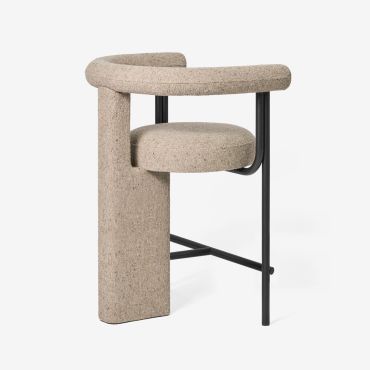
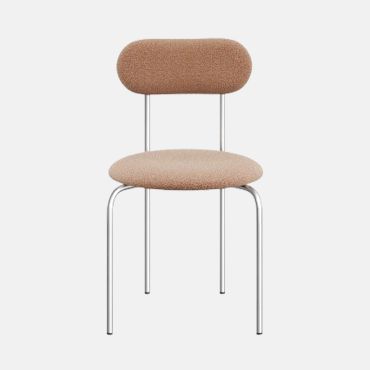
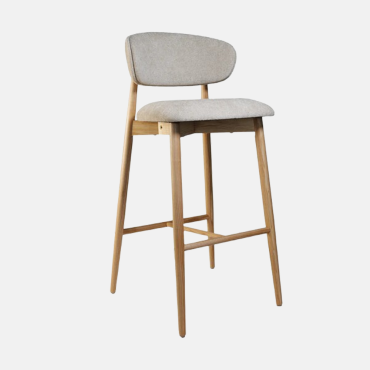
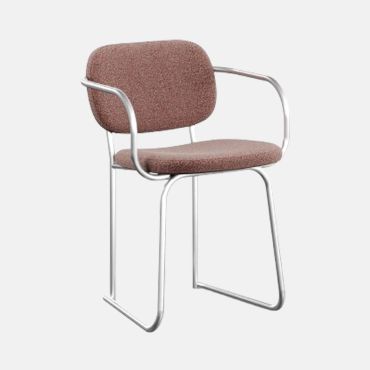
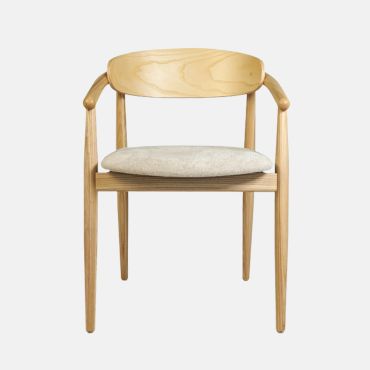
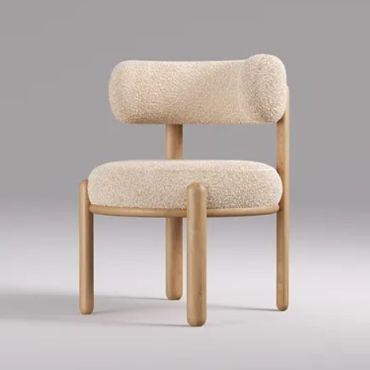
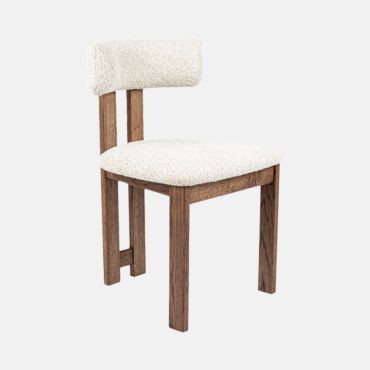
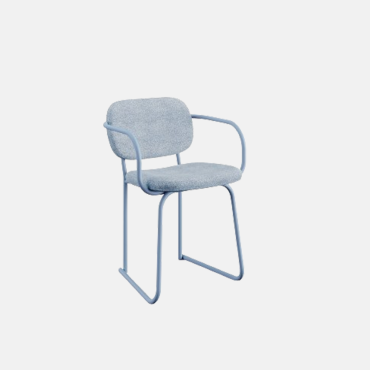
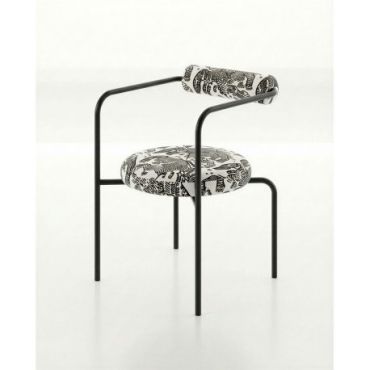
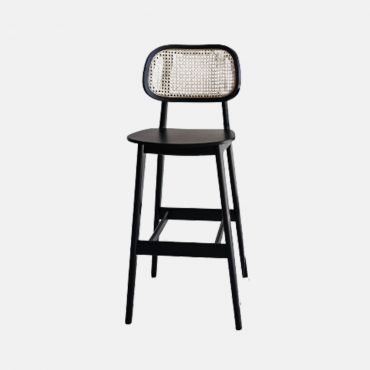
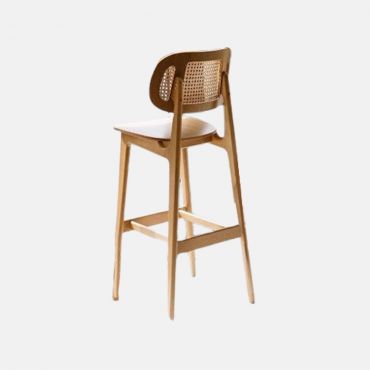
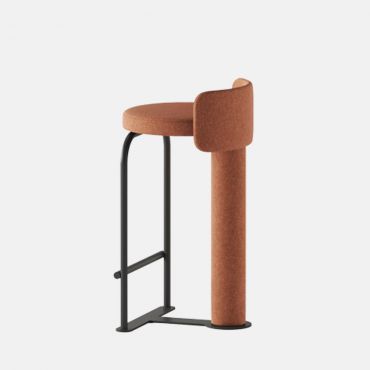
Designer Chairs — A Catalogue for Those Who Choose with Intent
A chair is often the first piece of furniture a guest notices. It can be functional and invisible, or it can become the anchor around which the entire interior is built. Designer chairs are the second scenario. They carry an idea, a maker's perspective, and a material quality you sense even before you sit down.
At MAIIMO we source chairs that do not appear in standard furniture chains. Behind each model is a specific craftsperson's or studio's decision: choice of material, proportions, backrest height, angle of recline. These details are not obvious at first glance, but they determine whether you will still feel comfortable after a year of daily use — not just on the day of purchase.
This catalogue covers designer chairs for different spaces and purposes: from living rooms and kitchens to cafés and meeting rooms. You will find stylish chairs with a minimal metal frame, models in dense velvet suited to japandi interiors, wooden forms in the Scandinavian tradition, and complex constructions in the spirit of mid-century modern. Whatever the style, every piece in the MAIIMO catalogue has passed a three-point selection: authorial concept, quality of execution, long-term durability.
If you are looking to buy designer chairs not just to fill a space but to define the mood of a room, you are in the right place. Below is everything worth knowing before making your choice.
What Makes a Chair a Designer Chair: Qualities, Craft, Approach
The word "designer" in furniture is often used as a marketing label. In practice it means something specific: the piece was developed by an identified author or studio with a clear concept — not assembled from generic components on a factory floor with no artistic intention.
We see several defining qualities of a true designer chair in practice. First, a recognisable form: even without a label, the maker's handwriting is immediately visible. Second, considered proportions: seat height from the floor, depth, and backrest angle are calibrated so the body sits naturally rather than compensating. Third, quality of joints: where mass-market pieces hide nails and glue, a designer piece presents the joint as part of the aesthetic.
A further quality is honesty of material. Wood remains wood, with its own grain and texture; metal keeps its welded seams or, depending on the concept, a perfectly ground surface. No wood-effect films, no decorative plastic trims that peel away in three years.
A designer chair costs more than a mass-market equivalent. That premium is justified: you are paying for a resolved idea, not just a volume of material. A well-engineered chair serves for decades — the long-term economics strongly favour quality. We have found that clients who invest in well-made original chairs once rarely return for "a replacement pair" precisely because they chose correctly the first time.
Types of Designer Chairs in the MAIIMO Catalogue
The catalogue covers a wide range of formats. Here are the main types to help you navigate from the start.
By Material: Metal, Wood, Plastic, Faux Leather, Velvet
A metal frame is the most popular choice in contemporary interiors. It is visually light, physically strong, and gives the designer enormous freedom of form. Matte black steel works well for loft and industrial styles; chrome surfaces suit minimalism and high-tech. Metal is often paired with wood on the seat or backrest — one of the most balanced material combinations available.
Wood brings warmth and natural character. Solid oak, ash, or walnut in the legs or shell immediately shifts the tone of a space towards the organic. Wooden forms thrive in Scandinavian, japandi, and modern-classic interiors. If you are looking exclusively for wooden models, our catalogue of wooden chairs has the relevant selection.
Plastic and polypropylene have long moved beyond "budget option" territory. Modern moulded polypropylene allows complex ergonomic forms impossible to replicate in wood or metal. Chairs with a monolithic plastic shell are easy to clean, lightweight, and stable — an excellent choice for the kitchen and terrace.
Upholstery — faux leather, genuine leather, fabric, velvet — transforms a chair from a functional object into an accent piece. Velvet in saturated colours (emerald, deep blue, walnut brown) is currently one of the most searched categories in the MAIIMO catalogue. If softness and extended sitting comfort are a priority, explore our section on upholstered chairs.
By Use: Home, Café, Restaurant, Office
Home chairs prioritise aesthetics and comfort — they are designed for extended sitting, so ergonomics come first. Designer chairs for the home at MAIIMO are mainly models with a padded seat or upholstery, often with armrests or a curved backrest.
Chairs for public spaces — café chairs and restaurant chairs — follow a more pragmatic logic: stability, upholstery durability, and the ability to stack. Yet design plays a particularly important role here: the atmosphere of a venue begins with its furniture. We select models that retain their appearance after thousands of use cycles.
By Style: Loft, Scandinavian, Japandi, Mid-Century, Minimalism
Loft chairs have a characteristic industrial silhouette: metal frame, often with rivets or visible bolts, a hard or minimally padded seat. Chairs in the loft style work well in spaces with exposed brick, concrete, and dark wood.
Scandinavian models feature slender legs, natural wood, and a neutral colour palette. Japandi adds more restraint and natural textures. Mid-century modern brings wide seats, tapered legs, and organic forms from the 1950s–1970s. Each style is examined in detail in the next section.
How to Choose a Designer Chair: 5 Practical Criteria
Choosing a chair is not only about appearance. We recommend evaluating five parameters before purchase.
Seat Height and Ergonomics
The standard seat height for dining chairs is 44–48 cm from the floor. This corresponds to the standard dining table height of 75–78 cm. If your table is a non-standard height, calculate the gap: there should be 27–32 cm between the table surface and the seat for a comfortable elbow position.
The angle of the backrest also matters. A vertical backrest suits short meals; a recline of 95–100° is better for extended sitting. Chairs without a backrest or with a low backrest work well as accent pieces but are not ideal for daily extended use.
Material and Maintenance
Every material has its own comfort zone. Fabric upholstery is warm and pleasant but absorbs kitchen odours. Faux leather wipes clean but is sensitive to sharp edges. Solid wood needs protection from moisture. A metal frame without a protective coating may rust in humid rooms.
We recommend asking the seller directly: how do you care for this specific model? A vague answer is a warning sign.
Colour and Texture in the Interior
A practical guide: if your walls or floor are in neutral tones, chairs can carry more colour. If the space is already rich with detail, opt for a neutral or muted chair. Try to echo at least one material or shade already present in the room — this makes the ensemble feel considered rather than random.
Texture also matters: smooth, glossy metal and matte fabric in the same space create a pleasing contrast. Two materials of the same type — for example, two different woods — often compete rather than complement each other.
Load Capacity and Frame Strength
Most quality chairs are rated for 100–120 kg. For hospitality settings we recommend models with a margin from 130 kg. Check how the legs are joined: metal corner brackets or internal steel ties are a good sign. A chair that wobbles in the showroom — we do not recommend it, no matter how good it looks.
Style and Room Context
A chair should not be the loudest object in the room — unless that is exactly the effect you want. For a calm, balanced space, choose forms and colours that complement rather than compete. If the chair is an intentional accent, it should be one or two pieces, with the rest of the space kept restrained.
Designer Chairs in Different Interior Styles
Interior style dictates not only wall colour but also the form, material, and silhouette of the furniture. Here we examine four of the most popular directions.
Loft and Industrial — Metal, Raw Texture
Loft chairs are built on the contrast between "raw" material and a considered form. Typical characteristics: welded metal frame without ornament, a plywood or leather seat, pin legs or a heavy horizontal base. Colours: matte black, steel grey, rust brown, dark leather.
In a loft space, a designer chair can look less "showroom" and more utilitarian — while being executed with precision. It is precisely this paradoxical combination of rough aesthetics and exact craftsmanship that defines the style.
Scandinavian Style and Minimalism — Light Wood, Pure Form
A Scandinavian chair features slender legs of natural wood (oak, birch, ash), a soft rounded backrest, often a monolithic plastic shell or fabric upholstery in pastel tones. The silhouette is light, almost transparent — so as not to "compete" with the space.
Chairs in the Scandinavian style thrive in apartments with abundant natural light, white or concrete walls, and minimal décor. They are rarely loud — more often they become part of a quiet, even rhythm of a space.
Minimalism goes further: maximum reduction of form, monochrome, the complete absence of decorative detail. A chair in a minimalist interior becomes almost a sculpture.
Japandi and Mid-Century Modern — Natural Materials, Clean Lines
Japandi is a synthesis of Japanese restraint and Scandinavian functionality. Chairs here are made from natural materials — bamboo, solid wood, linen — in muted tones, with clean lines. The emphasis is on the natural texture of the material rather than colour. A distinct category within this direction is rattan chairs: they combine the organic feel of woven material with restrained form, fitting equally well into japandi interiors, terrace spaces, and summer rooms.
Mid-century modern — the style of the 1950s–1970s that returned and stayed. Tapered legs, a wide seat with an organic contour, fabric upholstery in olive, mustard, and terracotta tones. Chairs in this style are instantly recognisable and always look slightly retro, but without kitsch.
Soft Contemporary and Eclectic — Velvet, Unusual Form
The contemporary interior without a strict style label is the most common scenario. Here a designer chair often serves as the primary accent: velvet in a deep tone, an unexpected backrest shape, legs in brass or gold. Unique chairs with contrasting upholstery colour or an unusual silhouette are an excellent solution for a living room where you want expressiveness without a radical redesign.
Eclectic style allows mixing different styles. The key rule: a shared material or colour thread that holds the ensemble together.
Designer Chairs for Different Spaces
Kitchen and Dining Room — Functionality and Style Together
In the kitchen, a chair takes the most wear: stains, impacts, friction against the floor. Easy-to-clean and easy-to-restore materials are essential. A popular choice is a metal frame with a faux-leather or plastic seat. These handle daily use and wipe clean with a damp cloth.
If you are looking for a solution for the dining table, also explore our catalogue of dining chairs — models specifically selected for dining rooms. For a kitchen with a bar counter or island, consider bar stools or counter stools, sized for counter heights of 90–105 cm.
Living Room — Accent Chair vs. Ensemble
In the living room a chair typically plays one of two roles. The first: an accent — a bold or unusual model that becomes a focal point beside the sofa or in a reading corner. The second: part of an ensemble — two or three chairs forming a conversation area or complementing a dining table in an open-plan layout.
For the living room we recommend choosing designer chairs with a slightly deeper seat (50–55 cm) and a supportive backrest, since people tend to sit here for longer periods. Upholstery in natural fabric or velvet adds warmth.
Café, Restaurant, HoReCa — Practicality and Aesthetics
In a hospitality venue a chair is part of the venue's visual concept. The atmosphere and first impression of a space is formed by the furniture. Stylish chairs in a café are an investment in the venue's brand, not just in guest comfort.
Practical requirements for HoReCa: a strong welded frame, durable upholstery, the ability to stack or fold compactly, and easy seat replacement in case of damage. If you need models in stainless steel for terraces or wet areas, browse our section on stainless steel chairs. For budget-conscious venue outfitting, explore our affordable chairs with quality construction.
Common Mistakes When Choosing a Designer Chair
We regularly observe several recurring mistakes when clients shop without a consultation.
The first is buying without measuring the table height. A beautiful chair with a 50 cm seat will not work with a 72 cm table — the 22 cm gap means you will be sitting as if on the floor. Always verify that heights correspond.
The second is choosing a material without thinking about the zone. A velvet chair looks luxurious, but in the kitchen it will accumulate grease splatter and odours. Practical materials for the kitchen; aesthetic materials for the living room.
The third is purchasing a matching pair of bold accent chairs. One chair with a striking form or colour is an accent. Two or three identical ones become a mass. If you want an accent, buy one and surround it with more restrained models.
The fourth is ignoring the weight of the piece. A very heavy chair is awkward to move; a very light one is unstable and drags the tablecloth when you push back. The optimal weight for a home chair is 4–7 kg.
The fifth is paying for a brand name without checking quality. A designer's name is not a guarantee. Hold the chair, check the joints, press on the backrest. Quality is felt physically.
Why Buy Designer Chairs from MAIIMO
MAIIMO is not another furniture shop with a standard catalogue. We deliberately seek out producers and studios whose work does not appear in mass retail chains. Our catalogue includes models by Ukrainian craftspeople who produce 50–200 pieces a year, and small design studios for whom each series is an authorial project rather than a production run.
We know every brand personally. When we recommend a specific model, we have seen it in person, checked the joints, sat in it, and discussed the construction details with the maker. This is what distinguishes us from aggregators that simply copy supplier product cards.
The assortment is continuously updated. We follow furniture exhibitions, new workshop openings, and shifts in the Ukrainian design scene. If something interesting emerges, it enters the catalogue. If a model no longer meets our quality criteria, we remove it.
We help you choose. If you are unsure which model suits your space, describe the interior, send a photo, and our consultants will suggest specific options — not a generic list. Free of charge and without any pressure to buy.
We deliver across all of Ukraine. Packaging is designed for safe transport — no scratches, no deformation, even for the most delicate velvet-upholstered models.
10 FAQ — Designer Chairs
What is a designer chair and how is it different from a regular chair?
A designer chair is developed by a specific author or studio with a clear concept of form, material, and function. It differs from a mass-market equivalent not only in appearance but primarily in approach: every detail is part of a resolved decision, not a default choice. This shows in the quality of joints, the precision of proportions, and long-term durability.
In practice the difference is felt across years of use. A mass-market chair at a low price point typically loosens within a year. A well-made designer chair at a higher investment level serves for decades while retaining its appearance. The long-term economics strongly favour quality.
Which materials are most durable for designer chairs?
Metal leads in durability — a welded steel frame with a protective powder coating lasts well over 15 years of active use. Solid wood such as oak or ash, with proper maintenance, serves 20–30 years. The least durable options are cheap faux leather and fabric without any protective treatment.
For hospitality settings and high-traffic zones, we recommend metal or polypropylene — materials that resist wear and are easy to restore. For living rooms and studies, solid wood or quality natural fabric upholstery tends to be the better choice. Always ask about the coating composition and the method of upholstery attachment.
How do I choose a designer chair for the kitchen?
In the kitchen, the priority is ease of cleaning and resistance to physical wear. We recommend faux leather, plastic, or metal with a removable, washable fabric seat pad. Avoid velvet and untreated natural fabric — they absorb odours and stains.
Also check the seat height relative to the table: the gap should be 27–32 cm. The standard dining table height is 75–78 cm; a standard seat is 44–48 cm. If you have a bar counter, you will need entirely different heights — look at our sections for bar stools and counter stools.
How do I choose a designer chair for the living room?
Start by defining the chair's role in the space: accent or ensemble piece. If the sofa is the dominant element of the living room, the chair can be bolder in colour or form. If the room is already rich with detail, choose a neutral option.
For extended sitting in the living room, seat depth matters — 50 cm or more — along with a supportive backrest. Velvet, woven fabric, or quality leather are the right materials for this zone. Check whether armrests are included: in the living room they are often warranted.
How much do designer chairs cost in Ukraine?
The range is wide: from UAH 2,000–4,000 for minimal metal or plastic models to UAH 15,000–30,000 for solid-wood or complex upholstery pieces from established studios. The best-selling segment at MAIIMO falls between UAH 4,000 and 10,000 — models with a good balance of design, material quality, and price.
It is worth reframing the cost: a contemporary designer chair at UAH 6,000 means a quality metal frame and durable upholstery that will last 10+ years. Amortised over time, this is less expensive than replacing cheap alternatives every 2–3 years.
Are designer chairs suitable for cafés and restaurants?
Yes, and in practice we see hospitality venues as the most active category for furniture renewal. The reason is straightforward: chairs are the first thing a guest sees, and they set the impression before the menu arrives. Designer models allow a venue to stand out visually and reinforce its concept.
For HoReCa, choose models with durable coating, welded frame construction, and stackability. We also recommend confirming the warranty period and spare-part availability with the manufacturer — for commercial use this is a material consideration.
How do I care for designer chairs?
Care depends on the material. Wipe a metal frame with a dry or lightly damp cloth; avoid abrasive cleaners. Treat wood with wax or specialist oil every 6–12 months. Vacuum fabric upholstery regularly and apply a stain-protection treatment.
Care for faux leather and genuine leather with dedicated creams — this prevents drying and cracking. Never leave chairs in prolonged direct sunlight: leather and brightly coloured fabric will fade. If restoration is needed, consult a furniture specialist rather than attempting to re-dye the material yourself.
What are loft-style designer chairs and who are they for?
A loft chair is built on an industrial aesthetic: exposed metal frame, minimal decoration, emphasis on construction. Colours run to black, steel grey, rust, and dark brown. Materials: darkened metal, thick leather, and plywood with a natural grain finish.
This style suits spaces with concrete walls, exposed brick, dark wood, and large windows. Stylish chairs in the loft format are a good fit for apartments in an "open New York loft" spirit, open-plan layouts, and creative offices. They are not suited to classical or Provençal interiors.
How do I avoid sizing mistakes when buying online?
Before placing an order, measure: the height of your table or counter, the width of the space where the chair will stand (with a clearance of 15–20 cm on each side for comfortable seating), and the depth of the zone in front of the table (the chair when pushed back should not hit the wall or a cabinet).
Standard seat width is 42–55 cm; depth, 42–50 cm. For larger people or extended sitting, choose the larger values. For compact spaces, pin legs and a clear plastic shell visually "open up" the room and prevent it from feeling cramped.
Where can I buy designer chairs with delivery across Ukraine?
MAIIMO delivers designer chairs all across Ukraine. Every piece is packaged for safe transport — no scratches or deformation even for the most delicate velvet-upholstered models. Delivery typically takes 2–7 days depending on region and stock availability.
If you need help choosing, our consultants can suggest options tailored to your interior. Share a photo of the space or describe the concept, and we will recommend specific models rather than a generic shortlist. Orders can be placed online or by phone.