Wooden chairs
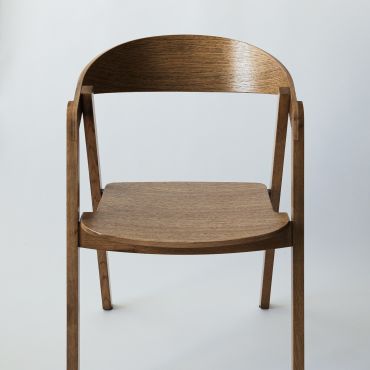
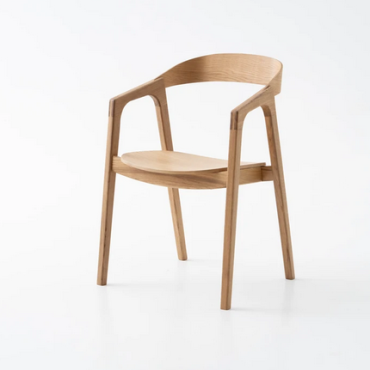
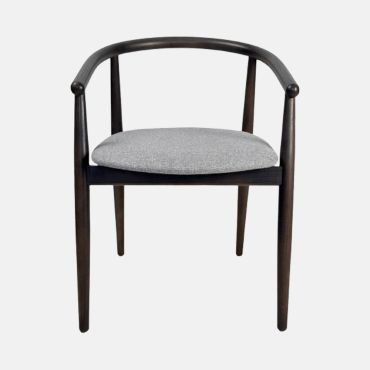
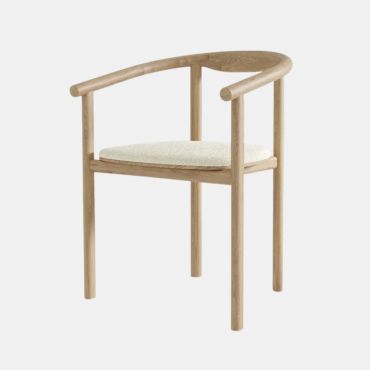
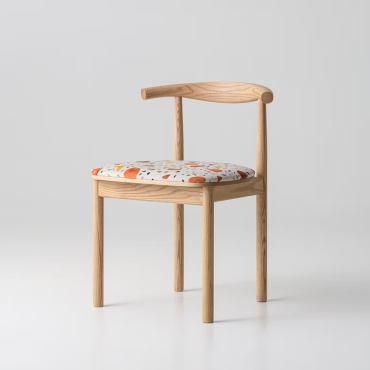
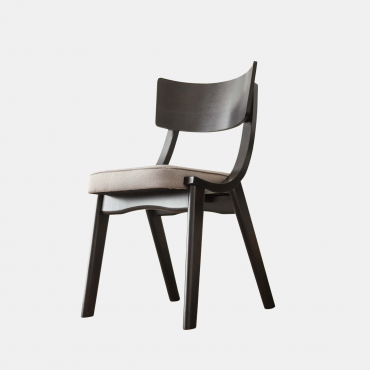
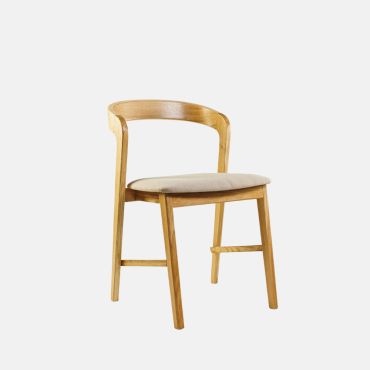
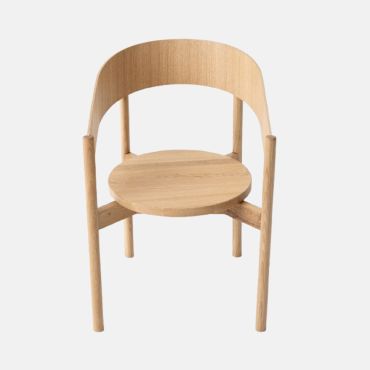
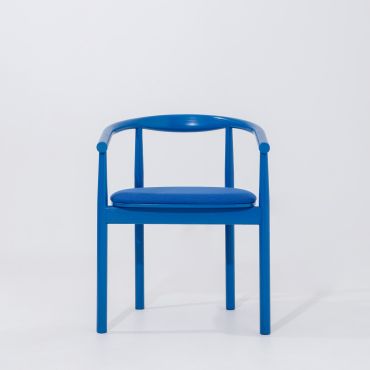
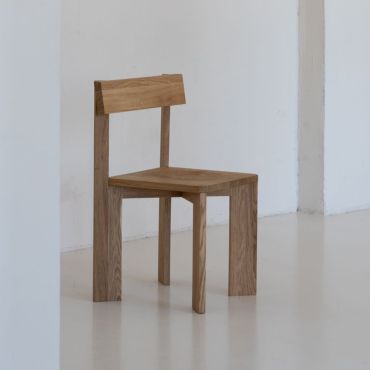
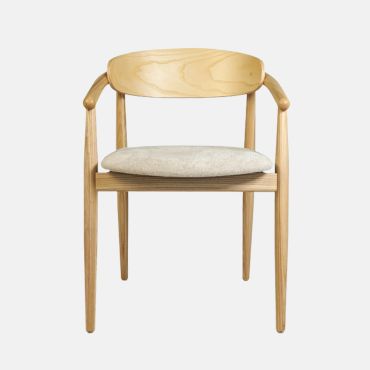
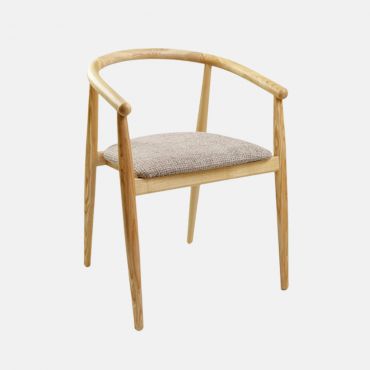
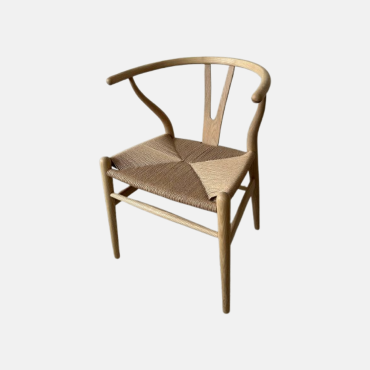
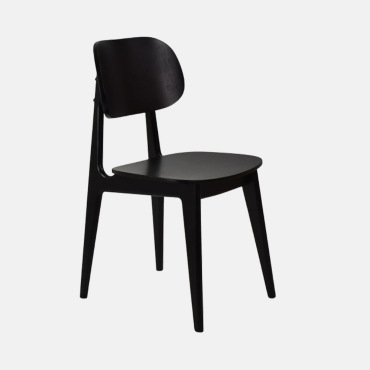
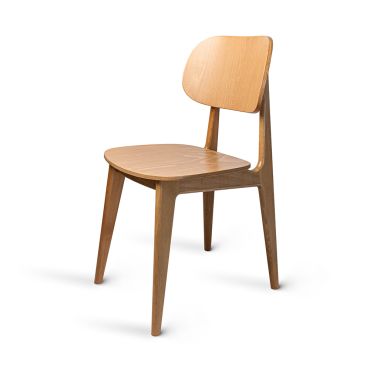
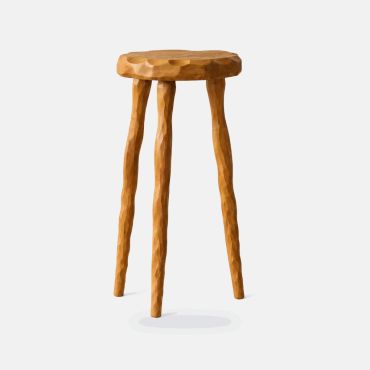
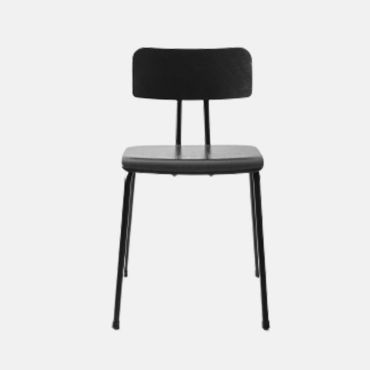
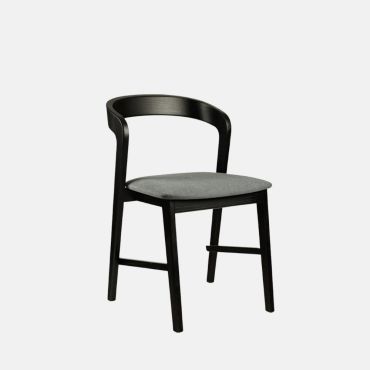
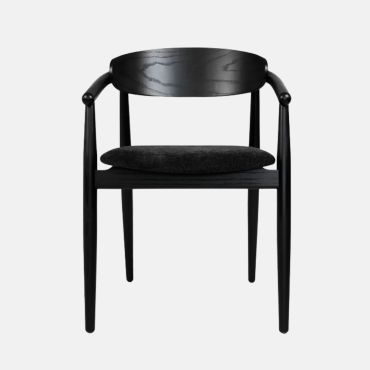
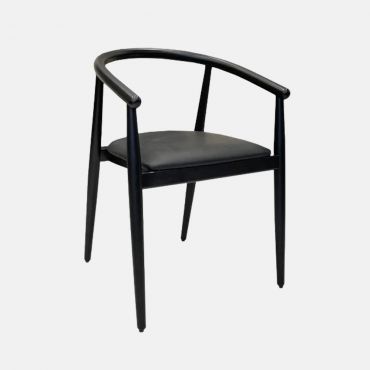
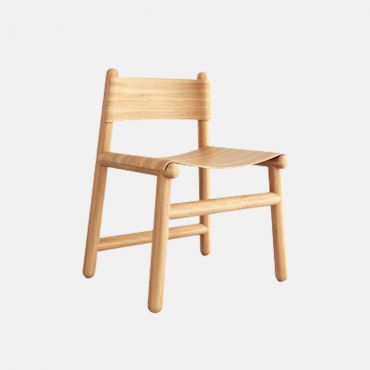
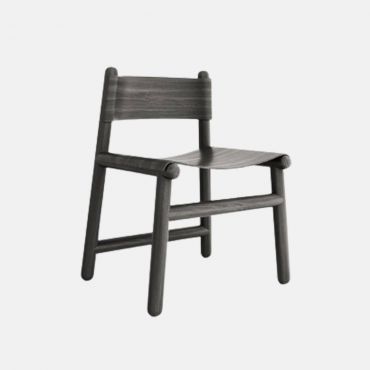
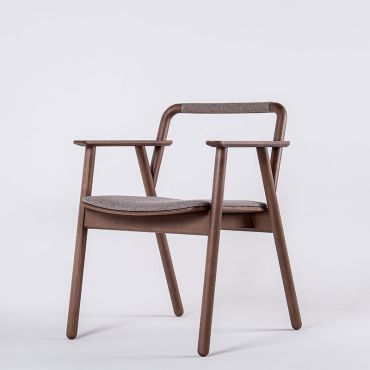
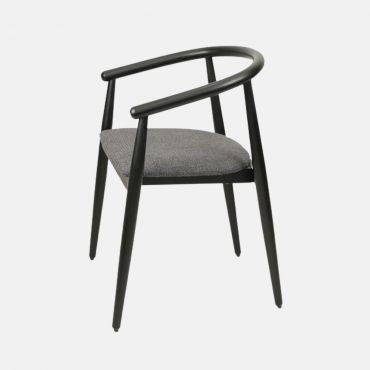
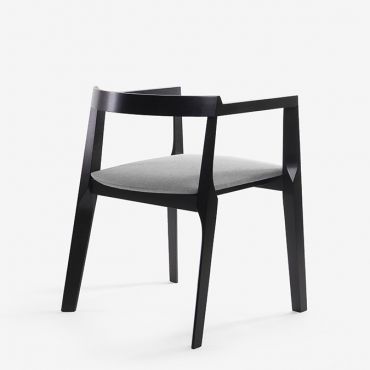
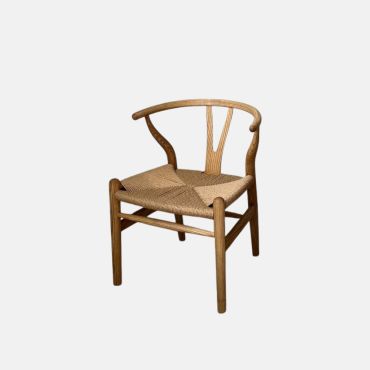
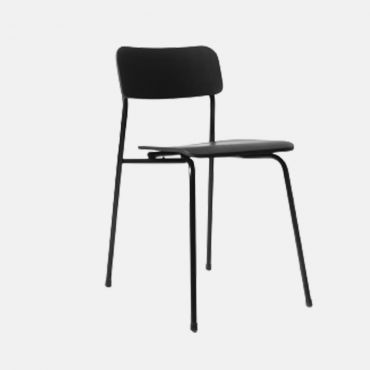
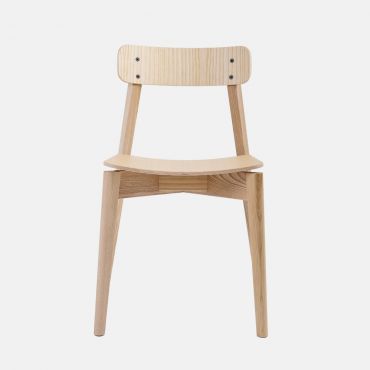
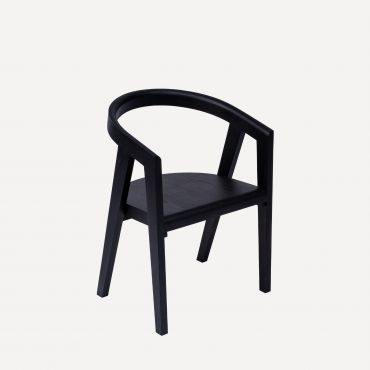
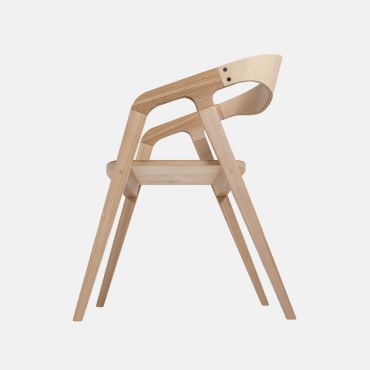

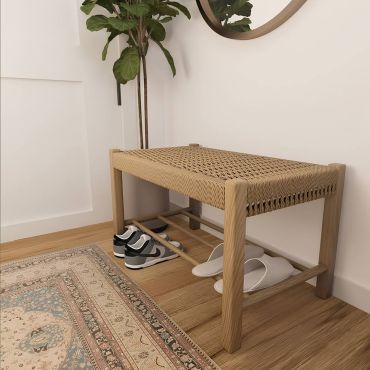
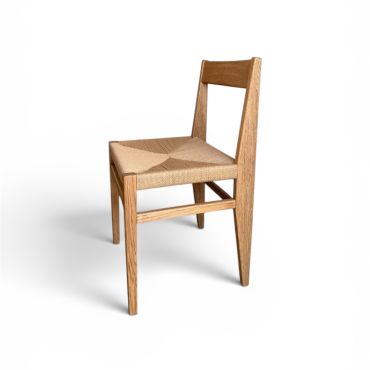
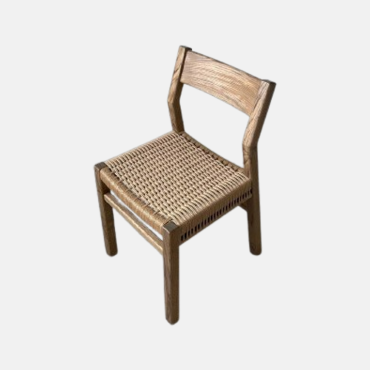
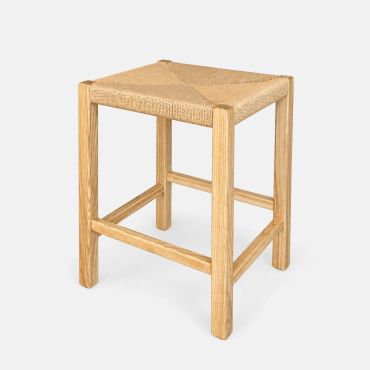
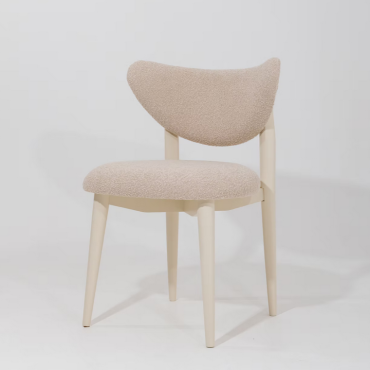
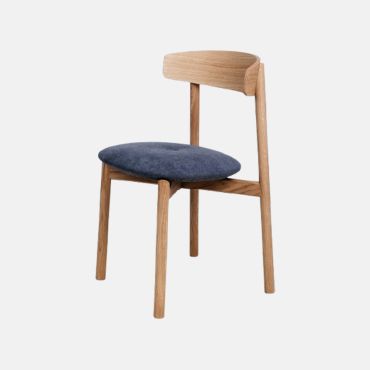
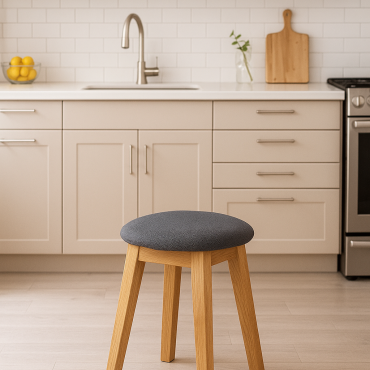
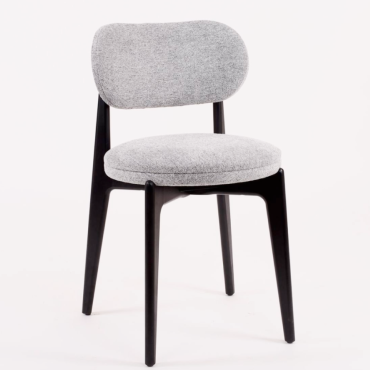
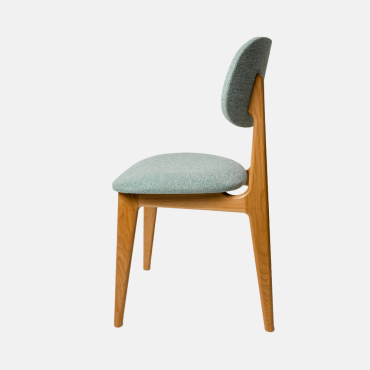
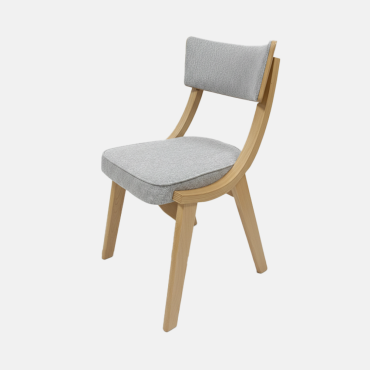
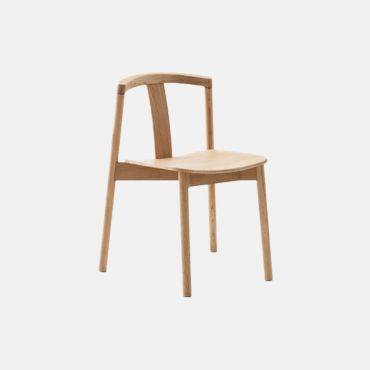
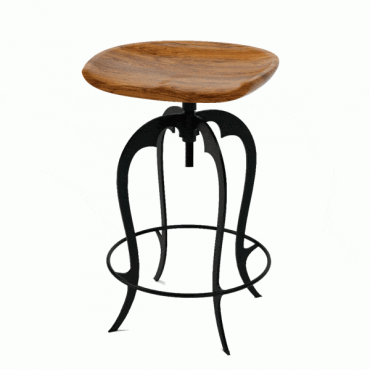
Wooden Chairs - Catalog from Ukrainian Makers | MAIIMO
Wooden chairs are coming back into focus. Not because other materials disappeared, but because people are tired of synthetic surfaces, plastic, and furniture that feels temporary after only a few years. Solid beech with natural grain, ash with a warm honey tone, dark oak with a strong character - these materials cannot be honestly replaced by imitation. Wooden chairs can stand in kitchens and dining rooms for 15-20 years, handle daily use, and often become more beautiful as they age.
At MAIIMO, we have been watching this demand for a long time. Wooden chairs are one of the most stable and popular requests in our catalog. People choose them for durability, the warmth of natural material, the possibility of restoration, and the fact that they fit many interior styles - from Scandinavian minimalism to japandi, loft, Provence, and calm contemporary classics.
In this guide, we explain what matters before buying: wood species, construction types, ergonomics, joints, finishes, interior styles, care, common mistakes, and the signs of a well-made chair. No vague phrases - only practical criteria that we use when working with Ukrainian workshops and designers.
What Is a Wooden Chair and Why Is It Back in Trend?
A wooden chair is a chair whose frame is made from natural wood: solid wood or high-quality plywood. Legs, seat, and backrest are fully or mostly wooden, without plastic substitutes or decorative film that only imitates wood. This is the key difference from "wood-look" furniture, where chipboard often hides under the surface.
Wood is returning to interiors for several reasons.
First, sustainability. People increasingly want to know what their furniture is made of. Solid wood is a natural material that does not crumble after three years, does not feel like a temporary compromise, and, with proper finishing, does not produce the unpleasant smell often associated with cheap synthetic materials.
Second, durability. A wooden chair made from quality beech, oak, or ash can serve for 15-25 years. When it wears, it can be restored: sanded, repainted, re-oiled, or reupholstered. Plastic, weak MDF, or low-quality chipboard rarely have this second life.
Third, aesthetics. No synthetic material gives the same feeling of warmth and natural texture as wood. Every chair has its own grain pattern, so even pieces from the same series do not look mechanically identical.
Fourth, versatility. Wooden chairs look natural in Scandinavian interiors, japandi, wabi-sabi, Provence, loft, eclectic spaces, and modern classics. The color, shape, upholstery, and thickness of the details change, but the material remains relevant.
Wood Species for Chairs: Beech, Oak, Ash, Pine
The wood species is one of the first things to check. It affects strength, weight, appearance, price, and how the chair will age.
Beech - the Most Popular Choice
Beech is the leading wood species for wooden chairs in the middle and premium segments. It is strong, dense enough, and handles compression and bending very well. For a chair, this matters: the product carries body weight every day, moves, shifts, is lifted, and sometimes gets rocked. Weak wood quickly shows its limits.
Beech has a fine and even grain. After sanding, the surface becomes smooth, neat, and pleasant to the touch. The wood also accepts stains, oils, and lacquers well, so it can look light, warm, honey-toned, walnut-like, or almost dark. Another advantage is steam bending: beech is often used for gently curved backrests and seats typical of Scandinavian design.
Most Ukrainian-made wooden chairs are produced from beech. This is not a compromise, but a practical choice: beech grows in the Carpathians, is accessible to local makers, and is well understood in production. Wooden chairs for kitchen use made from beech are among the most reasonable options for everyday life.
Oak - Strength and Character
Oak is heavier and harder than beech. It is denser, more resistant to mechanical damage, and often perceived as a more premium material. Oak wooden chairs work well for restaurants, lounges, large dining rooms, and interiors where furniture must withstand intensive use.
Oak grain is expressive and large. It is visible in open wood and looks especially beautiful in natural, stained, dark walnut, or almost black finishes. Natural oak can be golden, yellowish brown, or deeper brown depending on the finish. It costs more than beech and is more demanding in production, but it adds greater depth and character.
In premium configurations, MAIIMO brands such as MAMONT and ORBIT use solid oak. This is noticeable in the weight, stability, and feeling of substance.
Ash - Lightness and Flexibility
Ash offers a good balance of strength and visual lightness. It is lighter than oak but much stronger than pine. Ash has straight or slightly wavy grain, a beautiful light tone, and a subtle pearlescent effect that looks especially good under matte oil.
Wooden chairs made from ash are often chosen for Scandinavian and japandi interiors, where clean form, natural color, and calm texture matter. Ash pairs well with neutral upholstery: beige, gray, milk, linen, warm white.
If you want to buy wooden chair with a very natural look and without heavy staining, ash with a matte oil finish is one of the best options.
Pine - Budget-Friendly but Softer
Pine is cheaper, lighter, and softer than beech, oak, and ash. It works for country homes, Provence-style interiors, painted chairs, and furniture that is not expected to handle intensive daily use. For an active kitchen or dining room, pine is not always the best choice: dents, marks, and scratches appear more easily.
If the budget is limited, pine can be appropriate. For daily use, hardwood species are usually the better investment.
Types of Wooden Chairs by Construction
Besides the wood species, construction matters. It determines comfort, weight, durability, and how the chair will behave after several years.
Solid Wooden Chairs
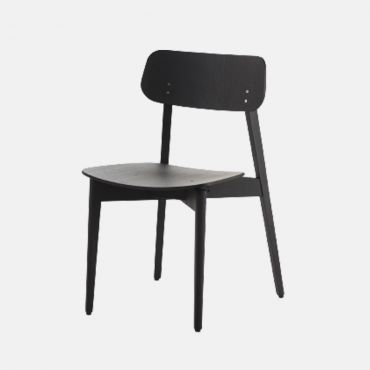
A solid wooden chair means the legs, seat, and backrest are made from natural wood without soft upholstery. This is a classic for Scandinavian, japandi, and minimalist design: simple shape, minimal decor, focus on wood quality and accurate joints.
The advantages are clear: easy care, easy cleaning, a stable look for years, and good restoration potential. The downside is that a hard seat may be less comfortable for long sitting without a cushion.
Solid wooden chairs are among the most durable construction types. With normal care, they can be renewed over time: sanded, oiled, painted, or refinished every 10-15 years.
Wooden Chairs with a Soft Seat or Backrest
This is a combined construction: wooden frame and legs plus a soft upholstered seat, backrest, or both. Today, this is one of the most popular types of wooden chairs for the home because it combines the warmth of natural wood with the comfort of upholstered furniture.
A wooden dining chair with a soft seat in bouclé, velour, or another pleasant fabric on solid beech legs is one of the most common requests at MAIIMO. This chair fits kitchens, dining rooms, living rooms, and open-plan spaces where the dining area sits near soft furniture.
The important point: the durability of the whole chair is determined by the frame, not only by the upholstery. If the legs and frame are made from beech, oak, or ash, the chair can last 10-15 years or longer. If the supports are made from thin MDF, cheap plywood, or weak joints, the chair may become loose in 2-3 years even if the fabric still looks perfect.
Folding Wooden Chairs
A folding wooden chair is a separate functional category. It takes minimal space when folded and quickly becomes a full seat. This is a good solution for small apartments, guest areas, balconies, country houses, and situations where extra seating is not needed every day.
The main criterion is the quality of the mechanism. Metal hinges are more reliable than plastic ones. When unfolded, the chair should not wobble, lean back, or have noticeable play. The material is usually beech, birch, or quality plywood. With the right choice, a folding wooden chair can serve almost as long as a regular one.
Bar and Counter-Height Wooden Chairs
Kitchen islands, bar counters, and high tabletops need bar or counter-height models. Footrests and base stability are especially important here. Wood makes such chairs feel warmer than fully metal models and works well next to stone, HPL, or wooden countertops.
How to Choose a Wooden Chair: 5 Main Criteria
We usually check five parameters before recommending a chair.
- Wood species. Beech is the best balance of price and quality. Oak is for maximum strength and expressive texture. Ash is for lighter forms and a natural light tone.
- Joint quality. Dowel or tenon joints with glue and metal reinforcement are more reliable than glue alone or weak screws.
- Finish. Oil, oil-wax, and lacquer give different appearance, protection, and maintenance.
- Seat height. For a dining table of 74-76 cm, the standard seat height is 45-48 cm.
- Maker. A verified Ukrainian workshop with open material information is safer than anonymous imported furniture with vague descriptions.
Wood Species and Material Quality
Ask directly: what wood species is used, where the wood comes from, what finish is applied, and what the seat and backrest are made of. An honest maker answers these questions clearly. If the seller avoids details and only says "wood," it is a warning sign.
You can also check some things yourself. Beech and oak are usually heavier than pine. In joint areas, there should be no large knots, cracks, delamination, or rough sanding marks.
Joints and Fixings
The connection between the legs and the seat is the most loaded point of any chair. This is where wobbling, squeaking, and breakage most often begin. A good joint is a dowel or tenon set into a groove with glue, plus metal corners, bolts, or another reinforcement.
When buying, gently shake the chair with your hands. It should not squeak, wobble, or move in the joints. A new wooden chair with obvious play is a bad sign, even if the design is attractive.
Seat Height and Ergonomics
The standard seat height is 45-48 cm from the floor. For a dining table of 74-76 cm, this gives a comfortable gap between the seat and tabletop. If the seat is soft, remember that foam or filler will compress slightly under body weight.
The optimal backrest angle is around 95-100 degrees. This supports the back without forcing you to sit too upright. For long dinners or daily work at the table, this is noticeable.
Finish: Oil, Lacquer, or Oil-Wax
Oil keeps the natural feeling of wood, leaving the surface matte and tactile. It is easier to refresh locally: a small scratch can be lightly sanded and re-oiled. The downside is that it needs regular care.
Lacquer creates a stronger protective film. It resists stains and moisture better, but deep scratches are harder to repair invisibly.
Oil-wax is a middle option. The surface stays warm and matte, but receives a stronger protective layer. For wooden chairs for kitchen use, this is one of the most practical finishes.
Wooden Chairs in Different Interior Styles
Wood is universal, but different styles need different shapes, tones, and combinations.
Scandinavian Style and Minimalism
Scandinavian style is almost native to wooden chairs. Typical features include slim tapered legs, light beech or ash, a simple backrest, clean shape, minimal decor, and a calm palette. Suitable tones include natural beech, bleached ash, light oak, milk white, and gray.
Wooden chairs for kitchen interiors in Scandinavian style pair well with white, gray, graphite, and wooden kitchen fronts. They do not overload a small space and visually make the kitchen feel lighter.
Loft and Industrial Style
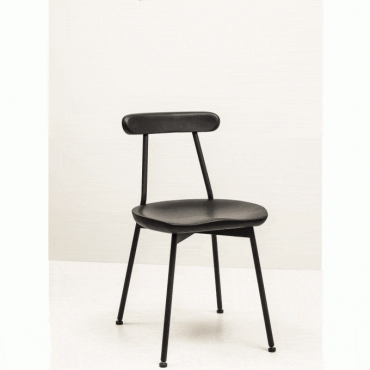
Loft interiors like material contrast. Wooden chairs in such spaces often have dark staining: smoked oak, dark walnut, graphite, or almost black wood. Metal details also work well: stretchers, bolts, reinforcements, black hardware.
Wood softens concrete, brick, metal, and dark surfaces. It adds warmth without making the interior too soft. At MAIIMO, this approach is close to the BTS, SMOOTH, ORBIT, and BRO series.
Japandi and Wabi-Sabi
Japandi blends Japanese and Scandinavian aesthetics. For wooden chairs, calm lines, natural texture, and muted tones are important: mocha, ash gray, warm gray, dark oak, natural ash.
Wabi-sabi goes further: small natural imperfections, visible grain, knots, and living wood patterns are not hidden but become part of the character. A wooden chair in this concept should not look sterile. It needs a matte surface, quiet silhouette, and a sense of hand-made presence.
Provence and Modern Classics
For Provence, painted or whitewashed chairs work well: white, cream, warm gray, and pastel tones. Soft seats, rounded backs, and profiled details are possible, but heavy carving is usually unnecessary.
In modern classics, wooden chairs with soft upholstery, calm shapes, and quality solid wood look appropriate. The wood does not have to be light: dark walnut, natural oak, and warm brown tones work well with stone, brass, textiles, and soft lighting.
Wooden Chairs for Kitchen and Dining Room
The kitchen is one of the most demanding places for furniture. There is humidity, temperature change, grease, frequent cleaning, and daily use. That is why wooden chairs for kitchen areas must be not only beautiful, but practical.
If chairs are used every day, do not choose them only from photos. Check how easily they move on the floor, whether they slide under the table, whether the backrest catches the tabletop edge, and whether the seat can be cleaned after meals. Good wooden chairs for kitchen use do not require delicate treatment: they handle breakfast, family dinners, guests, cleaning, and constant movement.
For a small kitchen, choose light beech, ash, or bleached oak. Dark chairs can visually reduce the space. For a large dining room, more expressive tones work well: dark walnut, stained oak, black, graphite, deep brown.
If there are children at home, pay attention to the finish and upholstery. Lacquer or oil-wax is easier to clean than a completely open oil finish. Fabric should be dense and wear-resistant. For daily kitchen use, a wooden dining chair with a soft seat needs not only attractive fabric, but also a strong wooden frame.
For a set of 4-8 chairs, measure the table first. One person usually needs 55-60 cm of width. Do not buy more chairs than the table can comfortably hold: an overcrowded dining area becomes inconvenient very quickly.
How to Choose the Color of a Wooden Chair
The main rule is simple: wood tones should either intentionally match or intentionally contrast. A middle option that is "almost similar, but not quite" often looks accidental.
If the floor and table are wooden, you can choose a close tone: natural beech with light oak, dark walnut with a dark tabletop, warm ash with light parquet. This creates a calm monochrome palette in wood tones.
The second route is contrast: light floor and dark wooden chairs, black frame and natural tabletop, light ash near a graphite kitchen. Contrast works when it is clear and supported by other details.
Neutral tones - natural beech, bleached ash, dark walnut, white, black - age more slowly visually. Bright trendy colors are worth choosing only when they are supported by other accents and you are ready to update the interior later.
Care for Wooden Chairs: Simple Rules
Wooden chairs can serve for decades with the right care. The key is regular cleaning and no aggressive chemicals.
Daily: wipe the surface with a dry or slightly damp soft cloth and immediately dry it. Do not leave water on the wood, especially near joints.
Weekly: remove dust with a dry cloth or vacuum cleaner with a soft attachment. For lacquered surfaces, use an appropriate furniture cleaner.
Every 1-3 years, chairs with oil finishes should be renewed with a fresh layer of oil or oil-wax. Small scratches can be lightly sanded with 220 grit and re-oiled.
Every 10-15 years, full restoration is possible: remove old upholstery if needed, sand the frame, apply a new finish, replace the fabric. A quality wooden chair can look fresh again and continue serving for many more years.
Avoid prolonged contact with water, abrasive sponges, solvents, harsh household chemicals, radiators, and direct sunlight.
Common Mistakes When Choosing Wooden Chairs
We often see the same mistakes. They cost people money, time, and disappointment.
Mistake 1: confusing solid wood with chipboard. The word "wooden" does not always mean solid wood. Chipboard and MDF are wood-based materials, but they are not the same as natural wood. They are harder to restore, weaker in loaded areas, and often last less.
Mistake 2: choosing the lightest chair. A very light wooden chair may be made from soft pine, thin plywood, or a weak frame. Weight is not the only quality marker, but beech and oak usually feel more reliable.
Mistake 3: ignoring the joints. Even good wood cannot save a chair with poor connections. Check wobbling, squeaking, stability, and joint quality.
Mistake 4: choosing a dark color for a small bright kitchen. A dark chair can visually weigh down the room. For a small kitchen, natural beech, light ash, white, or soft gray usually work better.
Mistake 5: not considering the floor and table. A wooden dining chair in dark walnut can conflict with natural oak parquet if there is no deliberate contrast. It is better to compare samples in advance.
Mistake 6: buying a set "just in case" instead of for the real table size. Measure the table first, then count the seats. Chairs should slide in freely and not interfere with one another.
Mistake 7: choosing only by upholstery. Beautiful fabric matters, but in a wooden chair the frame comes first. If the base is weak, upholstery will not prevent wobbling. The correct order is wood species, construction, joints, ergonomics, finish, and then fabric color.
Why Buy Wooden Chairs at MAIIMO?
MAIIMO is a catalog of wooden chairs from Ukrainian makers, manufacturers, and designers. We do not collect random factory items; we choose models with clear materials, construction, and character.
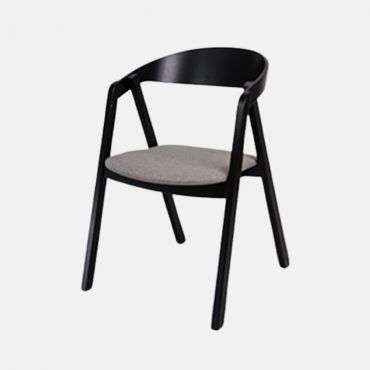
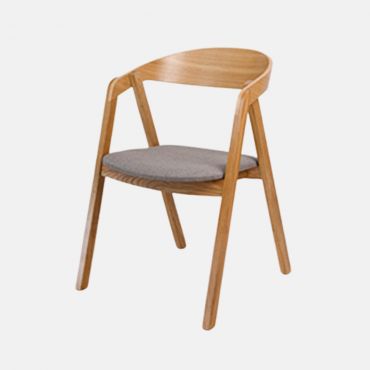
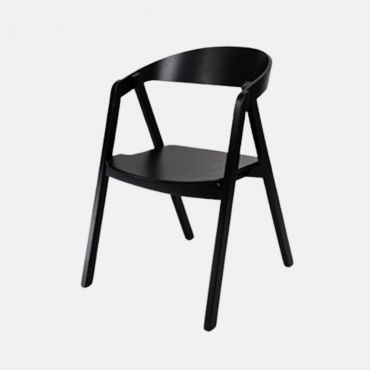
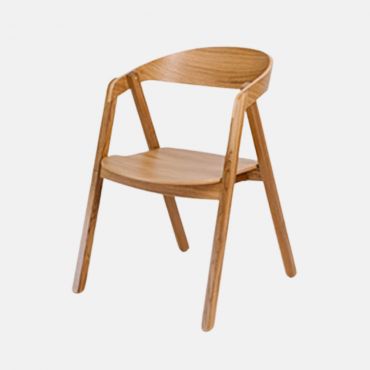
The catalog includes author series such as GURU Tender, MAMONT, LULA, BTS, WABI, ORBIT, SMOOTH, and BRO. GURU Tender is a light Scandinavian chair made from beech. MAMONT is more solid, with oak and a strong sense of reliability. LULA has a softer form, natural ash, and a japandi mood. BTS and SMOOTH are laconic models for minimalist spaces. WABI focuses on open wood texture and wabi-sabi aesthetics. ORBIT and BRO are for interiors where wood is combined with metal.
All models use natural wood species: beech, oak, ash, alder, and pine. Not chipboard under decorative film. We openly indicate the wood species, finish, and construction details. Many series can be customized: stain color, upholstery, and non-standard parameters.
If you want to buy wooden chair for a specific interior, we can help choose the species, tone, height, upholstery, and number of chairs for your table. Delivery is available across Ukraine. For sets of wooden chairs for kitchen and dining rooms, we help choose a convenient transport and assembly option.
10 FAQ - Wooden Chairs
Which Wood Species Are Best for Chairs?
For wooden chairs, the best species are beech, oak, and ash. Beech is the most universal option in terms of price, strength, and appearance. It is dense, bends well, handles daily load, and works well for kitchens. Oak is heavier, harder, and more durable, often chosen for premium interiors and commercial use. Ash is lighter than oak, has a beautiful natural tone, and is popular in Scandinavian and japandi interiors.
Pine is also used, but it is softer and more easily damaged. For everyday kitchens and dining rooms, hardwood species are usually a better choice than softwoods.
What Is the Difference Between Solid Wood and Plywood Chairs?
Solid wood is a continuous piece of natural wood from a specific species. Plywood is made from layers of veneer glued together. Solid wood is usually stronger, heavier, easier to restore, and gives a more natural tactile feeling. Plywood is lighter and can be more stable with humidity changes, but it is less forgiving with deep damage.
| Parameter | Solid wood | Plywood |
|---|---|---|
| Strength | Higher | Medium |
| Weight | Higher | Lower |
| Restoration | Easier | Harder |
| Moisture stability | Lower | Higher |
| Price | Higher | Lower |
For long-term everyday use, wooden chairs made from solid wood are usually the better option. For a more budget-friendly solution, high-quality plywood with natural veneer can also work.
How Should I Care for Wooden Chairs?
The main rule is regular gentle care. Every day, wipe wooden chairs with a dry or slightly damp cloth and dry them immediately. Do not leave water on the surface or near joints. Once a week, remove dust and use an appropriate wood cleaner if the surface is lacquered.
For oil finishes, renew the oil or oil-wax layer every 1-3 years. Small scratches can be lightly sanded and re-oiled. Avoid solvents, abrasives, harsh chemicals, and constant placement near heating radiators.
Which Interior Styles Suit Wooden Chairs?
Wooden chairs suit most calm and contemporary interiors. In Scandinavian style, natural beech, ash, and light oak work well. In japandi and wabi-sabi, dark oak, ash, open grain, and matte finishes are appropriate. In loft spaces, wood is combined with metal, dark staining, and visible hardware. In Provence and classics, white, cream, pastel, or profiled models look natural.
For a soft modern interior, a wooden dining chair with a soft seat in bouclé, velour, or dense textured fabric is a good choice.
How Much Do Wooden Chairs from Ukrainian Makers Cost?
The price depends on the wood species, construction, upholstery, and maker. Simple wooden chairs made from beech without upholstery can cost from 1200-2500 UAH. Solid beech models with a soft seat are often around 2500-4500 UAH. Oak or ash chairs usually start from 4000 UAH. Author designer series can cost 4500-8000+ UAH per piece.
It is important to compare not only price, but also material, joints, and finish. To buy wooden chair made from weak chipboard at the lowest price often means replacing it after a few years. A quality beech or oak chair lasts much longer.
Where Can I Buy Wooden Chairs with Delivery in Ukraine?
At MAIIMO, you can choose wooden chairs from Ukrainian makers and designers with delivery across Ukraine. The catalog includes author series, craft models, dining chairs, kitchen chairs, living room options, and chairs for bar areas.
If you need a wooden chair in a non-standard color, with another upholstery, or with individual parameters, contact us before placing the order. Many series can be customized by stain, fabric, or certain details.
Can Wooden Chairs Be Used Outdoors?
Yes, but only if the specific model has the right finish. Standard interior oil or lacquer does not protect against rain, snow, humidity changes, and ultraviolet light. Outdoor use requires special exterior coatings: yacht lacquer, protective glaze, or outdoor oil.
If you want to buy wooden chair for a terrace, balcony, or garden, ask the maker whether the model is suitable for outdoor use. Most standard dining series are designed for interiors.
How Do I Match the Color of a Wooden Chair to My Interior?
If the floor and table are wooden, choose either a close shade or a clear contrast. Almost similar but different tones often look accidental. For a small kitchen, natural beech, light ash, bleached oak, white, or milk tones work well. For a large dining room, dark walnut, stained oak, black, or graphite can be stronger.
Neutral wooden chairs age more slowly visually. Bright colors are best when supported by other accents in the interior.
Which Wooden Chairs Are the Strongest?
The strongest wooden chairs are usually made from solid oak with reliable dowel or tenon joints and metal reinforcement. Oak is dense, hard, and handles long-term load very well. Such models can serve for 20-30 years with proper care.
For home use, quality solid beech is often enough. It is also strong, works well for kitchens and dining rooms, and can serve for 15-20 years. Ash is slightly less dense than oak, but much stronger than pine.
What Makes MAIIMO Wooden Chairs Special?
MAIIMO offers wooden chairs from Ukrainian makers and design studios, not random factory series without clear origin. The catalog includes GURU Tender, MAMONT, LULA, BTS, WABI, ORBIT, SMOOTH, and BRO - each series has its own character, material, and purpose.
We openly specify the wood species, finish, and customization options. The assortment includes beech, oak, ash, alder, and pine. You can choose the tone, upholstery, format, and model for a specific interior. Delivery is available across Ukraine.
For a kitchen or dining room, also see dining chairs in various shapes and finishes.