Chandeliers: modern designer chandeliers made in Ukraine
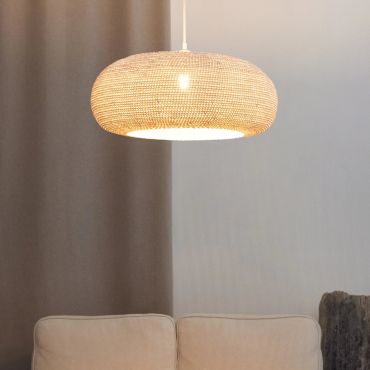

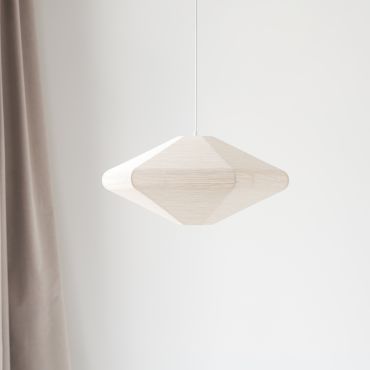
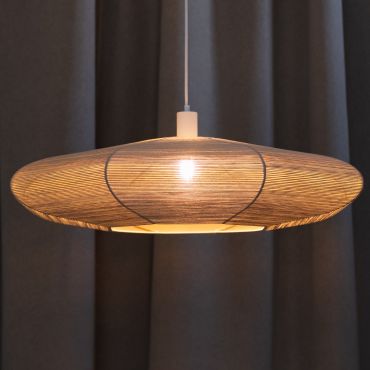

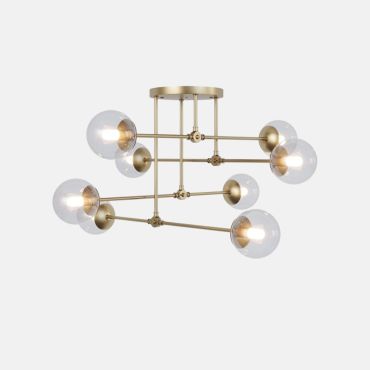
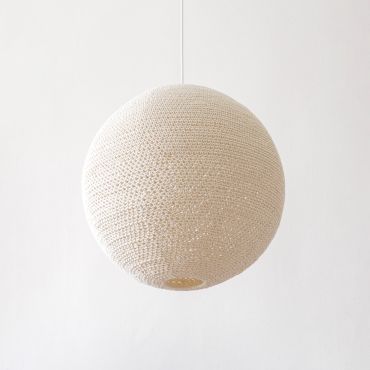
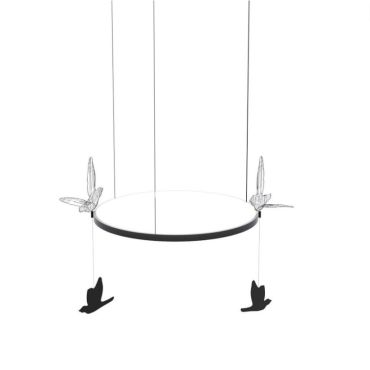
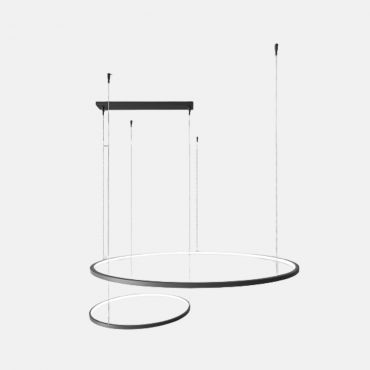
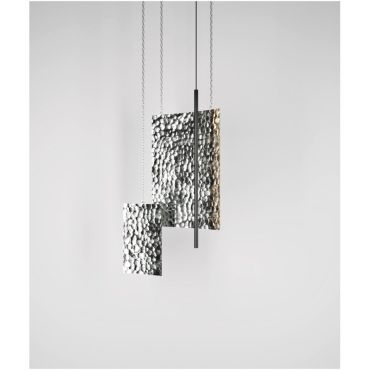
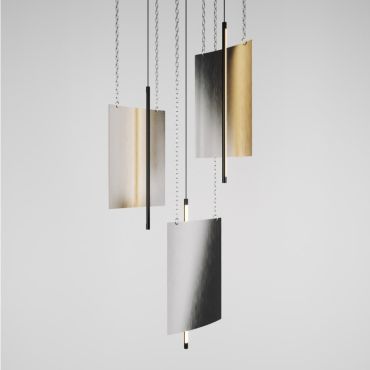
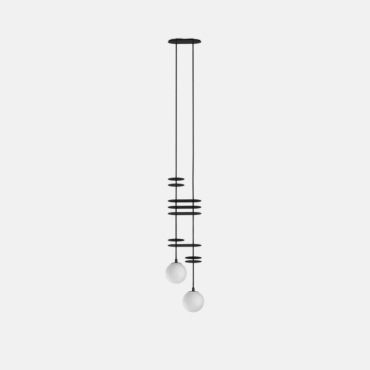
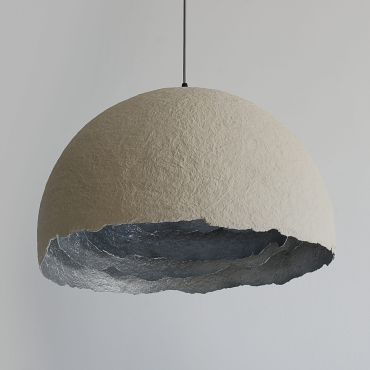
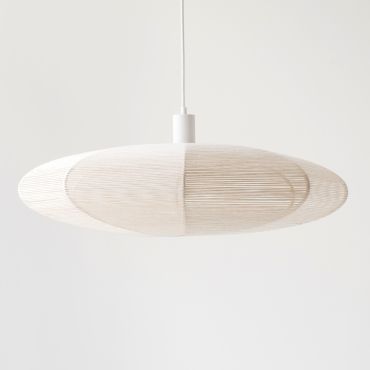
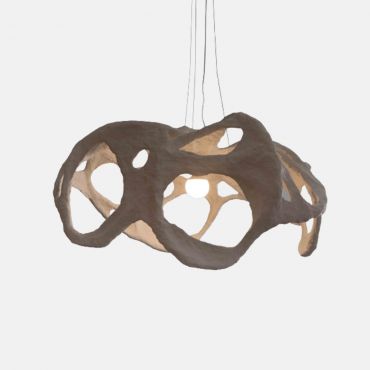
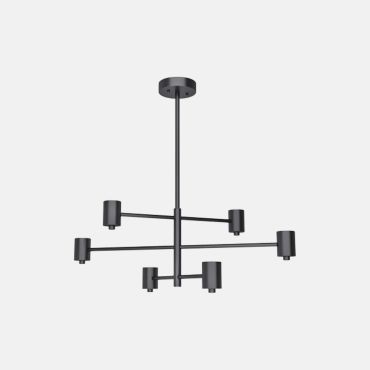
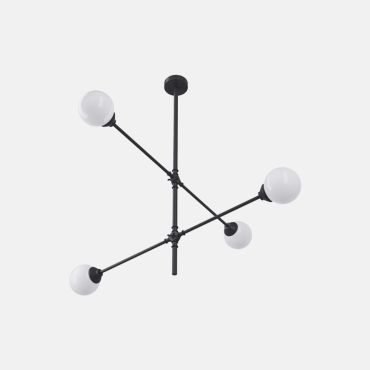
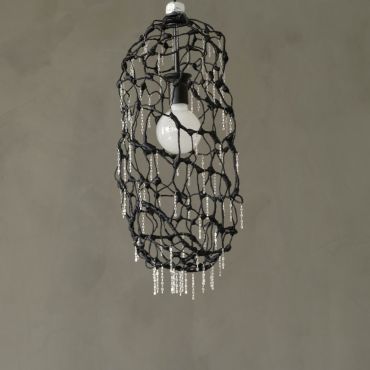
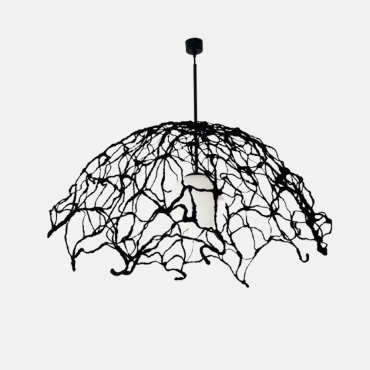
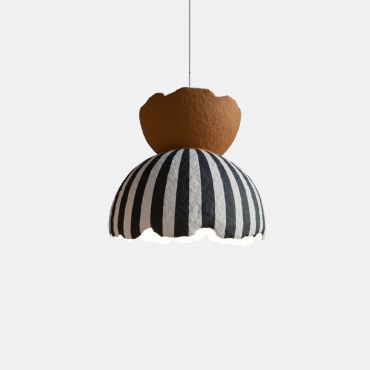
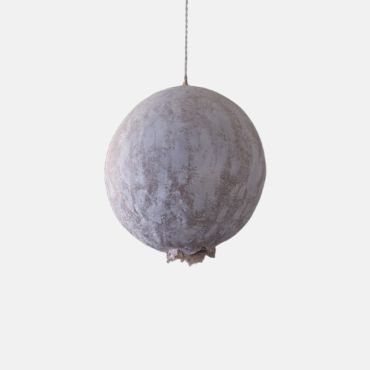
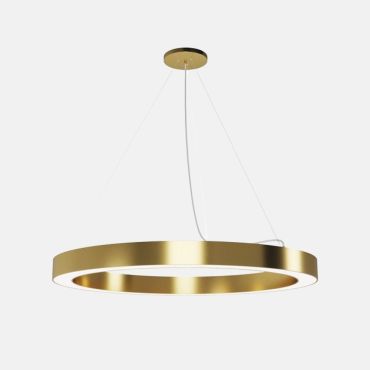
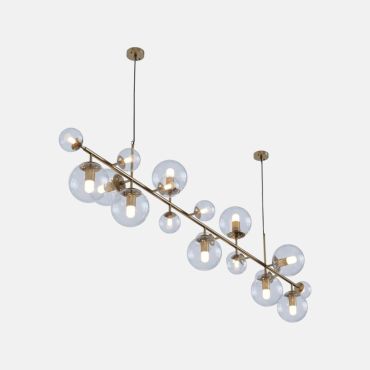
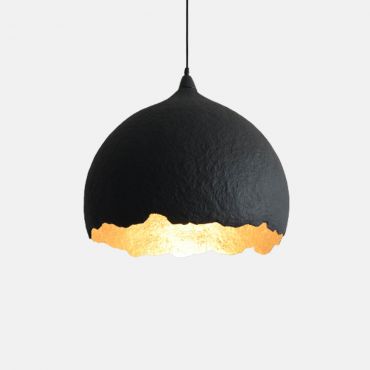
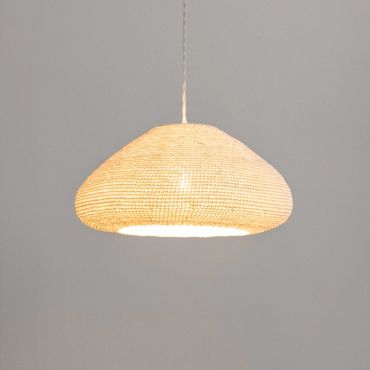
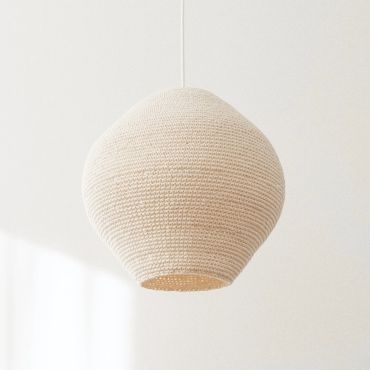
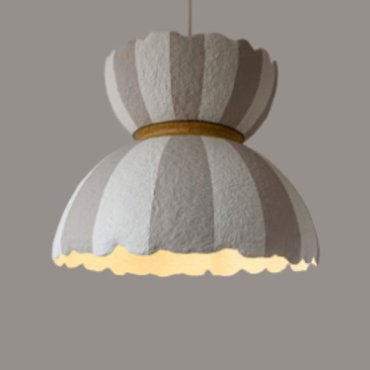
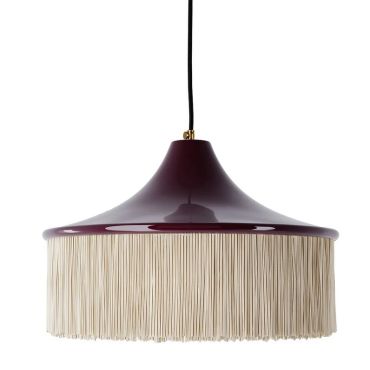
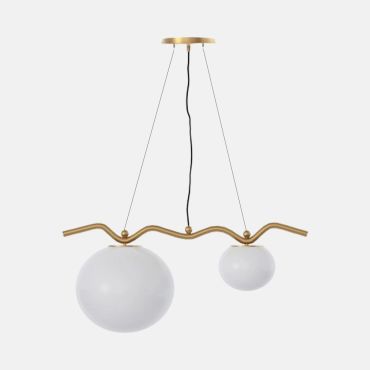
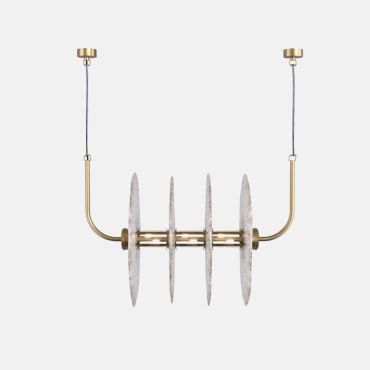
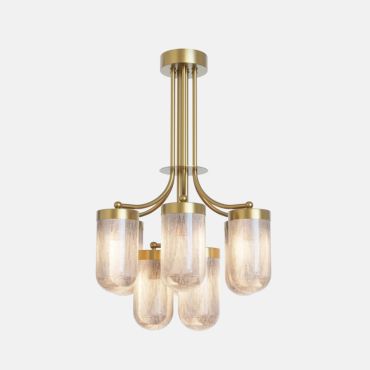
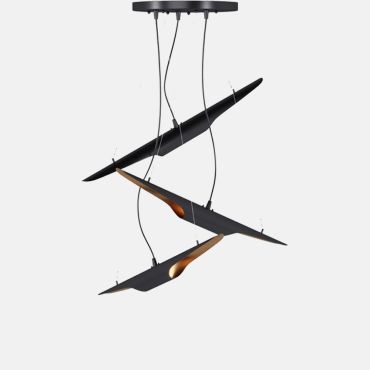
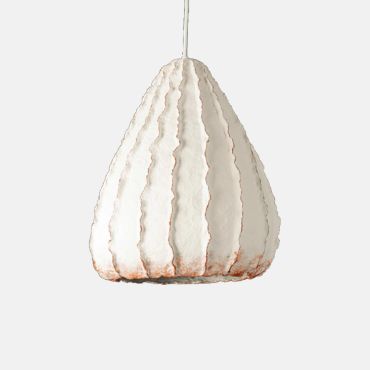
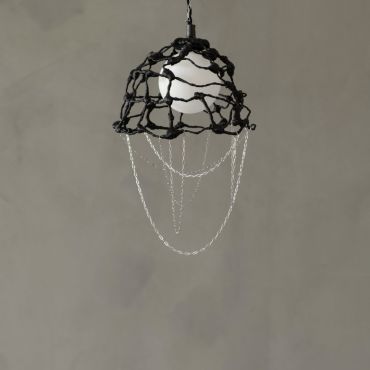
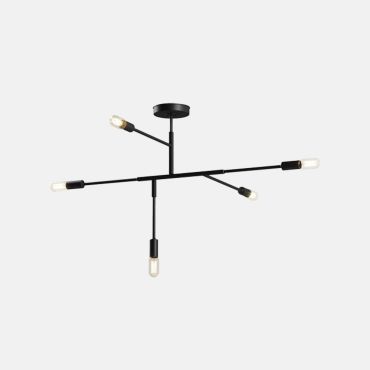
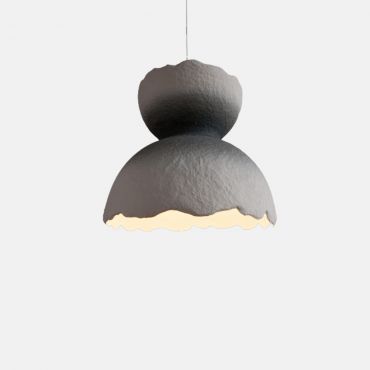
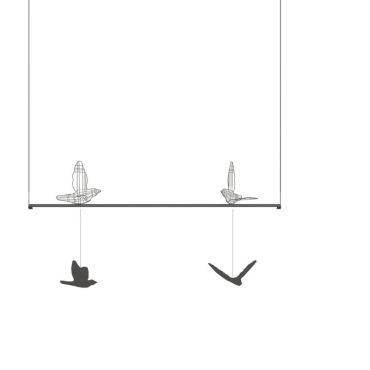
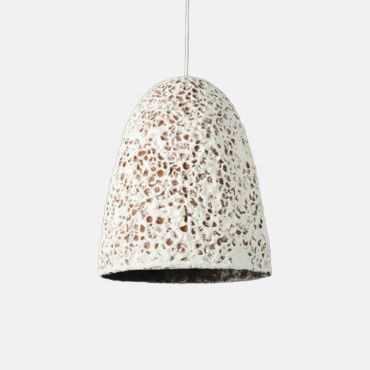
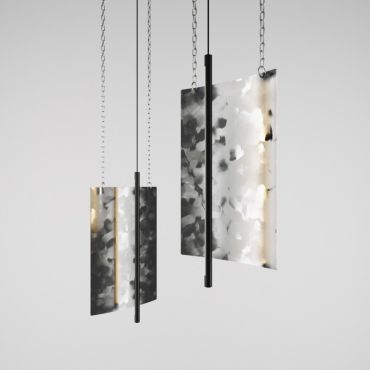
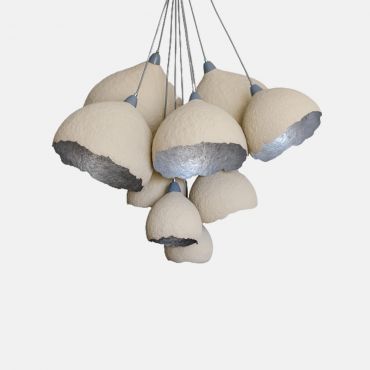
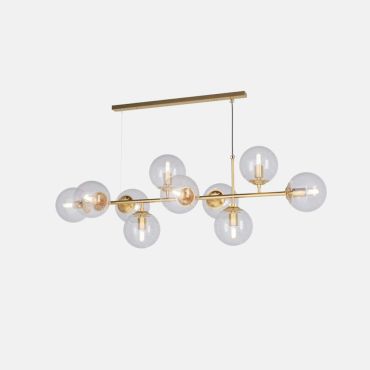
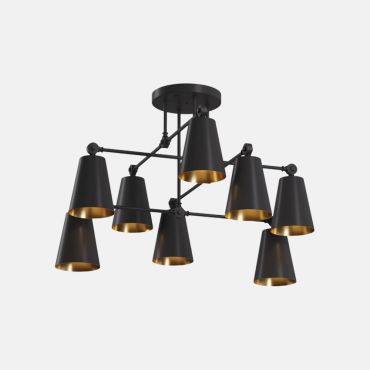

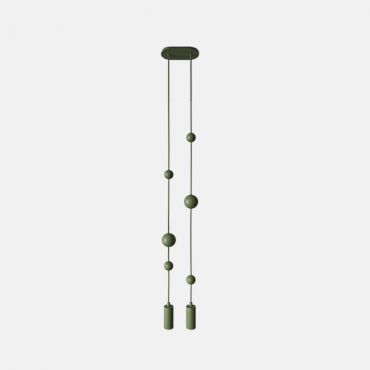
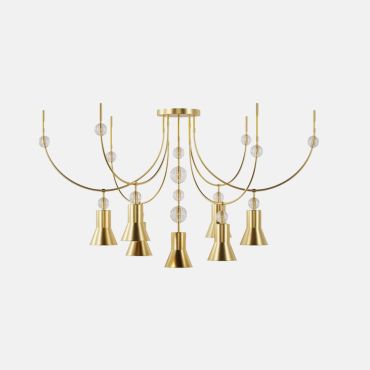
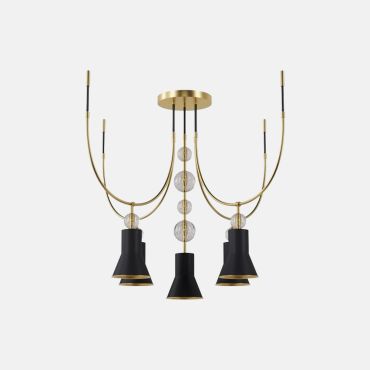

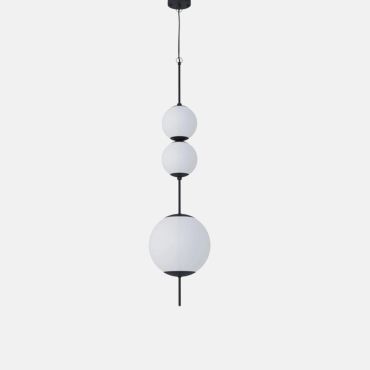
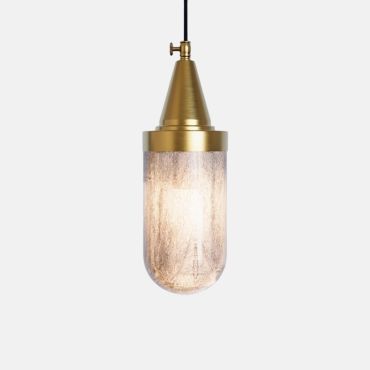
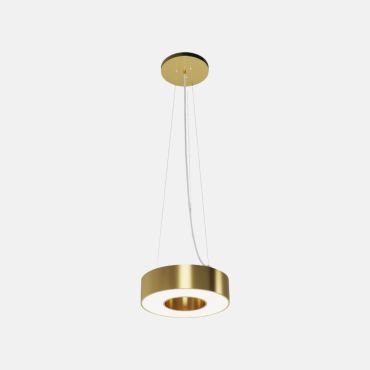
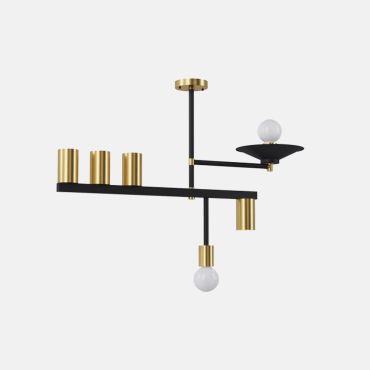
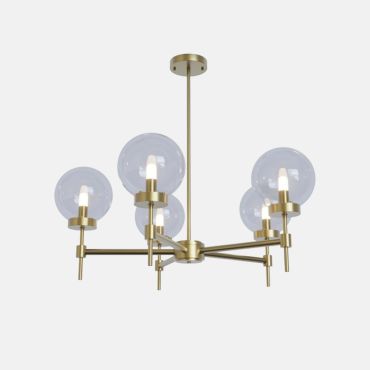


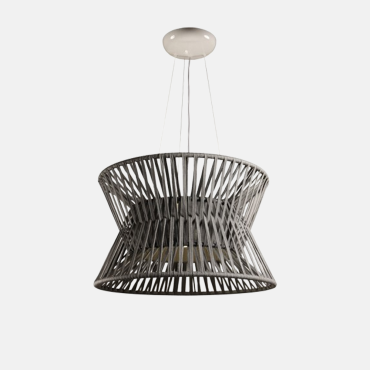
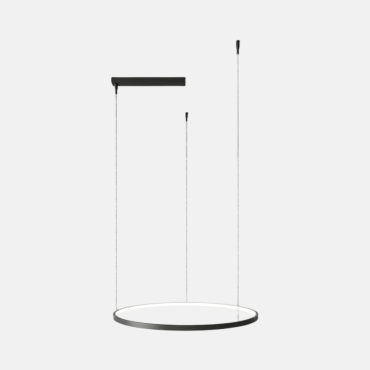
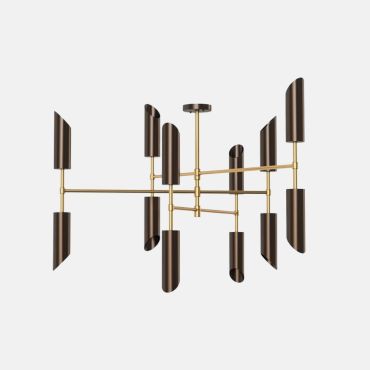
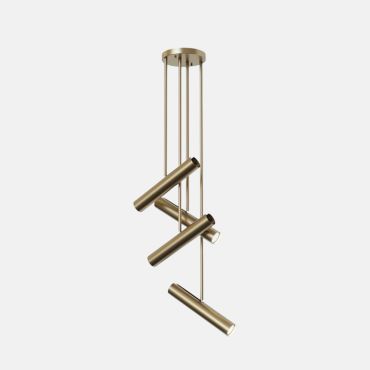
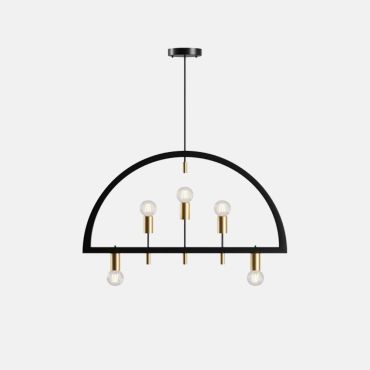
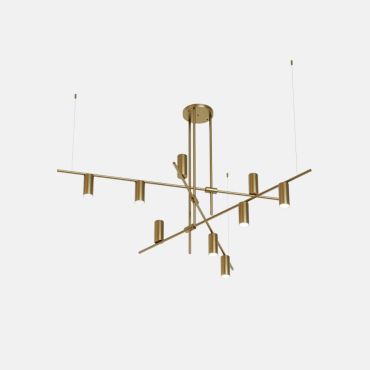
MAIIMO chandeliers: modern light for the home
Chandeliers are no longer just a central lamp under the ceiling. In a well-planned interior, they shape the rhythm of the room: they gather the dining area, soften the bedroom, give a living room more depth, or support the clean architecture of a space. At MAIIMO, you can buy a chandelier for a home where brightness and shape matter, but so do material, scale, craftsmanship and honest Ukrainian design. This category brings together modern chandeliers, designer chandeliers, pendant models, wooden lighting, LED constructions and pieces that do not feel like random purchases.
A good chandelier does not need to shout. Sometimes it is almost quiet, yet the room feels complete because of it. In a spacious living room, it can be a larger pendant composition above the sofa area. In a bedroom, it can be a lighter form with warm diffused light. In a kitchen or dining room, it can be a chandelier above the table that does not glare, but gently marks the place where people gather. That is why choosing a chandelier should start not with a pretty image, but with a practical question: what should the light do in this exact room?
The lighting category at MAIIMO is built around different lighting scenarios. A chandelier gives central or accent light, wall sconces support local zones, floor lamps work in living rooms and reading corners, and table lamps help near a bed, console or desk. A chandelier is not the only source of light in this system, but it often decides whether the whole room feels visually collected.
How to choose a chandelier for your interior
To buy a chandelier without compromise, look at four things first: the size of the room, the ceiling height, the style of the furniture and the quality of light. The most common mistake is choosing a model that looks beautiful on its own but does not fit the scale of the room. A small chandelier gets lost in a large living room. A heavy construction in a small bedroom can feel oppressive even if the object itself is beautiful.
For rooms with standard ceiling height, lighter forms, shorter drops and ceiling-mounted models usually work better. If the ceiling is high, you can consider pendant chandeliers with a stronger vertical line. Above a dining table, elongated or composition-based lights often look more natural because they follow the line of the table. In the bedroom, softness matters more than drama. The light should not disturb rest, especially if the chandelier sits close to the bed.
Material matters too. Wood brings warmth and works well with natural fabrics, ceramics, rattan and light walls. Metal looks more graphic and suits modern interiors, loft-inspired spaces and minimalism. Glass gives lightness, but it needs a clean composition around it. If the room already has many textures, the chandelier can stay calmer. If the interior is very restrained, the light fixture can become the missing accent.
It is also worth thinking about color temperature. Bedrooms, living rooms and evening zones usually feel better with warm or neutral-warm light. Kitchens, work surfaces and technical zones may need more brightness. But even there, the chandelier does not always have to be the main working light. It can be supported with spotlights or track lighting, so one fixture does not have to carry every function in the room.
Modern chandeliers for minimal and warm interiors
Modern chandeliers work best where the form should feel clean but not cold. They can be geometric rings, elongated pendants, wooden shades, fine metal structures or models with a hidden light source. The point is not to make the chandelier look trendy. The point is to choose a form that will not feel tired in a year.
In contemporary spaces, light is often built in layers. The central chandelier sets the general tone, while local sources add depth. In a living room, for example, a chandelier can provide soft even light, while a floor lamp supports reading near an armchair. In a bedroom, the chandelier creates the base light, while sconces or table lamps near the bed take care of the evening scenario. This is more practical than trying to find one very powerful chandelier "for everything".
For MAIIMO, the most natural models are those where a modern shape meets a living material. A chandelier made of ash, oak or walnut has a different character from a plastic or generic mass-market fixture. Wood does not make an interior rustic when the form is clean. It does the opposite: it removes some of the sterile feeling and adds the sense of an object made by human hands.
Designer chandeliers made in Ukraine
Designer chandeliers made in Ukraine are an important cluster for MAIIMO, so this idea should be preserved and strengthened. Chandeliers made in Ukraine combine local craft, modern form, attention to material and the chance to choose a piece that does not look like a standard warehouse item.
Ukrainian design has reached a level where a light fixture can be more than a functional purchase. It can become part of an authored interior. In chandeliers by Ukrainian makers, you often see thoughtful work with wood, metal, textiles, glass, ceramics or mixed materials. These pieces do not have to be complicated. The best models often rely on proportion: the right diameter, a good drop height, a clean line and pleasant light.
At MAIIMO, Ukrainian designer chandeliers make sense when you want to support local design and still get a piece that works in a real modern apartment or house. Local production often gives closer contact with material and more care in the details. This is especially visible in wooden chandeliers: the grain of ash, oak or walnut is never exactly the same, so each light has its own character.
Another advantage of local production is the ability to choose more precisely for the room. If you need light above a long table, in a room with a high ceiling or in a bedroom with a low bed, abstract trends matter less than concrete parameters. A designer chandelier should be beautiful, but it also should not get in the way of walking, sitting, reading, dining and living in the room every day.
Ukrainian designer chandeliers: materials to check before buying
Ukrainian designer chandeliers often stand out through material. This is not always obvious from the first product photo, but it is clear in the interior: how the wood is finished, how cleanly the structure is assembled, whether the details feel intentional, and how the light passes through the shade. With chandeliers, form matters, but so does the way the object behaves from two or three meters away, when you see it every day.
Wood should be evaluated by tone and grain. Light ash makes a chandelier feel lighter and works well in Scandinavian and modern interiors. It does not weigh down a bedroom or dining space. Oak feels denser and more grounded, especially if there is a wooden table, sideboard or floor in a similar tone. Walnut gives a deeper color, so it works best where the interior already has warm dark accents.
Metal can behave very differently. Black metal adds graphic contrast and looks good in modern spaces, but in a small room it should be used carefully. Brass or bronze feels warmer and connects more softly with wood and textiles. White or light metal nearly dissolves into the ceiling, so it works when the chandelier should not become the main character of the room.
Glass and shades should be checked from the point of view of light. Transparent glass can look light, but the bulb inside will be visible. Frosted glass diffuses light better, but may reduce brightness. Textile or paper elements create a softer glow, but need more careful maintenance. None of these options is automatically better. Each material simply behaves differently.
Designer chandeliers for the home: when the form should stay calm
Designer chandeliers do not have to be complex or loud. In many interiors, a calm authored form works better than a piece you will want to replace next season. This matters especially at home, where lighting has to live beside furniture, textiles, decor and everyday objects, not sit apart from the room like an exhibition object.
If the space already has an expressive sofa, rug, artwork, wooden wall panel or strong dining table, the chandelier can be quieter. It will support the composition without taking all the attention. If the room is very clean and minimal, the chandelier can be bolder: a larger diameter, stronger geometry, a more visible material, a more complex suspension.
The best designer lighting often looks simple but is held together by proportion. It does not need much decoration. A correct radius, a clean line, a warm wood tone or a good balance of metal and light can be enough. These models do not tire the eye because they are not built on a random trend.
Buy modern chandeliers: what to check before ordering
When someone searches for buy modern chandeliers, they are usually comparing real options, not just reading inspiration. At this point, it is important to check not only the price, but also the diameter, drop height, lamp type or LED module, light color, material, weight and mounting method. A beautiful chandelier in a photo may sit too low for a passage or be too weak for a large room.
For a living room, scale is the first thing to check. If the room is spacious, a small chandelier can look accidental even if the piece is well made. If the room is compact, choose a clean form that does not overload the ceiling. For a bedroom, beauty is not enough. You also need to understand how the light behaves in the evening. If it is sharp or points directly down onto the bed, the chandelier may become irritating very quickly.
When looking at a product page, compare the dimensions with the real mounting spot. A simple trick: mark the approximate diameter on the ceiling with painter's tape, or imagine it in relation to the table, sofa or bed. This quickly shows whether the model is too small or too large. With chandeliers, this matters because they always work in a visible, central position.
If the full catalogue feels too broad, narrow the choice by room or material. Explore wooden chandeliers for natural texture or bedroom chandeliers for softer evening light. Dedicated selections of living room chandeliers and kitchen chandeliers make it easier to match the scale and lighting scene to the space.
Bedroom chandeliers
Bedroom chandeliers should work more softly than lighting in a living room or kitchen. This is not the place for maximum brightness in every scenario. It is more important that the light does not glare, does not create harsh shadows and supports a quiet evening mood. That is why chandeliers for bedroom spaces are best chosen with diffused light, a warm tone and a form that does not feel heavy above the bed.
If the bedroom is small, compact ceiling chandeliers or short pendant models usually work well. For a larger bedroom, you can choose a more expressive form, but it is still better to avoid a very low drop in the walking area. If the chandelier is placed in the center of the room, it can be the main light. If it sits above the bed or close to the headboard, the structure should feel visually lighter.
In a bedroom, a chandelier is almost always better with local light. Near the bed, this can be a pair of sconces or table lamps. For reading, evening routines and soft light before sleep, they work better than one central chandelier. A good approach is to treat the chandelier as the base, not the only source of light.
Materials for a bedroom should be chosen so they do not create unnecessary visual tension. Wood, frosted glass, textile, warm metal and soft rounded shapes all work well in a room for rest. If the interior is very minimal, a more graphic chandelier can be beautiful. But if the room already has an expressive headboard, textured textiles, art or decorative panels, the light should stay calmer.
Chandeliers for bedroom interiors in different styles
Chandeliers for bedroom interiors in Scandinavian, minimal or contemporary style usually have a simple form and warm texture. Fixtures made of wood, frosted glass, light metal or mixed natural materials work especially well here. They do not overload the space and connect easily with textiles, wooden furniture, rugs and soft curtains.
In more classic bedrooms, you can use a chandelier with more decoration, but it should not become a random ceremonial element. A bedroom does not need the same effect as a large hall. Restrained elegance works better here: good material, soft light and clean symmetry.
For loft or contemporary interiors, black, graphite, bronze or metal models can work well. But even in these styles, a bedroom needs warmth. If the chandelier has a colder metal structure, it can be balanced with wooden nightstands, textiles, a blanket or warm light near the bed.
Living room chandeliers
Living room chandeliers need to support more scenarios than bedroom lighting. This is where people watch films, host guests, read, work on a laptop and gather with family. A chandelier in the living room should therefore be beautiful, but also flexible: it should give pleasant general light, avoid glare and work well with other sources.
In a large living room, the chandelier can be the central accent. Ring models, pendant compositions, wooden chandeliers with visible grain, glass or metal pieces can all work here. If the living room is connected to the kitchen or dining area, one chandelier should not be forced to light everything. The lounge area can have one lighting composition, the table another, while work surfaces are supported by tracks or spotlights.
For a small living room, it is better not to chase a large form. Sometimes a neat modern chandelier plus a floor lamp gives a much better result than one heavy construction under the ceiling. If the room is low, look at ceiling-mounted models or chandeliers with a short drop. If the ceiling is high, a longer vertical line can work beautifully.
The living room reveals material very clearly. A wooden chandelier makes the space warmer, metal makes it more graphic, glass makes it lighter. If the room already has a wooden table, sideboard, coffee table or panels, a wooden chandelier can connect those elements. If the furniture is minimal, the light fixture can take on a decorative role.
Ceiling, pendant and LED chandeliers
Ceiling chandeliers, pendant chandeliers and LED chandeliers solve different tasks, so they should not be compared only by appearance. Ceiling models are convenient where there is not much height. Pendant chandeliers work better above a table, in a living room or in a space with a higher ceiling. LED chandeliers are useful when energy efficiency, even light or thin contemporary forms matter.
It is important not to confuse construction type with function. A pendant chandelier can be very delicate and take little visual space if the form is slim. A ceiling chandelier can be expressive if it is made of a good material. An LED model does not have to look technical; it can feel warm if the design is thoughtful and the light is not too cold.
If you are deciding between a chandelier and other lighting types, look also at pendant lights, ceiling lights and track lights. Often the best solution is not one large purchase, but a good combination of several sources.
Ceiling chandeliers
Ceiling chandeliers are useful where passage height and a neat silhouette matter. They suit apartments with standard ceiling height, hallways, small bedrooms, children's rooms and compact living rooms. Their main advantage is that they do not take extra space downward.
Ceiling models can be very simple or more decorative. If the room is small, choose a cleaner form without many details. If the space is larger, you can consider wider constructions, ring lights or models with several light sources.
For stretch ceilings, check the mounting type, chandelier weight and installation requirements. Not every model can be installed without preparation. When the search is chandeliers for stretch ceiling, the user needs technical confidence first: will the construction hold, will the light overheat, and has the mounting base been prepared correctly?
Pendant chandeliers
Pendant chandeliers are the right choice when the fixture should not only light the room, but also shape the composition. They look good above a dining table, kitchen island, coffee table, in a spacious living room or in a room with a high ceiling. The drop adds a vertical line, and that often makes the interior feel more complete.
The most important thing in a pendant chandelier is height. Above a table, it can hang lower because nobody walks there. In the center of a room, the pendant should leave a comfortable passage. If the model can be adjusted in height, that is a real advantage, because it is easier to adapt to the room.
Pendant chandeliers can be wooden, metal, glass, textile or mixed. At MAIIMO, this cluster connects naturally with authored lighting, where the form is intentional. For example, an elongated wooden chandelier above a table can feel much more natural than a standard round shade in the middle of the ceiling.
LED chandeliers
LED chandeliers are chosen for efficiency, durability and the possibility of very slim modern forms. LED technology makes rings, linear lights, flat structures, evenly glowing models and hidden light sources possible. For contemporary interiors, this can be a very practical option.
But an LED chandelier still has to be comfortable. Pay attention to light temperature, brightness, dimming options and the quality of diffusion. A light that is too cold or too sharp can ruin even a beautiful interior. For the home, warm or neutral light usually works better, especially in bedrooms and living rooms.
If you are looking for LED chandeliers for a kitchen, bedroom or living room, do not choose only by power. Think about whether you need one light mode or several scenarios. For evenings, guests and daily use, comfortable light matters more than maximum brightness.
Wooden chandeliers and natural materials
Wooden chandeliers are one of the most natural directions for MAIIMO, because the brand is already strong in Ukrainian design, natural materials and authored objects for the home. A wooden chandelier can be made of ash, oak, walnut or another wood, and the grain often becomes the main decorative detail.
Wood behaves well in interiors where you want warmth without extra decoration. It works with light walls, stone, ceramics, linen, wool, rattan, soft sofas and calm furniture. In contemporary spaces, a wooden chandelier does not look rustic if it has clean geometry. It simply adds the feeling of a living material.
If this direction feels right for your interior, look also at the wooden lights category. There you can build not only around a chandelier, but also around other wooden light fixtures for a cohesive lighting scenario. This is useful when you want to repeat a material in several points without making the space monotonous.
Wooden chandeliers look especially good above dining tables, in living rooms with natural furniture, in bedrooms with quiet textiles or in homes with plenty of light and air. They can be light, like ash, deeper in tone, like walnut, or more graphic when wood is combined with black metal. The key is not simply "wood or not wood", but tone, scale and form.
Chandeliers for kitchens, dining rooms and open spaces
Chandeliers for kitchens and dining rooms follow a different logic than bedroom lighting. Precision matters here: where the table stands, whether there is a kitchen island, whether the work surface needs light, and whether the chandelier should create comfort above the place where people eat. Searches around LED chandeliers for kitchens show real demand, but in an actual interior LED is not automatically better. It matters more whether the light is soft enough, placed correctly and not casting shadows where you cook.
Above a dining table, a chandelier works best when it follows the table shape. A round or compact central model looks natural above a round table. A rectangular table often needs an elongated chandelier, a row of pendants or a linear light. If the kitchen is connected to the living room, a chandelier above the table can define the dining area without a partition.
In an open space, using identical fixtures everywhere rarely gives the best result. Light should support zones: a warmer chandelier above the table, more technical light above the work surface, and a softer scenario in the living area through a floor lamp or sconces. That way, the space does not feel flat.
What to combine a chandelier with
A chandelier gives the base, but a good interior almost always needs several light sources. In a bedroom, this can be a chandelier plus sconces near the bed. In a living room, a chandelier, floor lamp and local light near a shelf or artwork. In a kitchen, a chandelier above the table and track or spot lighting for the work zone.
If you have already chosen a chandelier, check whether the room lacks a second level of light. A central chandelier often lights the space evenly, but it does not create mood by itself. Evenings, reading, quiet conversations and soft light near the bed all need local sources. That is why internal links between lighting categories are not only useful for SEO; they are useful for the buyer too.
For a bedroom, the most logical pair for a chandelier is sconces or table lamps. For a living room, floor lamps work especially well if there is a reading area. For a kitchen, studio or open-plan space, track lighting helps direct light exactly where it is needed. For hallways or stretch-ceiling zones, spotlights or ceiling lights can support the main fixture.
How to know if a chandelier fits your room
The first criterion is scale. A chandelier should be visible, but it should not fall out of the space. If it is too small, the room feels unfinished. If it is too large, the ceiling feels lower and the interior heavier. This is especially noticeable in living rooms and bedrooms, where the fixture is in your field of view every day.
The second criterion is light. A beautiful form will not save a chandelier if the light is uncomfortable. Check where the light sources point, whether there is a diffuser, whether the bulb will glare, and whether warm lamps or a dimmer can be used. For the home, these are not small details. They decide whether the chandelier will be pleasant to use every evening.
The third criterion is the relationship with furniture. If the room has a lot of wood, the chandelier can support that material or contrast it with metal or glass. If the furniture is already expressive, the fixture can stay calmer. If the interior is restrained, the chandelier can become the main detail.
One simple test helps: imagine the chandelier not in a product photo, but in your room in the morning, afternoon and evening. It should make sense not only at the moment of purchase, but in normal life: when the light is off, when it is on, when people are in the room, when the space is not perfectly styled. This is a good way to filter out overly decorative or accidental choices.
Common mistakes when choosing a chandelier
The first mistake is choosing a chandelier only by photo. On a white background or in a beautiful showroom, almost any model can look convincing. At home, everything matters: ceiling height, wall color, furniture size, distance to the table, amount of natural light. Before buying, do not just look at design. Compare the parameters with the actual room.
The second mistake is looking for one chandelier that will solve every task. This often happens in living rooms: people choose an overly bright model, then barely turn it on in the evening because the light feels harsh. It is better to separate scenarios. The chandelier gives general light, a floor lamp or sconces give soft local light, tracks or spotlights give working or directed light.
The third mistake is ignoring light color. Two identical chandeliers can feel completely different if one uses warm lamps and the other cold ones. In a home, cold light often feels office-like, especially in the evening. In bedrooms and living rooms, it is better to start with warm or neutral-warm light and think about power after that.
The fourth mistake is forgetting maintenance. Complex shades, many small details, glossy glass or very dark metal may need more care. If the chandelier hangs high, this matters even more. In daily life, the best form is not always the most complex one, but the one that stays beautiful without constant effort.
The fifth mistake is buying a chandelier without relating it to other lighting categories. If the room already has sconces, a floor lamp or a table lamp, the new chandelier should speak the same visual language. It does not have to be from the same series. Repeating material, metal color, wood tone or general geometry is often enough.
FAQ about chandeliers
Which chandeliers are best for a bedroom?
Bedroom chandeliers are best chosen with soft diffused light, a warm tone and a calm form. If the room is small or the ceiling height is standard, a compact ceiling model or a short pendant chandelier will work well. If the bedroom is spacious, you can choose a more expressive designer chandelier, but avoid a very low drop above the bed.
What is the difference between ceiling chandeliers and pendant chandeliers?
Ceiling chandeliers sit closer to the ceiling surface and work better in rooms with limited height. Pendant chandeliers have a lower position or adjustable drop, so they work well above tables, in spacious living rooms, kitchen studios and rooms with higher ceilings.
Is it worth buying an LED chandelier?
LED chandeliers are worth considering if you need energy-efficient light, a slim modern form or even illumination. Before buying, check the light temperature, brightness, dimming options and whether the LED light will feel too cold for a bedroom or living room.
Which chandeliers work with a stretch ceiling?
For a stretch ceiling, choose chandeliers for stretch ceiling installation with the right mounting, moderate weight and no overheating close to the membrane. Before installation, check whether the mounting base is prepared and whether the specific model suits your ceiling type. If in doubt, confirm the installation details with a professional.
How do you combine a chandelier with sconces, floor lamps and table lamps?
Treat the chandelier as base light, while sconces, floor lamps and table lamps create local scenarios. In a bedroom, the chandelier works together with bedside sconces. In a living room, it is well supported by a floor lamp. Near a desk or sideboard, a table lamp helps. This way, chandeliers do not have to solve every lighting task alone.
Why choose chandeliers made in Ukraine?
Chandeliers made in Ukraine are interesting because they combine local design, living materials and attention to detail. For MAIIMO, this is an important direction: Ukrainian brands create modern chandeliers from wood, metal, glass and mixed materials that work in real interiors, not only in showroom photos.
Does a living room need its own chandelier?
Living room chandeliers are best chosen separately because this room has more scenarios than a bedroom or hallway. A living room needs enough general light, but it also benefits from local sources. The chandelier should match the scale of the room and work well with a floor lamp, sconces or track lighting.
When should you choose wooden chandeliers?
Wooden chandeliers are a good choice when the interior needs a warm, natural and not overly cold lighting solution. Wooden models work well in bedrooms, living rooms, dining rooms and homes with natural materials. They are especially suitable where there is already wooden furniture, textiles, ceramics or a calm natural palette.