Kitchen Chandeliers
Cozy evenings around the table
Chandeliers for the kitchen set the rhythm of the space: they help cook, gather the family around the table and create a separate light scene above the island. When choosing a chandelier for the kitchen, match its shape with the layout, ceiling height and the area it should illuminate.
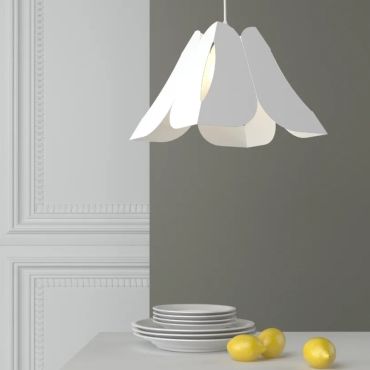
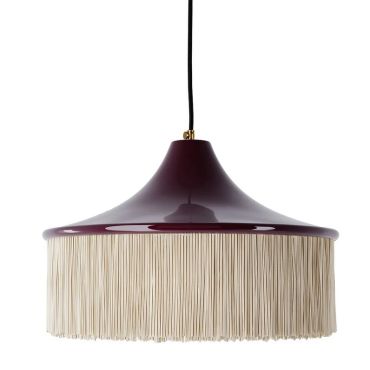
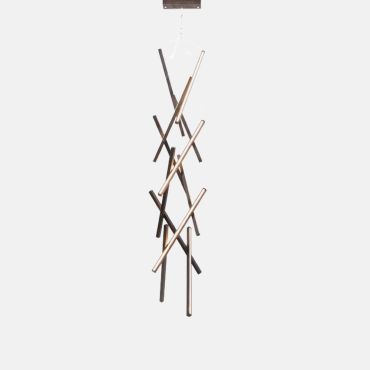
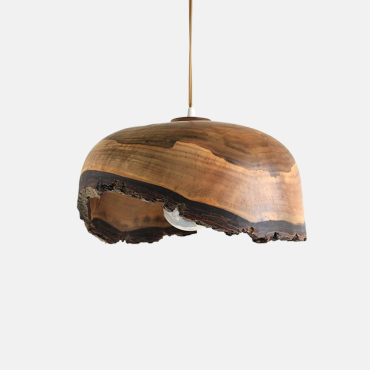
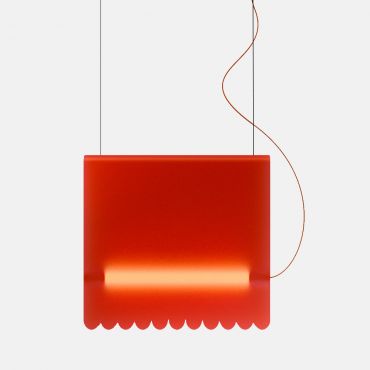
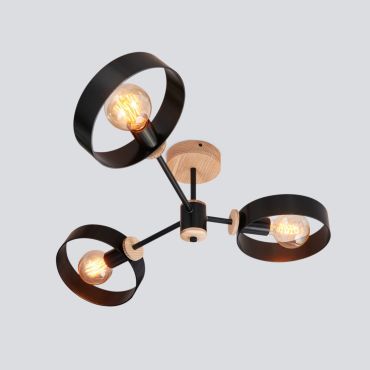
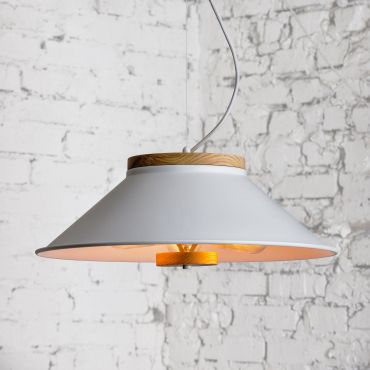
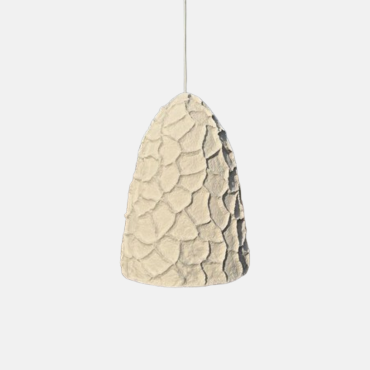

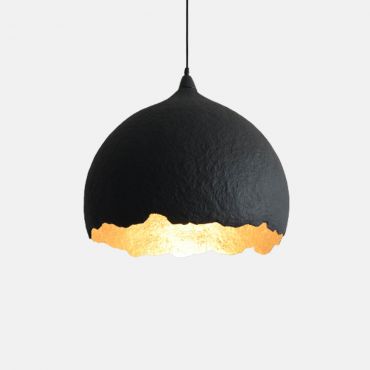
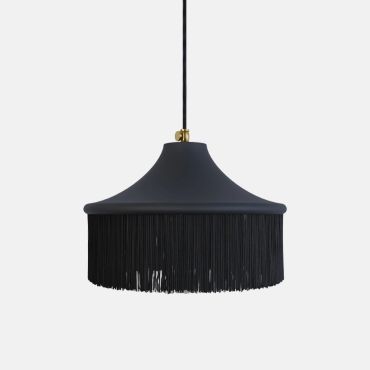
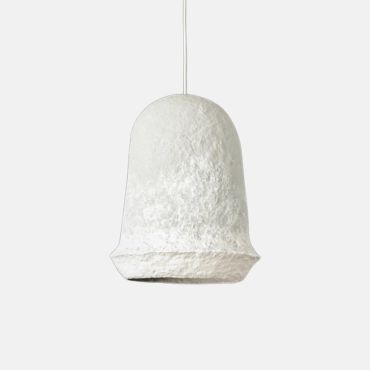
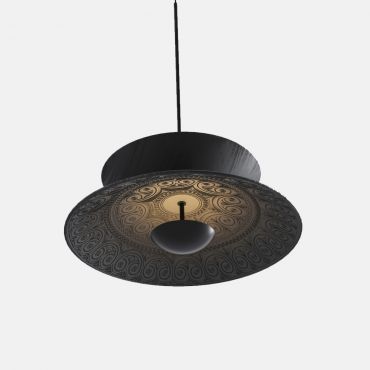
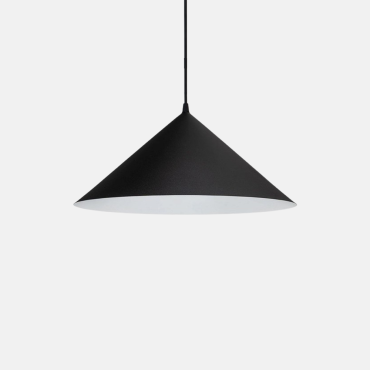
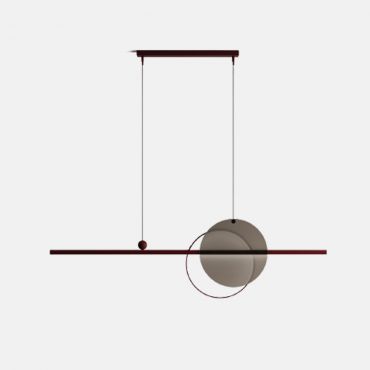
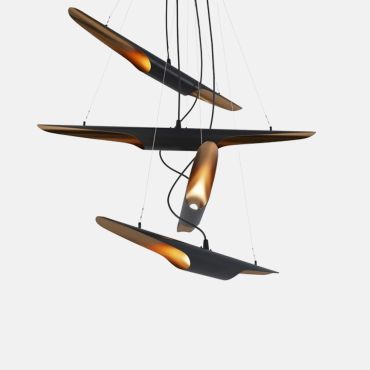
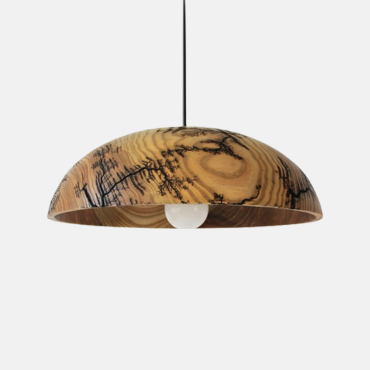
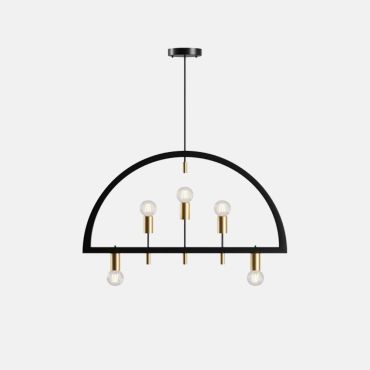
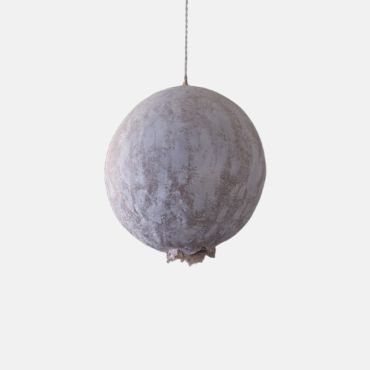
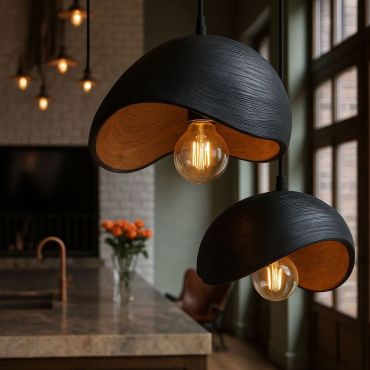
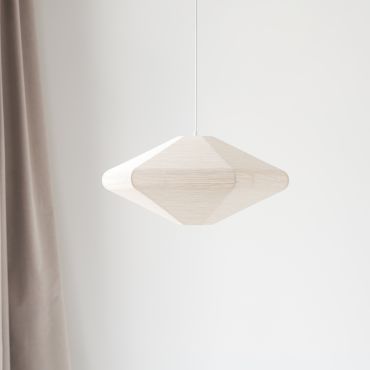
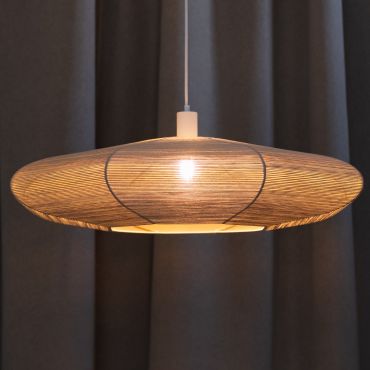

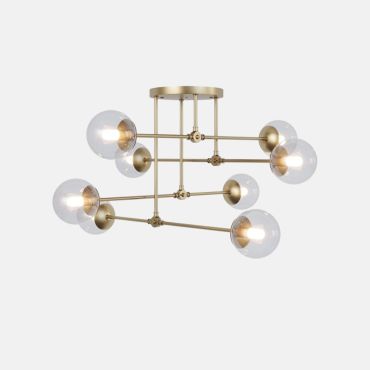
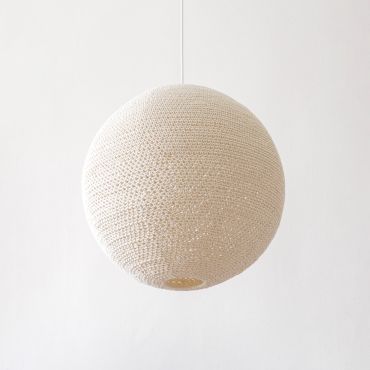
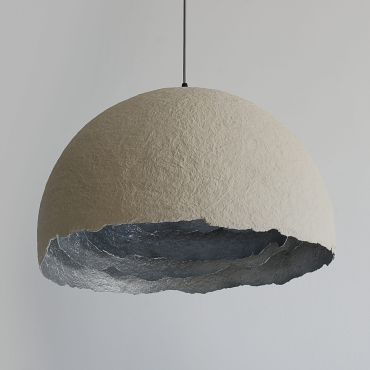
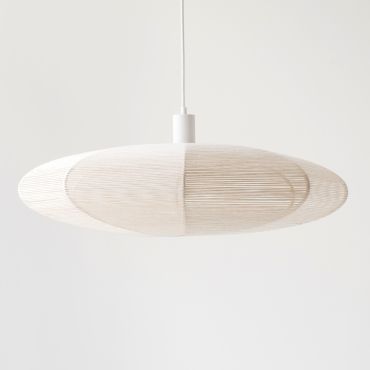
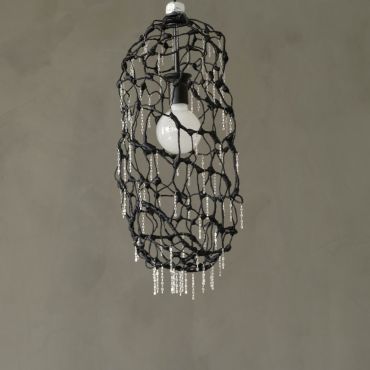
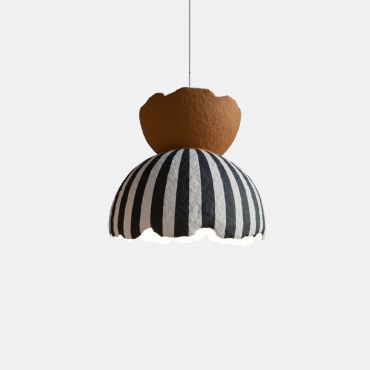
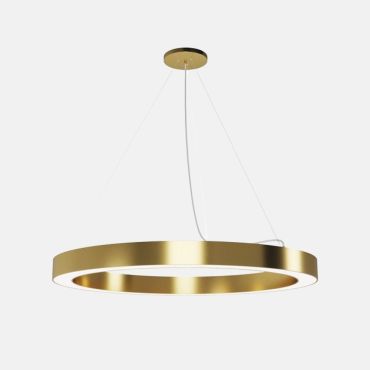
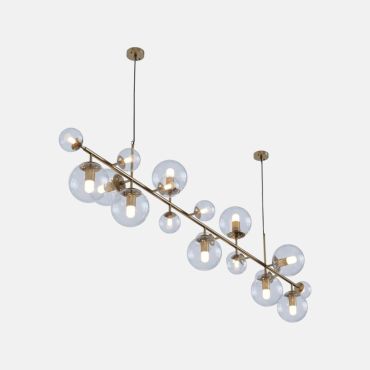
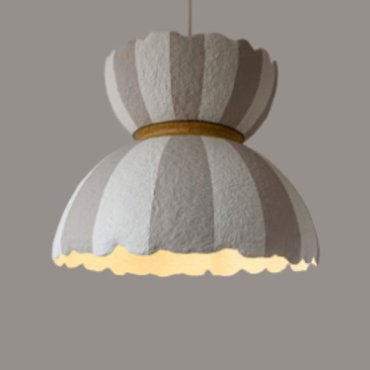
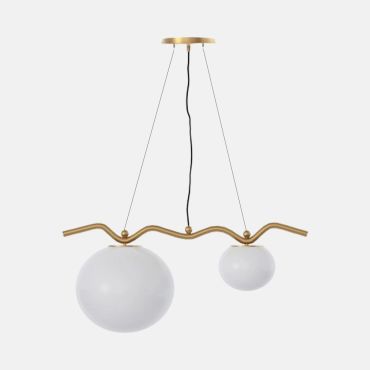
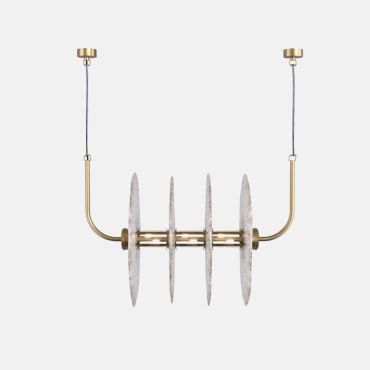
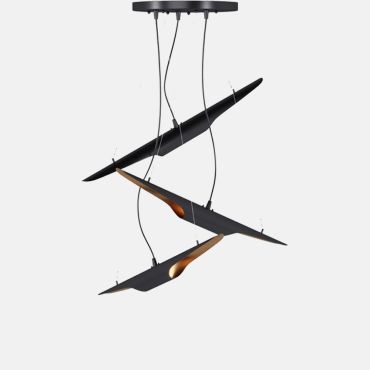
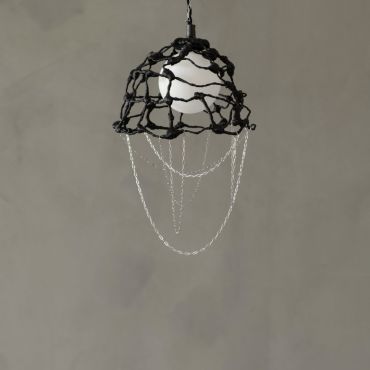
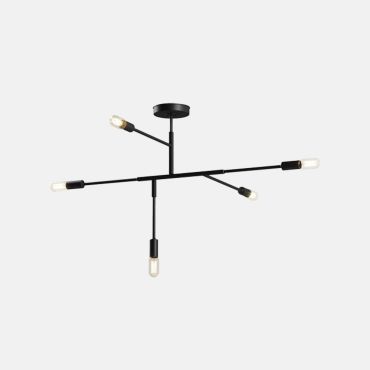
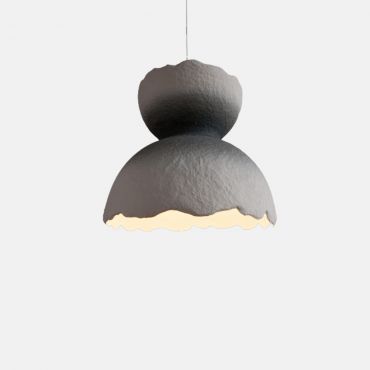
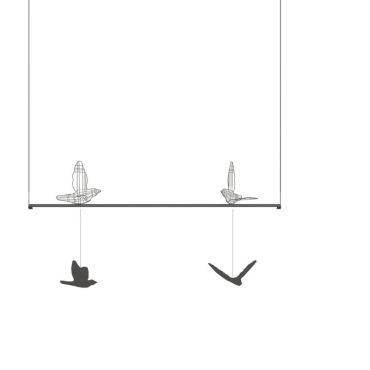
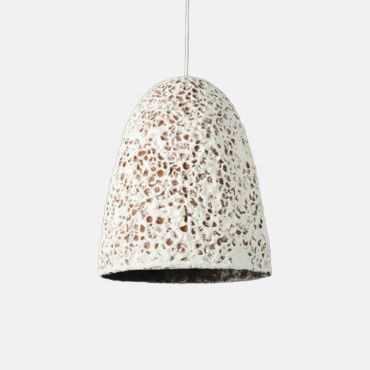
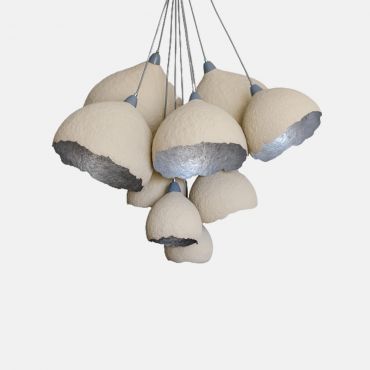
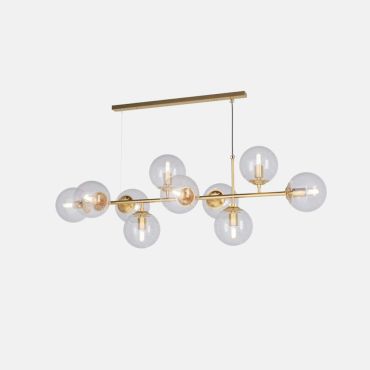
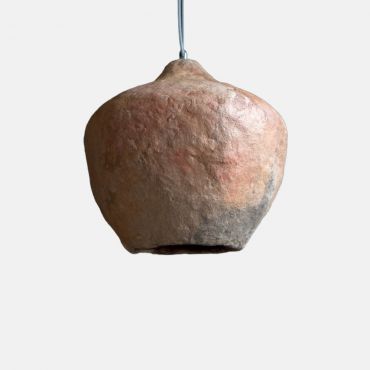
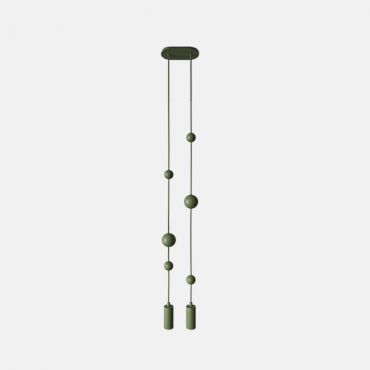
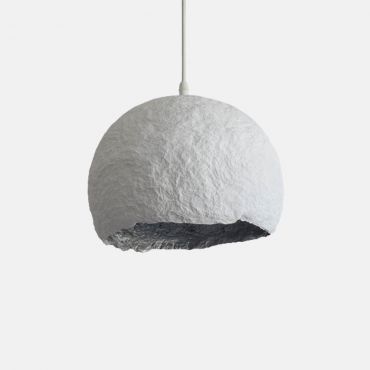
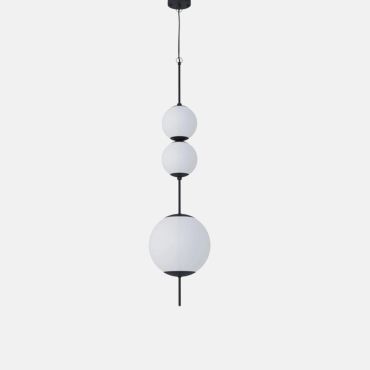
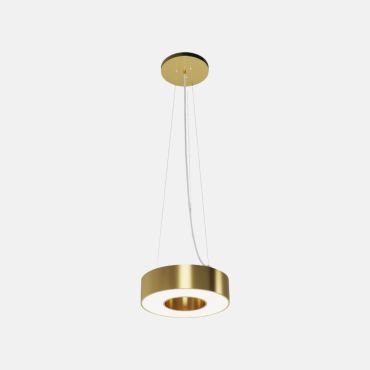
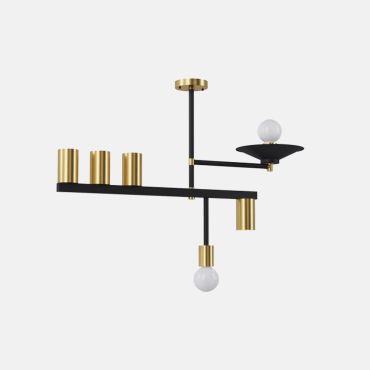
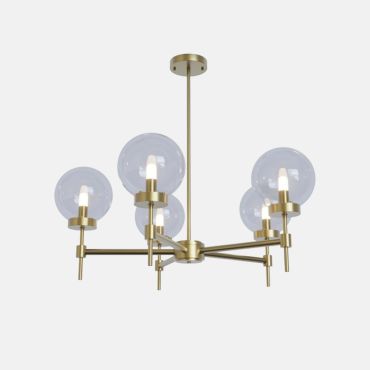
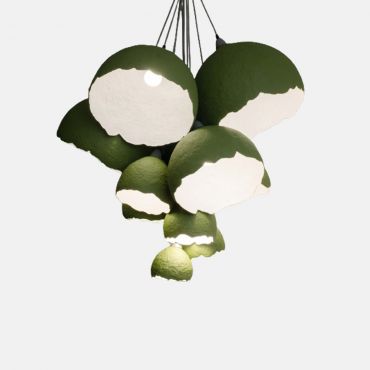
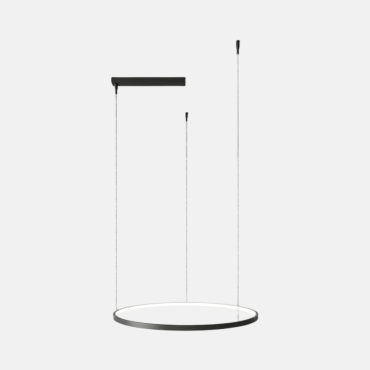
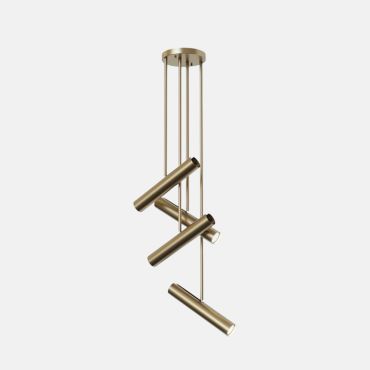
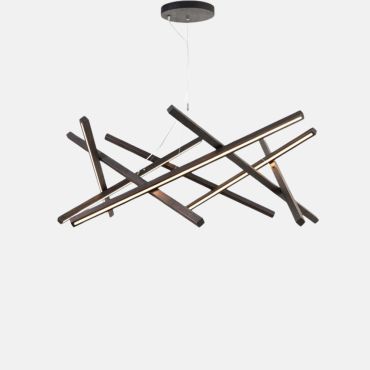
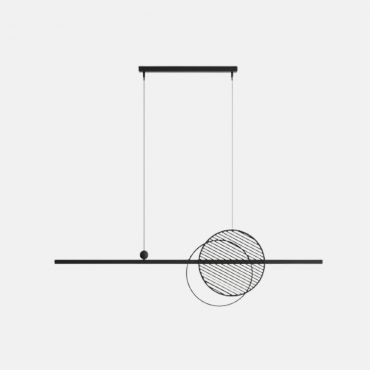
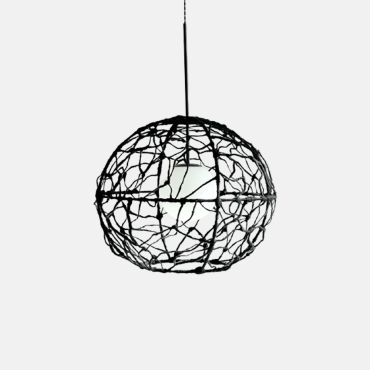
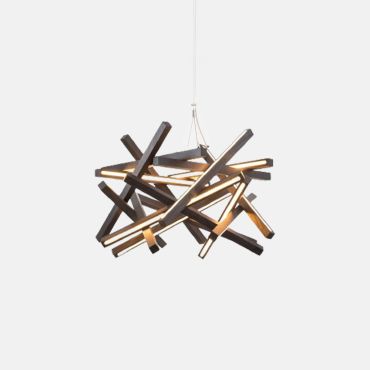
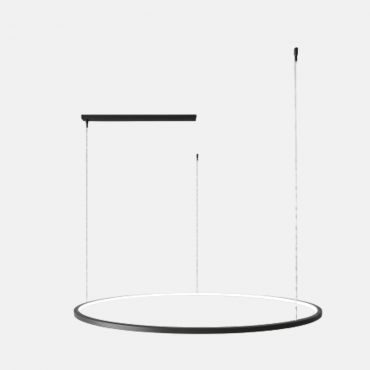
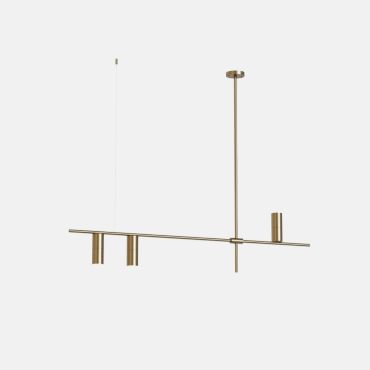
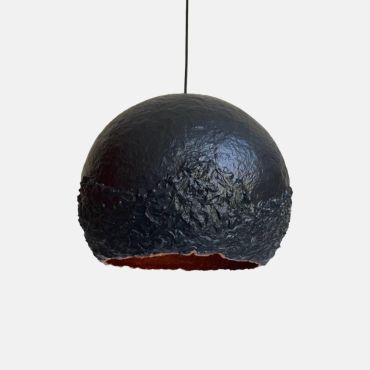
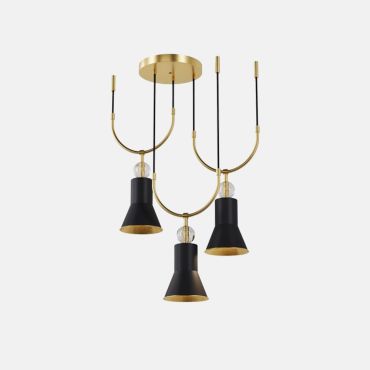
Kitchen chandeliers: how to choose and buy a chandelier for the kitchen
Chandeliers for the kitchen work in a room where light constantly changes its role. In the morning, it helps to wake up and prepare breakfast. In the evening, it supports conversation at the table without turning the kitchen into a working laboratory.
A successful chandelier for the kitchen does not try to illuminate every centimeter on its own. It provides general or local light in a defined area, and worktop lighting, sconces or other devices complete the scenario.
Before buying a chandelier for the kitchen , review the room again in the evening. Turn on existing lights, stand near the sink, stove, table, and island. Where is the face in the shadow? Which lamp gets into your eyes when you sit?
What a kitchen chandelier should be like
A chandelier for the kitchen should match the real life of the room. There is steam, greasy splashes, dust and frequent cleaning. Therefore, a beautiful complex relief that looks great in the living room may require too much attention in the kitchen.
The second requirement for a kitchen chandelier is eye comfort. An open lamp may look spectacular in a photo, but blind the person at the table. A deep lampshade directs the beam downward, a matte diffuser softens it, and the light directed to the ceiling creates a more delicate background.
The third sign of a successful chandelier in the kitchen is the correct proportion. The lamp should not get lost among the upper cabinets, block sightlines or interfere with cabinet fronts. Diameter gives only part of the answer. Look at body height, drop length, visual density and direction of elements.
And finally, chandeliers for the kitchen should offer flexible control. Separate groups of lamps, dimmers or several scenarios allow you to change the brightness without replacing the lamp. But the dimming capability is checked for the entire system: light source, driver and regulator.
Also look at how the light from the kitchen chandelier interacts with the hood and upper cabinets. The large body can cast a shadow, and a glossy cabinet front can reflect glare into your eyes. If you have a sample of the countertop or door material, test it under a similar source in the evening.
How to choose a chandelier for the kitchen for room size and layout
How to choose a chandelier for the kitchen when one model in the photo looks compact, and the other looks huge? Start with a plan. Mark the dimensions of the room, the cabinetry, the table, the island, the aisles and cabinet-door clearances. Then decide what the light should align with: to the geometric center of the room or to a specific furniture group.
For the size of the chandelier for the kitchen , a simple full-scale mock-up is useful. Mark its diameter or length with masking tape on the floor, and mark the fixture’s lowest point with a thread or a light paper shape. Look at the composition from the door, from the chair and from the work area.
The number of square meters does not give a ready answer for chandelier in the kitchen . Dark facades absorb more light, glossy surfaces create reflections, high ceilings increase the distance to work surfaces. Even the color of the walls changes the feeling of brightness.
Small kitchen and low ceiling
A small kitchen and a low ceiling need a visually calm model. Pay attention to the low body, short mount and light that does not directly hit the eyes. If the light is in an aisle, check the clearance above the head of the tallest person in the house. For a compact space, ceiling lamps, which preserve headroom, are also appropriate.
A chandelier for the kitchen with a single shade can work well over a small round table or in a kitchen with high-quality task lighting on the worktop. One lampshade does not mean weak light: the shape of the diffuser, the compatible bulb and the direction of the flow are important.
In a small room, kitchen chandeliers are particularly sensitive to visual noise. A large number of decorative details compete visually with handles, open shelves, appliances and dishes. A clean silhouette creates a welcome sense of calm.
Spacious and open-plan kitchens
Spacious and open-plan kitchens rarely need one powerful chandelier in the center. Light zoning works better here: a separate model above the table, a composition above the island, task lighting and a soft background in the rest area. Each group has its own control.
If the kitchen opens into the living room, the kitchen chandelier should not literally repeat the lamp next to the sofa. It is better to find one common feature: the color of the metal, the type of glass, the rhythm of the lines or the temperature of the light. For the adjacent zone, you can choose chandeliers for the living room of a different scale, but with a related visual language.
A large chandelier in the kitchen is appropriate when it has a clear anchor in the layout: a wide table, a long island or a space with a high ceiling. If there is no such support, an oversized fixture can feel disconnected from the interior. We advise you to first define the main area, and only then to increase the scale.
Chandelier for the kitchen above the table: a separate light for the dining area
Chandelier for the kitchen above the table creates focused rather than general light. It marks a place where breakfast easily turns into conversation, and dinner does not end immediately after the last plate.
The shape of the chandelier above the dining table can repeat the geometry of the tabletop or deliberately contrast with it. Above a round table, one expressive shade or a compact group is naturally read. Above the rectangular one is an elongated model or rhythm of several elements.
The height of the kitchen chandelier above the table should be checked on a real scale. The lower point should not cover the interlocutors, but a too high pendant loses its sense of privacy and scatters light around the room. Make a temporary mark, sit on both sides of the table, put a vase or tall dishes.
For an evening dining area, light above the table is often more pleasant in a warm range. It supports wood, ceramics, textiles and natural shades of food. But warm does not mean dull: the flow should be enough for serving and cleaning.
We see in practice that the chandelier above the table is sometimes chosen last, although it is the one that ties the dining setting into a complete scene. Start with the table and chairs, consider their width and materials, and then choose the light. For a natural composition, you can consider chandeliers made of wood, if their characteristics correspond to kitchen use.
If the table extends, the chandelier above the dining table should look good in two states. A compact lampshade can feel well-proportioned above the everyday tabletop, but get lost during a big dinner party. The elongated model, on the contrary, can overwhelm the table when folded.
Chandelier above the kitchen island or bar counter
The chandelier above the kitchen island lights a long horizontal surface. Here it is important to illuminate the surface evenly, without leaving a bright spot in the middle and dark edges. There are two strong solutions: one linear model or a composition of several pendants.
The chandelier above the breakfast bar has another task: not to block communication. People sit closer to the lamp, often see it from below, so open lamps and shiny internal surfaces should be checked especially carefully.
The island often changes function throughout the day, and the chandelier above the kitchen island should support those changes. In the morning, the island is used for a quick breakfast, in the afternoon - as an extension of the worktop, in the evening - as a bar for guests.
One long chandelier for the kitchen looks calm and complements a monolithic worktop. Several pendants offer more flexibility: they can be arranged in a uniform rhythm or hang at staggered heights if the model allows. However, random height differences quickly create chaos.
When planning light above the kitchen island , consider the hood, tall faucet, opening upper cabinets and the direction of the view from the living room. Cables should not cross the equipment or hang in front of the face. It is better to fix the position of the ceiling outlets after choosing a specific model.
For the island and counter, pendant lights are particularly appropriate when an adaptable composition is required. When choosing a long chandelier for the kitchen, check the length of the fixture body, not just the ceiling canopy. It should correspond to the work surface and leave a comfortable margin from the edges. The exact spacing depends on the proportions of the model and the plan.
The number of elements in the composition above the island is determined not by the rule of "two or three", but by the width of each shade, the length of the surface and the light pattern. Large shades need more air between them, while slender ones can sit closer together.
How much light is needed: lumens, color temperature and CRI
How much light is needed for the kitchen is determined not by the number of lamps, but by the light flux, the way it is distributed and the surfaces of the room. A matte shade absorbs part of the output, dark facades absorb light, glossy facades reflect it into the eyes.
The color temperature for the kitchen depends on the function of the zone. Warm light around 2700–3000 K creates a calmer mood over the table. A neutral around 4000K may be appropriate for a work surface where clarity is important.
The CRI indicator for kitchen light describes how naturally the source renders colours. For the kitchen, this is noticeable every day: herbs, fruit, wood and ceramics can look alive or grayish. Don't just focus on color temperature.
Another parameter that is easy to miss is light flicker . It is not always immediately noticeable, but it can be tiring during long work at a desk or appear as streaks on video. Quality depends on source and driver, and behavior may change after dimming.
LED chandeliers for the kitchen and brightness control
LED chandeliers for the kitchen attract with thin forms, uniform light lines and the possibility of integrating the source into the structure itself. Such fixtures can be particularly expressive over the island. Before ordering, check the color temperature, CRI, the possibility of replacing the module or driver, and service options.
If you are planning to buy an LED chandelier for the kitchen , ask exactly how its dimming works. Some models work only with certain dimmers, some have their own remote control or several levels of brightness. Incompatibility can show up as flickering, buzzing or unstable startup.
The phrase buy an LED chandelier for the kitchen often hides two different requests: a thin integrated design or a regular chandelier with LED lamps. In the first case, design and source are inseparable. In the second, you can change the lamps, temperature and power within the manufacturer’s limits.
Why the central chandelier is not always enough
A central chandelier is not always enough , because a person near the table can block the light with their body. The shadow falls exactly where they are cutting, reading a recipe or checking food as it cooks. Lighting under upper cabinets solves this problem more precisely.
Multi-level designer lighting allows you not to turn on everything at once. Morning coffee may need only the light above the table and a soft line near the tabletop. A brighter overall mode is needed for cleaning. A muted chandelier for dinner. You can see different types of devices for such a system in the designer lighting category.
Different groups of lights in the kitchen should be assigned to separate switches or control scenes. This may seem minor on a plan. In everyday life, it determines whether you can turn on the light above the island without a bright ceiling, and the backlight of the tabletop — without decorative pendants.
Shade materials and care in a kitchen
Shade materials in the kitchen should look beautiful and withstand routine cleaning. Smooth glass is easy to wipe, but fingerprints are more visible on a transparent surface. Frosted glass gently diffuses light, but requires delicate care.
A chandelier with glass shades can look visually light even in a small kitchen. The transparent glass reveals the lamp, so its shape and brightness become part of the design. Opal or matte hides the source and gives a calmer light.
Metal chandelier for the kitchen keeps a clear silhouette well and can direct light downwards. Dark metal adds definition, light contrasts less with the ceiling, brass shades give a warm accent. However, the inner surface of the lampshade affects the color and character of the beam.
The natural texture makes wooden lighting elements warmer in appearance, but the kitchen requires attention to the coating and installation location. Not all materials react equally to moisture and frequent cleaning. A selection of objects with a natural texture can be seen among wood lamps, and the specific method of care should always be checked with the manufacturer's recommendations.
Caring for a kitchen chandelier is easier when it is regular. Turn off the power, let the sources cool, use a soft dry or slightly damp cloth according to the material. Do not spray the product directly on the lamp and do not allow moisture to enter the electrical parts.
The location also affects how often you will have to clean the shades in the kitchen . The model directly next to the active stove collects more grease and residue than the lamp above the distant table. A good hood helps, but does not negate care.
Modern chandeliers for the kitchen: shape, materials and current design
Modern chandeliers for the kitchen are recognizable by more than one fashionable color. They are defined by precision: clear geometry, thoughtful proportions, honest material and light that works together with the form. It can be a thin LED line, a sculptural ceiling, a modular composition or a simple volume with an expressive texture.
A well-designed modern kitchen chandelier does not lose its character when turned off. During the day, it reads as a design object, supports the rhythm of the facades and the proportions of the table. In the evening, a second layer is added - a light pattern.
When choosing modern kitchen chandeliers , do not try to repeat all the details of the interior. If there is already a lot of wood in the kitchen, one more wooden object may be superfluous; thin metal or glass will give the desired contrast. If the space is cold and graphic, a warm texture will soften it.
Trends should be used as a filter, not as instructions for modern kitchen chandelier . Coloured glass may be popular today, chrome or paper forms tomorrow. Ask yourself if the model holds up without fancy decoration: does it have good proportions, does it have nice light, does the scale fit.
Minimalism and Scandinavian style
Chandelier for the kitchen in minimalism is based on proportions. There is no decoration here to hide poor proportions, so the length of the line, the thickness of the profile and the point of suspension are important. Choose one distinct geometry and leave air around it.
Scandinavian kitchen chandelier is not necessarily white and wooden. This mood is created by simple shapes, soft light, natural materials and the absence of excessive shine. Opal glass, matte metal, muted colors work well.
Loft and modern eclecticism
Choose a loft-style kitchen chandelier for more than an open lamp as such. A stronger result is given by honest construction, dark metal, expressive fasteners and a scale correlated with the rougher textures of the space. If brick, concrete and black facades are already active, the lamp can be simpler. An excess of industrial details quickly becomes decoration.
Chandelier for modern eclecticism can be unexpected. Colored glass, a sculptural form or an unusual rhythm of pendants create a point of tension between different pieces of furniture. But even a bold object needs a connection with the room: repetition of color, proportion or line.
Natural materials and Ukrainian design
Ukrainian lighting design is interesting because it works with local materials without relying on folkloric decoration. Wood can look architectural, metal - soft, glass - almost weightless. We appreciate objects in which the material is not disguised and has a clear role.
Ukrainian-made chandeliers also make it easier to verify the materials, parameters and origin of the object. For a complex layout, direct communication matters: the length of the pendant, the color option, the type of source or the possibility of composition can influence the decision.
What to check before purchase and installation
Before you buy a chandelier for the kitchen in Ukraine , make a short technical checklist. Dimensions, weight, mounting type, voltage, compatible light sources, included parts, cable length, control method and maintenance conditions are required. For an integrated LED, check service and replacement options for the driver and module.
The installation of the chandelier on the stretch ceiling is planned before the stretch membrane is installed. A proper mounting support is required, which transfers the load to the base ceiling, and not to the film or fabric. The size of the decorative bowl should cover the installation area.
For a kitchen chandelier near a sink or stove , one protection class should not be chosen in isolation without evaluating the distances and conditions. Steam, spray and temperature depend on layout, ventilation and installation height. Check the manufacturer's requirements, electrical design and local codes.
Before installing the chandelier in the kitchen , check the switches and dimmer. If the model has multiple groups, make sure the wiring supports the required control. If the lamp is heavy or bulky, think about safe lifting and assembly.
When receiving a designer chandelier , check the contents against the packing list, check the cables, bowl, fasteners and shades in good light. A slight difference in the shade of natural material should not be confused with a defect, but cracks, chips and damage to the coating should be documented immediately.
Typical mistakes when choosing a chandelier for the kitchen
The first mistake when choosing a chandelier for the kitchen is to focus only on the close-up photo. Without scale, even a large model seems compact. Ask for the dimensions, request an in-room image, make a layout.
The second mistake is to choose a kitchen chandelier based on the power of one lamp. The light depends on the total lumen output, the number of sources, shades and direction. A bright lamp in a closed dark shade may give less useful light than several lower-output sources with good distribution.
The third mistake is to place the kitchen chandelier in the geometric center, ignoring the furniture. As a result, it ends up between the table and the island and does not fully illuminate any area. Light should follow the way the room is used.
The fourth mistake is to forget to clean the chandelier in the kitchen . Dozens of small details, a textile lampshade near the active stove or inaccessible internal surfaces quickly reduce the pleasure of a beautiful object. The first evening will be spectacular. What about on a regular Saturday six months from now?
Why should you buy a kitchen chandelier from MAIIMO
Buying a chandelier for the kitchen at MAIIMO means starting not with an endless list, but with a curated selection of Ukrainian product design. We look at the lamp as a part of the interior: we evaluate the silhouette, materials, proportions and scenario. In the catalog you can compare designer chandeliers and narrow down the choice to models that really work in your layout.
When you plan to buy a chandelier for the kitchen , we will help you match it with the height of the ceiling, the table, the island and the existing light. Photos and parameters provide the basis, but complex cases require a conversation: where people sit, how the facades open, from which side the kitchen is visible.
For a consultation on chandeliers for the kitchen , it is useful to prepare a plan or sketch with dimensions, evening photos and links to models that you like. It is not necessary to know professional terms. It is enough to show the table, the height of the ceiling and the place of the electrical outlet.
MAIIMO presents modern kitchen chandeliers from Ukrainian brands and local studios. These are models with character: restrained lines, natural materials, sculptural volumes, compositions for a table or an island. We do not promise that one item will fit all.
If you decorate several rooms, a chandelier for the kitchen can become part of a coherent lighting scheme. For a quieter private area, see bedroom chandeliers, and for the kitchen-living room, models of a different scale in the adjacent category. We will help to combine them without relying on matching sets and random repetitions.
Frequently asked questions about chandeliers for the kitchen
Which chandelier to choose for the kitchen?
Which chandelier to choose for the kitchen is determined by five things: target zone, room size, ceiling height, maintenance method and required light scenario. A local model is appropriate above the table, a linear or rhythmic composition above the island.
How to choose the size of the chandelier for the kitchen?
How to choose the size of a chandelier for the kitchen : measure the room and the furniture area under the lamp, then make a mock-up of the diameter or length. Evaluate it from different points and check its lowest point.
Which chandelier is suitable for a kitchen with a low ceiling?
Chandelier for the kitchen with a low ceiling has a short mount, a low body and a closed or softly diffused source. In the aisle, leave a safety margin overhead, and above the table, check seated sightlines.
At what height should the chandelier be hung above the kitchen table?
At what height to hang the chandelier above the kitchen table depends on the shape of the shade, brightness, height of people and the size of the table. Make a temporary mark and check that people across the table remain visible and that the lamp is not blinding.
How much light is needed for the kitchen?
How much light is needed for the kitchen is calculated for all sources together. Area, height, color of facades, shades and task lighting are taken into account. A chandelier can provide basic light, but the cooking area needs dedicated task light that the cook’s body does not block.
Which color temperature is best for the kitchen?
Color temperature for the kitchen depends on the task. Above the table, a warm light of 2700-3000 K is often comfortable, while a neutral around 4000 K can be suitable for the work surface.
Which shade material is most practical in a kitchen?
A practical shade material for a kitchen has a smooth, accessible surface and a durable coating. Glass and painted metal are usually easier to clean than textiles or complex terrain. But the method of care depends on the specific product.
Is IP44 required for a kitchen chandelier?
IP44 for a kitchen chandelier is not an automatic requirement for every point in the room. The required protection depends on the proximity to water, steam, the stove and specific installation conditions. Refer to the electrical project, local regulations and the manufacturer's instructions. Do not install a conventional lamp in a risk area without confirmation.
Is one chandelier enough for an open-plan kitchen?
One chandelier for an open-plan kitchen is usually not enough for all scenarios. It can be a compositional center and provide general light, but the tabletop, table, island and living room need separate sources. Divide the control groups so that you don't have to switch on the whole room for one cup of tea or a quick dinner.
Where to buy a chandelier for the kitchen?
You can buy a chandelier for the kitchen at MAIIMO. Here you will find Ukrainian-brand models with photos and specifications, and the team will help you choose the shape, scale and type of light for the table, island or common area. If the layout is complex, prepare the dimensions and photos of the room - so the consultation will be more accurate.