Toy Shelves for Kids Rooms
Space for my little world
Toy shelves work like small architecture for a child's room: books, wooden cars, building blocks and favorite little things stay close, yet the room keeps its air. At MAIIMO, shelves for toys feel like part of the interior: light, tactile and considered in height, form and the mood of the kids room.
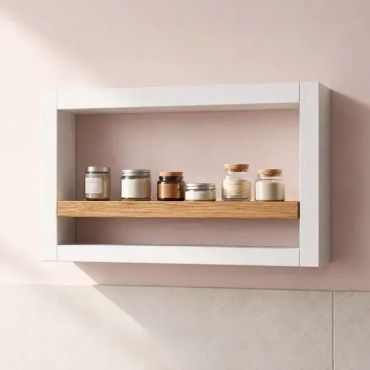
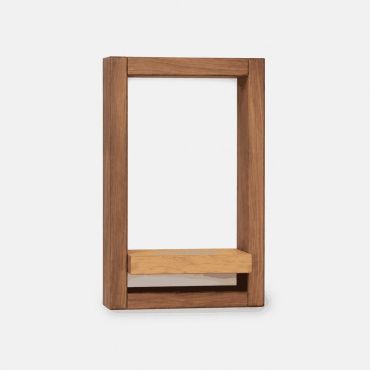
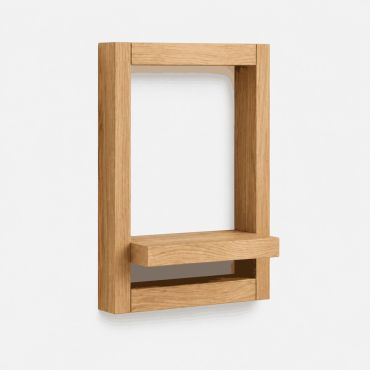
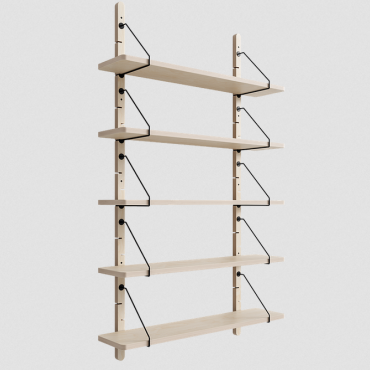
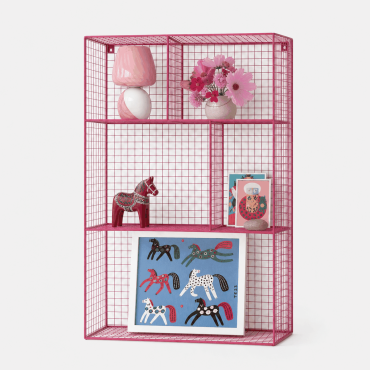
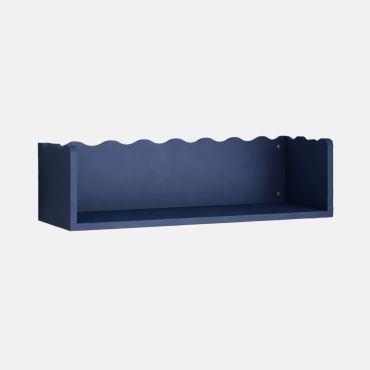
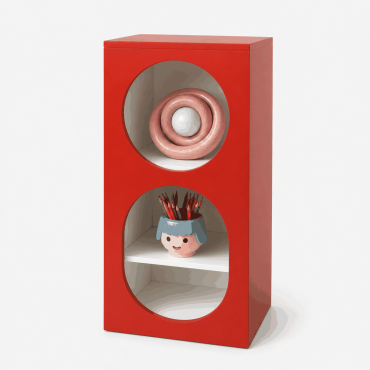
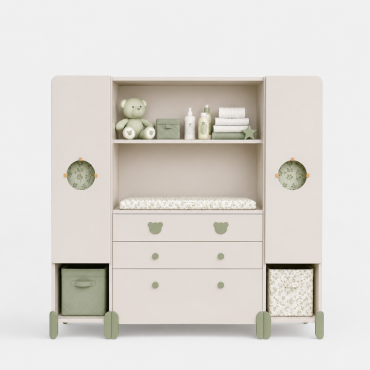
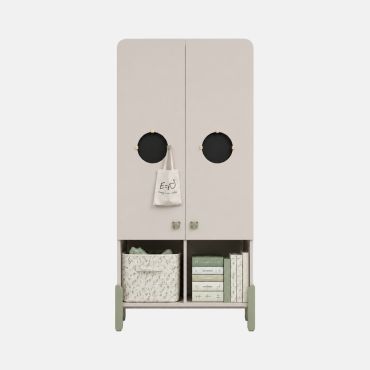
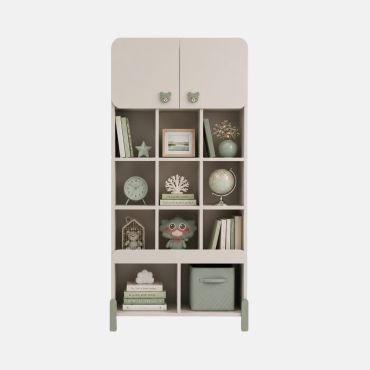
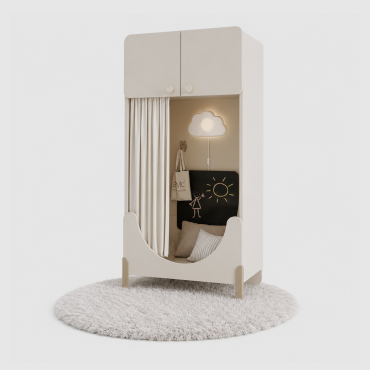
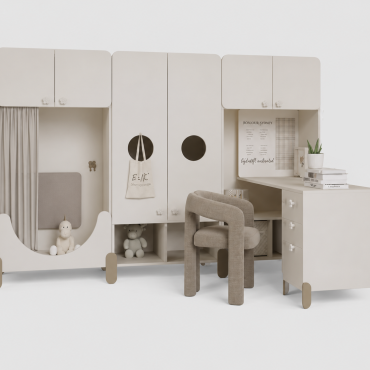
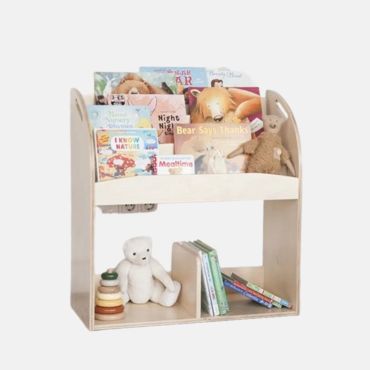
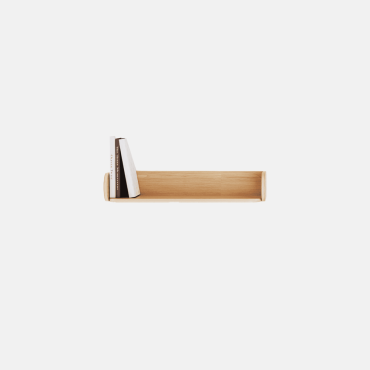
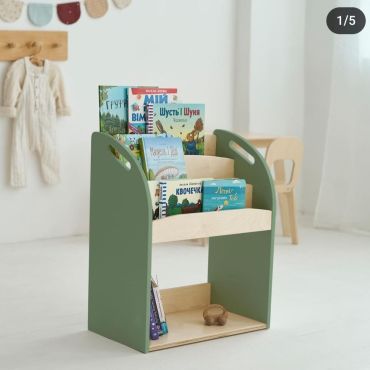
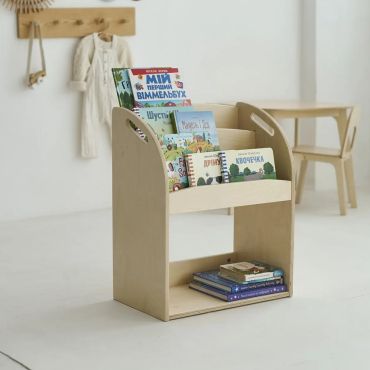
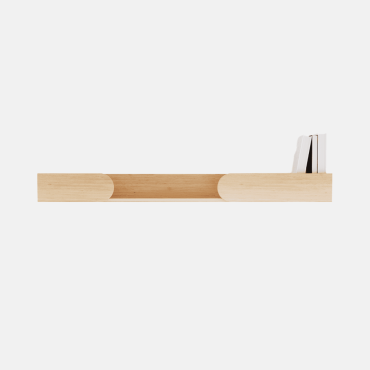
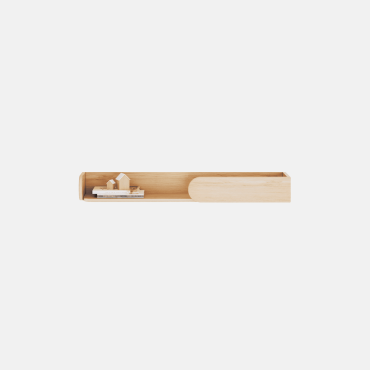
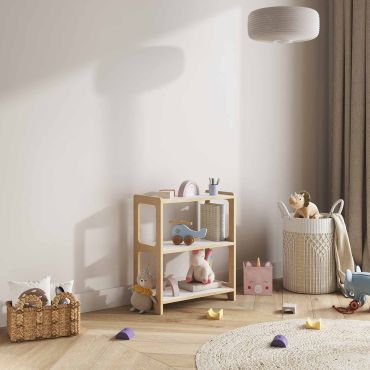
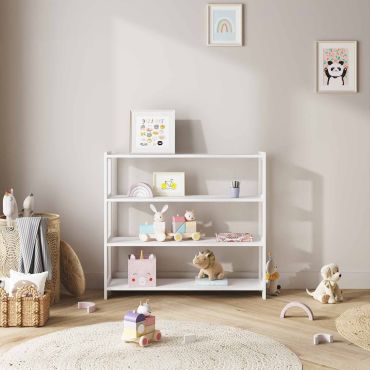
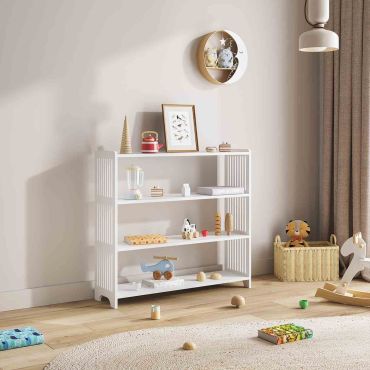
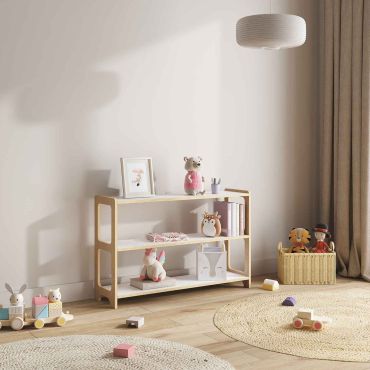
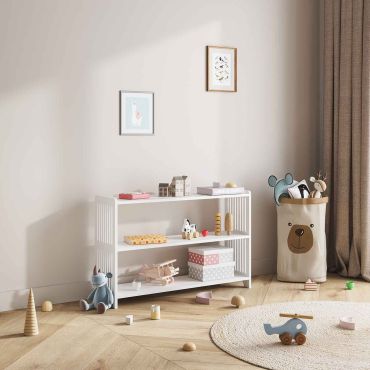
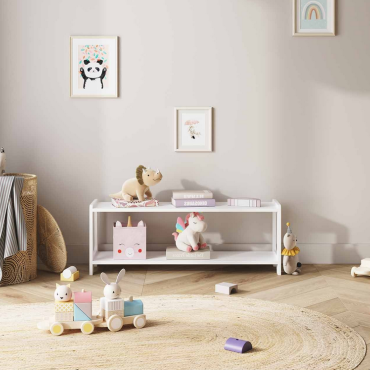
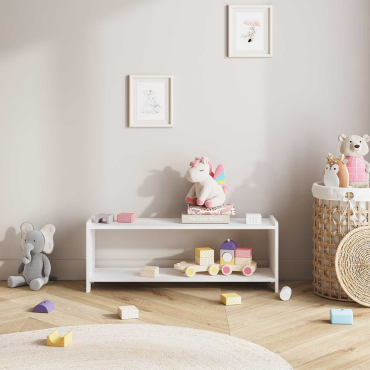
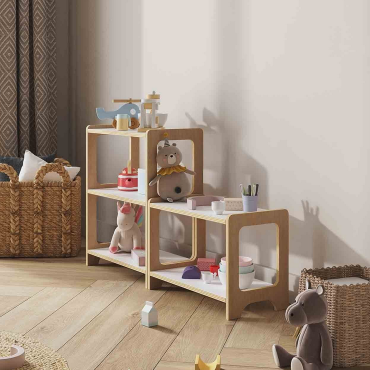
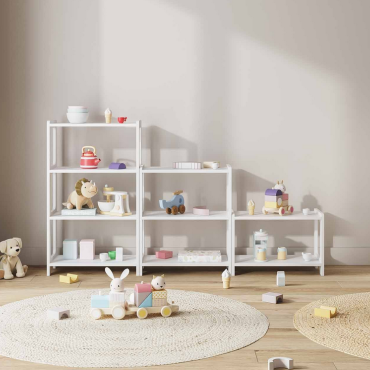
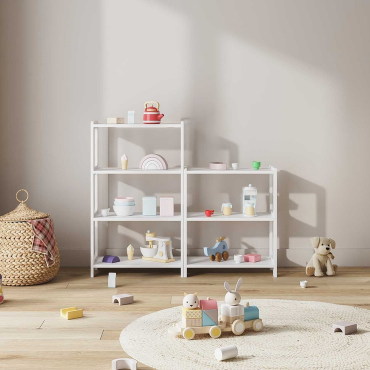
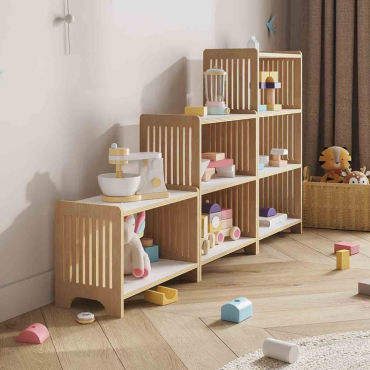
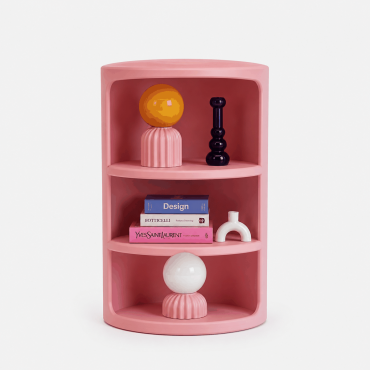
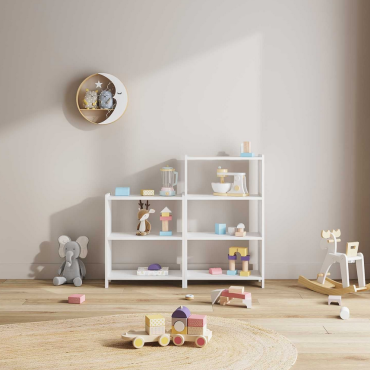
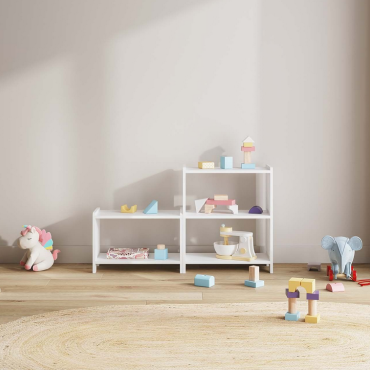
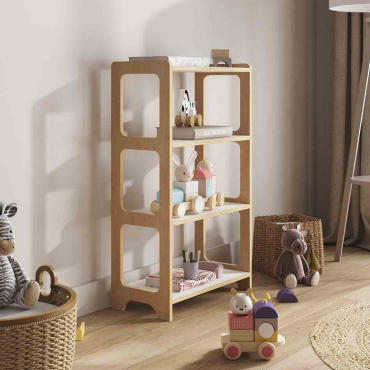
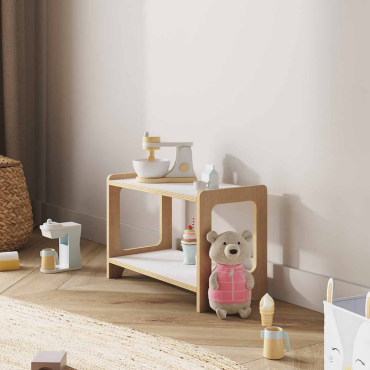
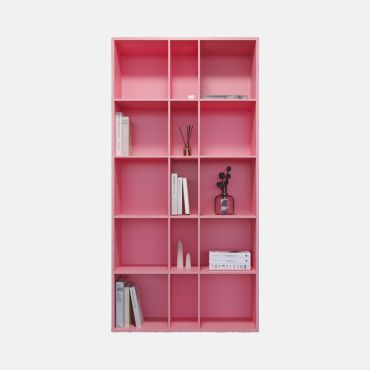
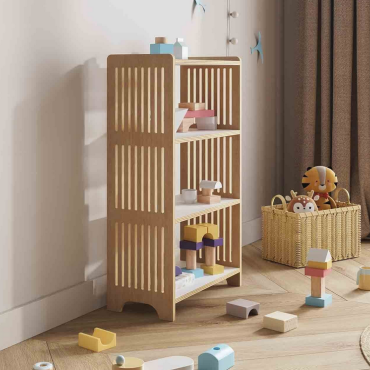
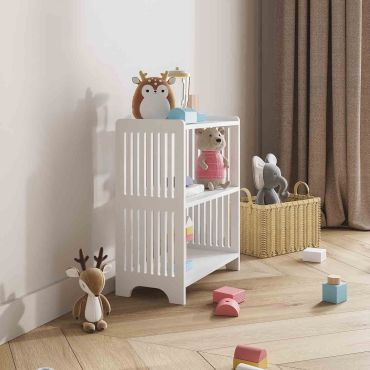
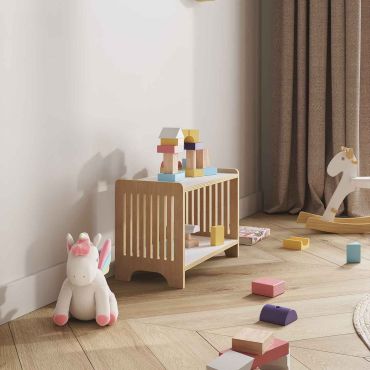
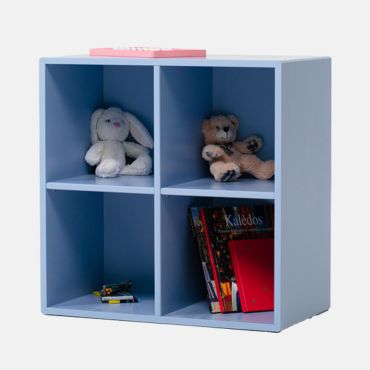
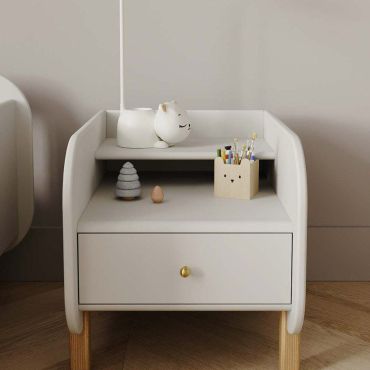
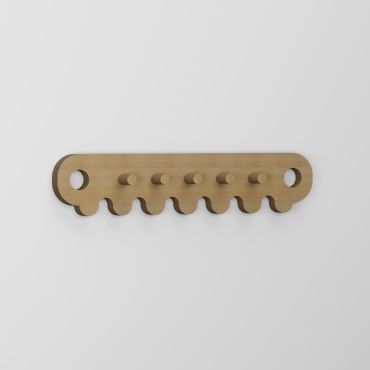
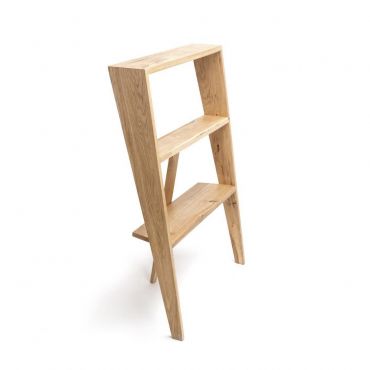
Toy shelves for kids rooms: how to choose beautiful, practical storage
Toy shelves in a child's room solve more than tidiness. They give the room a clear map: where books live, where wooden toys return, what a child can reach alone and what should stay a little higher.
At MAIIMO, we see shelves for toys as working pieces, not background accessories. A good shelf does not shout, but it often keeps the room from turning into visual noise by evening.
The important thing is not to mistake a beautiful photo for everyday comfort. Toy shelves for kids rooms need to fit the child's age, the weight of the objects, the mounting height, the room style and the way the child actually plays.
Why toy shelves matter in a child's room
Toy shelves make a child's room easier to understand. When every object has a visible place, a child can return toys after play without waiting for an adult to reorganize the whole floor.
Well-placed kids toy shelves work as gentle navigation. Everyday pieces can sit lower, while seasonal sets, decor or objects that need adult help can stay above the child's reach.
In a compact room, shelves for kids room are especially useful because they use the wall instead of the floor. That leaves space for a rug, a pouf, a low table or simply free movement.
In a larger room, shelves for kids toys can shape different zones: reading, drawing, building blocks, soft toys, board games. The room becomes more than tidy; it becomes easy to use throughout the day.
Toy shelves or shelves for toys: what works better for your space
Toy shelves usually describe the broader category: wall modules, open sections, light shelving units or combined storage for books and small objects. If you are planning the whole storage system, start here.
Shelves for toys often suggest smaller wall pieces that complete an existing room. They work near the bed, above a small desk, next to the play rug or in a reading corner.
If the child is still small, a toy shelf should be simple, open and reachable. The child needs to see the object, take it without effort and put it back just as easily.
For an older child, children's shelves can be more layered: open sections for books, space for collections, boxes, decor and materials for school or creative projects.
Main types of toy shelves
Toy shelves differ by more than size. Look at the construction: wall shelf, floor shelving unit, shelf with a rail, narrow book ledge or a light module for decor and small toys.
We recommend choosing kids toy shelves by scenario, not by the simple question of what fits. Books need one depth, wooden toys another, building sets and boxes another again.
Wall shelves for kids room
Wall shelves for kids room are useful when you want to keep the floor open and add a quiet rhythm to the wall. They work above a desk, near a bed, over a dresser or next to a reading corner.
If wall shelves for kids room are meant for daily use, do not mount them too high. A child should see favorite things and feel that the room belongs to them, not only to adults.
Kids toy storage shelves
Kids toy storage shelves are right when there are many things in different formats: books, boxes, soft toys, craft kits, wooden blocks. A floor unit gives more capacity and usually handles daily use better.
For a younger child, kids toy storage shelves should be low and stable. The simpler the construction, the less temptation there is to climb on it or pull something heavy from the top.
Shelf for books and toys
A shelf for books and toys is useful in a room where reading and play live together. One section can hold thin books, another small cars, figures, wooden houses or neat storage boxes.
If you need a shelf for books and toys, check the depth carefully. Books can sit on a narrow ledge, while larger toys need more room and sometimes a front rail to keep objects from falling.
Montessori kids bookshelf
A Montessori kids bookshelf works best when the child sees the covers and can choose a book independently. It is not just a shelf; it is a quiet invitation to read.
In a small room, a Montessori kids bookshelf can stand near a rug, pouf or low table. It supports independence: the child does not ask someone to take the book down, but takes it and returns it alone.
Decorative shelves for toys
Decorative shelves for toys make sense when you do not want to hide everything, but want to show a few loved objects beautifully. Wooden figures, small books, a night light or seasonal details can all live there.
The key is not to turn decorative shelves for toys into a crowded display. A child's room usually looks calmer with a few objects, space between them and easy access to what is actually used.
How to choose toy shelves by age
Toy shelves should grow with the child. At two, reach and safe height matter most; at six, books and building blocks become important; at ten, the same shelves may need to hold school projects and personal things.
We treat shelves for toys as long-term pieces. If the form is calm, the material is good and the design is not too babyish, the shelf can stay in the room for years.
For toddlers
Toy shelves for toddlers should be low, open and easy to understand. At this age, a child uses a room better when every object is visible instead of hidden deep inside a cabinet.
For toddlers, shelves for toys should avoid sharp corners, slippery surfaces and heavy objects on the upper levels. Fewer things on the shelf often means more real use.
For preschool children
Kids toy shelves for preschool children can already have themes: books in one place, blocks in another, drawing sets in a third. This makes order feel like part of play rather than a rule imposed from outside.
At this age, shelves for kids toys work well with boxes or baskets. Open sections keep beautiful objects visible, while small details do not spread across the whole room.
For school-age children
Children's shelves for a school-age child have to handle new functions: textbooks, notebooks, art materials, sports accessories, collections. Toys may take less space, but storage still matters.
For school-age children, shelves for kids room work best near the study area or above a desk. If you are planning furniture together, also look at kids desks, because the shelf and the desk should support the same daily routine.
At this age, toy shelves often become independence shelves. A child decides where drawing paper lives, where to place a favorite model, which books stay visible and which objects should leave the desk surface free.
Materials, height and safety for children's shelves
Toy shelves in a child's room should be strong, stable and pleasant to touch. Children handle these pieces daily, so material matters as much as color or shape.
Wood, quality plywood, metal or combined constructions can work well for kids toy shelves when surfaces are neatly finished and mounts are chosen for the real weight of the objects.
The right height for shelves for kids room depends on who uses them. Items a child should take alone belong at eye level or slightly lower; objects that need adult control can sit higher.
For kids toy storage shelves, check stability and the option to fix the unit to the wall. A beautiful shelf is not worth the risk if it wobbles or feels too light.
Also check the edges and surface finish. Kids toy shelves should not scratch hands, catch textiles or collect dust in rough details. In a child's room, touch quality becomes visible very quickly.
How to combine toy shelves with other kids furniture
Toy shelves look and work better when they belong to the whole room. They should support the bed, desk, dresser, pouf, rug and play area instead of appearing randomly on an empty wall.
If you are planning the room from scratch, start with the wider category of kids furniture. It makes it easier to decide where toy shelves for kids rooms should stand so they do not block movement or duplicate other storage.
Near a play area, shelves for toys pair naturally with wooden toys. When the objects themselves are tactile and beautiful, there is no reason to hide them all behind doors.
Next to a study area, children's shelves should connect with kids tables and chairs. Books, pencils, paper, board games and creative kits then have a place close to the work surface.
If there are many things, shelves for kids toys do not have to do everything alone. A kids dresser can take the heavier volume, while open shelves hold the beautiful and frequently used pieces.
In the rest zone, shelves for kids room can sit beside kids beds or a soft reading spot. Near the bed, a shelf should stay calm: a book, a night light, one small toy, nothing more.
For reading and quiet play, kids toy shelves work beautifully next to kids poufs. It is a simple way to make a small corner the child returns to without being asked.
When part of the collection becomes books, a shelf for books and toys can lead to the broader category of bookcases and book shelves. In a child's room, scale still matters: an adult bookcase is not always child-friendly.
Toy shelves in different kids room styles
Toy shelves should support the style of the room without becoming theatrical decor. In minimal interiors, simple lines, pale wood, white or graphite surfaces and a quiet rhythm of sections work best.
In a Scandinavian room, shelves for toys can feel warmer: natural plywood, soft white, milk tones and rounded details. This kind of shelf does not compete with textiles, rugs or colorful books.
For japandi rooms, shelves for kids toys should sit low, show natural texture and hold fewer objects. The space between things is just as important as the objects themselves.
In a modern room, kids toy storage shelves may be more graphic: clear geometry, contrast details, open and closed sections. The shape can be strong, but the child's comfort still comes first.
In eclectic rooms, shelves for toys can tie different pieces together. They might echo the bed color, the curve of a table or the warm tone of wooden toys, so a lively room still feels composed.
How many toy shelves do you need?
Toy shelves should not cover a whole wall just because there are many toys. Sometimes the problem is not a lack of furniture, but the absence of rotation: some things are needed now, others can rest.
Start with a simple inventory. How many books does the child use each week? Which toys are really in play? How many boxes do small parts need? After that, shelves for toys become easier to choose.
If everything is displayed at once, kids toy shelves can become visual clutter. It is better to keep favorite, current objects visible and store the rest behind doors or rotate them later.
A simple rule helps: toy shelves should not be filled to the edge. When there is air between objects, a child can choose more easily and adults can see when it is time to edit the room.
Toy shelves in a small kids room
Toy shelves in a small room need to work precisely. The goal is not maximum capacity, but the right location: above a table, near the bed, in a reading corner, close to the rug.
For compact rooms, wall shelves for kids room often work better than a floor unit. They keep the path open and leave more floor space for play.
Still, if there are many objects, one narrow kids toy storage shelf may be more honest than several random shelves across different walls. Stability and a calm layout matter more than quantity.
Custom shelves for kids rooms
Children's shelves sometimes need to be planned for a specific place: a niche, a low wall under a window, a narrow gap, a bedside zone or a Montessori reading corner.
Custom shelves for toys are useful when ready-made models are too deep, too high or not quite the right color. In a child's room, a few centimeters can decide whether the child uses the shelf independently.
Author-made shelves for kids toys do not need to be complicated. Often the best result is a simple shape, exact size, good material and a calm color that will not age too quickly.
Seasonal toy rotation on shelves
Toy shelves help not only to store, but also to change the mood of the room. Some toys can stay visible now, while others are put away and returned later, so the child sees them again with fresh interest.
This works especially well when shelves for toys are open. Change a few books, wooden figures or craft sets, and the room feels alive without becoming crowded.
For younger children, kids toy shelves with a limited selection often work better than large drawers. The child sees a choice, but not dozens of objects at once.
Common mistakes when choosing children's shelves
The first mistake is choosing toy shelves only by photo. A shelf may look perfect in a styled image, but in a real room it may lack depth, height or reliable mounting.
The second mistake is buying shelves for toys too high "for later." If the child cannot use them now, they become adult decor instead of a working part of the room.
The third mistake is making children's shelves too bright. Toys and books already bring plenty of color, so the furniture often works better when it stays calm.
The fourth mistake is choosing kids toy storage shelves without thinking about stability. A floor construction must stand confidently, especially if the child is active and leans on furniture during play.
Color and shape: how not to get tired of kids shelves in a year
Toy shelves are tempting to make playful, but a child's room is already full of color: books, toys, textiles, drawings, blocks. If the shelf is also loud, the room can feel overloaded fast.
The longest-lasting shelves for toys are usually calm: natural wood, milk white, warm grey, graphite, muted green or soft blue. This base lets you change bedding, rugs and decor without replacing the shelf.
The shape of kids toy shelves should be mature enough. A very fairy-tale shelf may delight at three and feel childish at seven; calm geometry survives age changes much better.
If you want an accent, add it through the objects on the toy shelves for kids rooms, not necessarily through the furniture itself. Today wooden animals, tomorrow books, later a small collection.
How toy shelves grow with the room
Toy shelves do not have to disappear when a child grows out of early play. If the construction is good and visually calm, it can move from blocks and cars to books, board games, decor and study materials.
In a younger school child's room, shelves for toys can become project shelves. Drawings, handmade pieces, favorite books and small trophies give the child a sense that the room is truly theirs.
A teenager's room can still use shelves for kids toys if they are not too infantile. Toys leave, but books, headphones, posters, ceramics, collections and personal objects remain.
That is why we recommend children's shelves with enough stylistic quietness. The child can change the content, while the shelf remains a good base.
What to check before buying
Before buying toy shelves, picture one real day in the room. Where does the child sit to play, where does a book come from, where does the building set go, does anyone bump into the shelf between the bed and desk?
For a wall model, check what will stand on the shelves for toys every day. Light books and small figures need one type of shelf; boxes and heavy wooden objects need stronger mounting.
For a floor unit, make sure kids toy storage shelves do not block a wardrobe, drawers, a rug or the way to the bed. Children's furniture should leave space for movement.
If you are considering a Montessori kids bookshelf, look at it from the child's height. Are the covers visible, is it easy to return a book, is the section too deep, does it invite reading rather than random storage?
When one toy shelf is better than a large system
A single toy shelf can be more useful than a large shelving system. If the room is small and the number of objects is moderate, one well-placed shelf near the rug or bed may work best.
One shelf for toys also tests the real scenario. If the child uses it daily, returns objects and does not overload it, you can add another section later.
For a Montessori corner, a Montessori kids bookshelf often needs to be one strong point, not part of a big wall unit. Its job is to invite reading, not store every book at once.
Care and daily use
Toy shelves in a child's room should be easy to clean. Open surfaces collect dust, so complex relief or small decorative details may look good only for the first week.
Wooden shelves for toys are usually enough to wipe with a soft dry or slightly damp cloth. A good finish can handle normal daily contact with hands, books and toys.
Painted kids toy shelves should not be cleaned with harsh sponges. Children's rooms show traces of life quickly, but there is no need to speed up wear with the wrong care.
If the shelf is a Montessori kids bookshelf or a low book module, review the content from time to time. Children grow, and last year's favorite books may give way to new ones.
Why buy toy shelves at MAIIMO
At MAIIMO, toy shelves are selected as part of a complete child's room, not as random storage. We care that the piece is beautiful, safe, understandable for the child and appropriate in a real interior.
We work with Ukrainian makers, local workshops and designers, so shelves for toys in our catalogue can have individual parameters, quality materials and a character that mass storage rarely has.
If you need kids toy storage shelves, a wall shelf or a Montessori book solution, we look beyond size. We consider the child's age, room plan, use height, number of objects and how the room will change.
When you choose toy shelves for kids rooms at MAIIMO, you can think about the whole room at once: bed, desk, dresser, pouf, decor and lighting. The pieces do not compete; they build a calm, living interior.
FAQ — toy shelves
How to choose shelves for toys?
Shelves for toys should be chosen by three practical things: what will be stored, whether the child can use the shelf independently and how securely the construction stands or mounts.
For daily play, open kids toy shelves are useful; for tiny pieces, combine shelves with boxes; for books, choose the right depth and a height the child can reach.
What shelves are best for a child?
Toy shelves for a child should be safe, stable and proportionate to the child's height. Everyday objects should be reachable without climbing on a chair.
For younger children, low shelves for kids room are easier; for school-age children, combined shelves for books, toys and study materials work better; for teenagers, calmer modules age well.
What is the difference between a toy shelf and a toy storage shelf?
A toy shelf is usually more compact and can be mounted on a wall, while a storage shelf or unit gives more capacity and usually stands on the floor.
If there are only a few objects, a toy shelf near the bed or desk is enough; if there are many books, boxes and toys, a stable floor unit is more practical.
What is better: wall shelves or kids toy storage shelves?
Kids toy storage shelves are better for many objects, while wall shelves are good for light items, books, decor or a small group of favorite toys.
In a small room, wall shelves for kids room save floor space, but if the child plays with many sets, a low floor unit may be more honest and easier to use.
Can a Montessori kids bookshelf be used for toys?
A Montessori kids bookshelf can hold toys if they are small, light and look good in open access. It works especially well for books, albums and wooden figures.
If the toys are bulky, a Montessori kids bookshelf will not replace a storage unit, but it can become a beautiful part of the reading area.
How high should shelves for kids room be?
Shelves for kids room should be mounted so the child can use them safely. Everyday toys usually belong below or around the child's eye level.
Upper children's shelves can hold seasonal decor, rare books or objects adults bring down together with the child.
What materials are best for kids toy shelves?
Kids toy shelves are best in strong, pleasant materials: wood, quality plywood, metal or combined constructions with carefully finished edges.
A wooden toy shelf often feels warmest in a child's room, but mounting quality, stability and safe detailing matter just as much as the material.
Should toy shelves have a front rail?
Toy shelves with a front rail are useful for books displayed cover-forward, small cars, figures or objects that fall easily during play.
For younger children, a toy shelf with a low rail can feel more practical than a completely open shelf. It adds order without making the object hard to reach.
Where to buy toy shelves in Ukraine?
Toy shelves in Ukraine can be selected at MAIIMO, where designer kids furniture, Ukrainian makers and thoughtful room solutions are gathered in one catalogue.
At MAIIMO, shelves for toys can be chosen together with a bed, desk, dresser, pouf and wooden toys, so the whole room feels coherent.
How to combine toy shelves with kids furniture?
Toy shelves should connect with kids furniture by height, material and scenario. Near a desk, books and creative tools matter; near a bed, calm storage; near the play zone, open access.
Toy shelves for kids rooms work best when they are not an accidental addition, but part of the room composition: play, study, rest and the small objects a child loves right now.