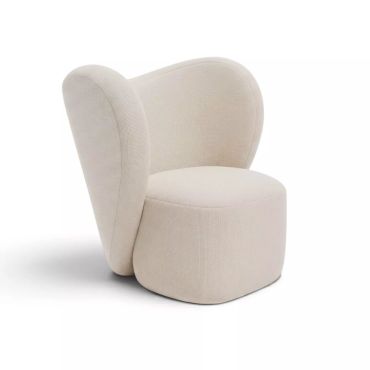
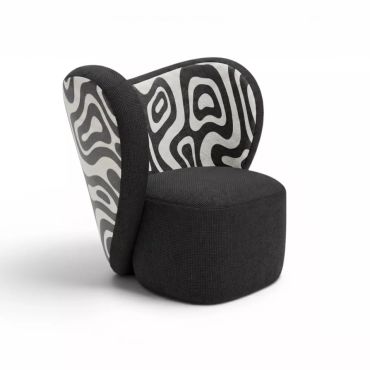
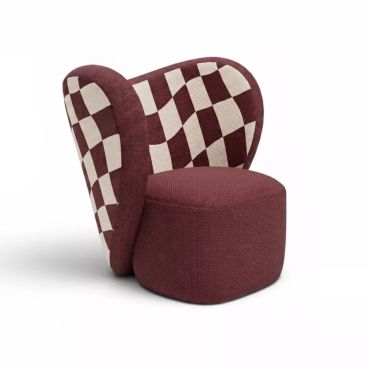
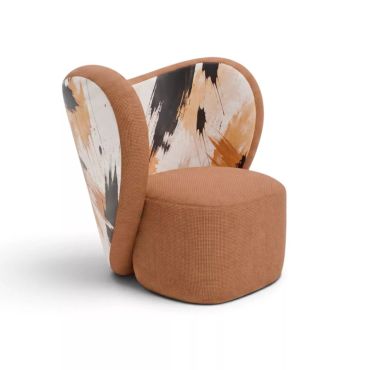
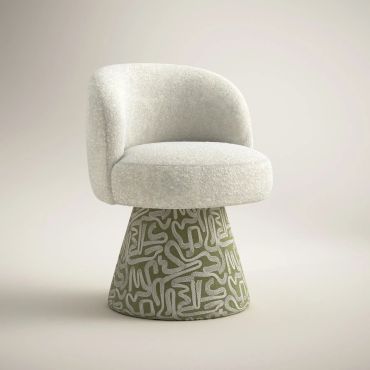
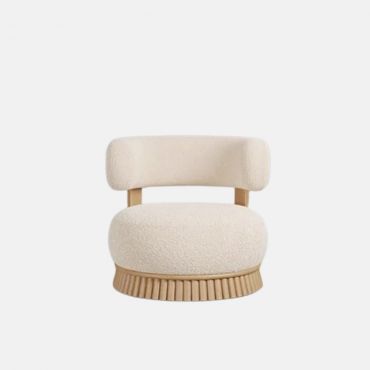
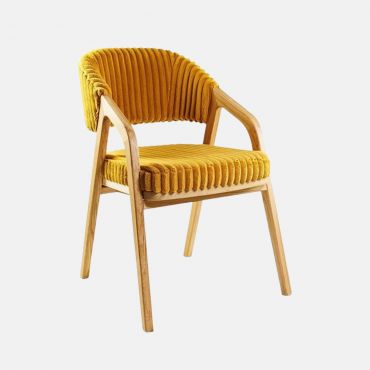
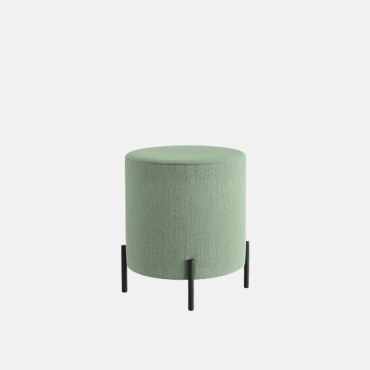
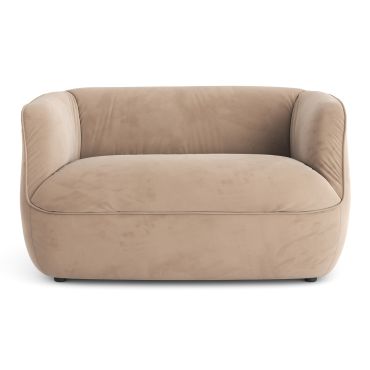
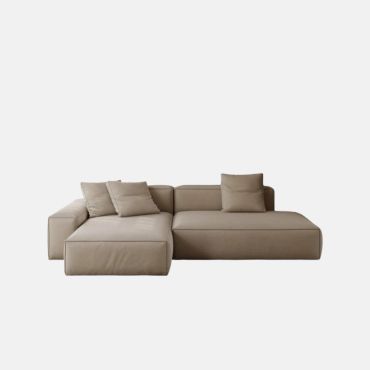
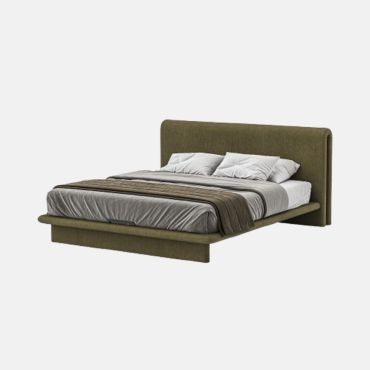
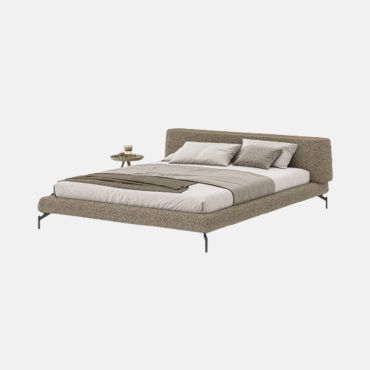
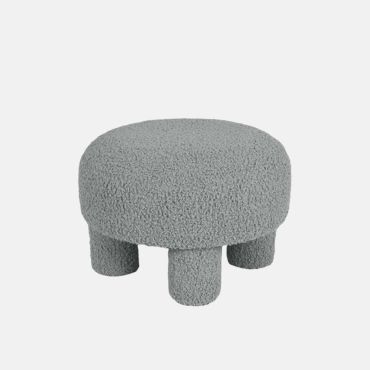
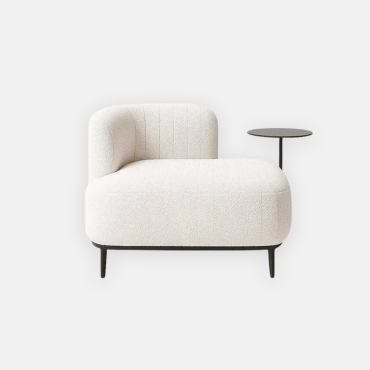
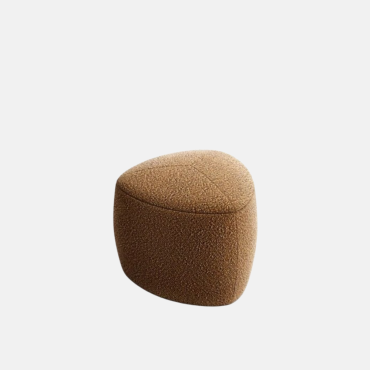
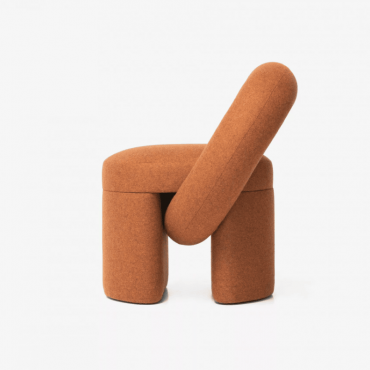
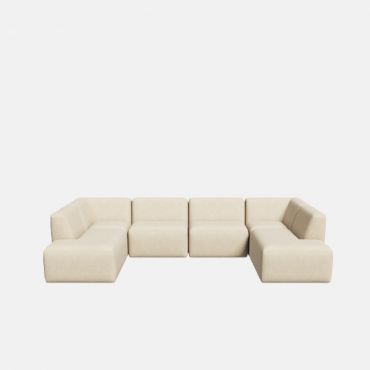
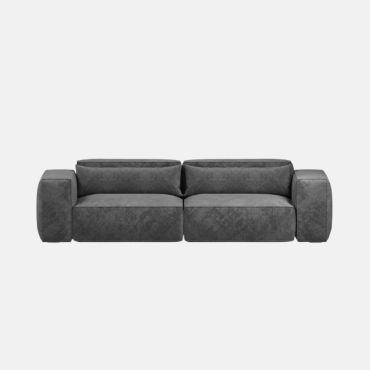
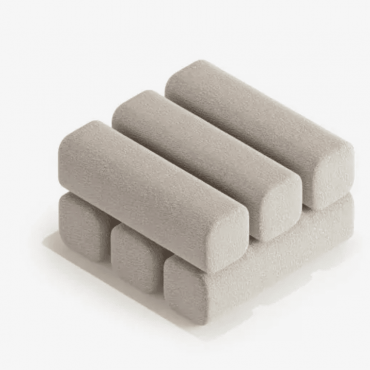
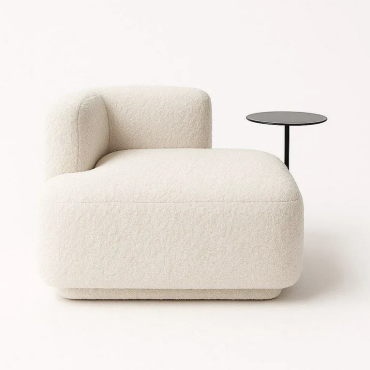
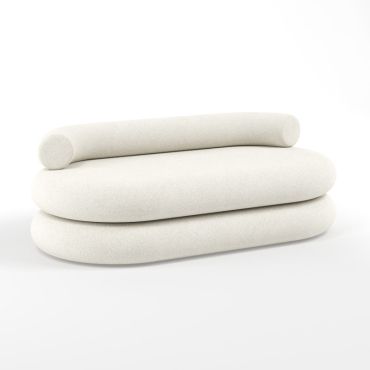

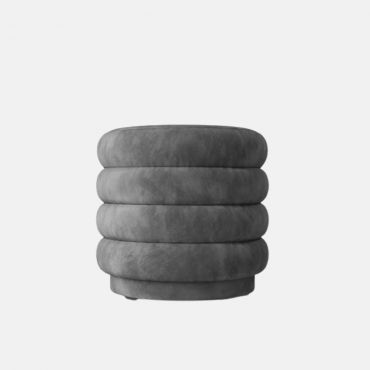
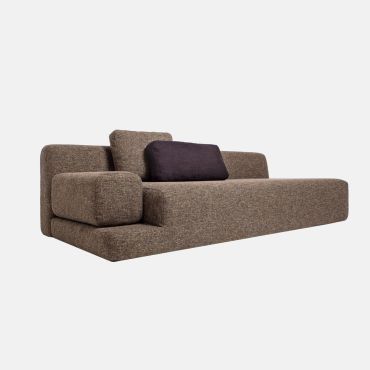
Upholstered furniture for the home: comfort, shape and Ukrainian design
Upholstered furniture is often chosen near the end of a room project, once the table, storage, lighting and main walkways are already clear. In real life, though, these are the pieces that set the rhythm of the room. A sofa decides how people gather in the living room. A bed shapes whether the bedroom truly feels restful. An armchair can become the quiet reading spot, and a pouf is the small piece that helps every day when you need to sit down, stretch your legs or place a throw for a moment.
At MAIIMO, upholstered furniture is not treated as a random set of soft objects. It is part of a wider home system: sofas, beds, daybeds and sofas, armchairs and poufs. These are pieces by Ukrainian manufacturers and design studios, so the choice is not only about shape or fabric. Proportion, material, seat comfort, visual weight and everyday durability matter just as much.
Good upholstered furniture does not need to shout. It should work quietly: welcome guests, keep its form, leave enough room to move, pair well with lighting, rugs, tables and decor, and still feel right after the first month of use.
Upholstered living room furniture: where to start
Upholstered living room furniture is best chosen from the way the room is used, not from color alone. Some homes need a generous sofa for family film nights. Some need a neat piece for a small apartment. In an open-plan kitchen and living room, the soft zone must not block the route through the space. In a larger home, there may be a separate lounge area with a sofa, armchairs, poufs and a low coffee table.
The most common mistake is buying the biggest sofa that looks good online and only later realizing that it makes the room hard to move through. Before ordering, measure more than the wall. Check walkways, the distance to the coffee table, door swings, windows, radiators and the way people naturally pass through the room. Upholstered furniture needs air around it.
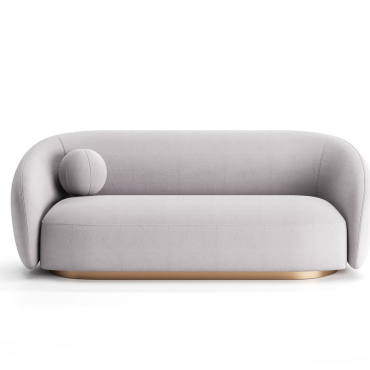
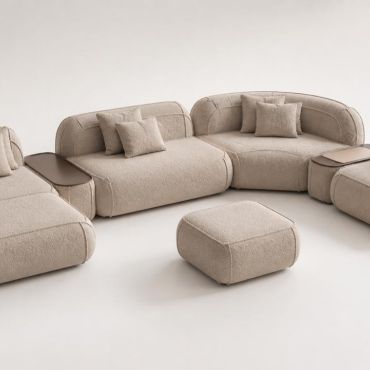
For a classic living room, one well-chosen sofa and one accent armchair are often enough. If the room is larger, add a pouf or a daybed. If the room is compact, lighter models usually work better: raised on legs, with slimmer armrests, without an overly deep seat. This kind of upholstered furniture for the living room gives comfort without visually taking over the whole space.
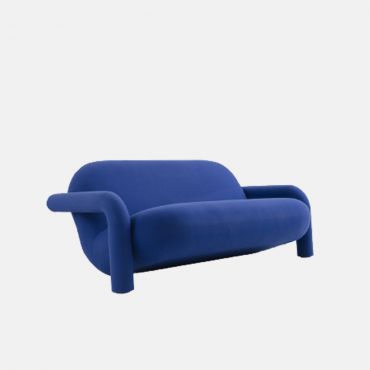
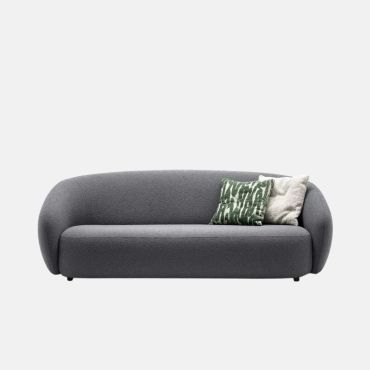
Designer sofas usually become the main piece in the room. Armchairs are useful when you need another place to sit without overloading the layout. Poufs are especially helpful in smaller spaces because they can move easily, act as a footrest or become an extra seat for a guest.
Sofas, daybeds, armchairs, poufs and beds: how to divide the roles
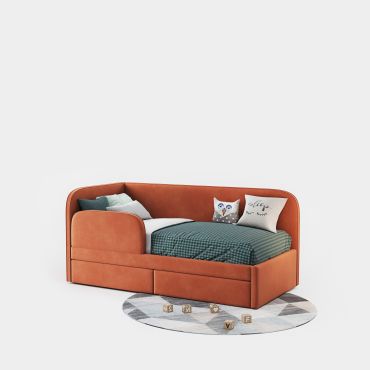
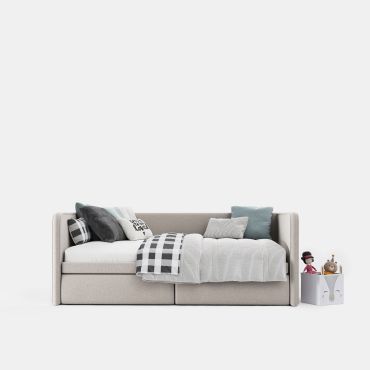
Upholstered furniture is easier to choose when each piece has a clear role. A sofa is the center of sitting, talking and resting. A daybed is often a lighter, visually more compact option for a bedroom, study, hallway or small living room. An armchair creates a personal spot. A pouf adds flexibility. A bed is about sleep, and here there is less room for compromise than people sometimes think.
If you need the main place for daily rest, start with a sofa. For a studio apartment or a room where seating and sleeping need to be balanced, look at sofa beds or convertible models if they are available in the current assortment. For a small corner where you want a soft seat without a heavy structure, a daybed or sofa can be the cleaner choice.
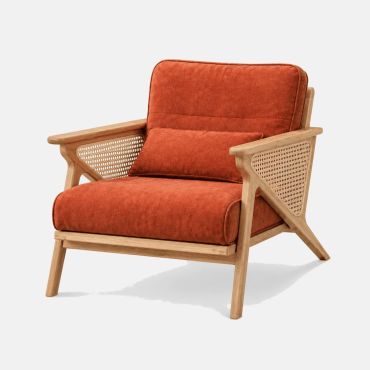
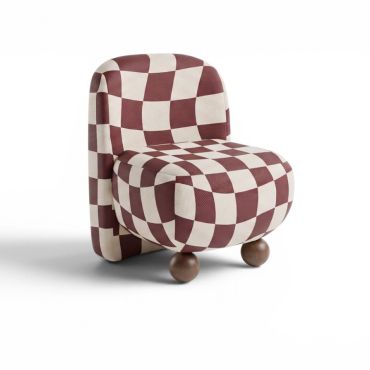
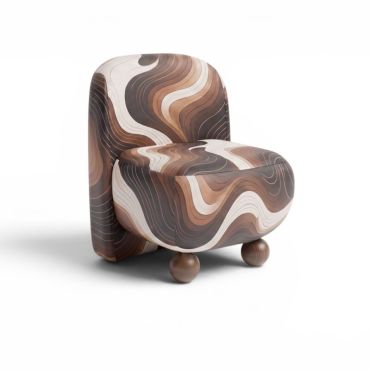
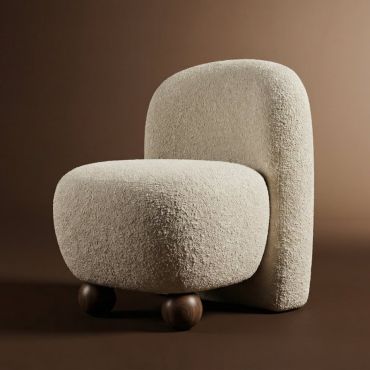
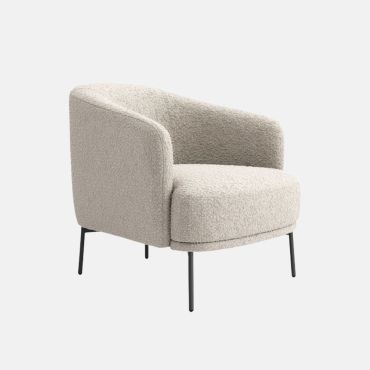
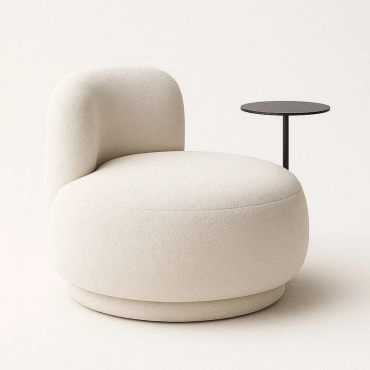
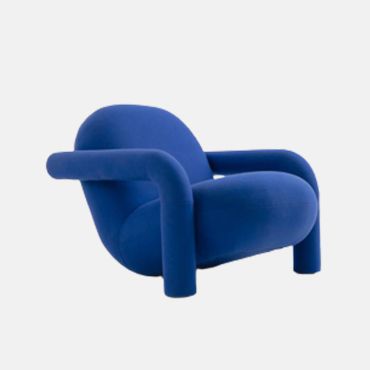
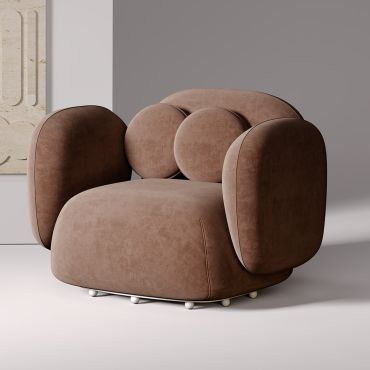
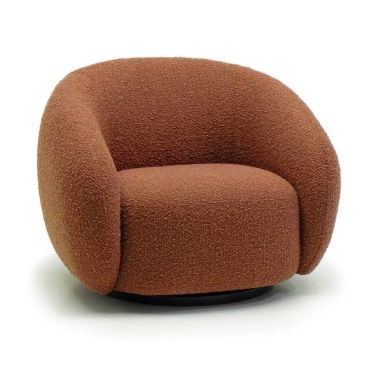
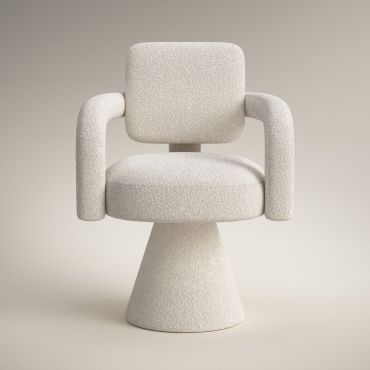
An armchair should not be treated as a small sofa. It has its own job. A good designer armchair can be a place for reading, working with a laptop, drinking morning coffee or taking a quiet pause. It does not need to copy the sofa. Often the room feels better when the armchair supports the same mood but has its own shape, texture or color.
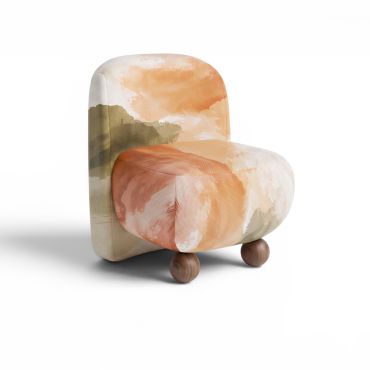
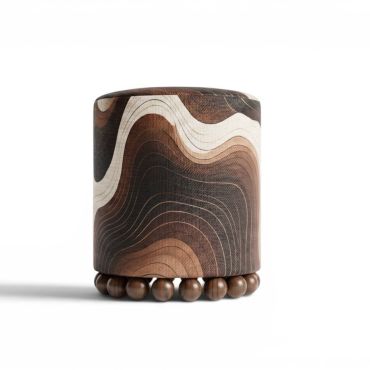
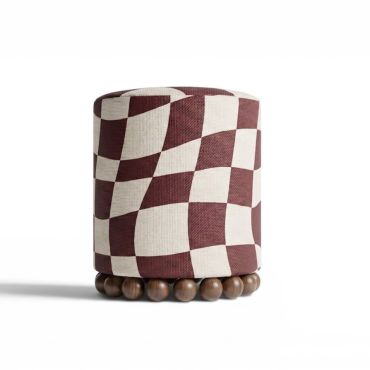
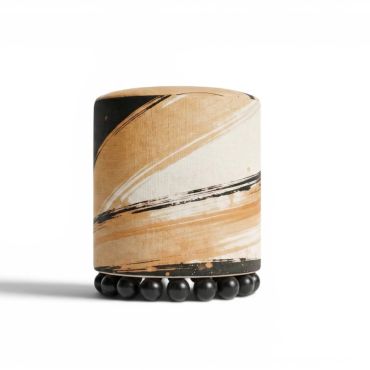
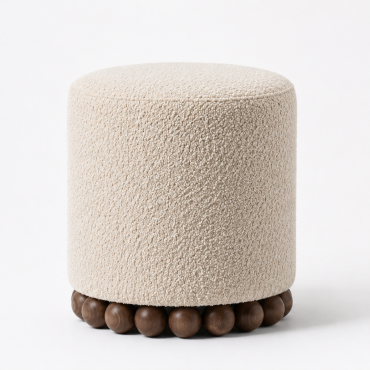
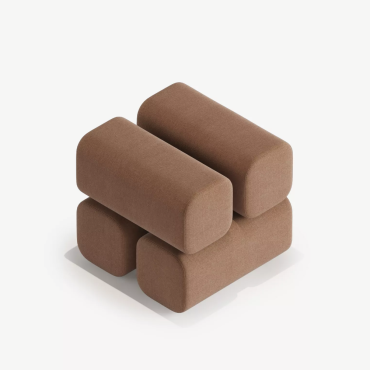
Poufs and ottomans work where flexibility matters. In the living room, a pouf can sit next to an armchair. In the bedroom, it can stand near the bed. In the hallway, it can help beside a mirror or shoe cabinet. Unlike a large sofa, a pouf does not dictate the layout of the room, but it can make the room noticeably easier to use.
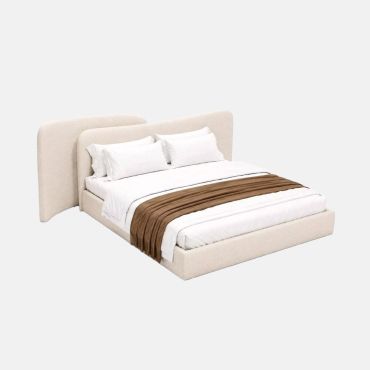
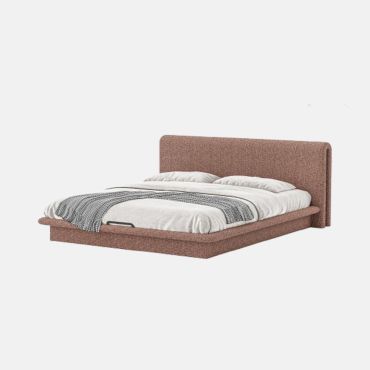
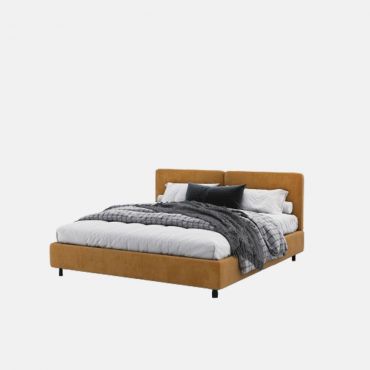
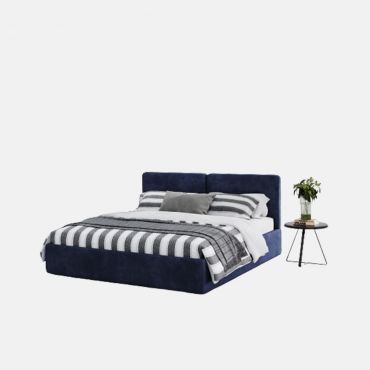
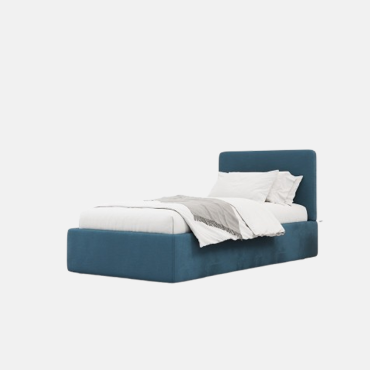
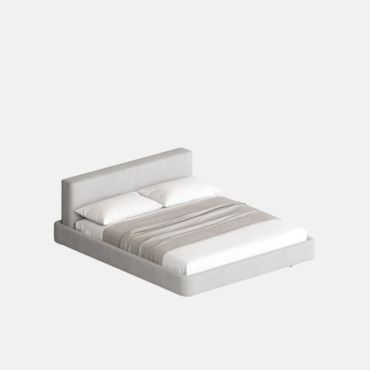
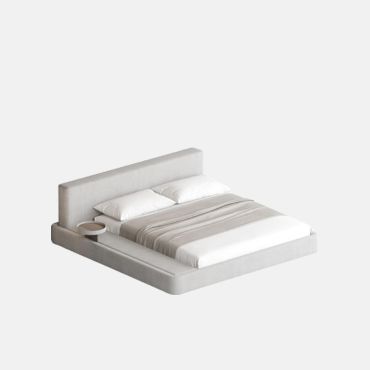
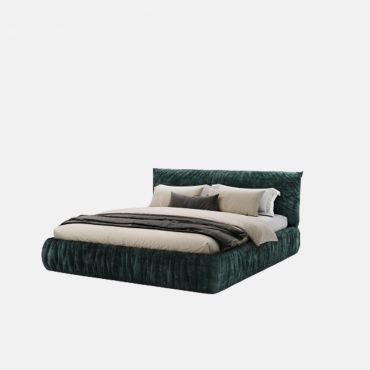
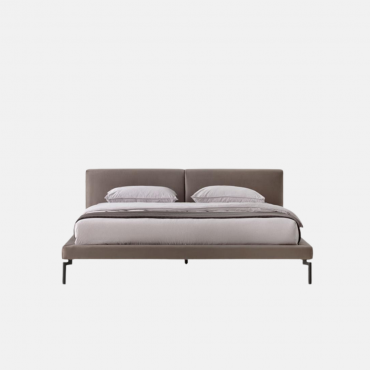
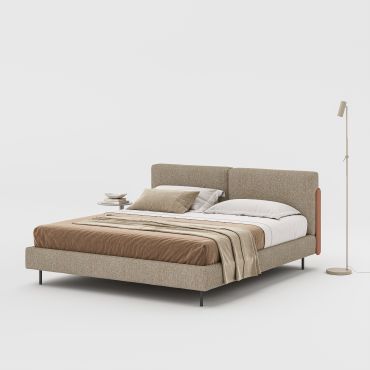
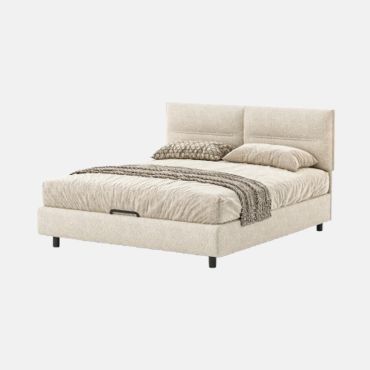
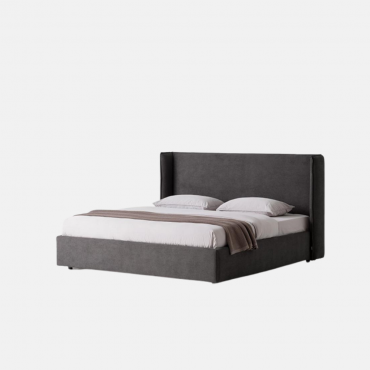
A bed is a separate decision. In the designer beds category, look beyond the width of the sleeping area. Pay attention to the height of the headboard, the frame material, the visual mass of the structure and whether the bed will feel too heavy in the room. A bedroom needs calm, not just a beautiful outline.
Upholstered furniture for the home and interior style
Upholstered furniture for the home should support the style of the interior, not become trapped by a trend. Rounded forms, boucle fabrics, low sofas and sculptural armchairs can all look excellent. But before buying, it is worth asking a simple question: will this piece still feel right in a few years, or does it only feel appealing because it appears in every current interior moodboard?
In a minimalist interior, clean lines, quiet colors and strong materials usually work best. In a warmer, more lived-in space, soft textures, natural shades, wooden details, textiles and rugs can make the room feel more grounded. If the room already has active decor, choose calmer upholstered furniture. If the interior is very restrained, an armchair or pouf can provide the accent the room needs.
At MAIIMO, upholstered furniture can be paired with other categories for a complete room: home furniture, coffee tables, cushions, throws and bedspreads, lighting and decor. This matters because a sofa or bed rarely exists on its own. It is always seen next to fabric, wood, metal, light, walls and flooring.
A useful test: before buying, imagine the piece in its exact place, not on a white background. Which table will stand near it? What rug will sit under it? Will there be enough light? What wall will be behind the backrest? This small check often removes pieces that are beautiful but accidental.
Soft furniture for bedrooms and quiet zones
Soft furniture for a bedroom is not limited to the bed, though beds are the main piece there. A bedroom may also include a small daybed near the window, a reading armchair, a pouf by the dressing table or a bench at the foot of the bed. The right choice depends on the size of the room and how the room is actually used.
If the bedroom is compact, do not fill it with extra pieces. A good bed, calm bedside furniture, soft textiles and thoughtful lighting may be enough. If the room is larger, an armchair or pouf can make the bedroom feel like a private retreat, not only a place to sleep. This is especially useful in homes where the living room is often shared and busy.
Texture matters in a bedroom. Upholstery should not feel rough, the color should not irritate, and the form should not interrupt movement around the room. A tall upholstered headboard can become the visual center of the bedroom. In a smaller room, a lower headboard and lighter frame may work better.
Near the bed, throws and bedspreads, decorative cushions, table lamps or wall lights help complete the room. This way, upholstered bedroom furniture does not look like one isolated purchase. It becomes part of a calm whole.
Materials, upholstery and construction
Upholstered furniture should not be judged only by how it looks. Shape matters, but daily comfort comes from the seat, filling, upholstery, seat height, depth, firmness and frame quality. A sofa may be beautiful but too deep for a shorter person. An armchair may look compact but have an uncomfortable back angle. A pouf may seem decorative and then become the most useful piece in the room.
For homes with children or pets, fabrics that are easier to clean are usually the smarter choice. In the bedroom, more delicate textures may be fine. In a living room that often receives guests, durability matters, as does a shape that keeps its appearance after active use.
Upholstery color should also be chosen practically. Light upholstered furniture can make a room feel airy, but it needs more careful maintenance. Dark furniture can reduce visual volume, but sometimes makes the room feel heavier. Mid-tone natural shades are often the easiest to live with: warm gray, gray-beige, terracotta, olive, milk, graphite, muted blue.
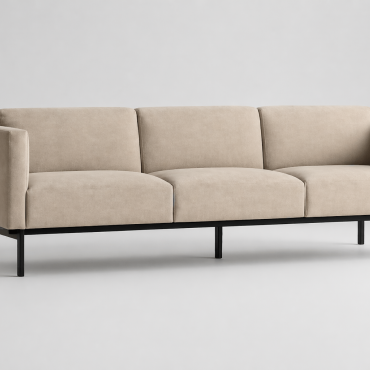
Legs are another detail worth noticing. Furniture raised on legs feels lighter, is easier to clean underneath and works well in smaller rooms. Low pieces that sit closer to the floor feel more solid and cozy, but they need more space around them.
Buying upholstered furniture: questions to ask before ordering
Buying upholstered furniture is easier when inspiration is paired with a short list of practical questions. First, who will use the piece every day, and how? A sofa for a couple who watch films in the evening is not the same as a sofa for a family with children. A reading armchair and a guest-zone armchair need different comfort. A pouf by the bed does not need to be the same as a pouf in the hallway.
Second, do you need transformation? If a sofa or daybed sometimes needs to become a sleeping place, check the mechanism, the size when opened and the direction in which the structure moves. If transformation is not needed, there is little reason to pay for a feature no one will use. In many homes, a fixed sofa or daybed is more comfortable, lighter and visually cleaner.
Third, will the upholstery survive your daily habits? Some fabrics work well in active living rooms. Others belong in quieter bedrooms or studies. If there are children, pets or a regular cup of coffee on the sofa, choose the fabric more practically. This is not a refusal of beauty. It is simply beauty with a normal Tuesday in mind.
Fourth, check delivery and access. Large upholstered furniture has to enter the home, not just look good on a product page. Before ordering, measure doorways, lifts, stairs and hallway turns. This is especially important for large sofas, beds with substantial headboards and modular pieces.
How upholstered furniture works in different rooms
Upholstered furniture changes depending on the room. In the living room, it is visible and social. Guests see it, the first impression often forms around it, and conversation usually happens near it. In the bedroom, it should be quieter because sleep and privacy matter. In a study, an armchair or daybed can create a place to step away from the desk, read a document or simply change posture.
In the hallway, soft furniture is usually small: a pouf, a compact bench, sometimes a narrow daybed. The main point is not decoration for decoration's sake, but ease. Sit down, put on shoes, place a bag, avoid hitting the wall, keep the entrance open. If the hallway is narrow, choose a pouf or bench without unnecessary depth.
In a children's room, upholstered furniture needs to be especially practical. Still, children's beds, children's poufs and kids' furniture are separate clusters that deserve their own pages. On this hub, it is enough to note that children's spaces need safe shapes, durable materials and easy care.
In the bedroom, a restrained soft group works well: a bed, a pouf or a small armchair. In the living room, the stronger set is a sofa, daybed, armchairs and poufs. In a study, an armchair or daybed should not turn the room into a bedroom, but it can make the space more humane. Once the function of the room is clear, the furniture choice becomes much easier.
Common mistakes when choosing upholstered furniture
Upholstered furniture is easy to choose emotionally. You see a beautiful sofa, imagine it in your living room and want to order it immediately. But mistakes with large soft pieces are the most visible. They take up space, cost money and remind you every day when the choice was not right.
The first mistake is not checking the dimensions in the actual room. In photos, a sofa may look neat. In reality, it may block the route to the balcony or make the coffee table impossible to use. The second mistake is choosing a very trendy color without any connection to the room. The third is ignoring seat height, which matters especially for people who find it uncomfortable to stand up from very low sofas or armchairs.
The fourth mistake is buying a full matching set only because it feels "correct." A sofa, armchair and pouf can be different. What matters is that they share a language: similar restraint, related materials, a close palette or a thoughtful contrast.
The fifth mistake is forgetting about light. Upholstered furniture changes dramatically in daylight, warm evening light and cold artificial light. If a sofa or armchair will stand in a darker corner, it may need a floor lamp, wall light or table lamp nearby. Without light, even a beautiful soft zone can feel accidental.
Caring for upholstered furniture after purchase
Upholstered furniture keeps its look longer when care starts on day one. This does not need to be complicated. Vacuum the upholstery regularly with a soft attachment, remove stains quickly, keep furniture away from direct heat sources and avoid leaving delicate fabrics in constant direct sunlight.
If the upholstery is removable, check the washing or dry-cleaning rules immediately. If it is not removable, keep a suitable spot-cleaning product nearby. Not every fabric likes water, aggressive chemicals or stiff brushes. It is always safer to test a cleaner on a hidden area than to experiment on the visible part of the sofa.
For sofas and armchairs, care also means using seats evenly. If everyone always sits in the same corner, even high-quality upholstered furniture will age differently in different zones. Loose cushions should be fluffed and rotated from time to time.
Poufs are usually simpler to care for, but they often stand in active places: hallways, children's rooms, next to beds. For these zones, choose upholstery that tolerates frequent contact. Beds with upholstered headboards also need regular cleaning, especially when placed near open shelves, textiles and decor.
How to buy upholstered furniture online and avoid size mistakes
You can buy upholstered furniture online successfully if you do not rely only on the first photo. Before ordering, check dimensions, materials, color, upholstery options, production time or stock availability. In the MAIIMO catalog, each item has its own page with characteristics, photos and pricing, and if something is unclear, it is better to ask before ordering.
Start with a room plan. It does not have to be professional. Measure the wall, walkways, doors, windows, radiators and the distance to the table. Then mark the future footprint on the floor with painter's tape or sheets of paper. It sounds simple, but it quickly shows whether the sofa is too large or the armchair is one piece too many.
If you are choosing a sofa or daybed, check seat depth. If it is a bed, check frame height and sleeping size. If it is an armchair, check seat height and back angle. If it is a pouf, check its height in relation to the sofa, armchair or bed nearby. With upholstered furniture, a few centimeters can change the feeling noticeably.
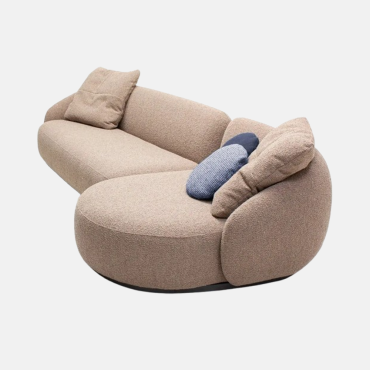
It also helps to look at the whole space, not just one object. If you already have a heavy wooden table, a large corner sofa may make the room feel crowded. If the interior is very restrained, textured upholstery can add warmth without extra decoration.
Ukrainian designer upholstered furniture at MAIIMO
Ukrainian designer upholstered furniture is interesting because it often feels closer to our apartments, layouts and habits than universal mass-market pieces. Local manufacturers are more likely to offer furniture that works with real room sizes, durable materials, calm colors and interiors that are already partly formed.
MAIIMO works with Ukrainian brands, so one catalog lets you compare different approaches: minimalist sofas, soft armchairs, laconic beds, compact daybeds, poufs for living rooms, bedrooms or hallways. Some pieces are restrained, others more expressive. That is a good thing. Upholstered furniture should not look the same for every home.
If you are building a room from scratch, start with the base: home furniture, the soft zone, lighting and textiles. If you are updating an existing room, choose one piece that truly changes the scenario: a new armchair by the window, a pouf in the hallway, a daybed in the study, a bed for the bedroom or a sofa for the living room.
Good upholstered furniture does not have to be loud. Sometimes the best piece is the one that quickly becomes a natural part of the home.
How to combine upholstered furniture with other categories
Upholstered furniture works best with the right neighbors. A sofa needs a table, light and textiles. A bed needs a bedside zone, a bedspread, a lamp and sometimes a rug. Armchairs need space around them so they do not look randomly pushed toward the sofa. A pouf needs a clear function: near an armchair, in the bedroom, in the hallway or by the wardrobe.
For the living room, the living room category can help you build the room more coherently. For the bedroom, move to bedroom furniture. If you need seating not only for a lounge area but also for a kitchen or dining space, look at upholstered chairs.
Everything does not need to match exactly. Modern interiors usually look better when pieces are related rather than identical. A sofa can be calm, an armchair a little more expressive, a pouf close in tone, and cushions in another texture. The room feels alive, but not chaotic.
FAQ
What upholstered furniture should I choose for a living room?
For a living room, the usual starting point is a sofa, one or two armchairs, a pouf and a coffee table. In a small room, choose compact upholstered living room furniture: a sofa on legs, a light armchair and a small pouf. In a larger room, you can add a daybed or a modular composition.
Where can I buy upholstered furniture by Ukrainian manufacturers?
You can buy upholstered furniture by Ukrainian manufacturers at MAIIMO. The catalog includes sofas, beds, daybeds, armchairs and poufs by Ukrainian brands. Product pages include characteristics, photos, prices and details that help you choose furniture for a specific room.
How is upholstered furniture for the home different from office furniture?
Upholstered furniture for the home is usually focused on rest, tactility and fit within the interior. Office furniture often needs to handle heavier traffic and more formal scenarios. At home, seat comfort, upholstery, proportion, color and everyday ease matter more.
What is better for a small room: a sofa, a daybed or an armchair?
For a small room, start with the scenario. If you need the main place to sit, choose a compact sofa. If you want a lighter piece for a corner or study, a daybed may work better. If you need one personal place, choose an armchair and add a pouf if there is room.
How do I choose the color of upholstered furniture?
Choose the color of upholstered furniture in relation to the floor, walls, lighting and textiles. For long-term use, calm natural shades work well: warm gray, milk, graphite, olive, terracotta and muted blue. If you want an accent, it is often better to make the armchair or pouf expressive rather than the entire large sofa.
Can different upholstered pieces be combined in one room?
Yes, different upholstered pieces can be combined in one room if they share a clear logic: a related palette, repeated materials, similar height or a balanced mix of forms. A sofa, armchair and pouf do not have to come from one collection, but they should look as if they were chosen for the same space.
Which upholstered furniture should I buy first?
Buy the upholstered piece that performs the main function of the room first. For a living room, this is usually the sofa. For a bedroom, the bed. For a reading zone, an armchair. For a hallway or small room, a pouf. Once the main piece is clear, lighting, textiles and secondary furniture are easier to choose.
Is upholstered furniture suitable for a small apartment?
Yes, upholstered furniture can work well in a small apartment if the dimensions are chosen carefully. Look for sofas and armchairs on legs, small daybeds, poufs without heavy bases and beds without overly tall headboards. Keep walkways open and avoid placing every soft piece along one wall without a plan.
How can I tell whether upholstered furniture will be comfortable?
Check seat height, depth, back angle, firmness and armrest size. For a sofa, comfort depends on how the whole household sits. For an armchair, back support matters. For a bed, size and mattress compatibility are essential. For a pouf, height in relation to the sofa or bed makes the difference.
Should upholstered furniture be the same color?
Upholstered furniture does not have to be the same color. A sofa can be neutral, an armchair can be an accent, and a pouf can stay close in tone without matching exactly. The room feels more complete when colors repeat in textiles, decor, lighting or materials.
What upholstered furniture is easiest to care for?
The easiest upholstered furniture to care for has practical fabric, a mid-tone color, a simple form and accessible surfaces for cleaning. In an active home, avoid very delicate fabrics on large sofas and armchairs. If you want texture, add it through a pouf, cushions or a throw.