Designer dining tables
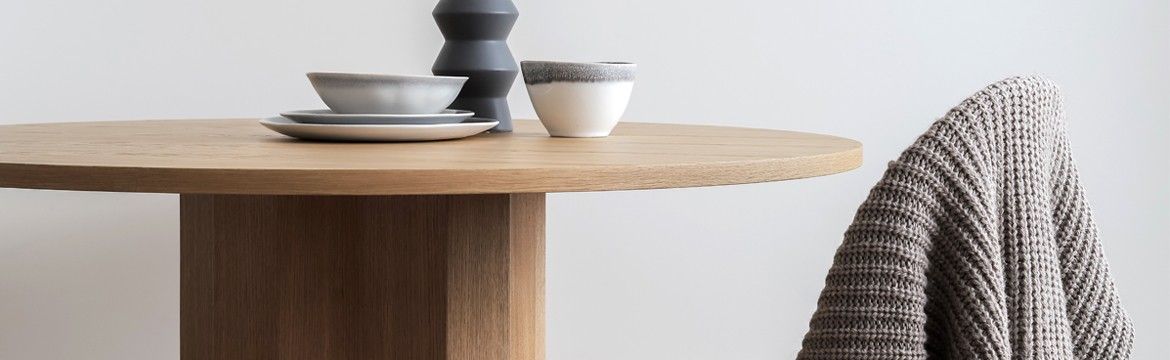
Lets meet at one table
From delicious private dinners to large gatherings with family and friends, working over a cup of coffee or game nights, the dining table in the living room is the protagonist of the interior. That's why it's so important to choose the perfect option for your home. We'll help.
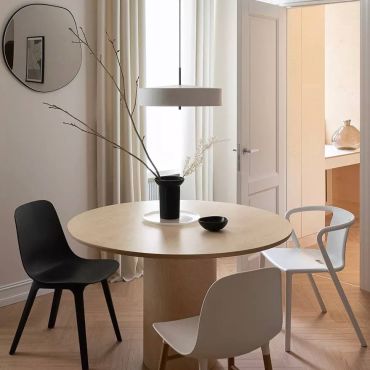
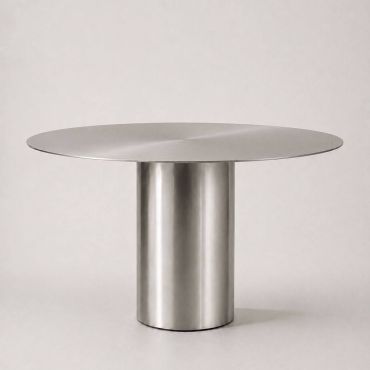
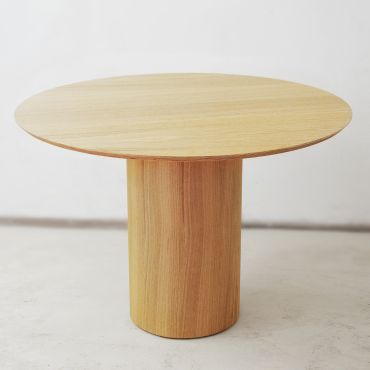
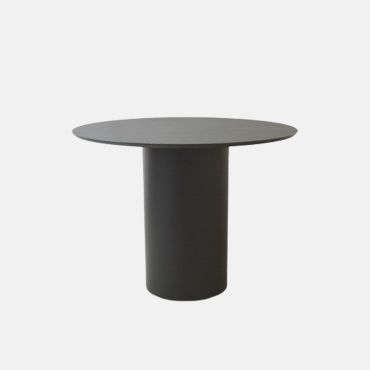
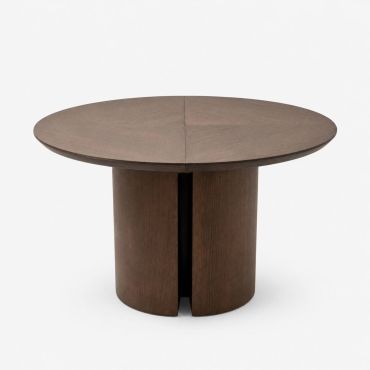
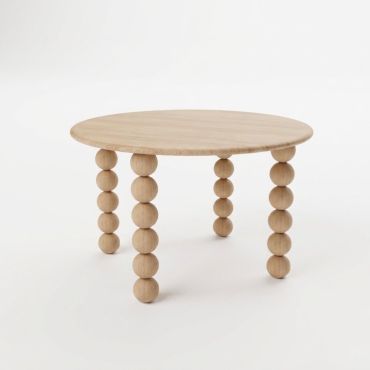
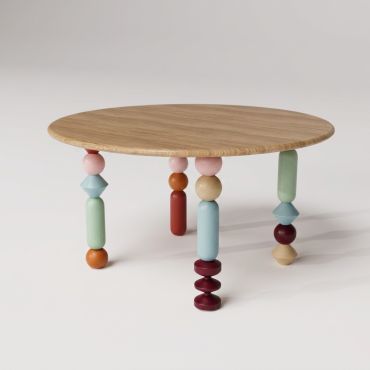
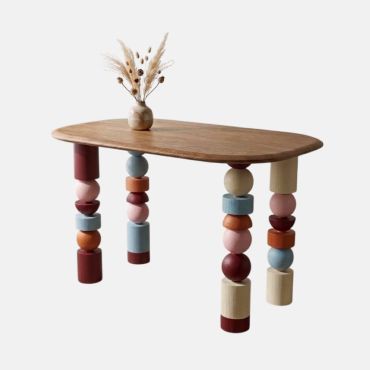
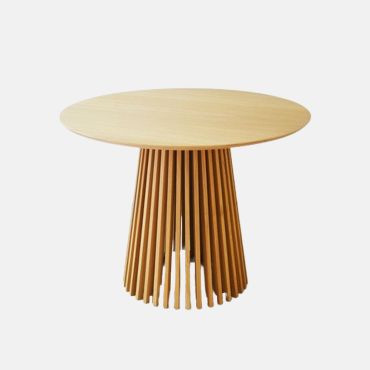
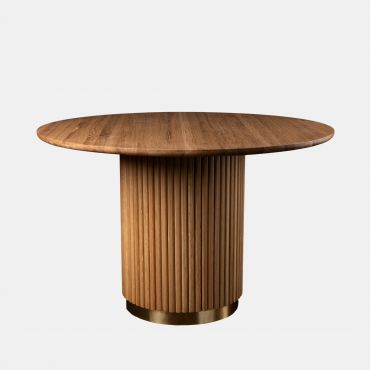
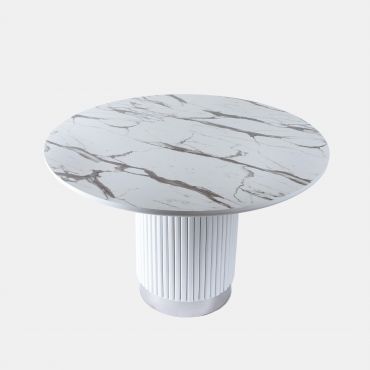
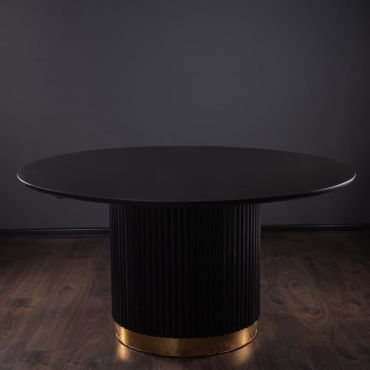
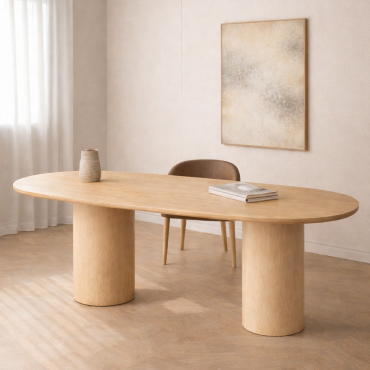
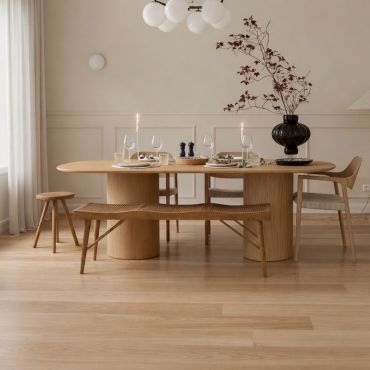
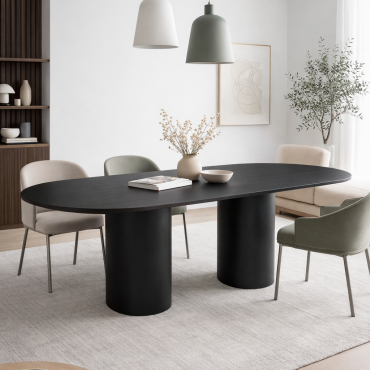
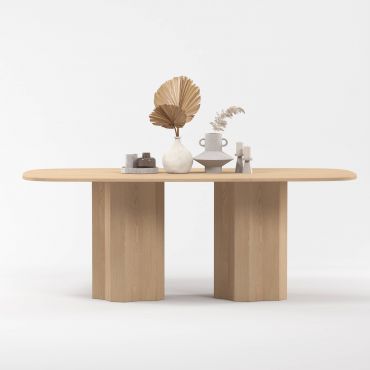
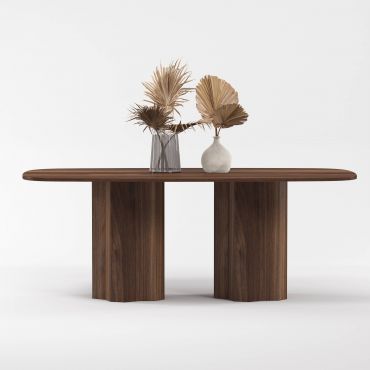
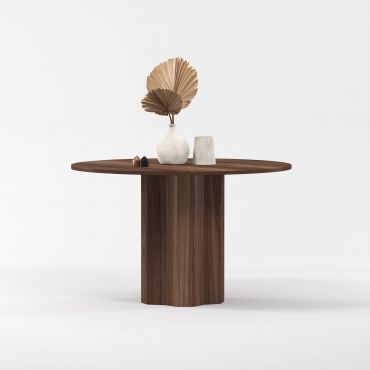
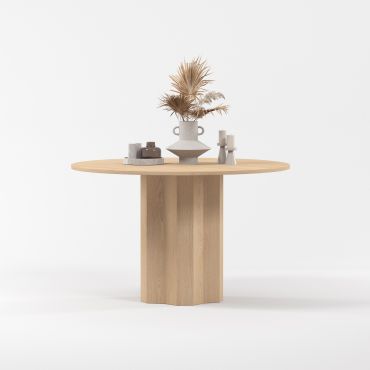
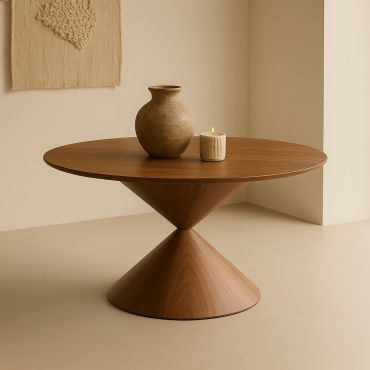
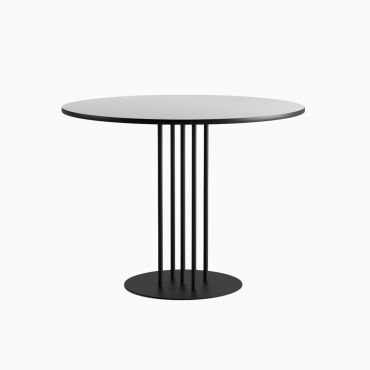
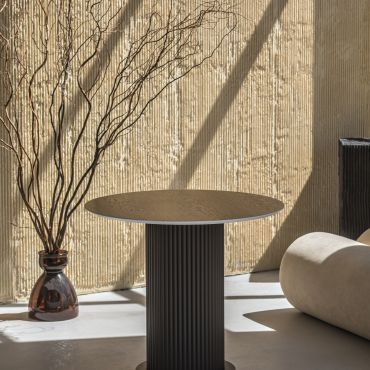
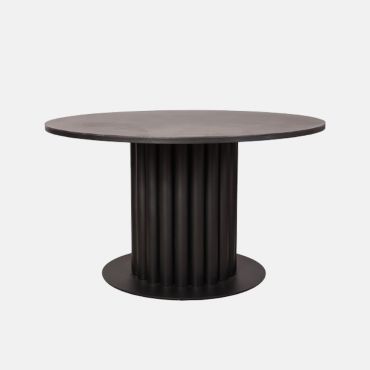
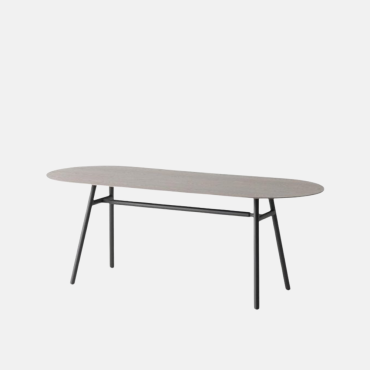
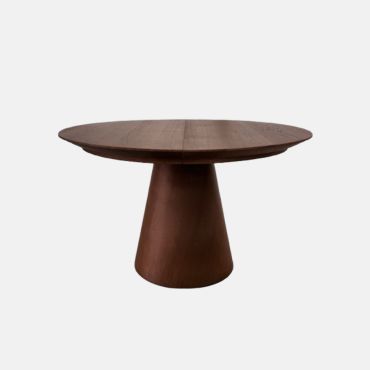
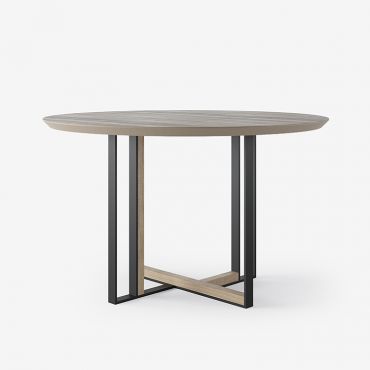
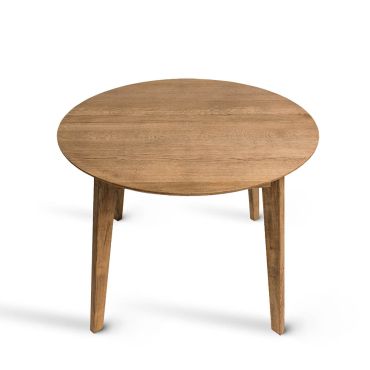
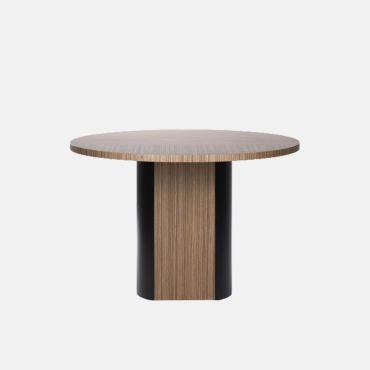
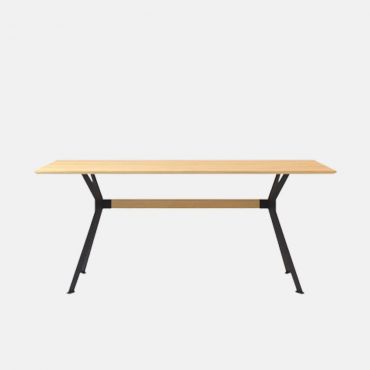
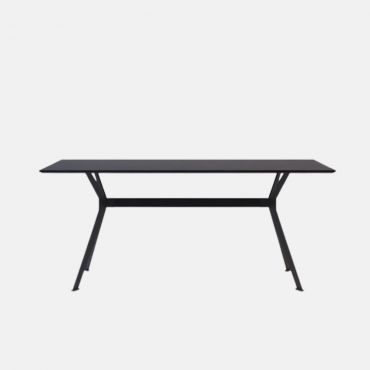
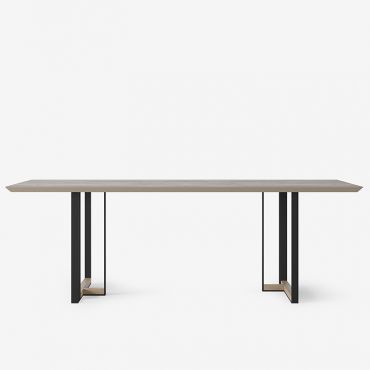

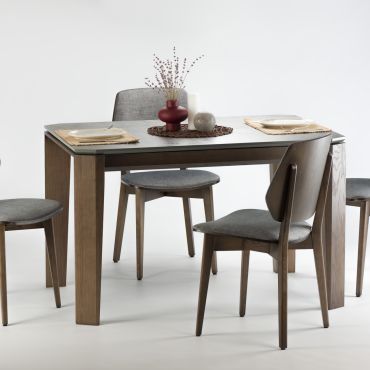
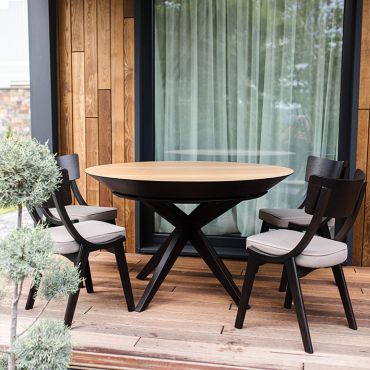
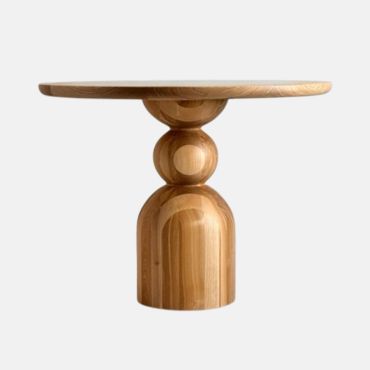
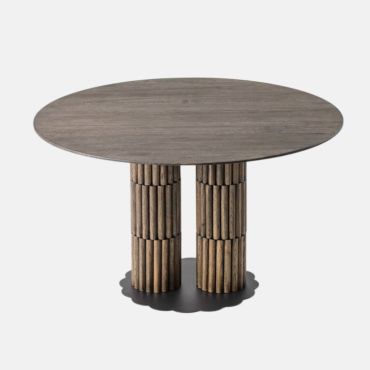
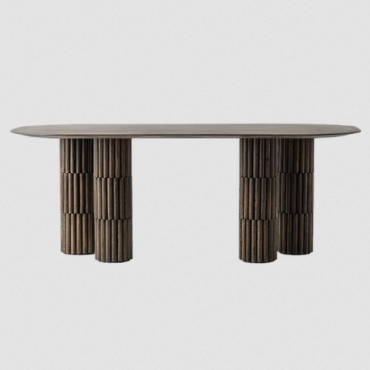
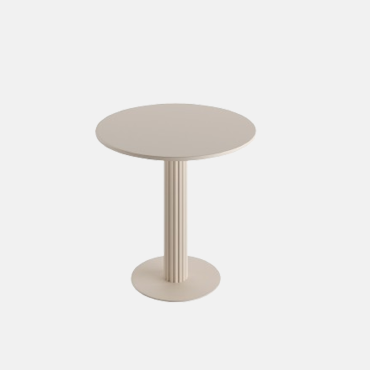
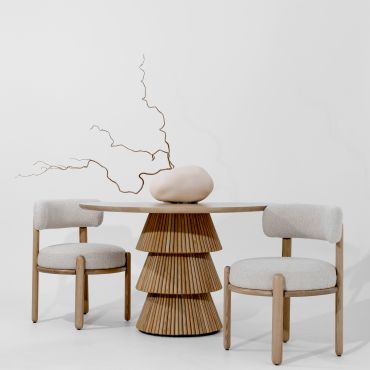
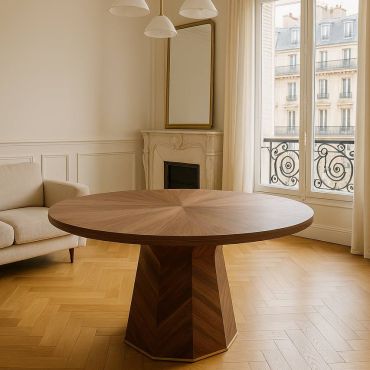
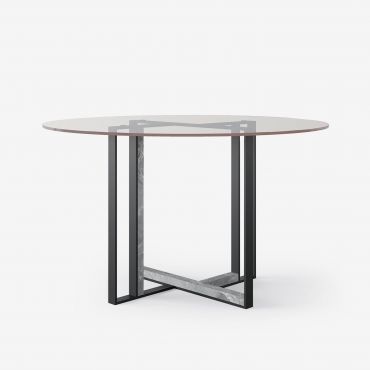
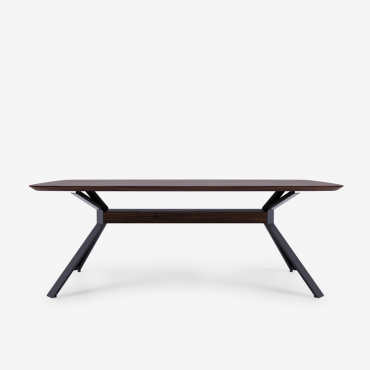
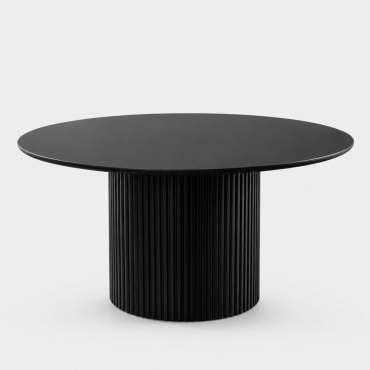
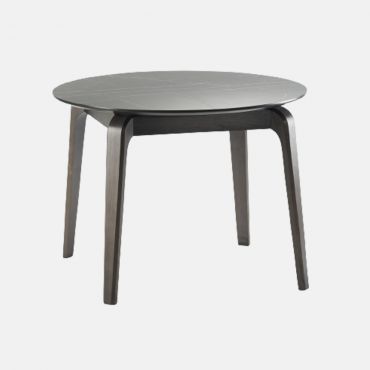
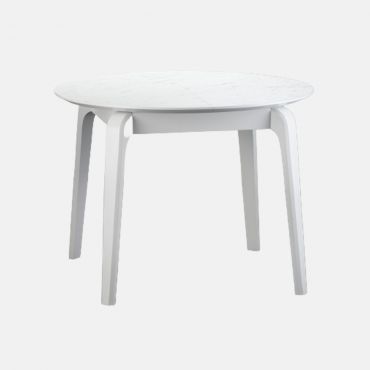
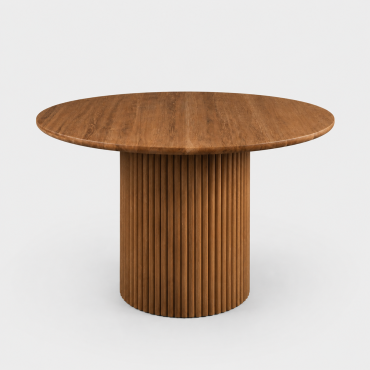
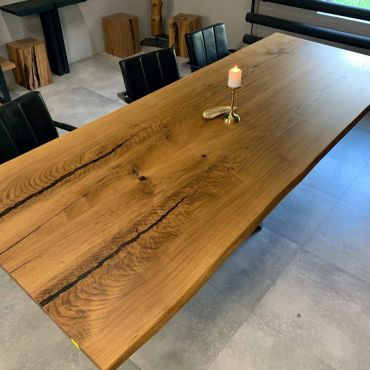
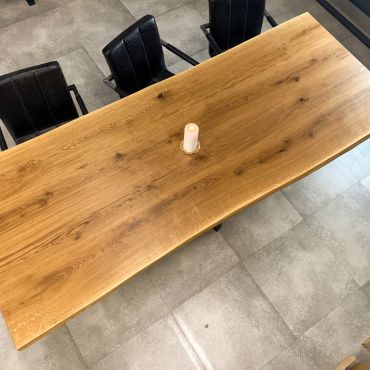
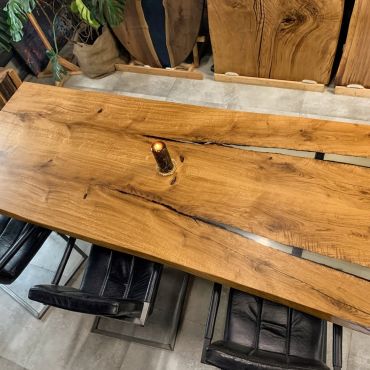
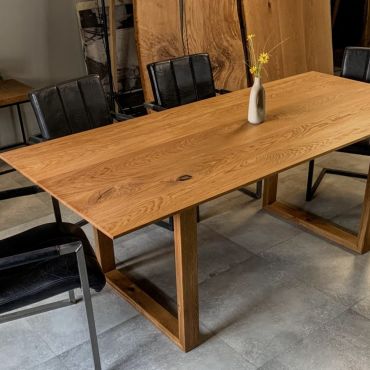
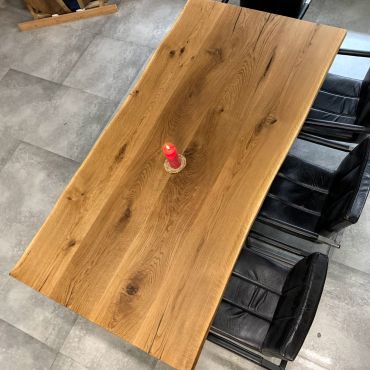
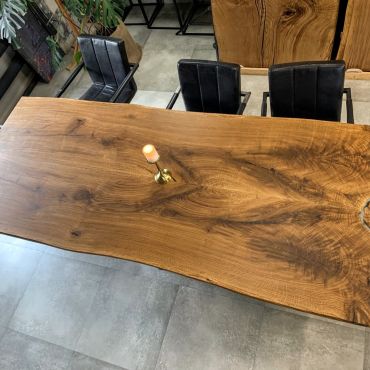
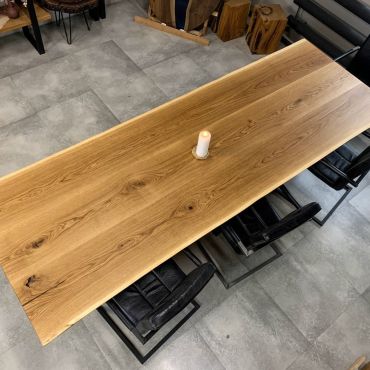
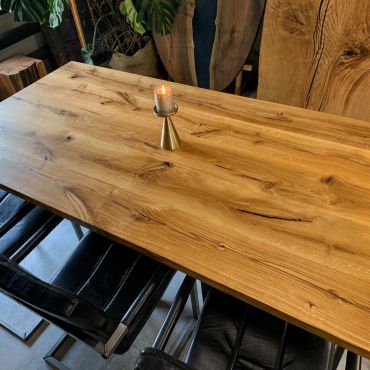
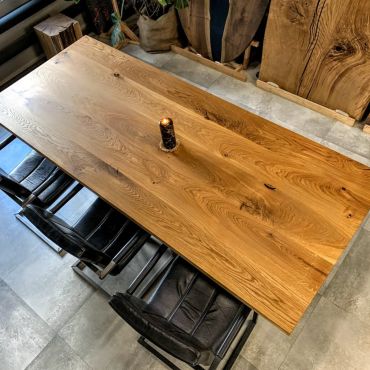
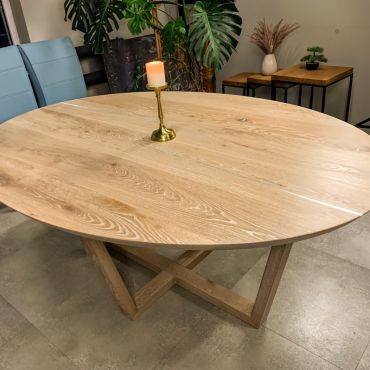
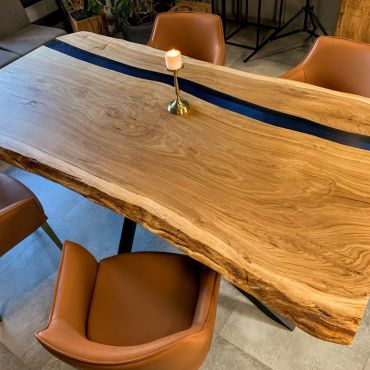
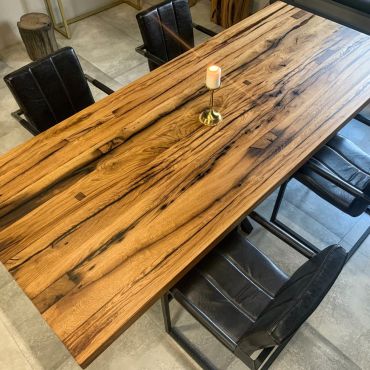
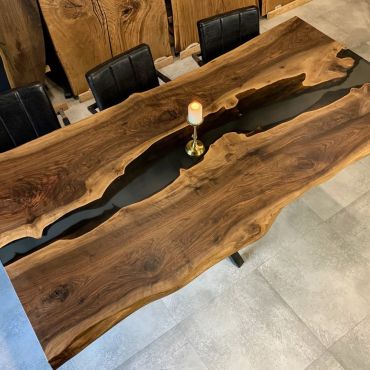
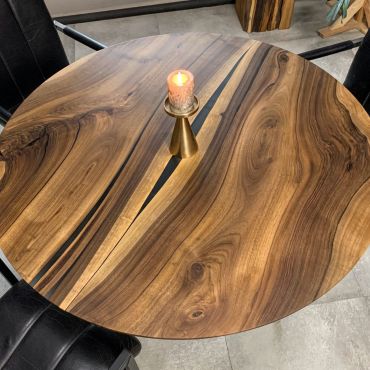
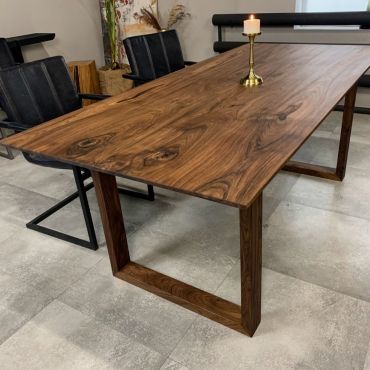
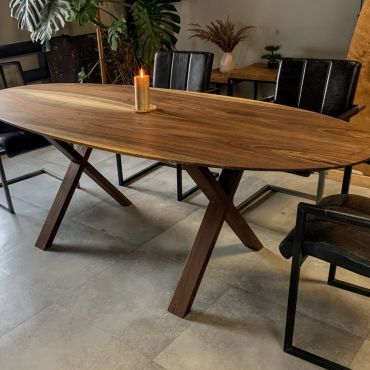
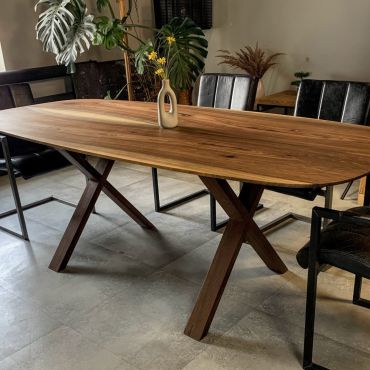
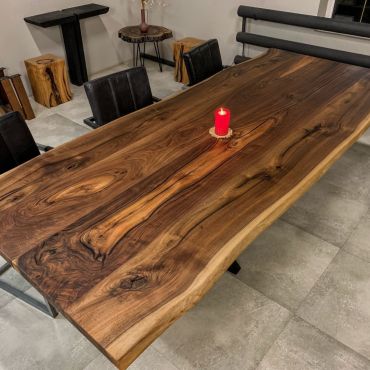
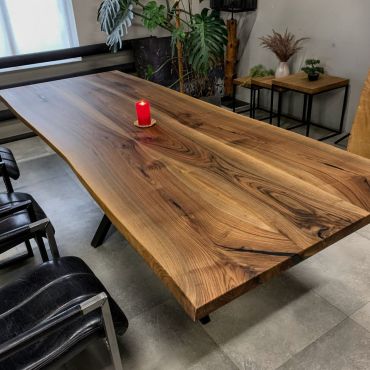
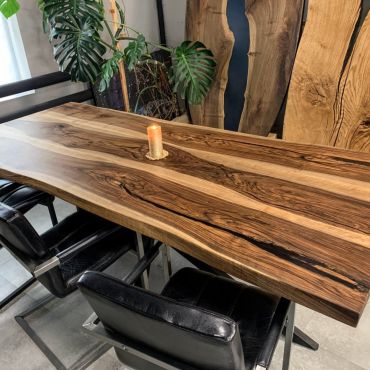
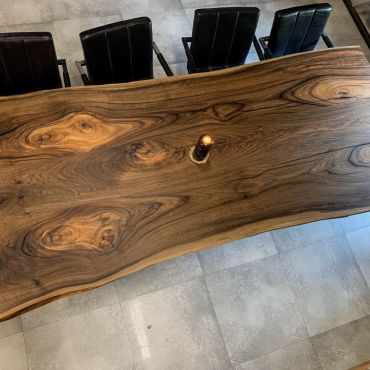
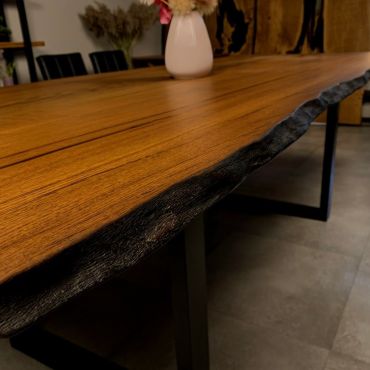
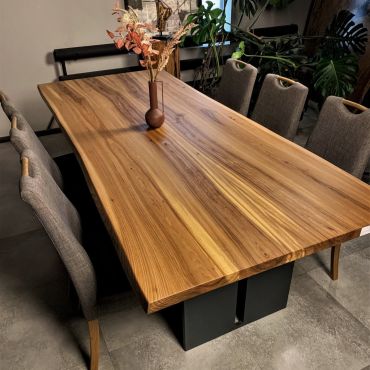
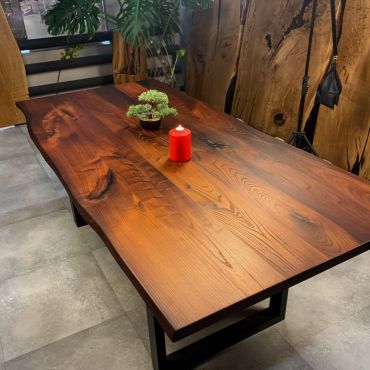
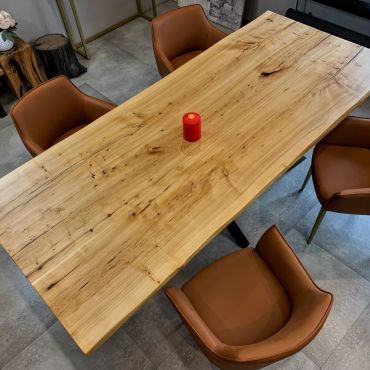
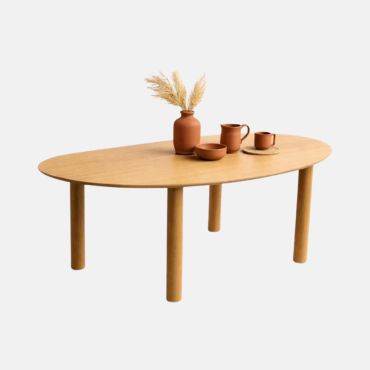
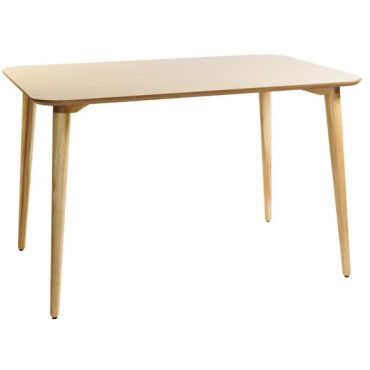
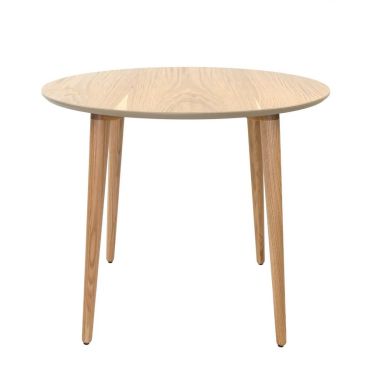
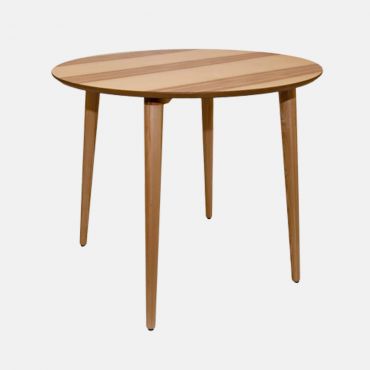
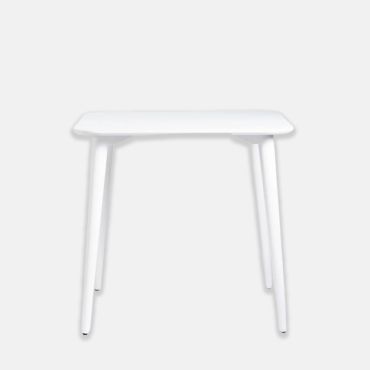
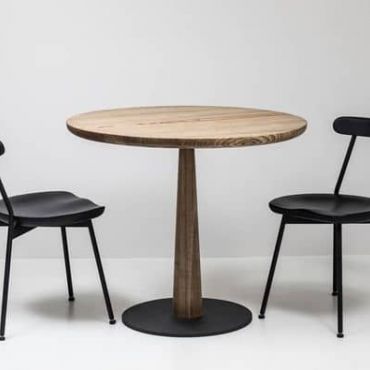
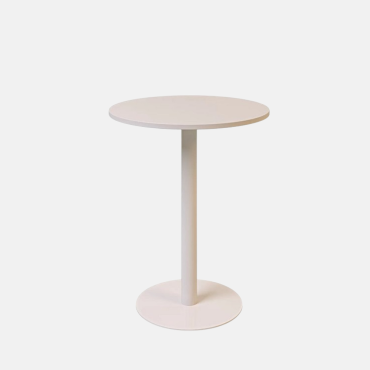
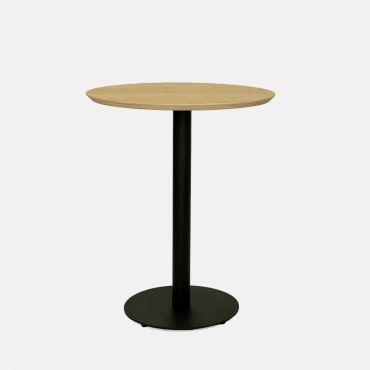
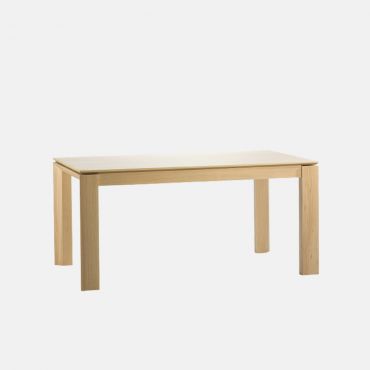
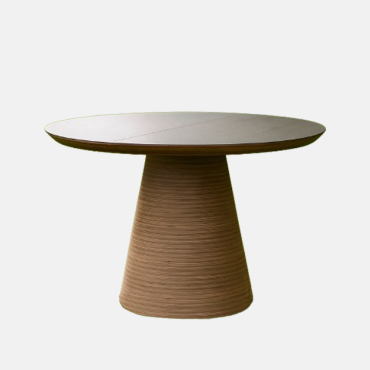
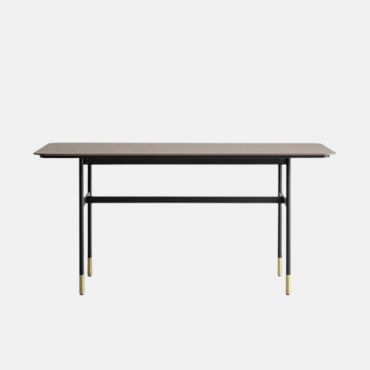
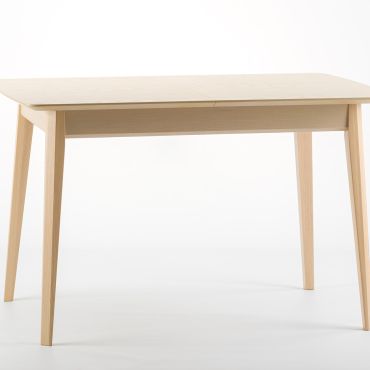
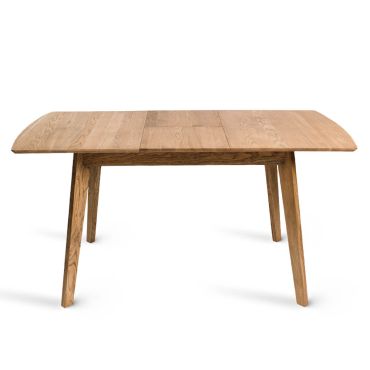
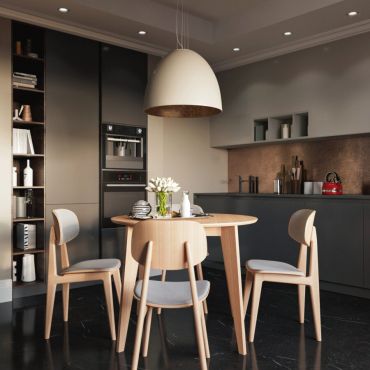
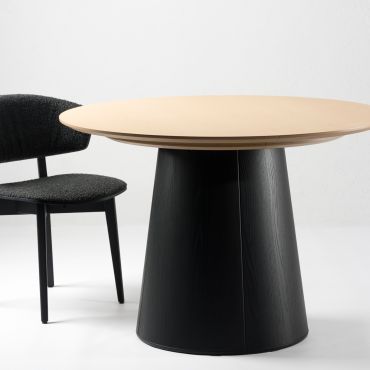
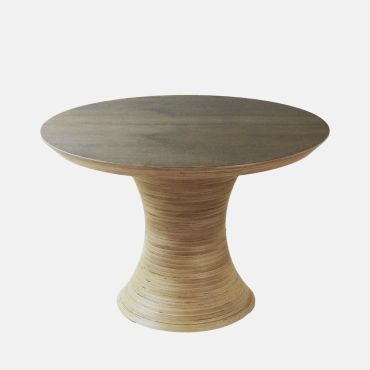
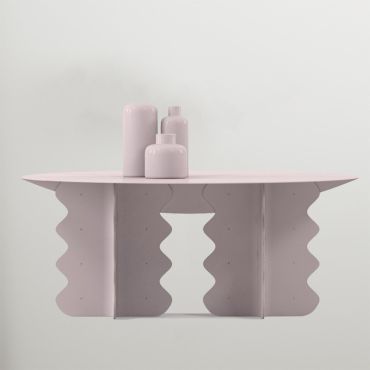
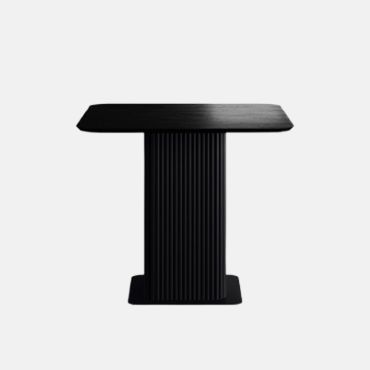
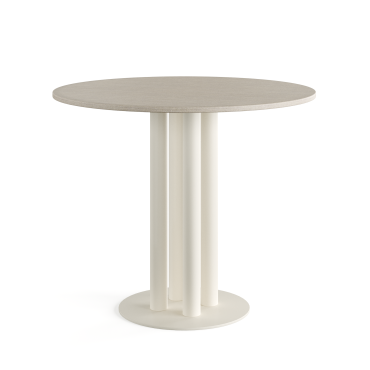
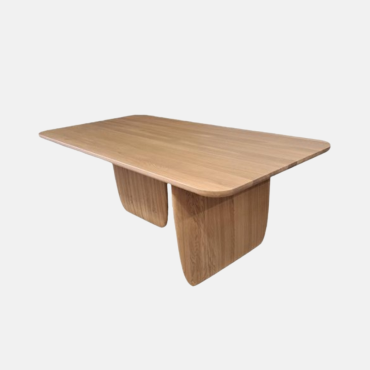
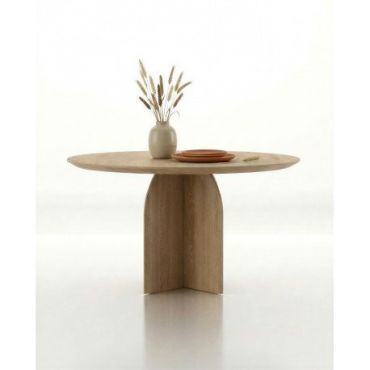
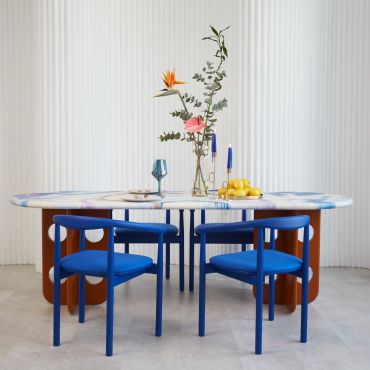
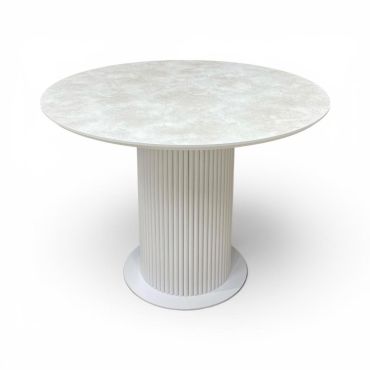
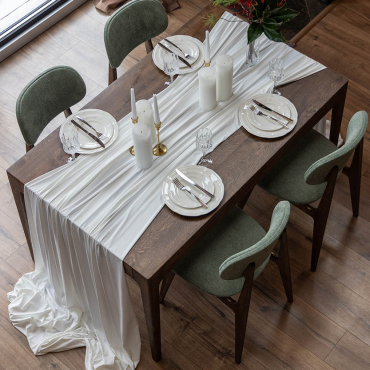
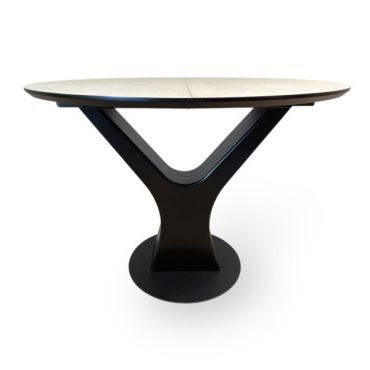
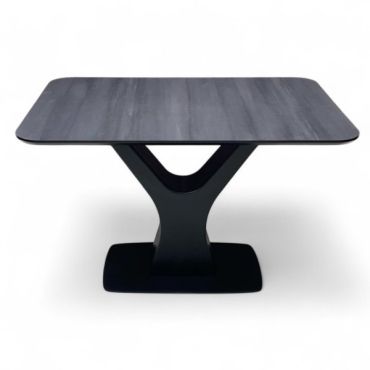
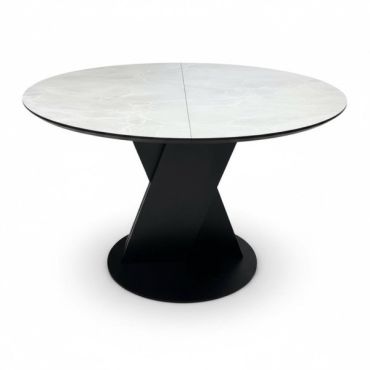
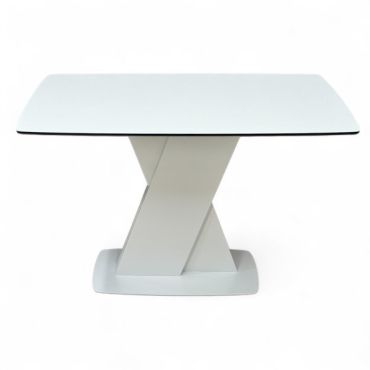
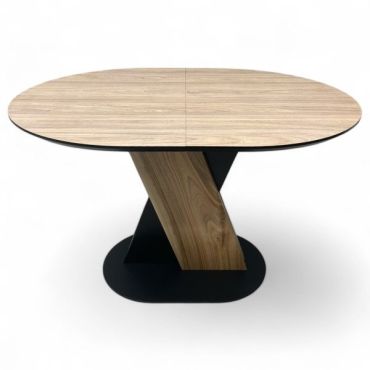
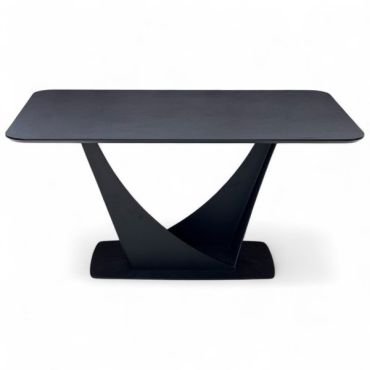
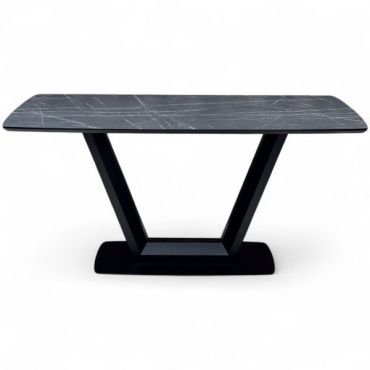
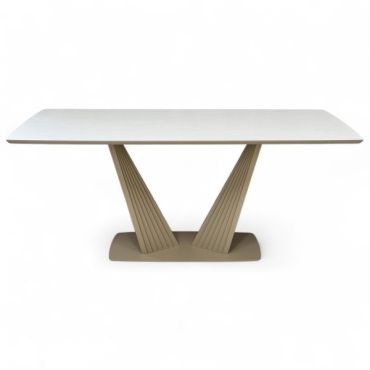
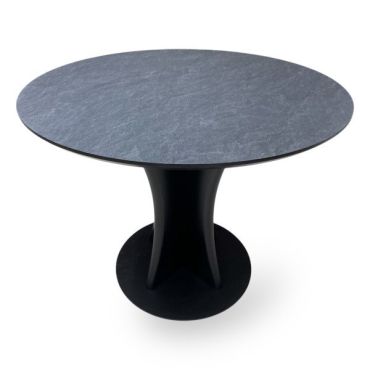
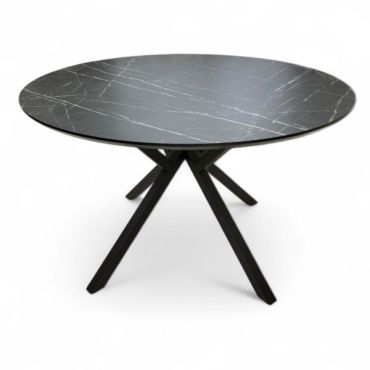
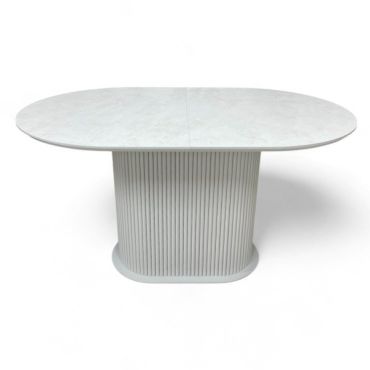
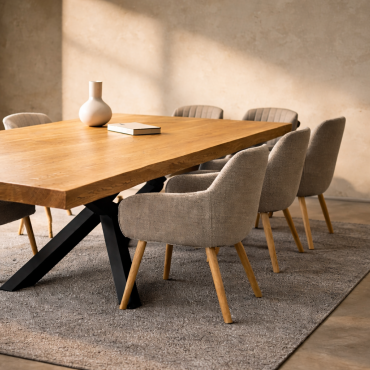
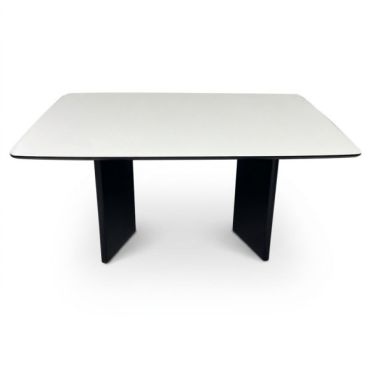
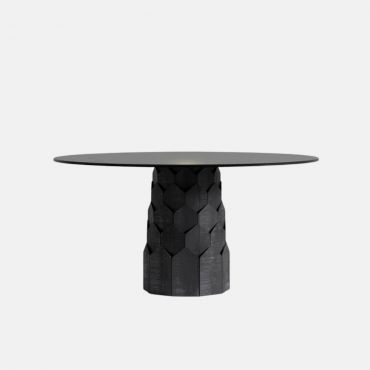
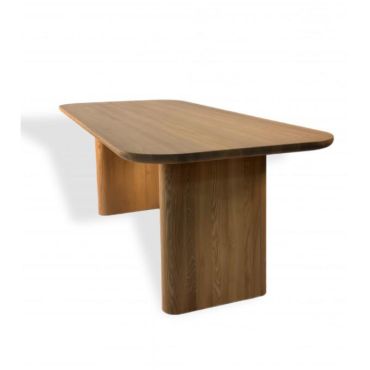
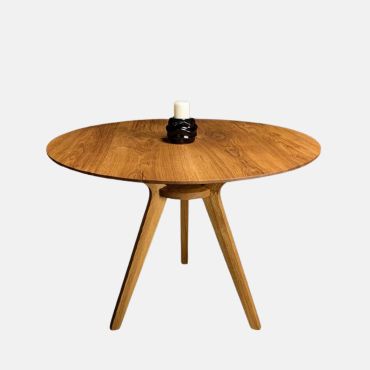
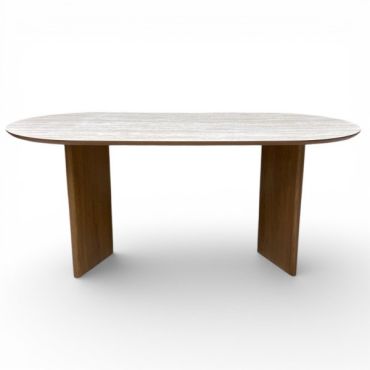
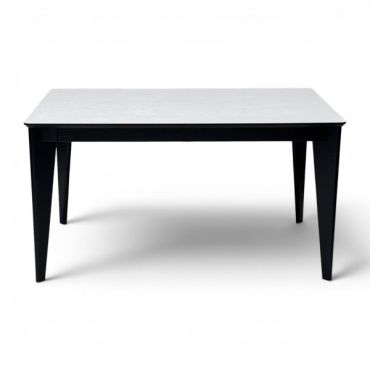
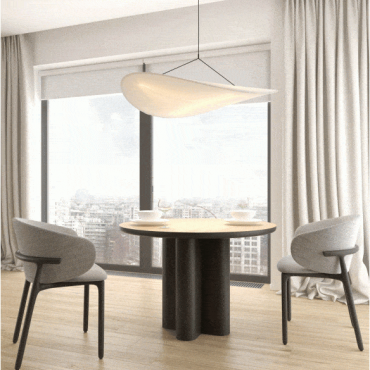
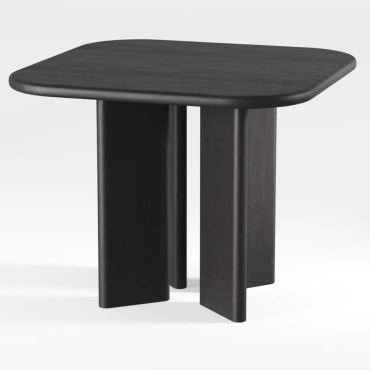
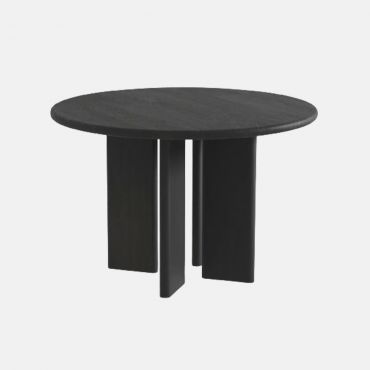
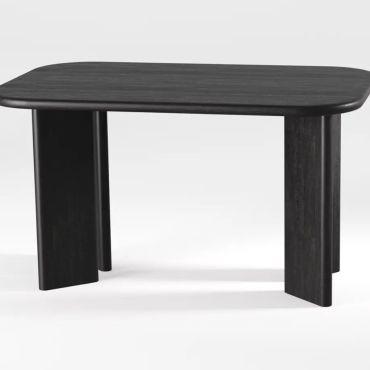
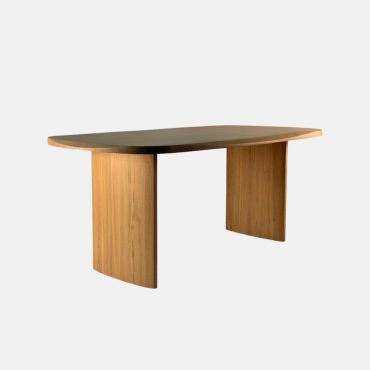
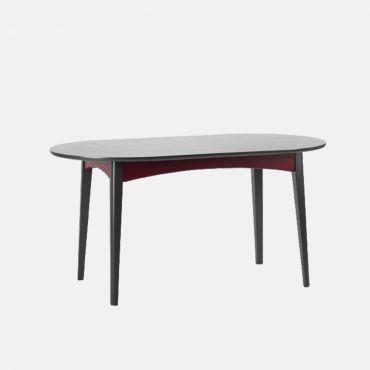
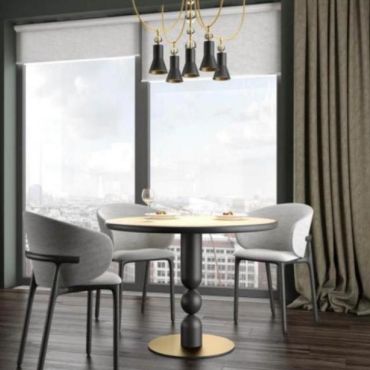
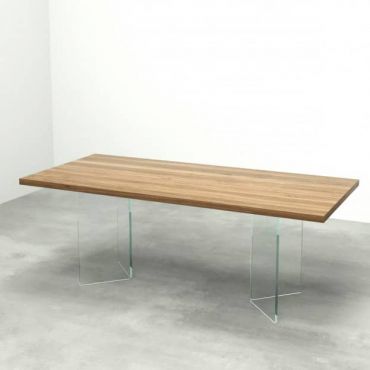
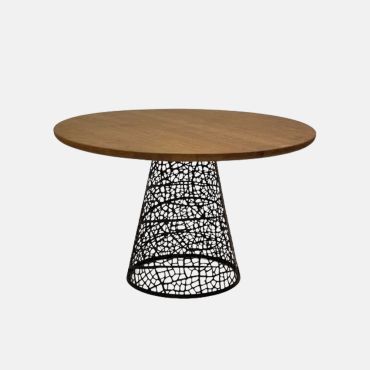
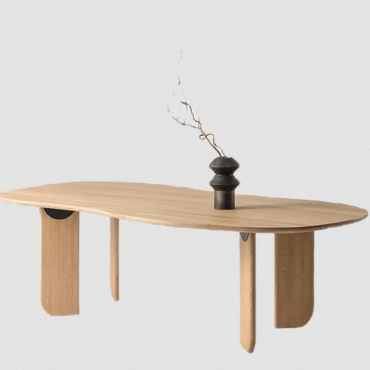
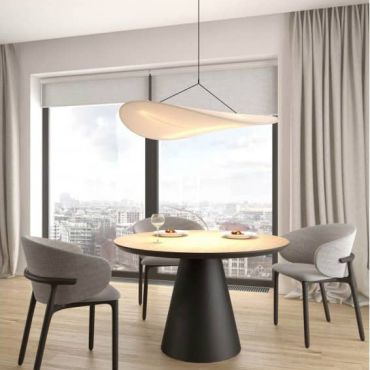
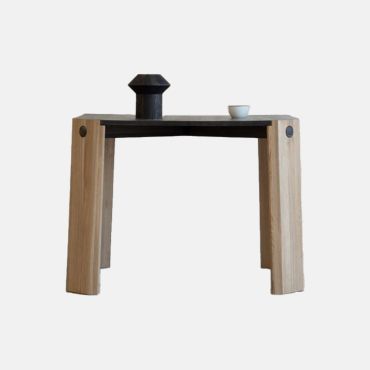
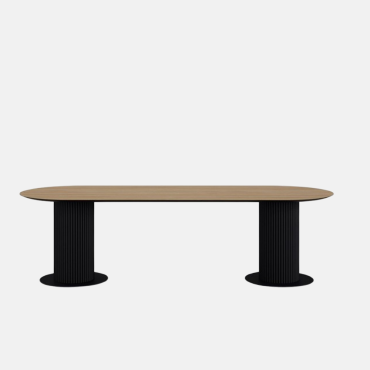
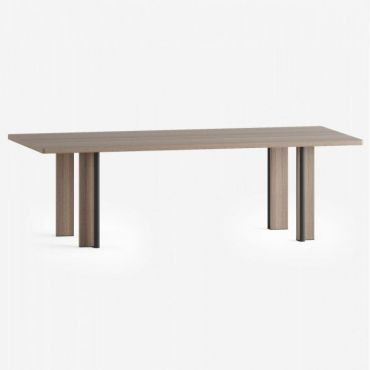
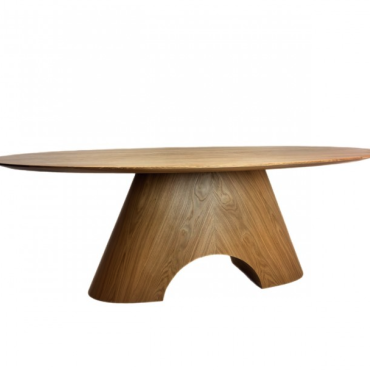
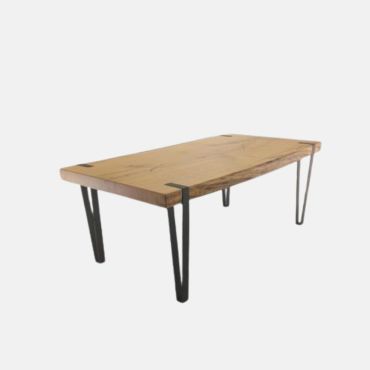
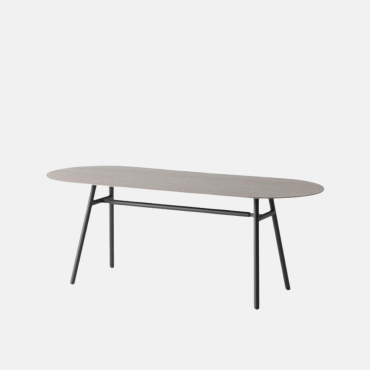
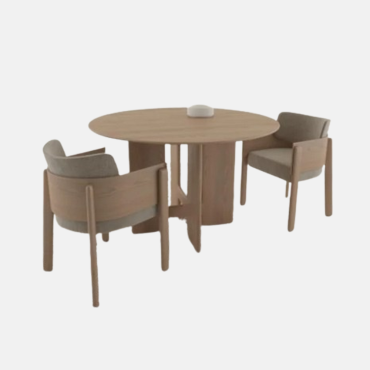
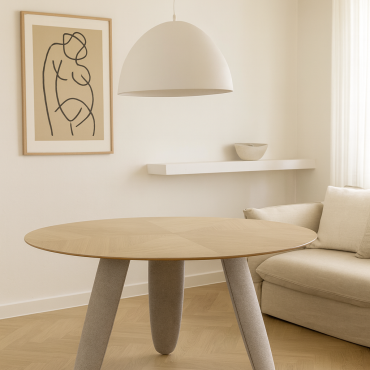
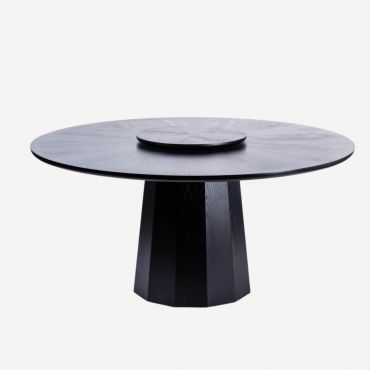
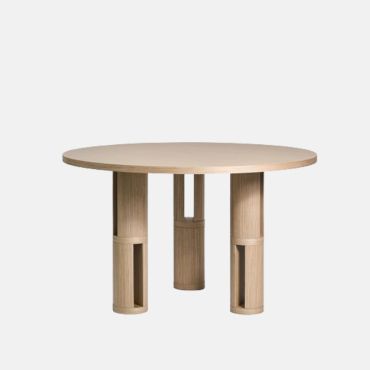
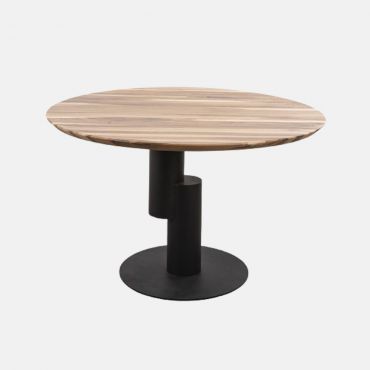
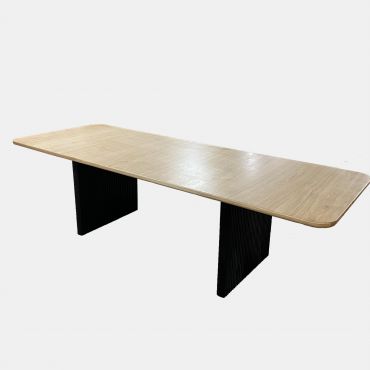
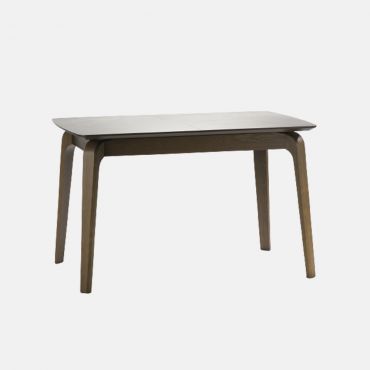
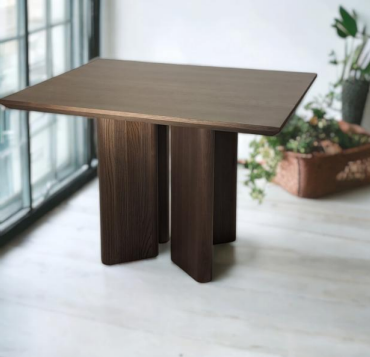
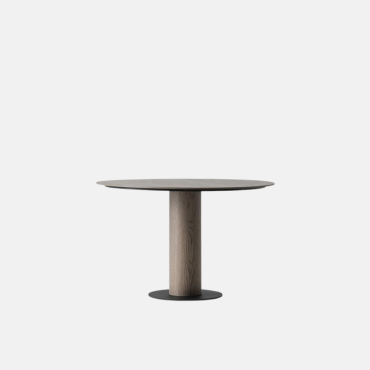
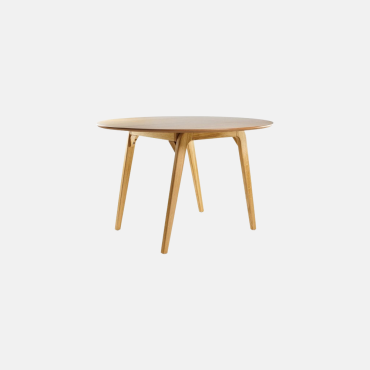
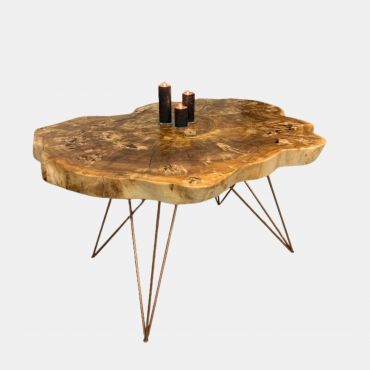
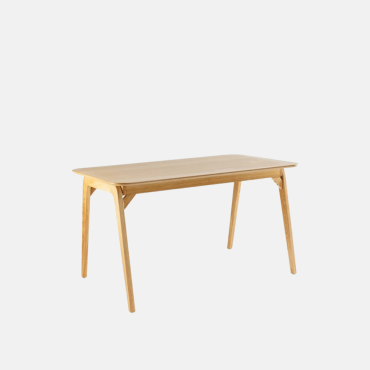
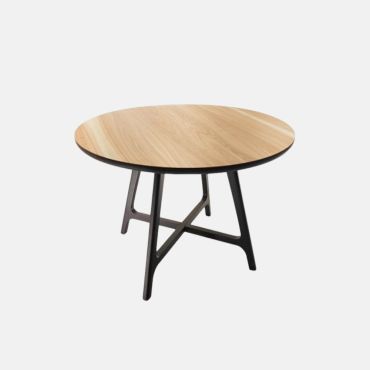
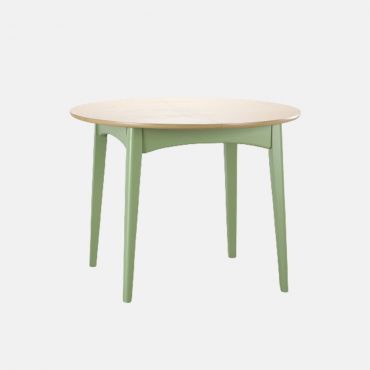
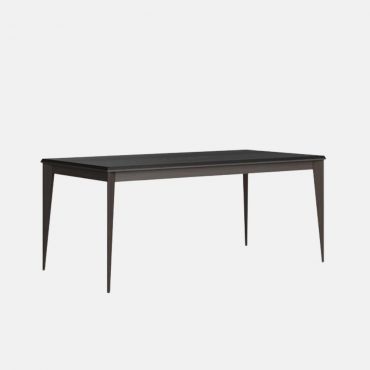
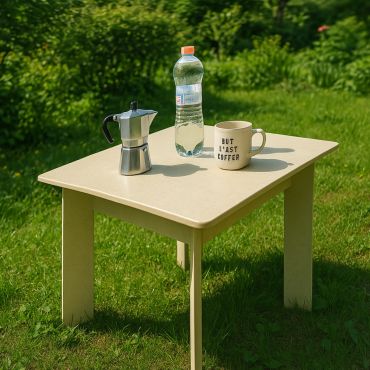
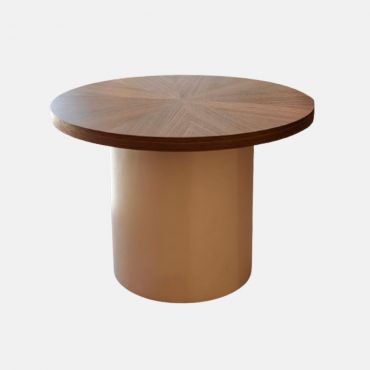
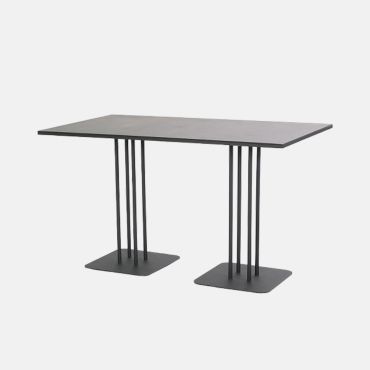
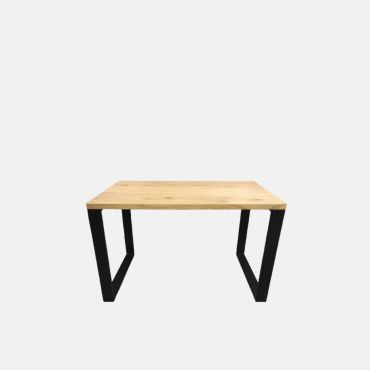
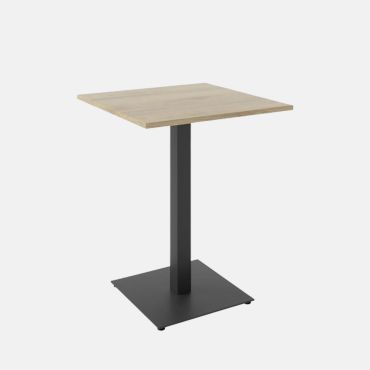
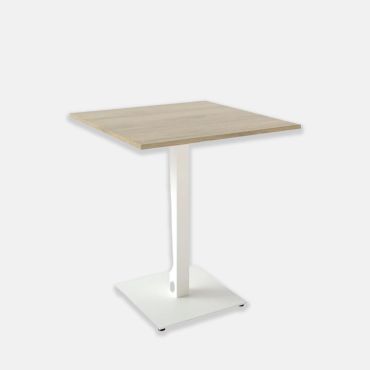
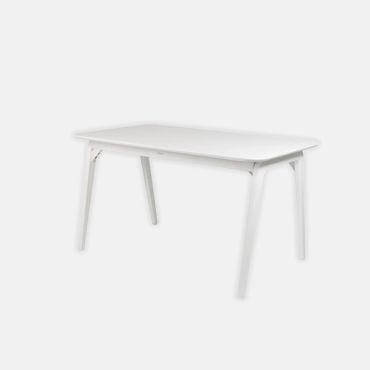
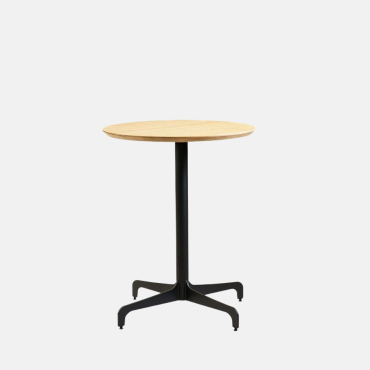
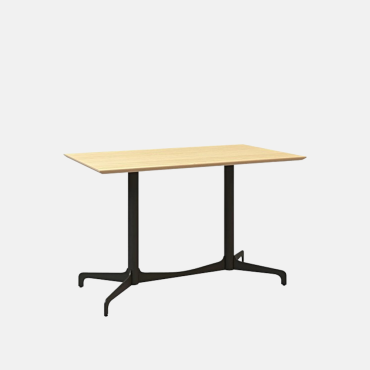
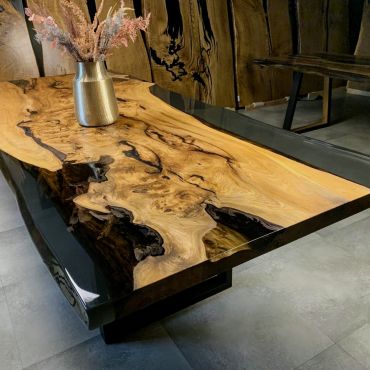
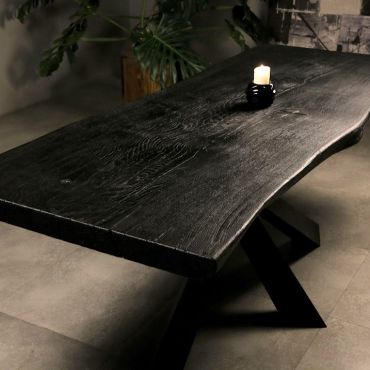
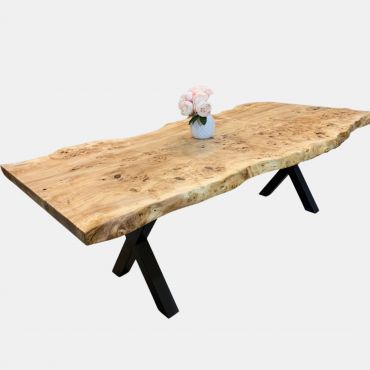
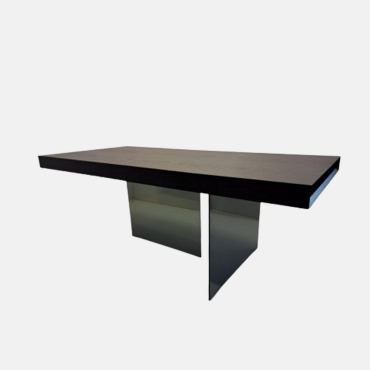
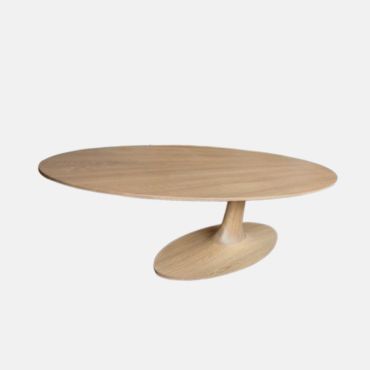
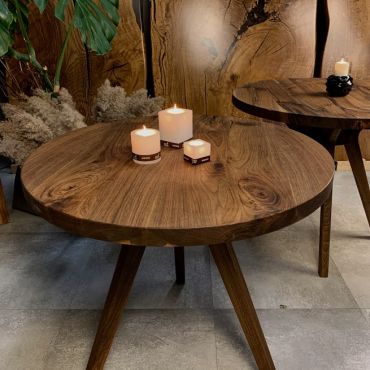
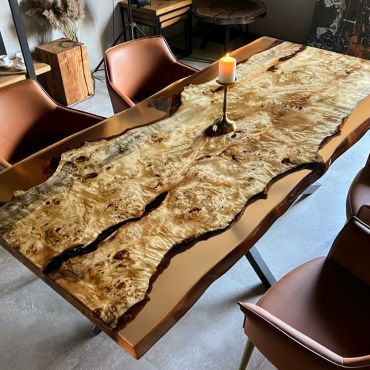
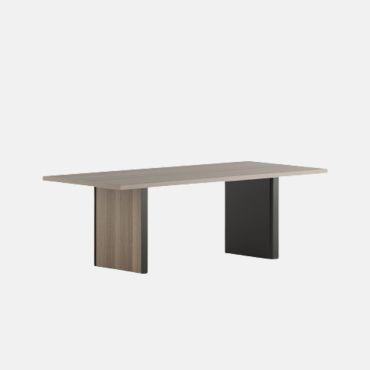
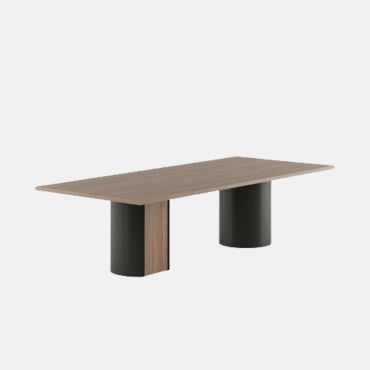
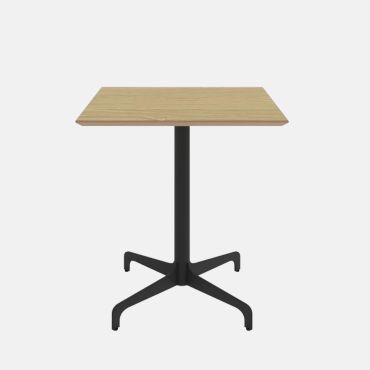
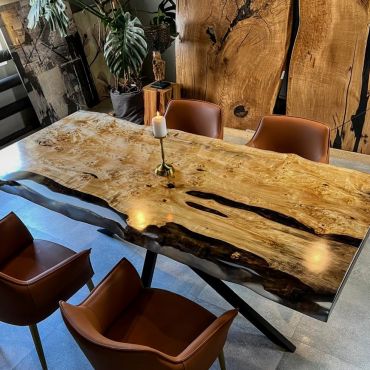
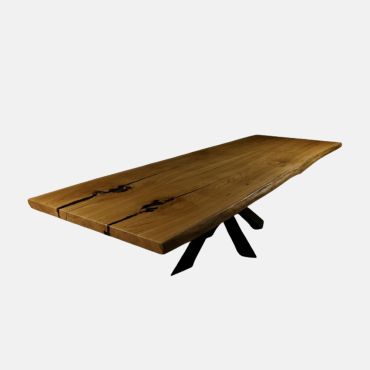

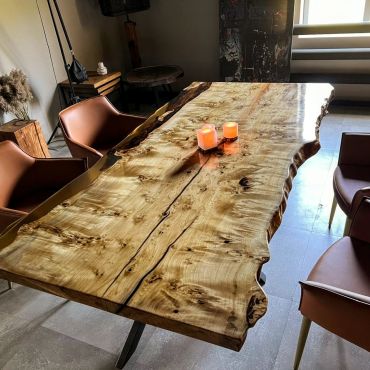
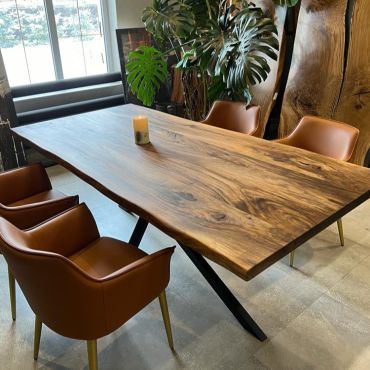
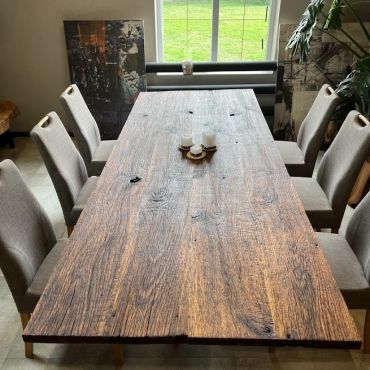
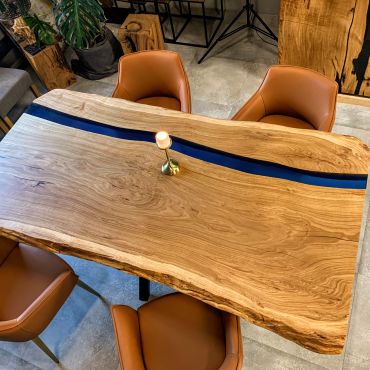
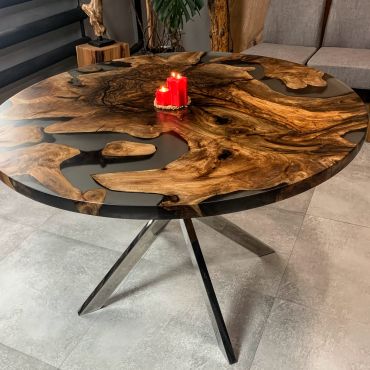
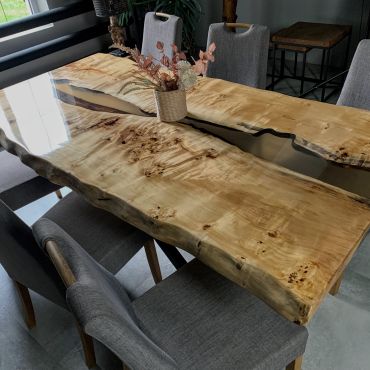
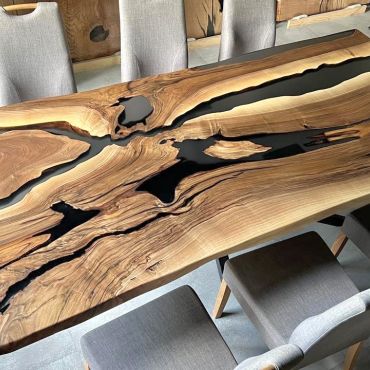
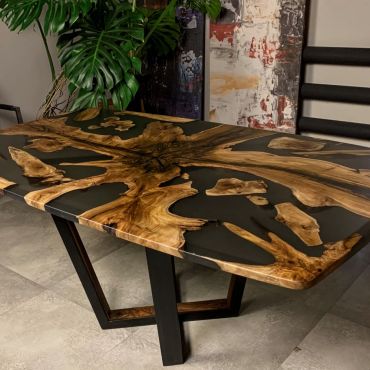
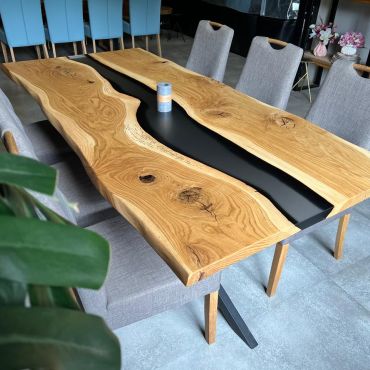
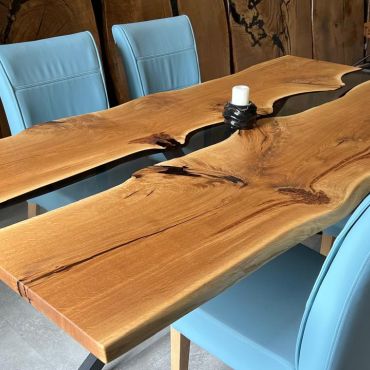
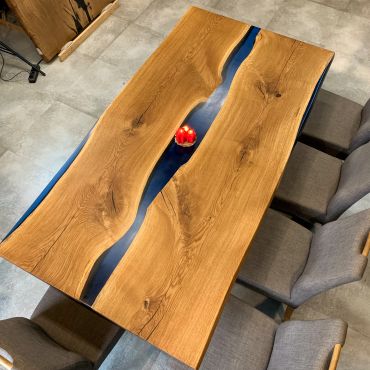
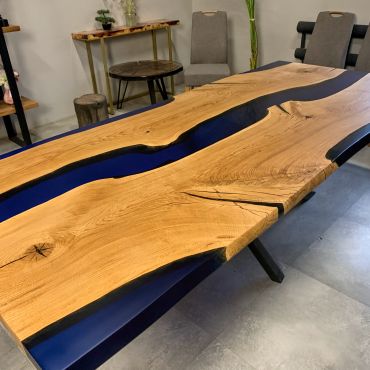
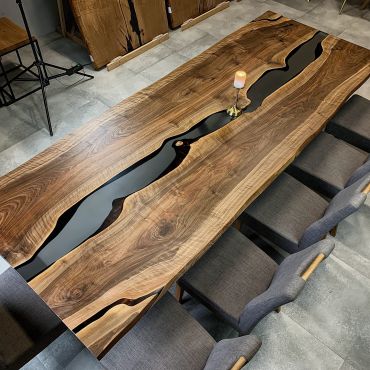
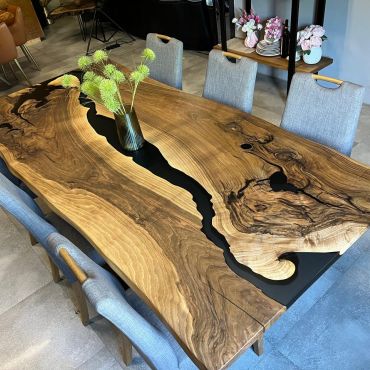
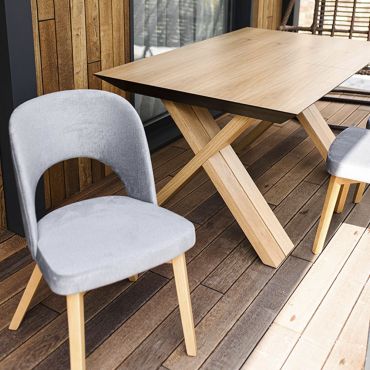
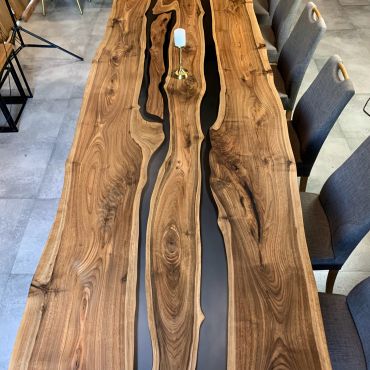
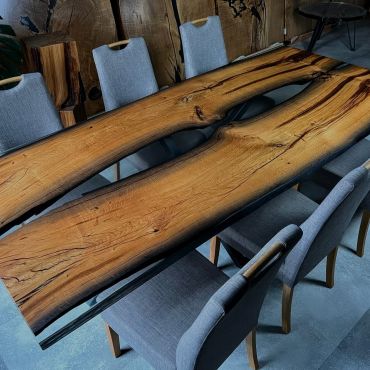
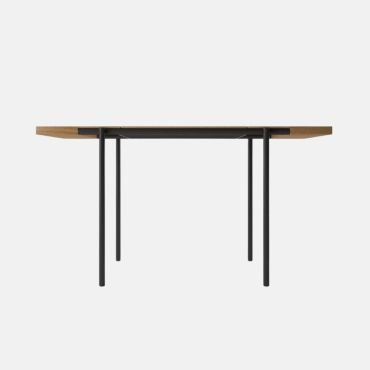
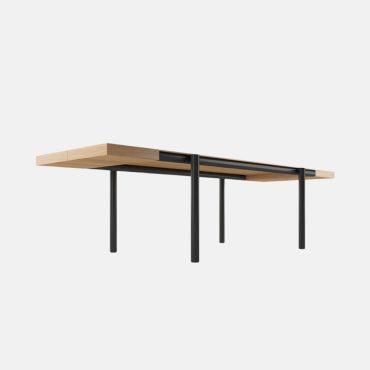
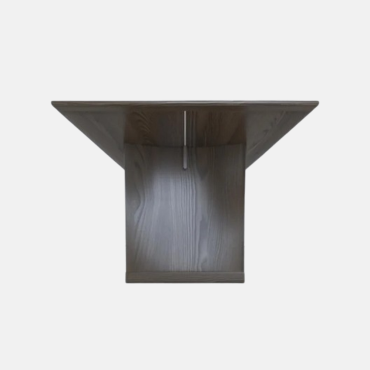
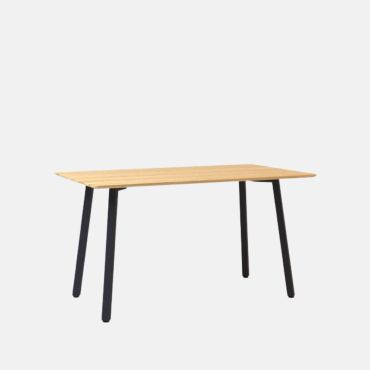
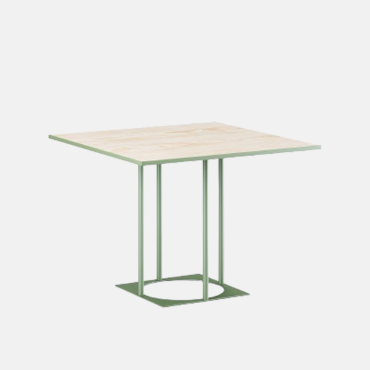
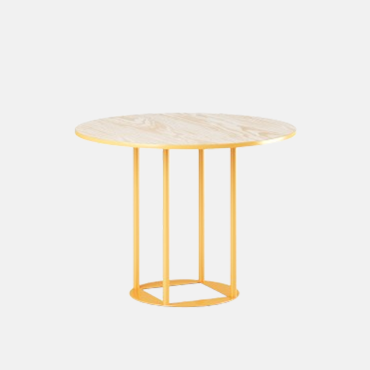
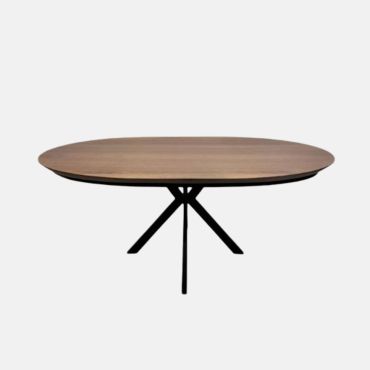
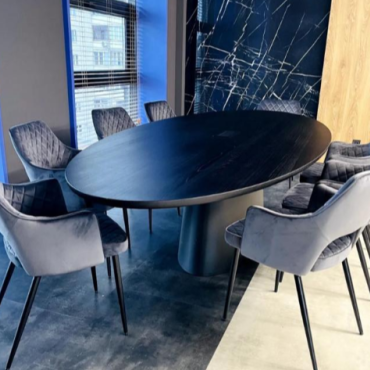
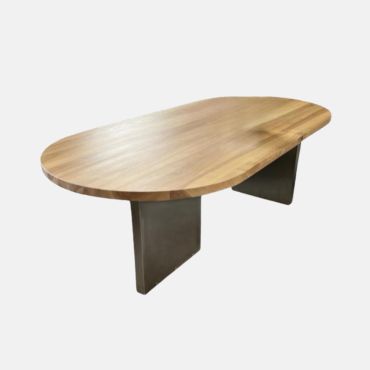
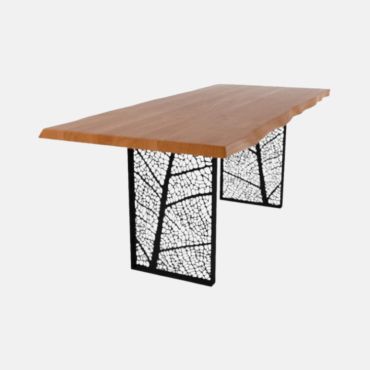
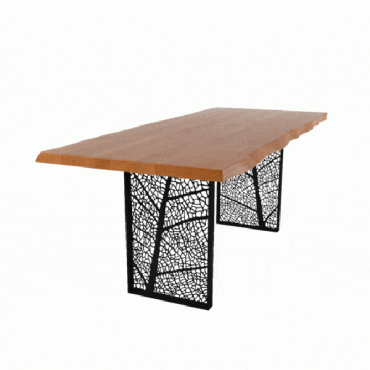
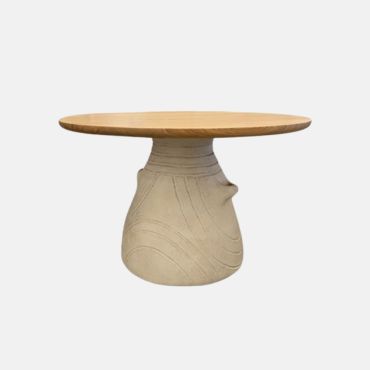
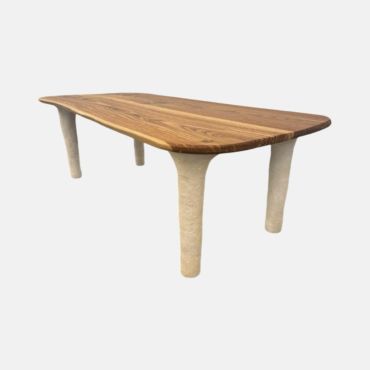
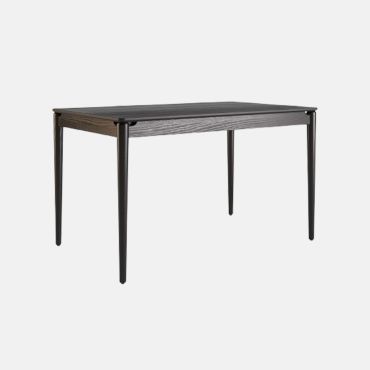
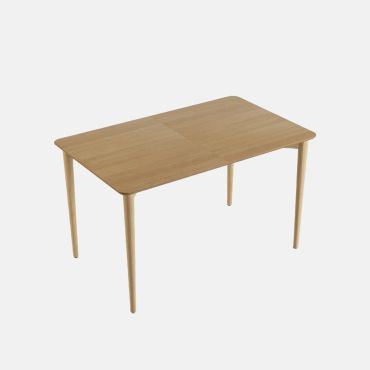
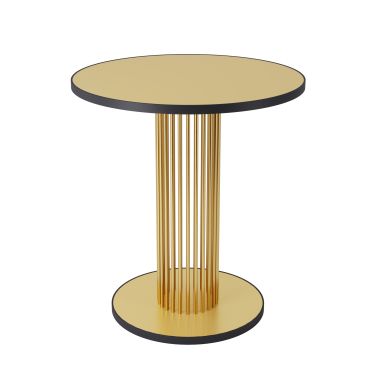
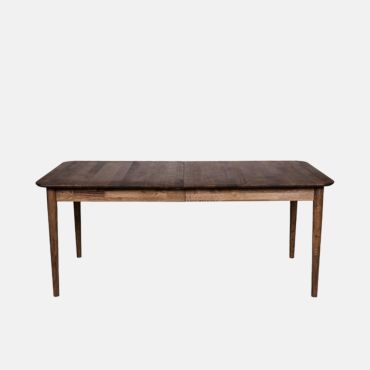
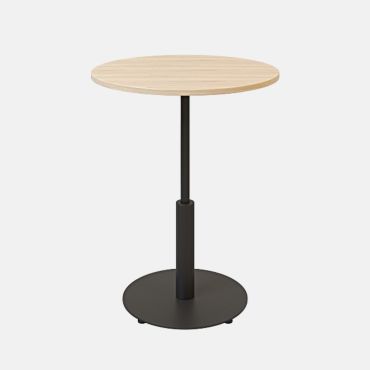
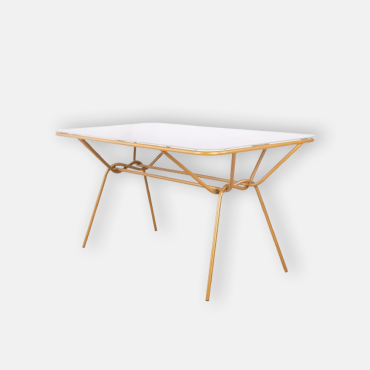
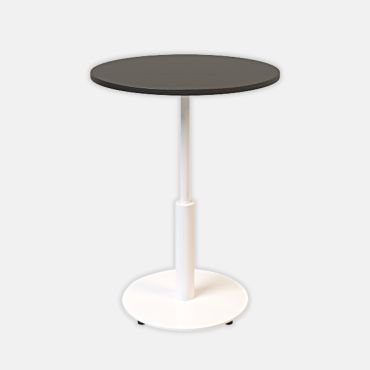
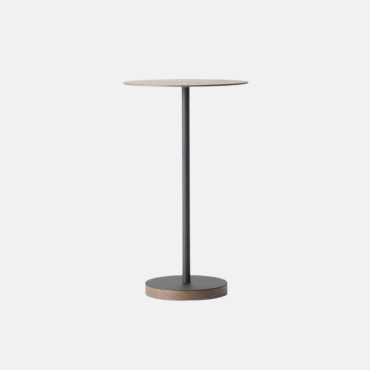
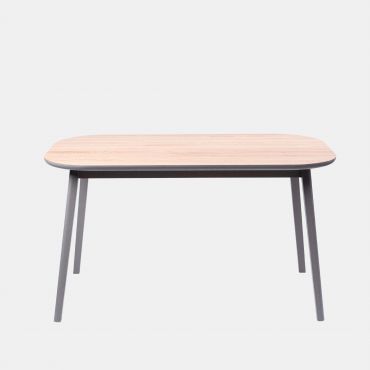
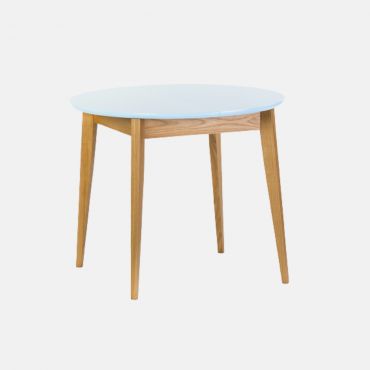
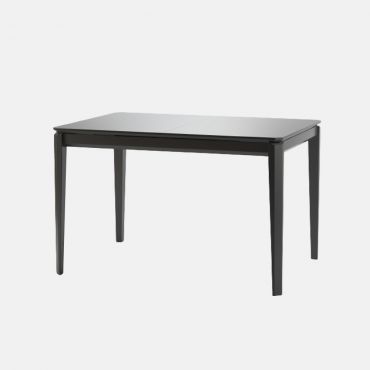
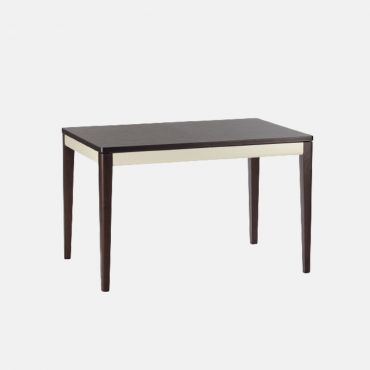
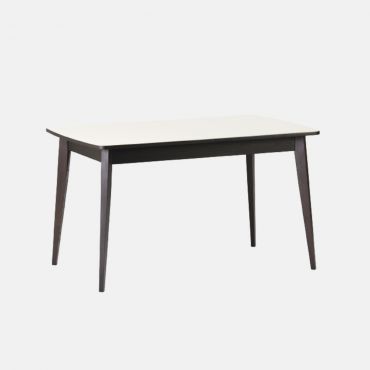
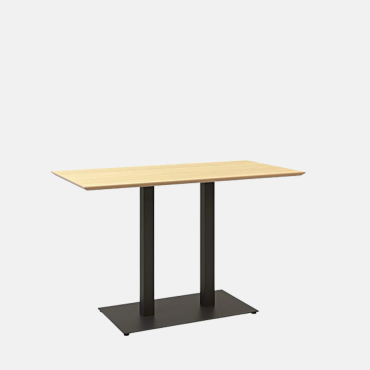
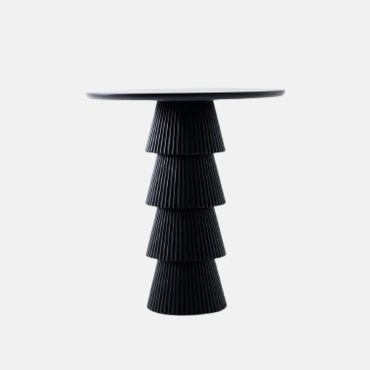
Dining tables for a home built around daily rituals
Dining tables should not be chosen as just another piece of furniture. Yes, you can compare them by size, material, price, delivery, leg color and finish. But a good dining table always does more than hold plates. It gathers breakfasts, work calls, children's drawings, dinners after long days and the kind of conversations that somehow begin when the plates are almost empty.
That is why the search for "buy dining table" rarely means only buying a tabletop on legs. People are looking for the center of a kitchen, dining room or living room. A place that can live with the home, stay relevant beyond one season and feel intentional in a room that already has a sofa, lighting, a rug, chairs, textures and its own rhythm.
At MAIIMO, we look at dining tables exactly this way: not as isolated products, but as small stages for the home. The selection includes contemporary pieces from Ukrainian makers, designer dining tables, compact formats for apartments, larger tables for families, round, oval and rectangular designs, models in wood, veneer, HPL, metal and combined materials. In other words, you can do more than buy a dining table. You can choose one that works with your space instead of arguing with it.
And there is one important nuance. A beautiful table in a product photo is not automatically the right table in a real room. It can be too large, too small, visually heavy, cold next to your chairs or simply inconvenient for everyday use. So the choice should not begin with the image. It should begin with honest questions: where the table will stand, how many people sit at it every day, how often guests come over, whether the tabletop also needs to support work, and how active life at home really is.
How a dining table differs from a kitchen table or coffee table
Technically, a dining table can stand in a kitchen, dining room or living room. So the difference is not the room name. The difference is the scenario.
A kitchen table often lives in a tighter space. Its job is to be close at hand: quick breakfast, coffee, slicing bread, setting down a laptop, helping a child with homework. It has to handle frequent cleaning, stains, cups without coasters and the small rushes of everyday life.
A dining table for dining room settings works differently. It can be larger, calmer, more expressive. It needs space around it, the right distance from walls, comfortable chair movement and overhead lighting. Here the table does not hide. It holds the room together.
A dining table for living room layouts has one more task: it has to live alongside the sofa area, storage, lighting, textiles and decor. In open-plan homes, the kitchen, dining area and living room often flow into each other, so the table becomes a visual bridge between function and atmosphere. This is where modern dining tables with clean silhouettes, thoughtful bases and balanced materials work especially well.
A coffee table, by contrast, is not made for full seating, dinner plates, daily load or long meals. It lives near the sofa. A dining table lives around people.
For the kitchen, dining room or living room: how to understand the right format
Start with the simplest question: how do you actually use your home? Not how it should look on a mood board. How it really works every day.
If two people usually eat at the table but one of them often works from home, you need more than two seats. You need enough depth for a laptop, a cup and a plate to coexist. If there are children at home, the material has to be more forgiving. If you love dinners with guests, think about extra seating from the beginning, not about squeezing people in later.
For a small kitchen, a round or compact rectangular table often wins. A round shape has no sharp corners, is easier to move around and feels visually softer in a small room. For a long kitchen or dining room, a rectangle is often more logical: it repeats the geometry of the space and gives more seats. For a living room, especially an open-plan one, an oval table can work beautifully: it is generous enough, but less strict than a large rectangle.
There is another useful test. Imagine the table not empty, but in use. Chairs pulled back. Plates, water, napkins, maybe a vase or a nearby lamp. People walking past. If that scene looks natural, you are probably close to the right decision.
How to choose a dining table by shape
The shape of a dining table changes not only how it looks, but how people behave around it. Slightly dramatic, yes. But true. A round table makes it easier for everyone to speak to everyone. A rectangular table naturally creates a head and sides. An oval table softens the room while keeping the feeling of a proper meal.
Shape is not just decoration. It organizes movement, conversation and the scale of the room.
Round dining tables
A round dining table works well where softness matters. It does not divide people into sides, does not create a rigid axis and has no corners to catch in a small kitchen. In an apartment where the kitchen flows into the living room, a round form can be the quiet solution: the table is present, but it does not block the space.
Round tables work best for 2-4 people or as a more intimate center of a dining area. If you need seating for 6 or more, the diameter has to grow, and that requires more room. Otherwise plates sit too far away, the center of the tabletop becomes awkward and chairs start interfering with circulation.
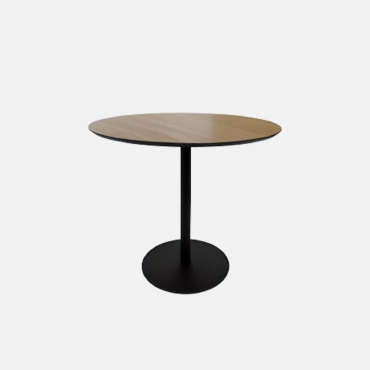
A round table needs the right base. One central pedestal is often more comfortable because it does not fight with legs and allows more flexible seating. Four legs can look lighter, but in smaller diameters they sometimes steal comfort.
Oval dining tables
An oval dining table is a strong option for people who need the capacity of a rectangle but want softer geometry. It looks gentler, supports movement around it and often fits more easily into rooms full of straight lines: kitchen cabinets, storage units, doorways, sideboards.
An oval is especially good in a living room or dining room where the table should be visible but not heavy. It can become the center of the room without making it feel formal. Add a pendant lamp above the tabletop and the composition comes together quickly: table, light, chairs, a little decor. Minimum detail. Maximum presence.
The only thing to check is real seating at the ends. Some oval models look excellent in photographs, but the end seats can be less comfortable because of the base or the tabletop radius. A simple rule helps: each person needs around 60 cm of width for comfortable seating.
Rectangular dining tables
A rectangular dining table is a classic not because tradition says so, but because it works. It is easy to place against a wall, in the center of a dining room, parallel to a kitchen island or between the kitchen and sofa area. It is clear, generous, easy to serve and easy to scale.
For a family of 4-6, the rectangular format is often the calmest choice. It gives enough room for plates, shared dishes, a vase, candles, a laptop if the table sometimes becomes a work surface. In long rooms, a rectangle also supports the architecture: it does not fight the plan, it repeats its rhythm.
But rectangular tables are also the easiest to over-size. In a showroom or photo, a large table looks impressive. At home, it may eat the circulation space. Before buying, measure not only the tabletop, but also the space with chairs pulled back. Comfort begins around the table, not only on top of it.
Dining table size: 4, 6 or 8 people
Size is where imagination needs to meet a tape measure. Good. Measurements save you from beautiful but irritating decisions.
For one person at a table, allow around 60 cm of width. For more comfort, 65-70 cm is better. A place setting with a plate, glass and cutlery usually needs about 40 cm of depth, but if you like generous serving, shared dishes in the center or larger plates, leave more space.
A dining table for 4 can be a rectangular table about 120-140 cm long or a round table from around 100 cm in diameter. For a small kitchen, this is often the most usable format: enough room for daily life without turning the room into chair storage.
A dining table for 6 usually needs 160-180 cm in length. This is a solid family format: daily dinners, guests, a small decor piece, and enough space so the whole tabletop does not have to be cleared every time someone sits down.
A dining table for 8 is usually around 200-240 cm, depending on width, shape and leg construction. This table needs space. Not just visual space, but physical space: walkways, distance from walls, chair movement, serving routes. If the room is not large, making the table the hero at any cost rarely pays off. Sometimes 180 cm that works every day is better than 240 cm that annoys every day.
Another practical measure: leave at least 80-90 cm from the table edge to a wall or other furniture. That allows someone to sit and pull out a chair. 100-120 cm is better, especially if people need to pass behind the seated person. In open-plan homes this matters even more: the table should not block the route between kitchen, sofa and exit.
Materials: wood, veneer, HPL, metal, stone and combined solutions
The material of a dining table has two sides. The first is how it looks. The second is how it ages.
Wood lives with the home. Oak deepens, ash can become warmer, walnut gains depth. A natural surface shows texture and small changes from light and time. That is character, but wood asks for attention: coasters, quick wiping of water, no stains left overnight.
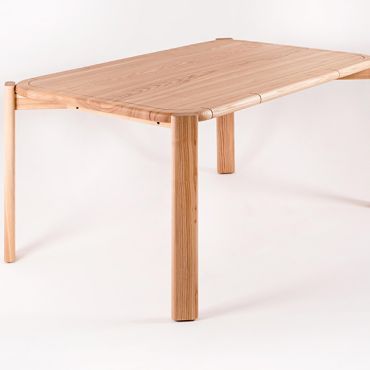
Wooden dining tables suit interiors where warmth and material presence matter. They do not have to be heavy or traditional. A contemporary wooden table can be slim, graphic, almost architectural. What matters is proportion: tabletop thickness, edge shape, leg section, the balance between mass and air.
Veneer is a compromise that should not be treated as secondary. Good natural veneer gives a beautiful wood texture while often being lighter and more stable in construction. In designer furniture, it is a professional material, especially when the maker handles the base, edge and finish well.
HPL is for people who want calmer everyday use. It is more resistant to moisture, stains, scratches and frequent cleaning. If there are children, coffee, laptops and creative work at home, an HPL dining table can save nerves. It does not have the same depth as wood, but it gives stability.
Metal is usually used in the base. It adds graphic clarity, slimmer supports and a sense of structure. In loft, minimalist, modern or contemporary interiors, metal can make a table feel visually lighter even when the tabletop is fairly large.
Stone, ceramic or stone-effect surfaces are expressive, but they need honesty. They are cooler materials and set a different mood. In a large dining room this can be beautiful. In a small kitchen it can feel too formal. Not wrong. Just not for every home.
Combined solutions are often the most interesting: a wooden or veneered top on a metal base, HPL with a slim silhouette, natural texture with modern geometry. The material name matters less than how everything is made. A table should stand firmly, have a pleasant edge, the right height and a surface you are not afraid to use.
Designer dining tables in the MAIIMO interior language
Designer dining tables are not different because they are "unusual". Unusual for its own sake becomes tiring fast. The real difference is in proportions, details, material, base design and how the table behaves next to other objects.
In a good table, you can see the thought. Why the edge is shaped this way. Why the legs stand at this angle. Why the tabletop is not thicker. Why the wood is not buried under excessive lacquer. Why the form does not shout, but still stays in memory.
MAIIMO curates Ukrainian design that does not try to look "like somewhere else". It already has its own voice: calm, contemporary, material. Ukrainian makers work with wood, plywood, veneer, metal, HPL, stone and original constructions. Often these are pieces that can be adapted to a space: another size, shade, material or configuration. For a dining table, that matters a lot, because the difference between 160 and 180 cm can change everything.
When you choose Ukrainian dining tables, you get more than local production. You get a shorter path between idea, maker and home. You can ask about material, care, timing, chairs, 3D models if available on the product page. It is a more human process than buying an anonymous table from a mass catalog.
Scandinavian, minimalist, loft, modern and contemporary
It is better to choose the table style not by label, but by what it does to the room.
Scandinavian mood usually means lighter woods, simple forms and air. Minimalism asks for precision, especially when a dining table for kitchen or dining room has nowhere to hide. Loft can bring metal and contrast, but at home it should keep warmth. Modern and contemporary directions allow cleaner lines, bolder bases and more complex materials. These stylish dining tables work best when they feel like part of the composition, not just a label.
The main thing is not to build an interior out of labels. A Scandinavian table can stand in a contemporary living room. A minimalist one can live in a warm wooden kitchen. A loft base can sit next to soft chairs. What matters is that the objects speak at the same volume.
How to pair a dining table with chairs, lighting and decor
A table is rarely read alone. It is almost always read together with chairs, lighting, flooring, rug, tableware, a vase and the space around it. So even a beautiful table can be placed badly if its neighbors are ignored.
Start with chairs. They do not have to come from the same collection, but there should be shared logic: color, material, height or mood. Check knee room and armrests, especially if the table has a heavy apron or an unusual central base.
Lighting above the table is almost magic, but practical. A pendant lamp gathers the zone and separates the dining area from the kitchen or living room. Decor should stay restrained: one vase, a low arrangement, a candleholder or a tray is enough. A good table already has silhouette, texture and presence.
Why buy a dining table at MAIIMO
At MAIIMO, you can buy dining tables for different scenarios: a compact kitchen, a separate dining room, an open living room, an apartment for two, a home for a large family, a space where guests often gather. But the main point is not the number of models. The main point is the selection.
We work with Ukrainian designers and makers who understand material, proportion and real use. The catalog includes dining tables from Ukrainian makers that look contemporary, do not copy the mass market and can live in an interior for a long time. Not one season. Not one renovation. Longer.
MAIIMO is also useful because chairs, lighting, decor and other pieces for the same zone can be selected alongside the table. This matters because a dining group works as an ensemble. A table without chairs is half a decision. A table without lighting can disappear. A table without the right scale next to a sofa or kitchen can look accidental.
If you know exactly what you need, filters and categories help narrow the choice quickly. If you do not, that is normal too. Start with the basics: how many people, which room, which materials you like, what style already exists at home. The choice becomes calmer after that.
To buy a dining table in Ukraine today is easy. The harder part is choosing one you will not want to replace next year. This is where design, quality, service and the chance to ask a real team matter more than simply pressing "add to cart".
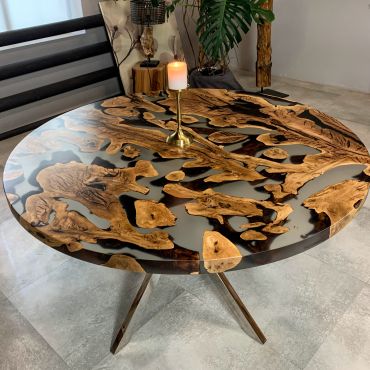
At MAIIMO, you can find a dining table for kitchen, a dining table for dining room, a dining table for living room, round, oval and rectangular models, modern pieces and warmer wooden solutions. If you need related categories, it is better to explore them separately: functional extendable tables, epoxy resin tables, wooden tables as a material cluster, affordable dining tables as a price-intent group. That keeps the search cleaner and prevents pages from competing with each other.
A dining table that lasts is always a choice in favor of form, material and the maker. Not a random discount, not a tired seasonal trend, not "anything will do". The table should be beautiful, but not fragile in daily life. Expressive, but not loud. Comfortable, but not dull.
When it is right, it does not need many words. You simply want to sit down.
How to buy a dining table without getting the scale wrong
The most common mistake is looking at the model separately from the room. Before you buy dining tables, mark the future size on the floor, add room for chairs and walk around it. This simple test often shows whether 180 cm works better than 200 cm, or whether a round table is calmer than a rectangular one.
Then check light, chairs and price with the same clarity. A pendant should sit over the actual table position, chairs should slide in comfortably, and dining tables price should not be the only filter. Compare length, material, base, custom sizing, care and delivery across Ukraine. If a standard size almost works but not quite, it is better to buy dining table through consultation and ask whether the length, width, finish or base can be adapted.
FAQ
How do you choose a dining table for a kitchen or living room?
To choose a dining table for kitchen or living room use, start with the room size, the number of people and the way the space is actually used. In a kitchen, compact size, practical material and easy movement matter most. In a living room, proportion, style and the relationship with the sofa, lighting, chairs and decor become just as important.
If the layout is open, dining tables for living room spaces should connect the kitchen and lounge area visually, not create a barrier between them. In that kind of plan, calm silhouettes, well-placed lighting and chairs that look intentional next to the sofa usually work best.
Which dining table is better: round, oval or rectangular?
A round dining table is better for intimate spaces and conversation because everyone sits on equal terms. An oval dining table works when you need more seating but want softer geometry. A rectangular dining table is usually the most practical choice for larger families, long rooms and classic dining rooms.
The right choice depends on the layout, number of people and circulation around the table, not on trends. If the room is narrow, a rectangle is often more logical. If the space is compact, a round table can feel calmer. If you want capacity without sharp corners, an oval is a very strong option.
What size dining table do you need for 4, 6 or 8 people?
A dining table for 4 usually works at 120-140 cm long or with a round tabletop from about 100 cm in diameter. A dining table for 6 is usually more comfortable at 160-180 cm. A dining table for 8 often needs 200-240 cm, but only if the room allows proper walkways.
Allow around 60 cm of width per person and remember the space needed for chairs pulled back. A large table makes no sense if it is hard to move around. A slightly more compact size that works every day is better than a dramatic tabletop that constantly gets in the way.
What makes designer dining tables different from mass-market ones?
Designer dining tables are different because of proportion, material, detail and form. The edge of the tabletop, the base, the seating comfort, the way the material ages and the way the piece sits in an interior are all considered.
Mass-market furniture often gives a standard answer. A designer dining table is usually a more precise, more characterful and longer-lasting choice for a specific space, especially when size, material, color or configuration can be discussed.
Which materials are most practical for a dining table?
For active daily life, HPL, quality veneer, well-finished wood, metal bases and combined tabletops are practical choices. Wooden dining tables are beautiful and warm in texture, but require more careful maintenance. HPL handles moisture, stains and frequent cleaning more easily.
If there are children at home or the table is often used for more than meals, material practicality matters a lot. A wooden dining table is best when you are ready to care for the surface and accept the natural aging of the material. For a very active kitchen, HPL or a combined tabletop may feel calmer.
Is an extendable dining table worth buying?
An extendable format makes sense if you use a compact table every day but sometimes host guests. It can be a good solution for apartments and smaller dining rooms, where a dining room table needs to stay modest on weekdays and become more generous on weekends. The mechanism must be good, and the table should feel stable when extended.
If guests come often and the room allows it, a larger fixed table may be better. Functional extendable models are best treated as a separate cluster, so they do not blur the core choice under the dining tables category.
How do you care for a wooden dining table?
A wooden dining table does not like long moisture exposure, hot items without coasters or aggressive chemicals. Wipe spills quickly, use a soft cloth and do not leave wet vases or cups on the surface overnight. For solid wood and veneer, follow the maker's care recommendations.
High-quality wooden dining tables age beautifully when treated normally: not obsessively, but with respect for the material. Marks of life are not always a problem. The problem is regular water exposure, overheating or cleaning products that are not meant for wood.
How do you match chairs to a dining table?
Look at height, seat width, armrests, material and mood. Designer dining tables do not always need chairs from the same collection, but the chairs should support the table through shape, color or material. A wooden tabletop works well with upholstered chairs, while a graphic metal base can pair with lighter silhouettes.
Always check whether the chairs slide comfortably under the table. If you are considering modern dining tables with unusual bases, this matters even more: a beautiful structure should not interfere with knees, armrests or normal seating.
Can a dining table work in a living room?
Yes, if the living room has enough space or is connected to the kitchen. Dining tables for living room layouts can zone the space and create a proper dining area without a separate room. The key is choosing a shape that does not block movement and lighting that gathers the dining zone.
Oval, round or visually light rectangular models often work well in living rooms. If you need a dining table for living room use, look not only at the tabletop, but at how it will sit next to the sofa, rug, storage and pendant lighting.
Where can you buy a dining table from Ukrainian makers?
You can buy a dining table from Ukrainian makers at MAIIMO. The catalog includes Ukrainian dining tables for kitchens, dining rooms and living rooms: round, oval, rectangular, wooden, veneered, HPL, metal and combined designs.
If you want to buy dining table without a random choice, the MAIIMO team can help match the size, shape, chairs, lighting and decor to your space. This way, you can buy dining tables not by a pretty picture alone, but by the real logic of the room, materials and everyday use.
The dining table is the centrepiece of a living space, but not the only one. If you're furnishing the whole room, explore our full catalogue of designer tables — it includes coffee tables, writing desks, consoles, side tables and bedside models from the same Ukrainian makers.
It is easy to match a dining chair to your dining table, in tone with the top or as a contrast.