Sun loungers
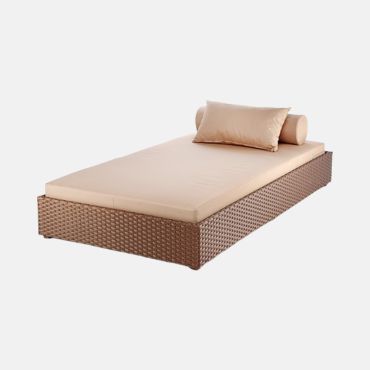
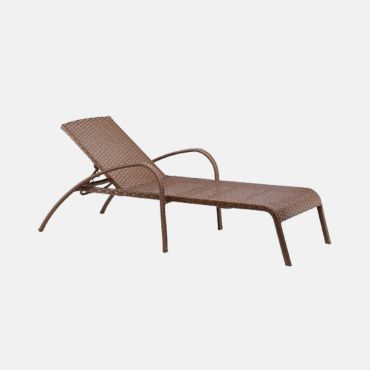
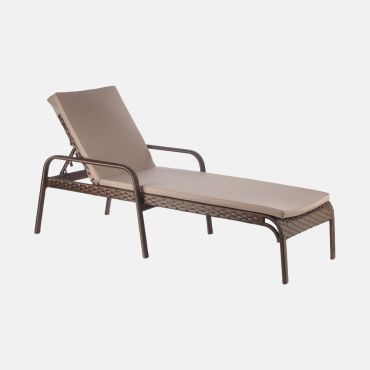
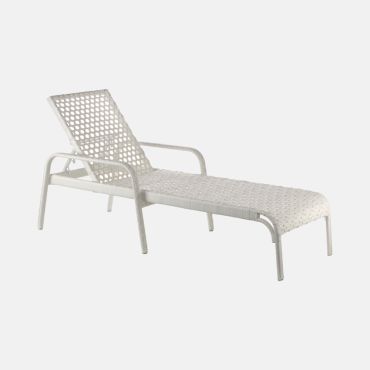
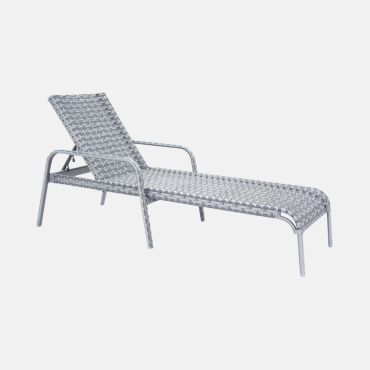
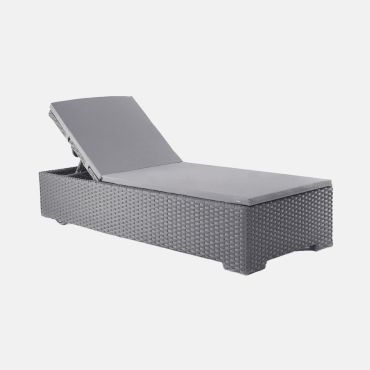
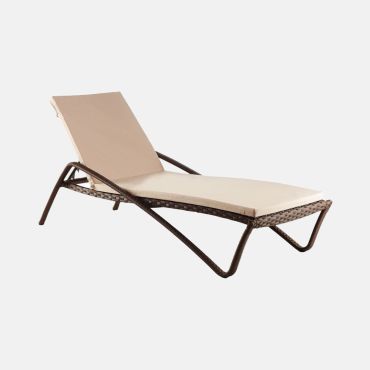
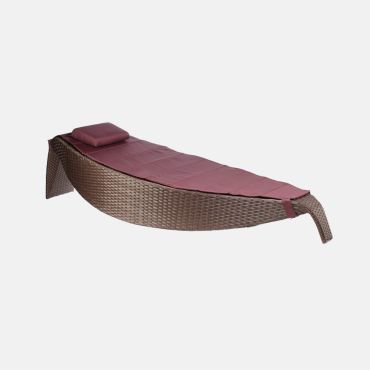
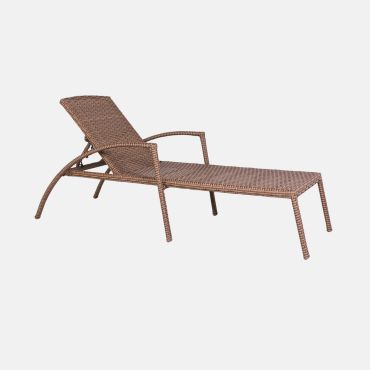
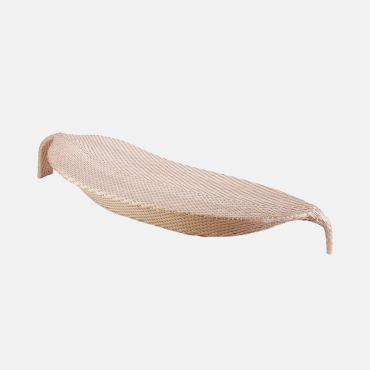
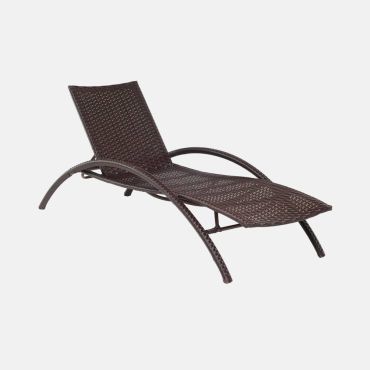
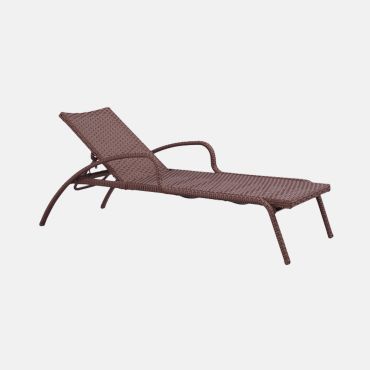
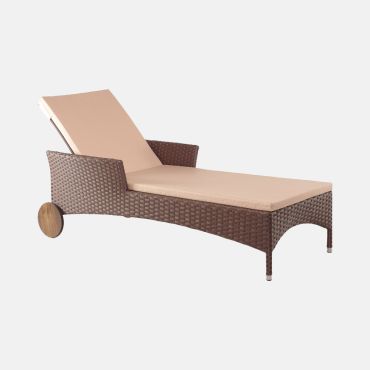
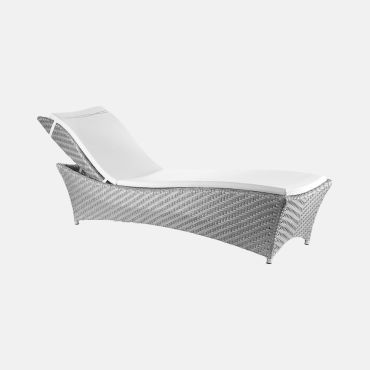
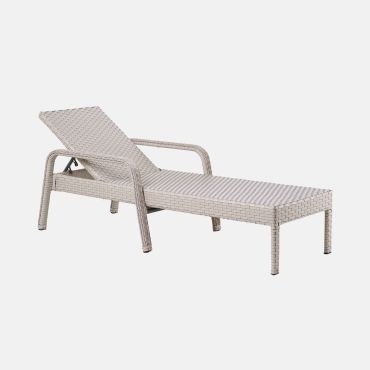
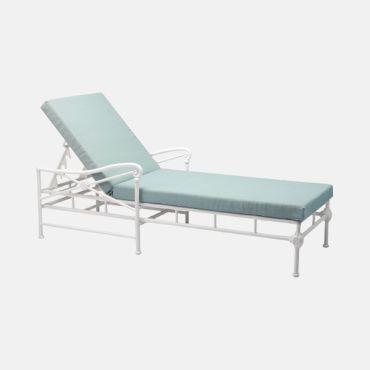
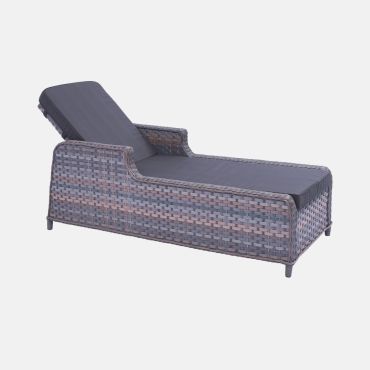
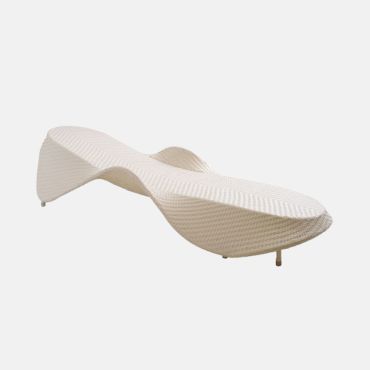
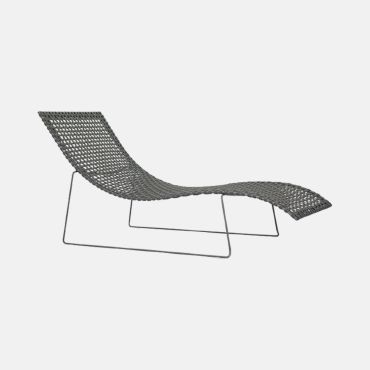
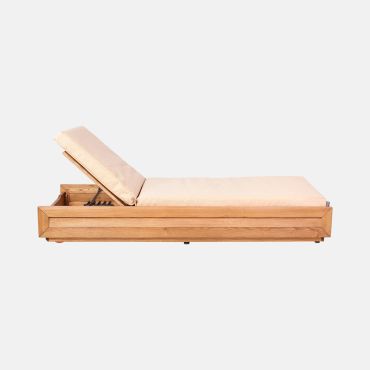
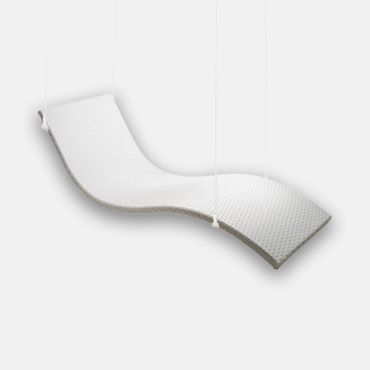
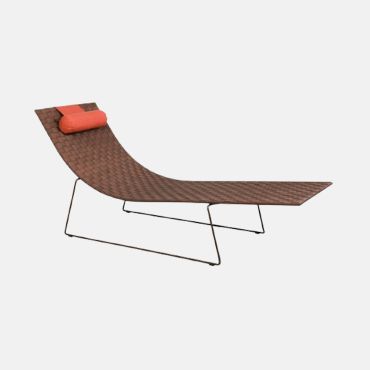
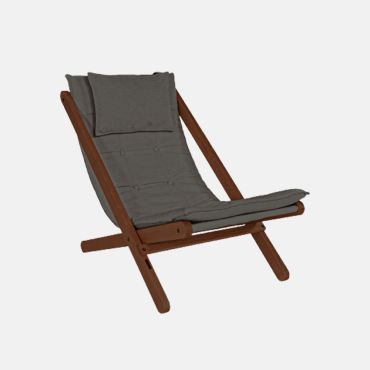
GARDEN SUN LOUNGERS: HOW TO BUY A GARDEN SUN LOUNGER THE RIGHT WAY AND CHOOSE THE RIGHT RELAXATION FORMAT WITHOUT MAKING A MISTAKE
If you want to buy a garden sun lounger, compare garden sun loungers, understand the difference between a garden chaise chair format and classic models, and also figure out which garden loungers are truly comfortable in real-life use, this article is for you.
In recent years, the attitude toward outdoor furniture has changed noticeably. People are arranging balconies, terraces, yards, and poolside areas not as temporary summer decoration, but as a полноценная part of the home. In recommendations for choosing an outdoor chaise lounge, the same criteria come up again and again: comfort, durability, easy maintenance, backrest adjustment, resistance to moisture and sun, and ease of moving. These are exactly the factors most often named as essential in both practical guides and user discussions.
The problem is that many purchases disappoint not because of poor quality, but because of choosing the wrong format. A person wants to lie by the pool but buys a garden chaise chair that is too upright. Or the opposite — they choose long garden loungers for a small balcony where it then becomes impossible to walk around. The material is also often underestimated: wood requires more attention, textilene is not comfortable for everyone, and constructions that are too light sometimes lose in stability. That is why, before you buy a garden sun lounger, you should look not only at the photos, but at your actual lifestyle scenario.
In this article, we will break down which garden sun loungers look appropriate and last well, how different types of construction differ, which material is worth choosing for a specific space, when a garden chaise chair is the better fit, when full-size garden loungers make more sense, and why a lounger should be not just beautiful, but comfortable specifically for the way you live.
WHY GARDEN SUN LOUNGERS HAVE BECOME A BASIC ITEM FOR THE TERRACE, GARDEN, AND YARD
THIS IS FURNITURE NOT FOR DECOR, BUT FOR A SPECIFIC RELAXATION SCENARIO
A garden table is needed for breakfast, conversations, or dinner outdoors. A bench is for a short sit. A sofa set is for company. But garden sun loungers work differently. They are made so you can stretch out your legs, change the reclining angle, read, sunbathe, nap, or simply lie in the open air. In outdoor chaise lounge buying guides, a reclining backrest, leg support, and the ability to shift from sitting to lying down are described as the main differences between a lounger and an ordinary chair.
This matters because people often try to replace a lounger with “something similar.” For example, a wide chair, a low bench, or a deep outdoor chair. But if the goal is true semi-reclined relaxation, that replacement almost always loses. That is exactly why it makes sense to buy a garden sun lounger not as a decorative gesture, but as a solution for a very specific function that other furniture simply does not provide.
A GOOD LOUNGER CHANGES THE WAY YOU USE YOUR SPACE
Many terraces and yards look beautiful but are rarely used. There is a furniture set there, but for some reason relaxation still happens inside the house. The reason is often simple: the space lacks a piece that invites you to stay longer. That is the role garden sun loungers play.
In user discussions about outdoor furniture, people often say that as soon as a truly comfortable lounger appears, the yard or terrace starts to function differently: people read there, work on a laptop, drink coffee, lie down after the pool, or simply spend quiet time outside. For this reason, garden loungers and sun loungers have long stopped being “hotel furniture” and have become a normal part of a private outdoor lifestyle.
WHAT IS THE DIFFERENCE BETWEEN A GARDEN CHAISE CHAIR, GARDEN SUN LOUNGERS, AND GARDEN LOUNGERS
A GARDEN CHAISE CHAIR SUITS MORE ACTIVE USE
The garden chaise chair format is an option for those who do not want fully horizontal rest, but rather a comfortable semi-reclined position. It usually has a more pronounced sitting posture, it is easier to get in and out of, it takes up less length, and it works better for balconies, compact terraces, and places where mobility matters.
This format works well for morning coffee, reading, short rest, or a calm conversation outdoors. If sunbathing and lying down for hours are not the main priority, but instead a comfortable position somewhere between a chair and a lounger matters more, a garden chaise chair is often a more accurate choice than a classic long model.
GARDEN SUN LOUNGERS ARE THE MOST UNIVERSAL OUTDOOR FORMAT
When people talk about garden sun loungers, they usually mean models with a long base, an adjustable backrest, and the ability to change body position. This is the most flexible option because it suits sitting, semi-reclined relaxation, and an almost horizontal position. Outdoor guides consistently describe backrest adjustment as one of the most useful features for everyday use.
If you want one piece that can cover different scenarios — from coffee on the terrace to sunbathing by the pool — then garden sun loungers usually offer the most freedom. This is the format for people who do not want a narrowly defined use case.
GARDEN LOUNGERS ARE A FORMAT FOR MAXIMUM RELAXATION
The search term garden loungers is more often associated with more horizontal rest. Here the main focus is on an extended body position, relaxation, sun, and spending a long time in one spot. These models are especially logical by the pool, in a large garden, or on a wide sunny terrace.
But garden loungers are not always the most convenient choice for small spaces, for people who need to sit down and stand up easily, or for those who want furniture that can quickly adapt to different situations. That is why before buying, you need to honestly answer whether you need a more universal lounger or specifically a reclined model for complete relaxation.
WHEN IT REALLY MAKES SENSE TO BUY A GARDEN SUN LOUNGER
IF YOU ALREADY HAVE A PLACE FOR QUIET OUTDOOR RELAXATION
Not every yard or balcony automatically needs a lounger. But if you have a space where you genuinely spend time — a terrace, patio, garden area, poolside deck, or a wide sunny balcony — then it makes sense to buy a garden sun lounger. In that case, the furniture does not simply “decorate” the area, but strengthens an already existing use scenario.
Loungers work best where there is pause. Not movement, not a quick step outside, but actual rest. If you are already used to sitting outdoors, reading, drinking coffee, looking at the garden, or spending quiet time after work, good garden sun loungers will almost always be used frequently.
IF YOU NEED FURNITURE NOT FOR GUESTS, BUT FOR YOURSELF
Many people buy outdoor furniture as if it is only “for when someone comes over.” As a result, the space gets filled with chairs or benches that are rarely used. But to buy a garden sun lounger is a choice in favor of personal comfort. It is not for a big group. It is for real relaxation for one person or a couple.
That is why one good lounger can sometimes bring more value than an extra set of garden chairs. If it is mainly you who uses the terrace or garden, and not just guests a few times per season, then garden loungers and sun loungers often work better than abstractly having “more furniture.”
WHICH MATERIAL TO CHOOSE FOR EVERYDAY USE
ALUMINUM — WHEN YOU WANT LESS MAINTENANCE AND MORE PRACTICALITY
Aluminum garden sun loungers are often considered one of the most convenient solutions for an outdoor area. In user discussions, powder-coated aluminum is regularly described as a practical choice because of its corrosion resistance, lighter weight, and relatively easy maintenance. The same is emphasized in material guides for outdoor chaise lounges.
For the buyer, this means something simple: if you do not want extra hassle, aluminum is often the easiest option. It works well by the pool, on the terrace, or on an open yard platform. These garden sun loungers are easier to move, and visually they fit well into both modern and neutral outdoor spaces.
TEXTILENE — FOR THOSE WHO CARE ABOUT QUICK DRYING
In loungers, textilene is appreciated because it breathes, dries quickly, and does not require a separate mattress. In material descriptions, it is regularly characterized as resistant to water, wear, and UV exposure. That is exactly what makes it convenient for pools, sunny terraces, and open outdoor areas.
If you do not want to remove cushions separately, dry mattresses, or move textiles before the rain, a garden chaise chair or lounger with textilene often turns out to be the smartest choice. It gives comfort without an extra layer of maintenance.
WOOD, ESPECIALLY TEAK — BEAUTIFUL, BUT NOT MAINTENANCE-FREE
Wooden garden loungers usually look warmer and feel more premium. This is especially true for teak, which outdoor guides consistently describe as a durable material for outdoor use. But at the same time, sources clearly note that wood ages naturally, may turn gray, and requires at least some maintenance if you want to preserve its color and neat appearance.
That is not a disadvantage in itself. It simply means you should honestly understand whether you are ready for that format. If you like natural texture and do not mind occasional care, wooden garden sun loungers can be a wonderful option. But if you want to “place it and forget it,” then aluminum or polymer-based outdoor solutions are usually a better fit.
HDPE AND OUTDOOR POLYMERS — A CHOICE FOR DURABILITY AND SIMPLICITY
Modern outdoor polymers and HDPE are often recommended for outdoor furniture as a low-maintenance solution with solid resistance to moisture and sun. In material comparisons, UV-resistant plastics and polyethylene are mentioned as durable options for loungers, especially where furniture remains outdoors all the time.
But quality matters critically here. Cheap plastic and high-quality HDPE are not the same category. If you are looking at polymer garden loungers, you need to assess not only the appearance, but also the thickness of the material, the rigidity of the construction, the fixings, and the overall sense of sturdiness.
WHICH STRUCTURAL DETAILS TO CHECK BEFORE BUYING
BACKREST ADJUSTMENT MATTERS MORE THAN DESIGN
A beautiful silhouette matters, but in a lounger, the main thing is not the image — it is the body position. Buying guides constantly recommend checking the number of backrest positions because that determines whether it will be comfortable to read, recline, sunbathe, or nap. Usually this means several incline levels, not just one fixed angle.
So if you plan to use the lounger regularly, a model without proper adjustment almost always loses. Good garden sun loungers should adapt to your day, not require you to adapt to one single position.
WHEELS ARE NOT NECESSARY FOR EVERYONE, BUT THEY OFTEN SAVE THE DAY
While a lounger is new, mobility seems secondary. But once you need to move it with the sun, shift it under a canopy, or change the terrace layout, this detail immediately becomes important. In outdoor chaise lounge recommendations, wheels are directly mentioned as a useful option for a large yard, terrace, or pool area.
If you have a large open space, to buy a garden sun lounger with wheels is often smarter than choosing a very beautiful but heavy stationary model. Without mobility, comfort can sometimes disappear in the very first season.
SEAT HEIGHT MATTERS FOR EVERYDAY COMFORT
Low models can look striking, but not everyone finds them easy to get up from. This is especially important if the lounger will be used by older adults, pregnant women, people with back strain, or anyone who simply does not feel comfortable with a very low seat.
That is why a garden chaise chair or lounger should be judged not only by style. It is important to imagine the actual movement: sit down, lean back, get up. If that scenario already feels inconvenient at the description stage, it is better to look at another format.
A MATTRESS IS NOT ONLY ABOUT SOFTNESS, BUT ALSO ABOUT MAINTENANCE
In user discussions about outdoor loungers, the same idea comes up again and again: some people want maximum softness, but just as many deliberately look for models without a cushion so they do not have to dry, bring in, and store separate textiles. That is why the choice of a mattress is not about “more expensive or cheaper,” but about the way you use the furniture.
If practicality matters most, textilene or a well-designed surface without a mattress often works better. If the top priority is softness and a hotel-like feel, then you also need to accept the added maintenance from the start.
HOW TO MATCH GARDEN SUN LOUNGERS TO DIFFERENT SPACES
FOR A SMALL BALCONY
On a small balcony, full-size garden loungers often look attractive only in theory. In practice, they eat up usable space, make movement difficult, and quickly become irritating. In that case, a compact garden chaise chair or a model that can be folded or easily moved makes much more sense.
The key here is not to buy furniture “for the dream of a large terrace” if your actual space has a different scale. On a small balcony, one comfortable compact piece is better than a large lounger that physically makes the area hard to use.
FOR A TERRACE BY THE HOUSE
On a terrace, you can already allow for full-size garden sun loungers with a longer base, adjustable backrest, and wheels. Here the piece becomes part of a broader composition: a side table, outdoor rug, planters, blanket, or floor lantern can appear nearby.
If the terrace is at least partially covered, even better. Then the lounger suffers less from rain, it is easier to store a mattress or cushions, and the garden loungers themselves keep a neat appearance longer without extra rituals.
FOR THE GARDEN
In the garden, a lounger should be not only beautiful, but also mobile enough. If you want to move it with the sun or occasionally change its location, you should pay attention to weight, wheels, and base rigidity. On grass or uneven surfaces, legs that are too delicate are not always practical.
That is exactly where it is especially appropriate to buy a garden sun lounger with a good reserve of practicality. Here, a romantic image loses if the furniture is hard to drag around or stands unstably on the ground.
FOR THE POOLSIDE AREA
By the pool, garden sun loungers made of materials that dry quickly and are easy to clean work best. In discussions about terrace furniture, users often choose models without extra cushions, with thoughtful ergonomics, light weight, and easy cleaning.
For this scenario, aluminum or quality outdoor polymers are usually more practical than softer or more demanding constructions. If the lounger is constantly in contact with moisture, functionality matters more here than decoration.
HOW TO FIT A LOUNGER INTO DIFFERENT SPACE STYLES
MODERN TERRACE
For a modern terrace, the best fit is usually minimalist garden sun loungers with clean lines, calm geometry, and materials without excessive decoration. An aluminum frame, restrained textile, and a neutral palette all look more precise than overloaded design.
If the house façade is modern and there is a lot of stone, concrete, wood, or large-format tile around, the lounger should also stay simple. In this kind of environment, restraint looks stronger.
NATURAL GARDEN WITH A WARM CHARACTER
In a green garden or yard with lots of wood, grass, and softer textures, wooden garden loungers or loungers in a warm palette look especially logical. Here, what matters is not technical sharpness, but a sense of natural ease.
But this is exactly the kind of space where you need to be honest about maintenance. If you love the image of warm wood but do not want to maintain anything, it is better to look for a compromise in neutral modern materials instead of choosing wood only for the mood of the photo.
COMPACT URBAN BALCONY
On a city balcony, a garden chaise chair in a lighter format usually works best. One good piece gives more than several random ones. Here the lounger should not turn the balcony into a furniture storage area.
In a small space, a clean silhouette, mobility, and how easily you can move or remove the furniture really matter. That is why, in such conditions, a more compact chaise format often wins over a full reclined lounger.
MISTAKES THAT MAKE GARDEN SUN LOUNGERS DISAPPOINT QUICKLY
BUYING ONLY BY PHOTO AND STYLE
A photo does not show weight, rigidity, mechanism smoothness, backrest comfort, real width, or seat height. That is why even beautiful garden sun loungers can turn out to be uncomfortable within the first weeks of use.
Before buying, it is better to go through a simple checklist: are there several backrest positions, is it easy to get up, do you need a mattress, are there wheels, can you store the lounger in winter, and does it take up too much space? These are boring questions, but they are exactly what saves you from a bad purchase.
CHOOSING WOOD WITHOUT BEING READY FOR MAINTENANCE
Wooden garden loungers are beautiful, but not magical. They age, react to weather, and if preserving the color matters to you, they need care.
So if you do not want to invest in maintenance, it is better not to buy a wooden lounger only because it looks “warmer.” For many real yards and terraces, a more practical material will simply be the more honest choice.
IGNORING THE QUESTION OF STORAGE
Even if outdoor furniture is designed for outdoor use, it lasts better when it receives at least basic care and is not left without attention during the off-season. We recommend regular cleaning, careful use of chemicals, and, if possible, protecting the furniture during periods of bad weather.
So if you have no space at all for seasonal storage or at least a protective cover, that does not mean you cannot buy a lounger. But it does mean that you should buy a garden sun lounger made of the simplest, most resistant, and least demanding materials possible.
WHY IT MAKES SENSE TO BUY A GARDEN SUN LOUNGER AT MAIIMO
NOT ONLY FUNCTION MATTERS, BUT ALSO HOW THE PIECE LOOKS IN THE SPACE
A lounger is not a small accessory. It is a large object that strongly affects the visual balance of a terrace, yard, or balcony. That is why it matters not only that it is comfortable, but that it also looks appropriate next to the other furniture, lighting, and decor.
That is exactly why it makes sense to buy a garden sun lounger at MAIIMO if you want not just a random outdoor item, but a piece that helps shape the space. When the selection is thoughtful, the lounger does not feel alien or temporary.
AN OUTDOOR ZONE WORKS BETTER WHEN IT IS COMPOSED AS A WHOLE SCENE
A lounger almost never exists completely on its own. A side table, planters, textiles, lighting, and maybe even a dining group or sofa zone usually appear around it. If you choose from a platform that works on a broader level than one isolated category, it becomes easier to build a relaxation area without stylistic conflict.
In this sense, garden sun loungers at MAIIMO are not just a catalog item, but part of a broader outdoor logic. For the buyer, that is more convenient and more precise.
IT IS EASIER TO FIND A BALANCE BETWEEN STYLE, MATERIAL, AND DAILY PRACTICALITY
With loungers, it is very easy to go to extremes. Either you choose something too decorative and uncomfortable, or the opposite — something purely technical that ruins the look of the terrace. A good choice is always somewhere in the middle: the piece should be comfortable, durable, and visually appropriate.
That is why both a garden chaise chair and full-size garden loungers are best chosen in a place where there is a sense of proportion. For MAIIMO, that is a natural format: not a random outdoor assortment, but a piece that truly works in real life.
10 FAQ
IS THERE A DIFFERENCE BETWEEN GARDEN SUN LOUNGERS AND GARDEN LOUNGERS?
Yes, there is a difference, although in everyday speech these words are often mixed. Garden sun loungers are usually more universal: they more often have adjustable backrests, several sitting and reclining positions, sometimes wheels, and a construction designed for different relaxation scenarios. Garden loungers are more often understood as a format for more horizontal, calm relaxation.
In practice, the choice depends on how exactly you plan to use the furniture. If you want to read, sunbathe, and also simply sit on the terrace, garden sun loungers usually win. If the main scenario is lying by the pool or in the garden, then it is more logical to look at garden loungers.
WHEN IS IT BETTER TO CHOOSE A GARDEN CHAISE CHAIR INSTEAD OF A FULL LOUNGER?
A garden chaise chair is better when the space is small or when it is important for you to sit down and stand up easily. It suits balconies, compact terraces, reading corners, and situations where you do not plan to lie fully horizontal for long periods.
A full lounger is stronger by the pool, in a spacious garden, or on a large terrace where there is enough space for a long construction. But if you want a more flexible use scenario and fewer placement problems, a garden chaise chair often turns out to be more practical.
WHAT IS THE BEST MATERIAL IF I WANT MINIMAL MAINTENANCE?
If your main priority is simplicity, then aluminum, textilene, and quality outdoor polymers usually win. Aluminum is practical because of corrosion resistance, and textilene because of its quick drying, UV resistance, and ease of cleaning.
For real everyday use, this means the following: if you do not want to think about your lounger all the time, it is better to choose a material that does not ask for much attention. In exactly that case, to buy a garden sun lounger made of aluminum or textilene is usually the calmest solution.
DO I HAVE TO GET A MATTRESS OR CUSHION?
No, not necessarily. Many buyers deliberately look for garden sun loungers without separate cushions so they do not have to dry them after rain or store them separately. In discussions about pool loungers, this comes up very often: the less removable textile, the easier real-life use becomes.
A mattress is worth choosing only if you truly need maximum softness and are ready for extra maintenance. If you just want to lie down and use the lounger without rituals, textilene or a well-designed ergonomic surface often provides enough comfort even without it.
ARE WHEELS NECESSARY IF THE LOUNGER WILL STAY ON THE TERRACE?
If the terrace is small and the lounger will stay in one place all season, wheels are not critical. But if the space is large, open, or you want to move the furniture with the sun or under a canopy, this detail is very useful. In buying guides, wheels are often named as a real advantage for outdoor chaise lounges.
In practice, wheels often become valuable only after purchase, when the furniture needs to be moved not just once, but regularly. That is exactly why it is worth at least considering whether to buy a garden sun lounger with wheels if your relaxation zone is large or flexible.
CAN GARDEN SUN LOUNGERS STAY OUTSIDE ALL SEASON?
In most cases, yes, because that is what they are made for. But outdoor use does not mean complete absence of maintenance. We recommend cleaning the surfaces from time to time, avoiding aggressive chemicals, and, if possible, protecting the furniture during long periods of bad weather.
So the answer is this: garden sun loungers can stay outside, but they last longer and perform better if you do not treat them as completely invulnerable objects. This especially applies to wood, fabrics, and complex mechanisms.
HOW MANY BACKREST POSITIONS DO YOU REALLY NEED?
It is most convenient when there are several positions rather than just one. If the backrest barely changes, the piece quickly becomes less universal. Good garden loungers and sun loungers provide several use scenarios, and that is what makes them comfortable not just for the first two days, but throughout the whole season.
WHAT IS BETTER BY THE POOL: WOOD, ALUMINUM, OR TEXTILENE?
For poolside use, aluminum, textilene, and quality outdoor polymers are usually the most practical. These materials dry faster, are easier to clean, and require less additional care. This directly matches both user advice and the logic of material guides for poolside furniture.
Wood can also work by water, but then you need to be ready for more careful maintenance. If you want the most trouble-free scenario possible, garden sun loungers made of more technical, quick-drying materials usually perform better by the pool.
IS IT WORTH CHOOSING WOOD IF I LIKE A NATURAL LOOK?
Yes, if you genuinely like the natural aging of the material and do not mind occasional maintenance. In other words, wooden garden loungers are a good choice not for everyone, but for those who consciously want wood specifically. If what matters most is the image, but not the care process, then it is better to look for a visually warm but easier material.
HOW CAN I TELL IF A LOUNGER WILL BE COMFORTABLE WITHOUT TESTING IT IN PERSON?
Start with the basics: seat height, construction length, whether it has armrests, the number of backrest positions, surface material, weight, and wheels. These are the factors that matter most for comfort.
Then you need to honestly match the model to your own scenario. If you plan to read and sit more often, a garden chaise chair or a lounger with a more upright sitting posture is usually better. If you want to lie in the sun or by the pool, you need full-size garden loungers or longer models with a smoother recline.
WHAT IS BETTER VALUE: ONE HIGH-QUALITY LOUNGER OR TWO SIMPLER ONES?
There is no universal answer here. If the relaxation zone will genuinely be used by two people at the same time, then two simpler but comfortable loungers may bring more value. But if the space is small and quality, durability, and one strong visual accent matter more, then sometimes it is smarter to choose one really good option.