Bedroom chandeliers
For place of sleep rest and pleasure
Bedroom chandeliers give the room a quieter rhythm: they soften the evening, help you get ready in the morning, and keep the area around the bed calm. Choose a chandelier for bedroom interiors by room proportions, ceiling height, and the lighting scenes you need. Let the beautiful silhouette be the final argument.
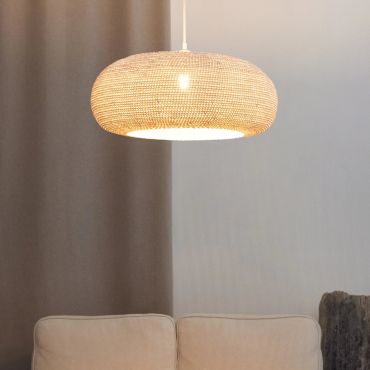

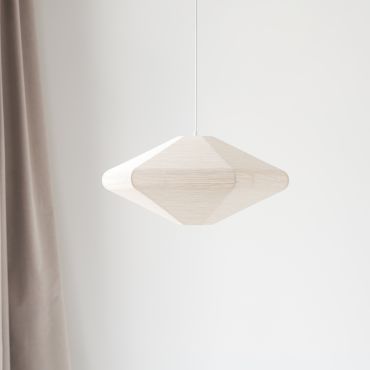
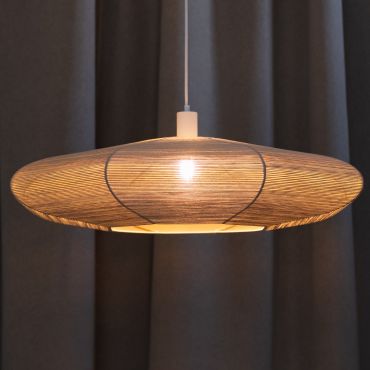

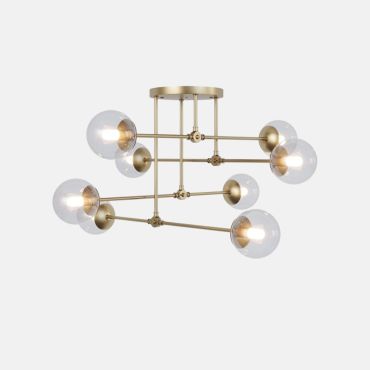

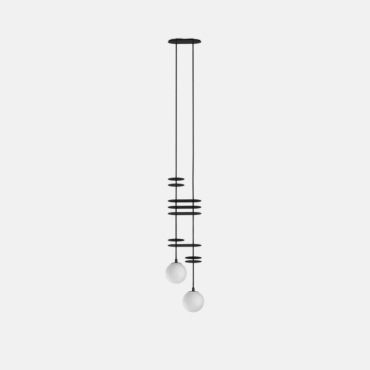

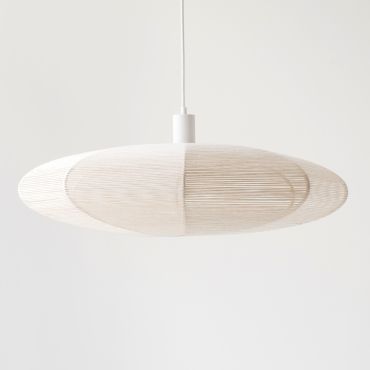

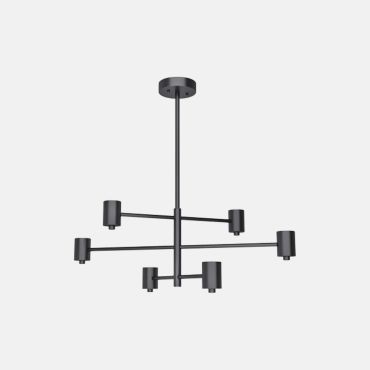
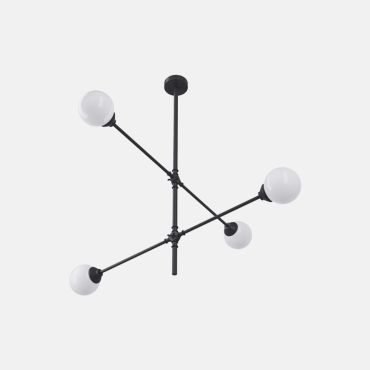

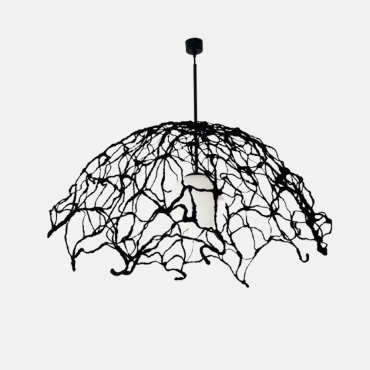
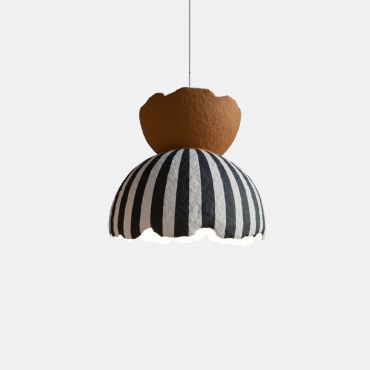

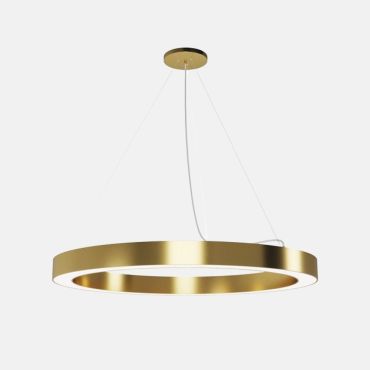
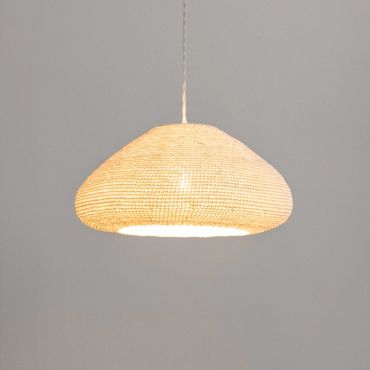

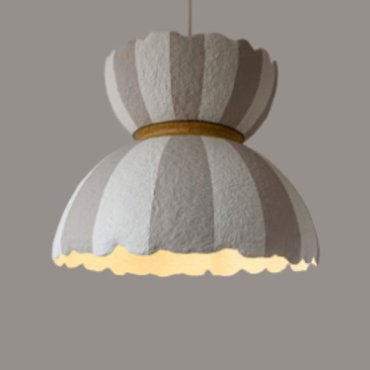
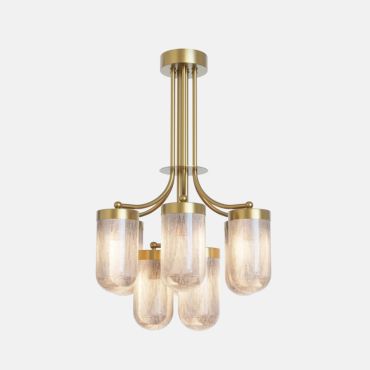


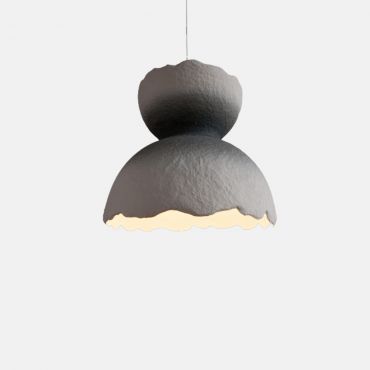




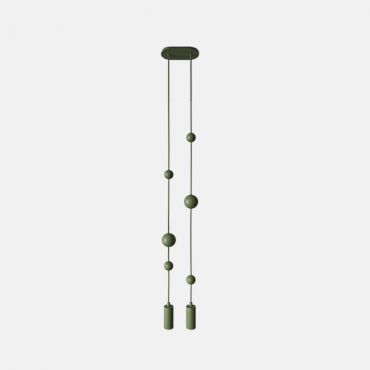
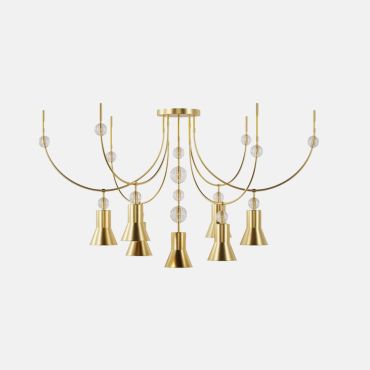

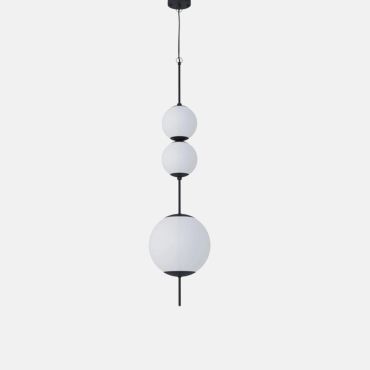
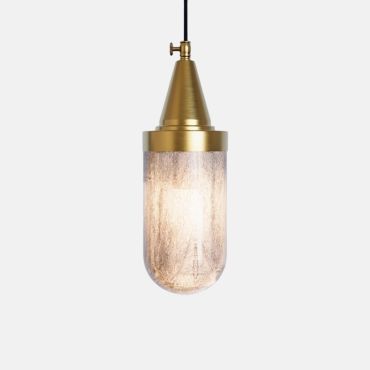
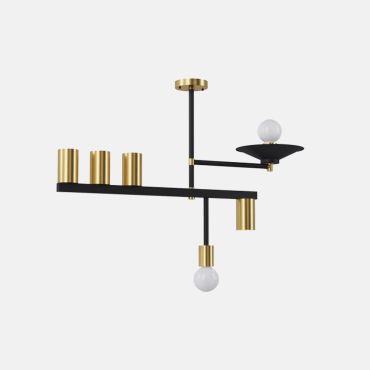
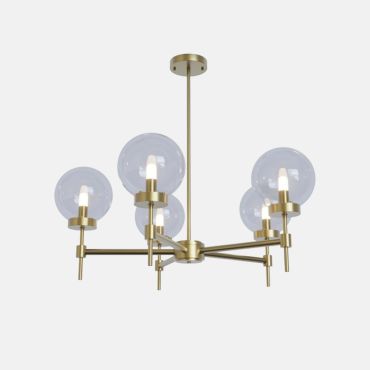

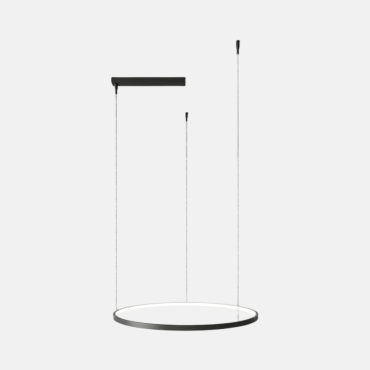
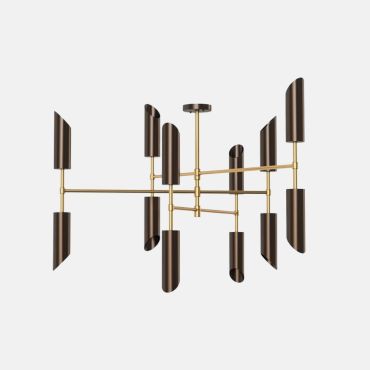
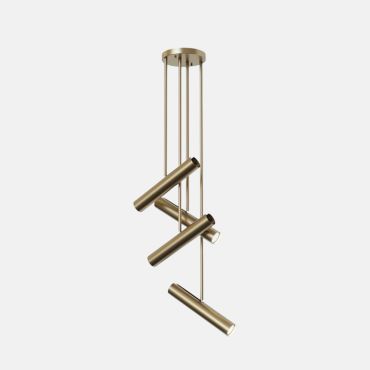
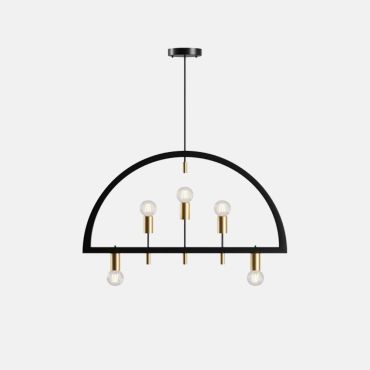
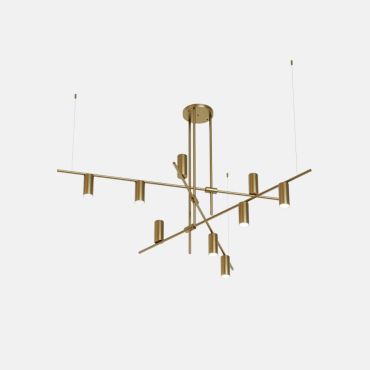
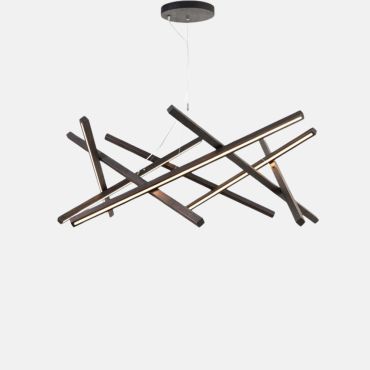

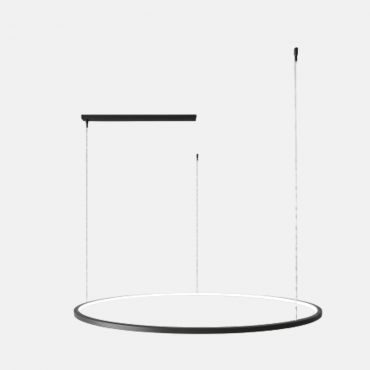
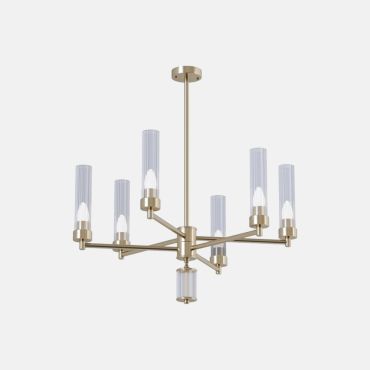
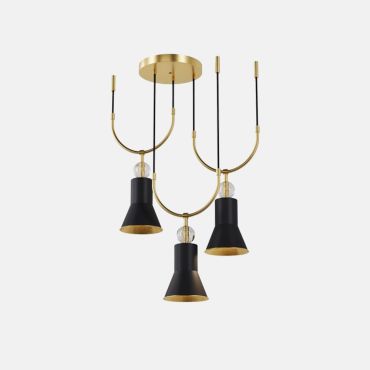
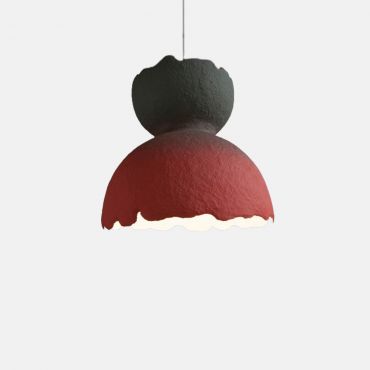
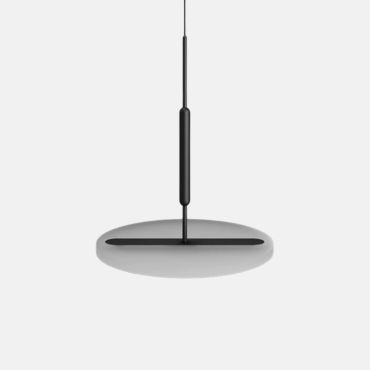

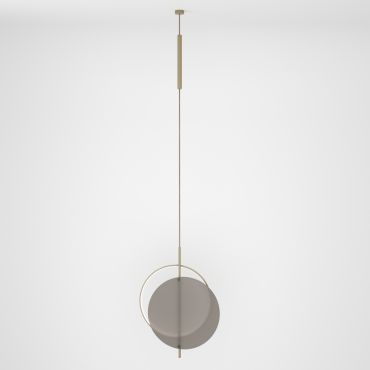
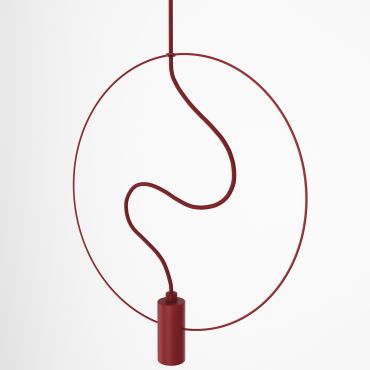
Bedroom chandeliers: how to choose light for rest
Bedroom chandeliers should work more gently than central lighting in a kitchen or home office. This room starts the day slowly and ends it in much the same way. A good design does not glare, draw harsh shadows, or demand every bit of attention. It provides even ambient light, supports the scale of the furniture, and leaves space for local sources beside the bed.
Before you buy a bedroom chandelier, map out a simple lighting routine. Where do you read? Is there a dressing table? Do you need to reach the door at night without turning on full brightness? Those answers narrow the choice quickly. Then assess diameter, body height, shade direction, lamp type, and controls. To compare a wider range of forms, browse all designer chandeliers.
If you are planning light for several rooms at once, also browse our living room chandeliers and wooden chandeliers — natural materials pair well with a bedroom.
What lighting does a bedroom need?
Bedroom lighting rarely feels comfortable when one fixture in the middle of the ceiling does everything. A chandelier anchors the room and supplies ambient illumination, but it cannot replace a reading lamp or a gentle night guide. The most useful arrangement has several independent layers. You can use more light in the morning and leave only local sources on at night.
When planning lighting for a bedroom, we recommend starting with movement rather than a catalogue. The route from the door to the wardrobe needs safe visibility. A mirror needs accurate colour rendering. Each side of the bed needs light that does not disturb the other person. This approach clarifies what the chandelier should do and what to add from the wider designer lighting collection.
Ambient, bedside, and accent lighting
Ambient, bedside, and accent lighting have different jobs. The chandelier provides orientation and overall balance, a wall or table lamp supports reading, and a small light on artwork, a niche, or a textured wall adds depth. When these layers switch independently, the bedroom changes naturally through the day and never asks one overpowered fixture to solve every task.
In a practical plan, a bedroom chandelier does not have to flood every corner equally. A gentle fall in brightness makes the room feel calmer, while local lamps cover specific tasks. If the central light is too bright, people stop using it in the evening. If it is too weak, dressing, cleaning, and judging clothing colours becomes awkward. Balance matters more than maximum output.
Warm light, colour temperature, and CRI
Warm light, colour temperature, and CRI influence a bedroom as much as the chandelier’s shape. A range of 2700–3000 K usually works well in the evening, creating warmth without an obvious yellow cast. More neutral light can be kept for mornings or the mirror area when the system allows separate scenes. One fixed cool setting is rarely the most comfortable answer for the entire room.
The colour rendering index describes how naturally bedroom light shows skin tones, textiles, timber, and paint. For a living space, look for CRI 80 or above. Near a mirror, wardrobe, or any area where colour matters, a value closer to 90 is preferable. This is why two lamps with the same colour temperature can make the room look remarkably different.
Dimmers, remote controls, and brightness scenes
Dimmers, remote controls, and brightness scenes are useful when they fit daily habits. A dimmer can reduce intensity before sleep, but it must be compatible with the lamps or LED driver in that exact model. An LED label alone does not promise dimming. Check this detail before installation, rather than after flicker, buzz, or an unusably narrow control range appears.
Remote control bedroom chandeliers can make sense when the wall switch is far from the bed or the fixture changes brightness and colour temperature. If you plan to buy a remote control bedroom chandelier, check that basic switching still works from the wall. A remote is not standard with every model. It should add convenience, not make the room dependent on a charged phone or a misplaced accessory.
How to choose a bedroom chandelier
How to choose a bedroom chandelier when dozens of forms look appealing? Begin with four measurable facts: room size, ceiling height, desired light output, and the mounting point. This removes designs that are too large, hang too low, or send light in the wrong direction. Style becomes the final filter, rather than the first impulse that dictates everything else.
When you intend to buy a bedroom chandelier online, draw the bed, wardrobe, walkways, and central axis on a simple plan. The fixture does not have to sit in the geometric centre of the room. The bed is often the visual centre, so the light point may shift accordingly. Agree on the position with the electrician early and check how wardrobe doors open.
Room size and chandelier diameter
Room size and chandelier diameter should read as one proportion. A useful starting guide is to add the room’s length and width in metres, then multiply the total by roughly ten. A 4 × 3 m bedroom suggests a diameter near 70 cm. This is not a universal rule. Adjust it for ceiling height, visual density, and the amount of open space around the fixture.
In a compact room, the bedroom chandelier diameter should be judged beside the bed. A wide structure made from fine elements can feel lighter than a smaller, dense body. Cut a circle from paper or mark the diameter with low-tack tape on the floor beneath the mounting point. This simple mock-up communicates scale far better than a product image without an interior reference.
Ceiling height and a safe chandelier drop
Ceiling height and a safe chandelier drop determine how freely you can move. In a walkway, the bottom edge is usually kept at least around 210 cm above the floor. A fitting centred above the bed can sometimes hang lower because no one walks beneath it. Still, allow for sitting up, changing bed linen, lifting a throw, and moving larger items through the room.
With a tall ceiling, the bedroom chandelier drop becomes part of the composition. A longer suspension fills the vertical space and gathers the bed zone, but it should not block a view of artwork, the headboard, or a television. If the model is adjustable, ask for minimum and maximum cable lengths before ordering. Product visuals often show only the most dramatic setting.
Light output and number of light sources
Light output and number of light sources are easier to compare in lumens than watts. For soft ambient bedroom light, a starting point around 100–150 lumens per square metre is often useful. Dark walls, tall ceilings, and enclosed shades may need more. Count bedside lamps separately when they are not designed to operate with the chandelier all the time.
A bedroom chandelier with bulbs is not automatically brighter because it has more sockets. Five low-output sources can be gentler than one intense lamp, and opal shades absorb part of the output. Check total lumens, beam spread, and the wattage limit of each socket. If bulbs are not included, choose one consistent series so colour, brightness, and dimming behaviour match.
Replaceable bulbs or an integrated LED module
Replaceable bulbs or an integrated LED module offer different kinds of freedom. A standard socket lets you change colour temperature, output, or lamp brand yourself. An integrated module can create a slimmer body and a continuous line of light. Its future service, however, depends on the fixture design, access to the driver, and the manufacturer’s parts policy.
If you want to buy a bedroom chandelier with bulbs, confirm the socket, maximum wattage, bulb shape, and shade dimensions. A large decorative bulb may not fit inside. With an integrated system, ask about module life, driver replacement, colour temperature, CRI, and dimmer compatibility. These specific answers matter more than the broad word “LED” on a product title.
Modern bedroom chandeliers: form and construction
Modern bedroom chandeliers can almost disappear or act as a sculptural object above the bed. Both approaches can be right. The decision depends on how much character already comes from the headboard, wardrobe, textiles, and art. If the furniture is expressive, a cleaner light feels calmer. In a neutral room, the chandelier can provide rhythm and a measured contrast.
Compact designs for low ceilings
Compact designs for low ceilings have a shallow installed height and spread light broadly. Look at the full body height, including the mount. A ceiling canopy, driver housing, or short stem can add several centimetres that are difficult to see in a front-facing photograph. In a bedroom, that small difference is visible and felt every day.
In a low room, a bedroom chandelier does not have to be narrow. A broad, shallow form can balance a double bed better than a tiny fitting in the centre. Avoid exposed bright diodes in the direct line of sight. The viewing angle changes when you lie down, and a source that feels comfortable while standing may glare from the pillow.
Expressive designs for high ceilings
Expressive designs for high ceilings work with the empty volume above the bed. Rings, a cascade, a group of globes, or a fine linear composition can all fill that space. The form should suit both the floor area and the height. A very slight fitting disappears, while an overly dense body visually lowers the ceiling and makes the bedroom feel heavier.
If you need a more local accent, consider pendant lights on one or both sides of the bed instead of one central bedroom chandelier. This is a different layout: it frees the surfaces of the bedside tables and creates a more intimate pool of light. You will still need a separate, even layer for cleaning and general orientation.
Shades, lampshades, and light direction
Shades, lampshades, and light direction shape the shadows on walls and ceiling. Opal glass softens brightness, fabric creates a warmer, enclosed feeling, and exposed lamps make a sharper pattern. Downward-only light can illuminate the bed effectively but leave the upper room dark. A combination of direct and diffuse light often feels more balanced in a bedroom.
A bedroom chandelier with shades must be checked from the bed. If the underside is open, the lamp may sit directly in your line of sight. If the shade is fully enclosed, make sure it is simple to remove and clean. Dust inside glass reduces output and becomes most visible precisely when the fixture is switched on.
LED bedroom chandeliers: what to check before buying
LED bedroom chandeliers offer slim forms, continuous light lines, and adjustable brightness in some designs. Assess them by lumens, colour temperature, CRI, driver type, dimming capability, and access to electronic parts. A well-designed body dissipates heat because LEDs still produce heat while operating. A thin profile is useful only when the thermal design and driver quality are sound.
When you plan to buy an LED bedroom chandelier, ask whether it remembers the last setting after being switched off. If it is a bedroom chandelier with backlight, test every mode separately. Predictable everyday control is more valuable than ten dramatic effects. Where colour temperature changes, examine the full range: a warm evening setting matters more than a cool maximum that may never be used.
To buy an LED chandelier for a bedroom without technical surprises, ask how the module and driver can be replaced. An integrated source does not automatically make a fixture disposable, but repairability varies. With remote control, confirm basic operation from the wall. With a dimmer, demand explicit compatibility in the specifications rather than assuming any LED driver will work.
Bedroom chandeliers for different interior styles
Bedroom chandeliers for different interior styles vary through proportion, material, rhythm, and light quality. Metal colour is only one part of the picture. The same black fitting may appear graphic in minimalism, industrial in a loft, or nearly invisible in a contemporary space. Look for a relationship with actual furniture and finishes instead of relying only on a style label.
Start with the largest surfaces: floor, walls, wardrobe, and bed. Then read the bedroom furniture as one composition. Where timber and textiles dominate, designer bedroom chandeliers can add a precise metal contrast. If the surfaces are cool and smooth, opal glass or a warm body finish can make the light feel softer.
Minimalism, Scandinavian style, and Japandi
Minimalism, Scandinavian style, and Japandi all favour clear geometry, but they use warmth differently. Minimalism suits a precise line or a simple ring. Scandinavian rooms welcome opal glass, pale timber, and soft diffusion. Japandi asks for calm asymmetry, natural tones, and a surface that feels crafted rather than excessively glossy.
For these spaces, modern bedroom chandeliers are usually strongest without many small decorative details. Simplicity does not mean anonymity. Character can sit in the proportion of a ring, the uneven rhythm of globes, or a thoughtful junction between materials. Light colour is especially visible here: a cool setting can flatten timber, linen, and softly textured plaster.
Soft contemporary and modern classic interiors
Soft contemporary and modern classic interiors suit rounded forms, opal glass, brass or bronze tones, and symmetry without ceremonial weight. The chandelier may echo the curve of a headboard or the rhythm of wall panelling. Crystals and decorative elements can work in small doses when they do not create sharp reflections in the direct field of view.
A bedroom chandelier in a modern classic room must be practical and decorative at the same time. Look at it switched off in daylight. Check whether the details are easy to clean and whether the body overwhelms a compact room. If mouldings, mirrors, and textiles are already expressive, a quieter fixture often produces a more mature result.
An accent chandelier in a neutral interior
An accent chandelier in a neutral interior can replace part of the decoration. A sculptural outline, coloured glass, or an unexpected rhythm of suspended parts becomes a point for the eye to return to. Keep other large pieces quiet and repeat the fixture’s colour or material only once or twice in smaller details. The bedroom stays calm while the chandelier still has presence.
When reviewing bedroom chandelier ideas, look beyond a front-facing product image. Ask for side, underside, and switched-off views. Those are the angles you will see from the bed and in daylight. Confirm the actual metal tone as well: warm gold, cool brass, and yellow coating can behave very differently beside timber, paint, and fabric.
Loft, mid-century modern, and eclectic interiors
A loft bedroom chandelier should not make the room feel like a technical space. Soften black metal, smoked glass, or an exposed frame with textiles, timber, and warm light. Choose matte, moderate-output bulbs when the lamps remain visible. A robust form can have character, but a bedroom still needs visual calm and a comfortable view from the pillow.
Mid-century modern welcomes a chandelier for bedroom schemes with opal globes, brass details, timber, or graphic arms. Eclectic rooms allow more freedom: a contemporary fixture can sit above a vintage chest, and coloured glass can meet a neutral headboard. Repeat one feature in handles, frames, or a small object so the combination feels intentional without becoming a literal matching set.
Chandelier care and ease of maintenance
Bedroom chandelier care is easier when every surface can be reached without dismantling half the fixture. Turn off the power and allow light sources to cool before cleaning. Wipe glass with a soft, non-abrasive cloth, treat metal only with a product suitable for its finish, and remove dust from fabric shades gently. Strong chemicals can alter sheen, colour, or protective coatings.
How to combine a chandelier with wall and bedside lamps
How to combine a chandelier with wall and bedside lamps? Divide the jobs first. The central light covers the room, wall lamps support reading, and a table lamp creates a softer evening pool. The fittings do not need to belong to one collection. A shared colour temperature, related metal tone, or a repeated round or linear shape is enough to connect them.
A bedroom chandelier with wall lights works better with independent controls. Ideally, local light can be switched from each side of the bed, while ambient light is controlled at the entrance and beside the sleeping area. When choosing bedside wall lights, look at beam direction: reading needs precision, while atmosphere calls for softer diffusion.
If wiring for wall lamps was not planned during renovation, pair the chandelier for bedroom interiors with table lamps. Check the shade height relative to the pillow so the source does not shine directly into your eyes. The surface of bedside tables still needs room for a book, water, and a phone, so an oversized lamp base is not always practical.
Bedroom chandelier installation and stretch ceilings
Bedroom chandelier installation and stretch ceilings need planning before the membrane is fitted. The chandelier attaches to a prepared platform or structural fixing on the base ceiling, never to the membrane itself. Position and height are set in advance. A thermal ring protects the opening, while the mounting type must suit the weight and construction of the exact fixture.
A bedroom chandelier for a stretch ceiling needs sufficient heat dissipation and a safe distance from the membrane. Take extra care with lamps directed upward and dense bodies that contain an electronic driver. LED does not mean zero heat. The chandelier manufacturer’s requirements must agree with the ceiling system, and electrical connections should remain accessible for future service.
Ask a qualified electrician to install the chandelier for bedroom use. The installer should check the fixing, cable size, earthing, dimmer compatibility, and driver position. Keep the assembly diagram for a heavy or complex design. After installation, confirm that the fixture does not sway, buzz, flicker, or overheat its canopy. These checks are easier before furniture returns to place.
Common mistakes when choosing a bedroom chandelier
Common mistakes when choosing a bedroom chandelier begin with buying from one photograph. Without scale, a small model can look substantial and a large one can appear weightless. Always check dimensions and mark them in the room. Buyers also compare watts instead of lumens and forget to view exposed lamps from the position of someone lying in bed.
Another mistake is making one bedroom chandelier the only source. The result is a choice between harsh overhead light and dressing or cleaning in gloom. Even a compact room benefits from two control levels: ambient and local. If you need spotlights, place them according to tasks rather than creating an even grid across the entire ceiling.
Check whether a remote control bedroom chandelier remembers its last scene and works with a normal switch. Otherwise, every start may return to the brightest or coolest setting. Do not buy a dimmer separately without matching the protocol and load. Incompatibility shows up as flicker, buzz, unstable starts, or a control range so narrow that dimming has little practical value.
Finally, do not choose bedroom chandeliers in isolation from the interior. A small form disappears above a wide bed, excessive decoration competes with an expressive headboard, and cool light can turn warm textiles grey. Place a metal sample, fixture image, and room palette together. This takes a few minutes and prevents a result that feels accidental every time the light is on.
Why buy a bedroom chandelier from MAIIMO
It makes sense to buy a bedroom chandelier from MAIIMO when appearance, origin, proportion, and the behaviour of light all matter. We bring together work by Ukrainian designers, manufacturers, and local studios and treat each model as part of an interior. Form, materials, technical parameters, and the way the object works beside a bed all influence our selection.
When you want bedroom chandeliers to buy, we can narrow the options by room area, ceiling height, mounting point, and preferred colour temperature. If possible, prepare a plan or photograph, the bed dimensions, and the floor-to-ceiling height. These details are enough to remove unsuitable models before delivery and focus attention on choices that will fit the actual room.
At MAIIMO, Ukrainian designer chandeliers can be coordinated with wall lights, table lamps, and furniture without making everything a matching set. We recommend finding one or two shared ideas: metal tone, geometry, or surface character. The bedroom then feels coherent without resembling a showroom display. Available options and order terms can also be checked for individual models.
If you want to buy a bedroom chandelier online, review production time, included components, packaging, and installation requirements. The MAIIMO team can clarify these details and arrange worldwide delivery. Before the final decision, compare the diameter, installed height, and light-source type once more. It is a calm, practical check that makes the purchase more precise.
Frequently asked questions
How do I choose a chandelier for a bedroom?
How do I choose a chandelier for a bedroom: 1) measure the room and mark the mounting point; 2) check ceiling height and safe clearance; 3) estimate the required lumen output; 4) choose a warm evening setting near 2700–3000 K; 5) decide whether you need dimming, remote control, or several scenes. Then compare form, material, and colour with the bed and other furniture.
What chandelier diameter works in a small bedroom?
What chandelier diameter works in a small bedroom depends on area, ceiling height, and the visual density of the design. As a starting guide, add room length and width in metres, then multiply by ten. Compare the result with the bed width. A visually light structure may be wider, while a dense body usually looks better at a more compact size.
What chandelier should I choose for a low bedroom ceiling?
What chandelier should I choose for a low bedroom ceiling: use a shallow installed body, broad diffusion, and a source that is enclosed or comfortably screened from view. Check the total height including the ceiling mount. A wide, flat form often balances the bed better than a very small fitting while preserving comfortable clearance through the room.
Which chandeliers work with a stretch ceiling?
Which chandeliers work with a stretch ceiling: designs that allow a secure platform, adequate heat dissipation, and the recommended clearances. The fitting attaches to the base ceiling, not the membrane. Agree on weight, mounting bar or hook, driver position, and lamp direction with the installer before the stretch-ceiling system is fitted.
What colour temperature is best for a bedroom?
What colour temperature is best for a bedroom: 2700–3000 K is usually comfortable for evening ambient and bedside lighting. It supports warm materials and avoids a harsh appearance. A more neutral scene can be planned separately for mornings, wardrobes, or mirrors. Sources that operate together should remain close enough in tone to avoid a visible colour conflict.
Can I fit a dimmer to a bedroom chandelier?
Can I fit a dimmer to a bedroom chandelier depends on compatibility across the whole system. The bulbs or integrated LED module, the driver, and the control must all support dimming. A basic LED label does not guarantee it. Match the control type and minimum load before installation to avoid flicker, buzz, or unstable behaviour at low brightness.
How do I combine a chandelier with bedroom spotlights?
How do I combine a chandelier with bedroom spotlights: let the chandelier handle ambient light, aim spots at the wardrobe, mirror, or walkway, and keep a local source by the bed. Avoid an even ceiling grid without a purpose. Several thoughtful groups with independent controls work better than one overly bright scene that treats every part of the room the same.
How do I combine a chandelier with bedside wall lights?
How do I combine a chandelier with bedside wall lights: align colour temperature, one material, or a repeated geometry without searching for a literal set. The chandelier lights the room, while wall lights support reading and a quiet evening mode. For a double bed, independent control on each side lets one person use light without disturbing the other.
How high should a pendant chandelier hang in a bedroom?
How high should a pendant chandelier hang in a bedroom depends on its position. In a walkway, the lower edge is generally kept at least around 210 cm above the floor. Above the bed it may hang lower if nobody can touch it while sitting up or changing linen. Test the final height with a simple mock-up in the actual room.
Where can I buy a Ukrainian-made bedroom chandelier?
Where can I buy a Ukrainian-made bedroom chandelier: MAIIMO presents models by Ukrainian designers, manufacturers, and local studios. Before ordering, you can check diameter, height, materials, light-source type, included components, and installation details. We can also help coordinate the chandelier with other lighting layers and arrange worldwide delivery.