Wooden coffee tables
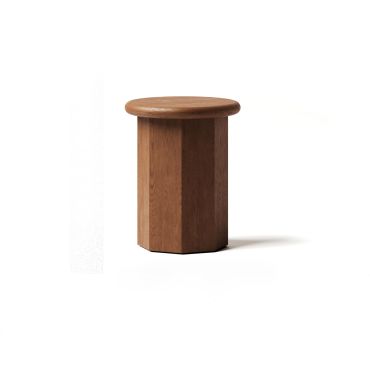
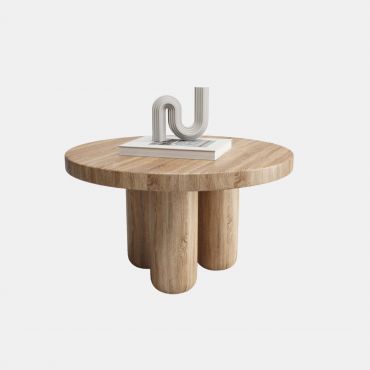
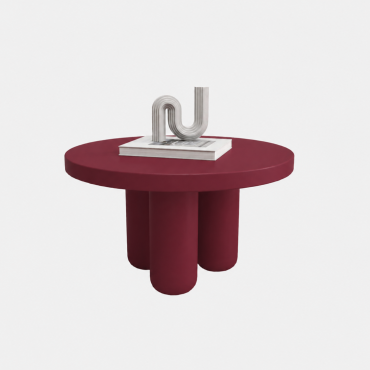
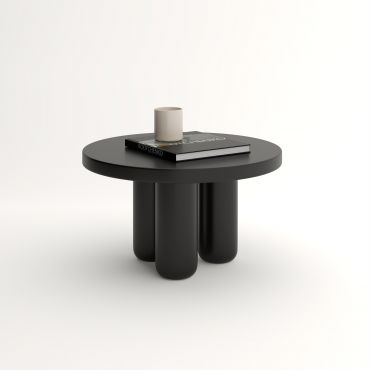
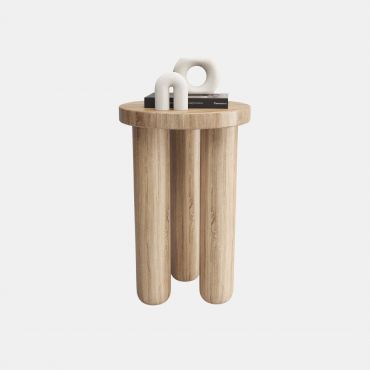
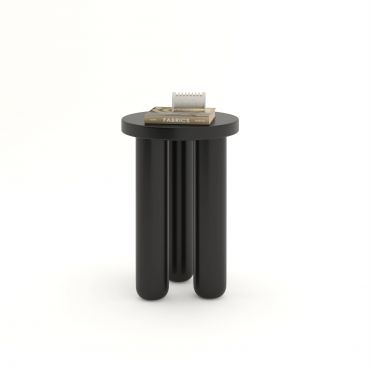
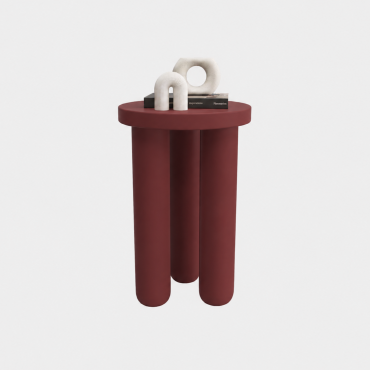
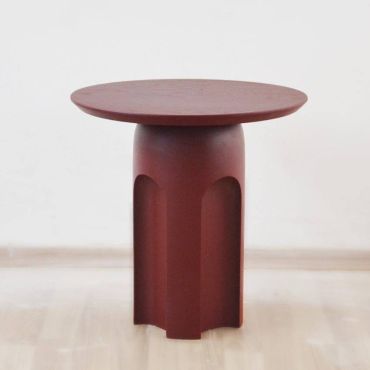
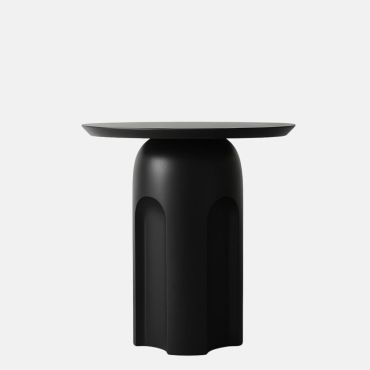
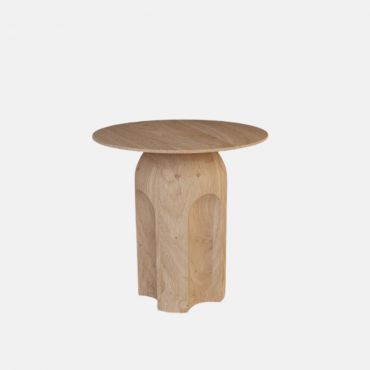
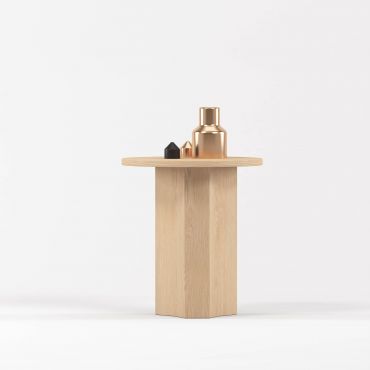
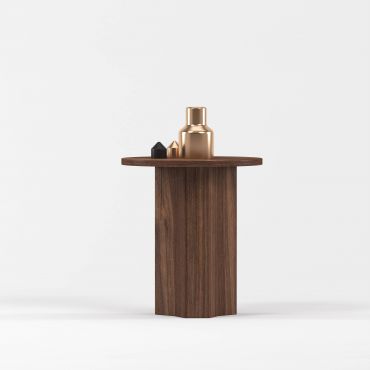
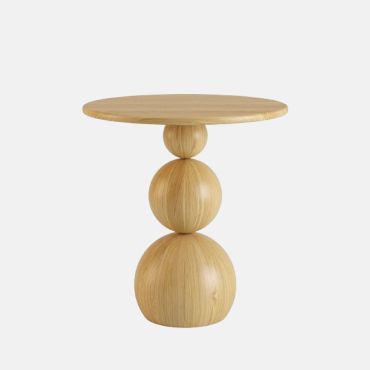
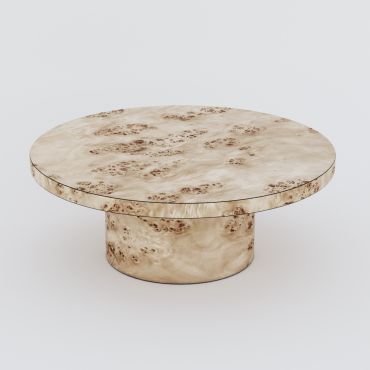
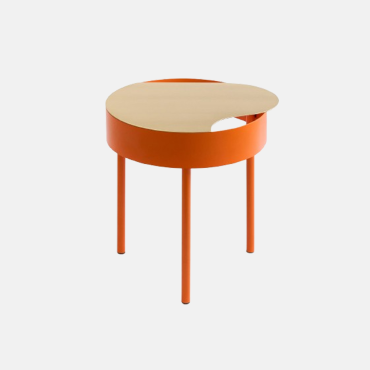
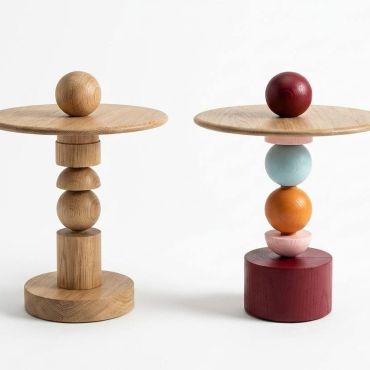
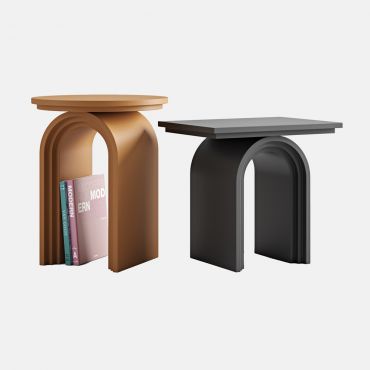
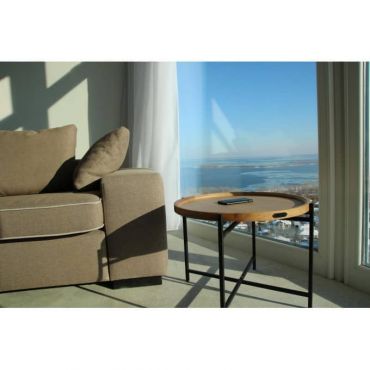
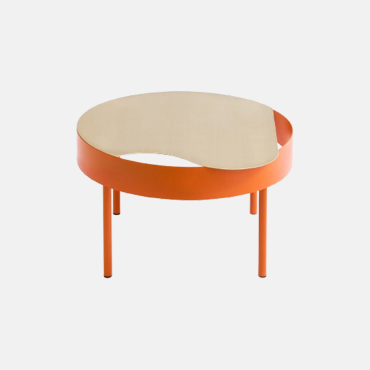
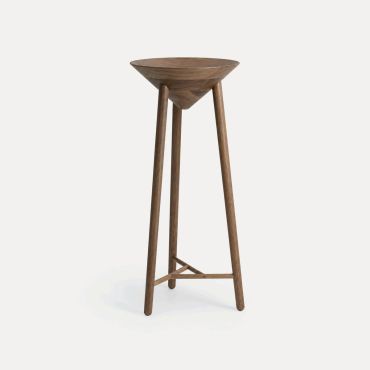
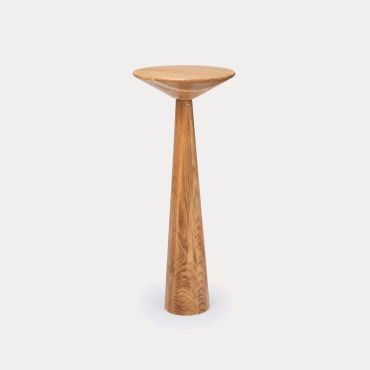
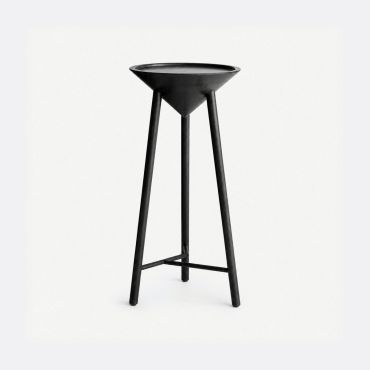
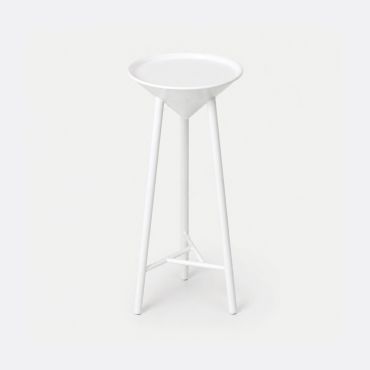
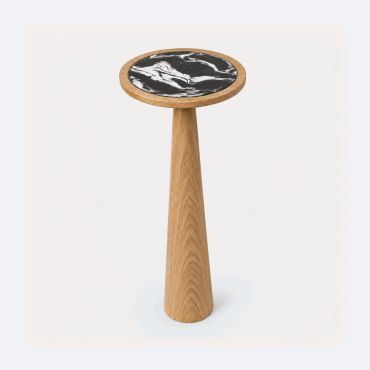
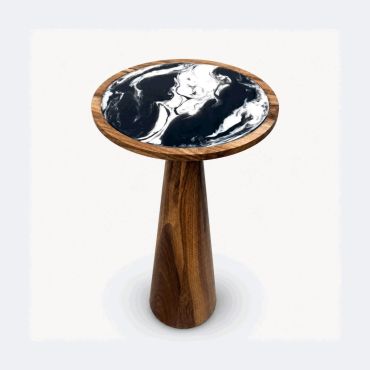
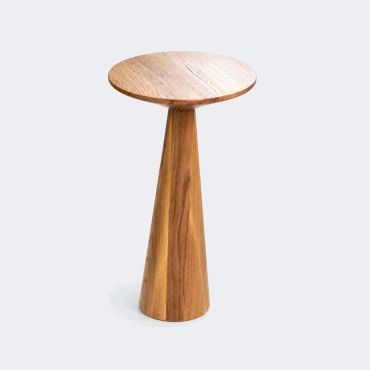
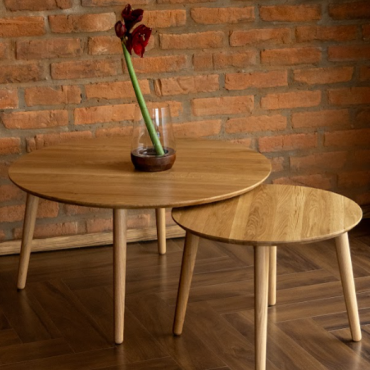
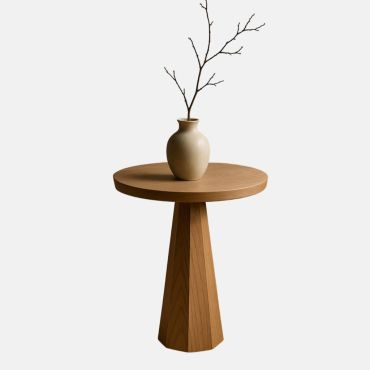
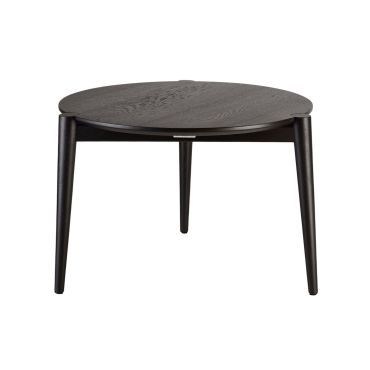
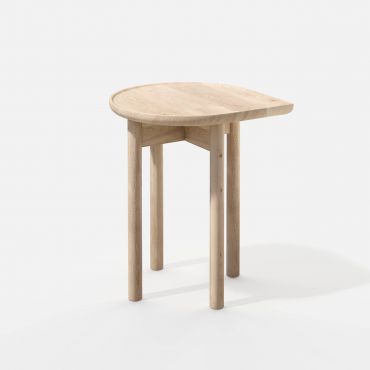
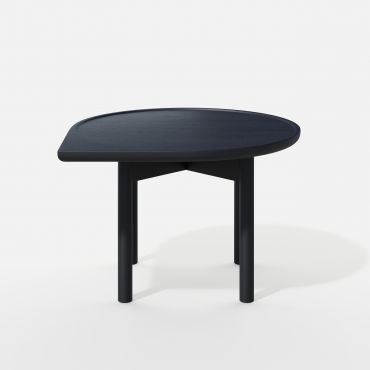
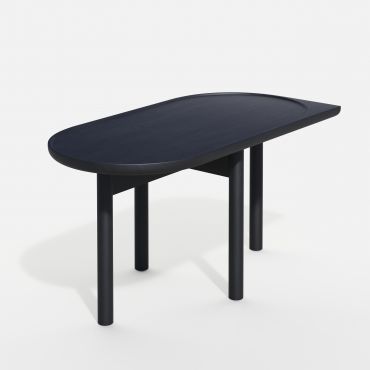
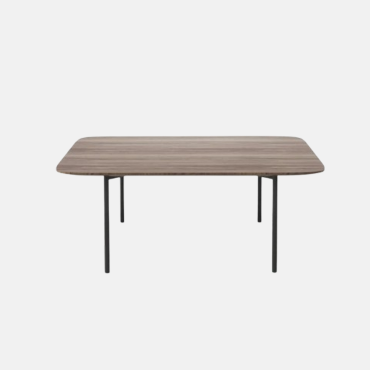
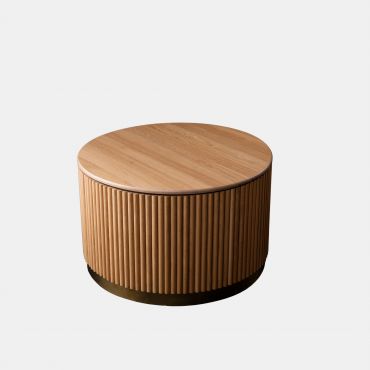
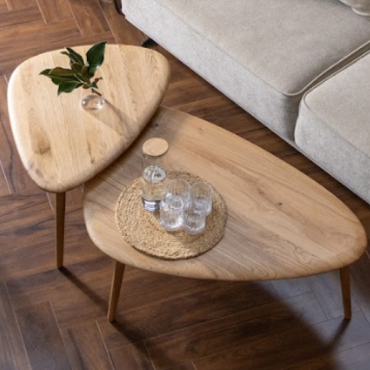
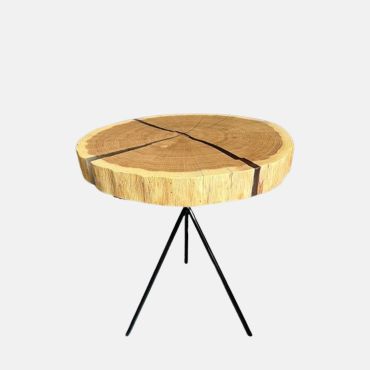
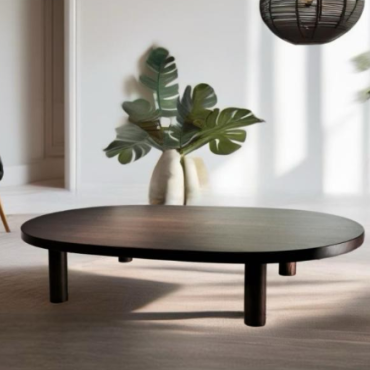
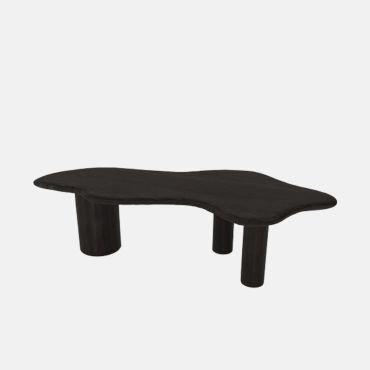
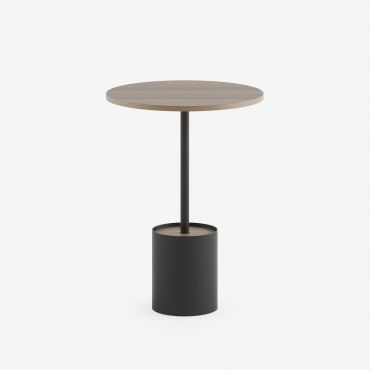
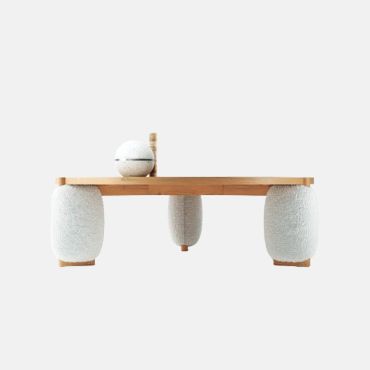
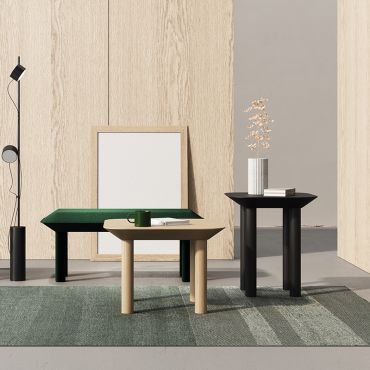
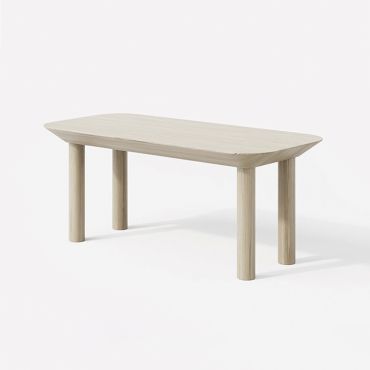
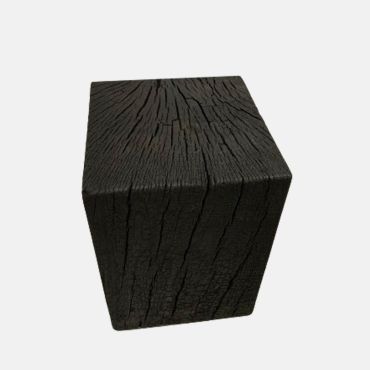
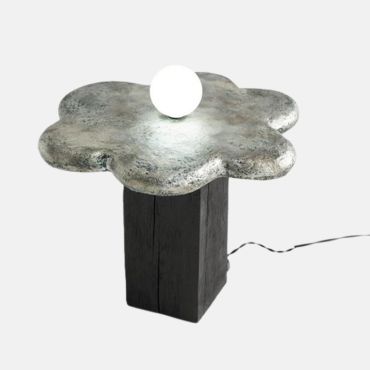
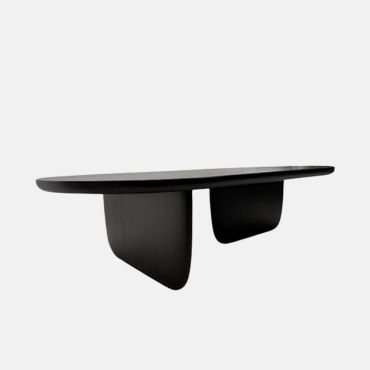
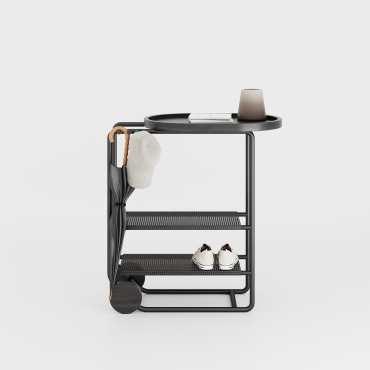
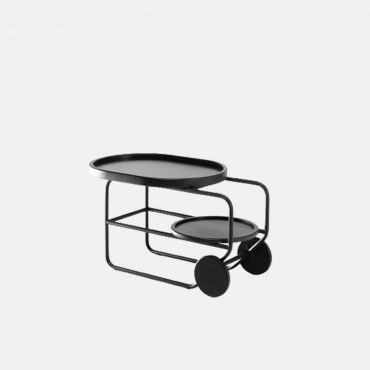
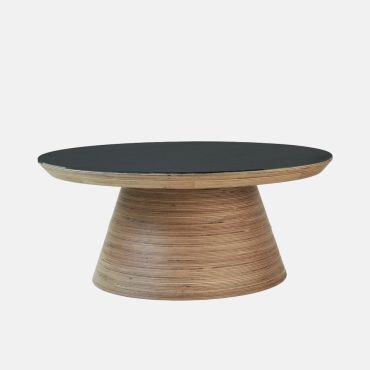
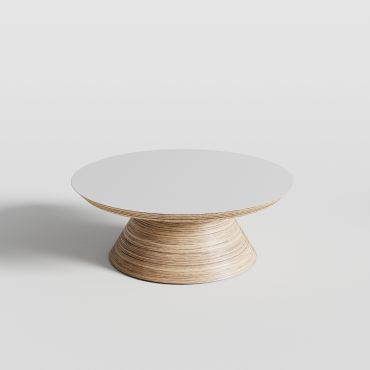
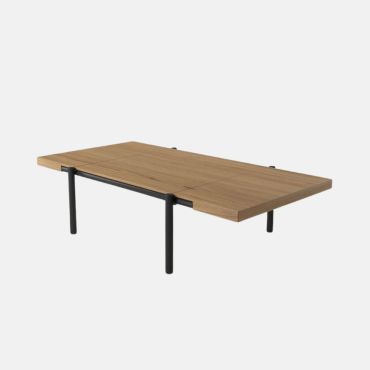
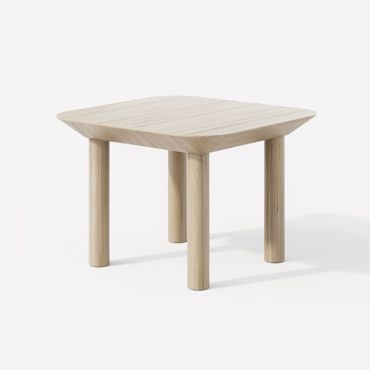
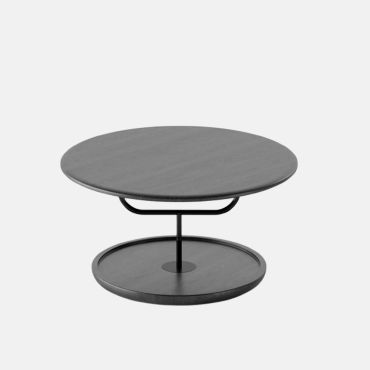
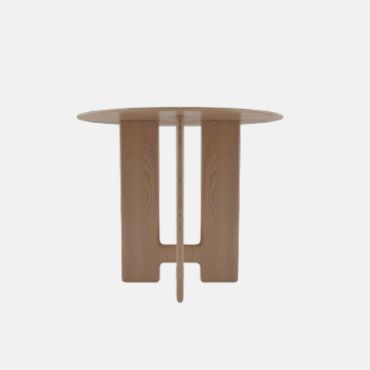
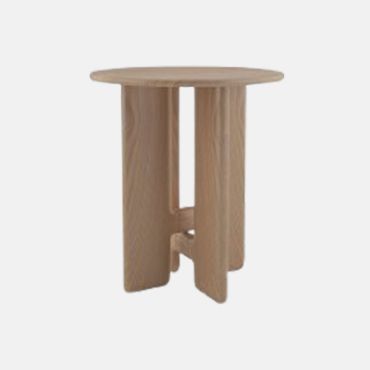
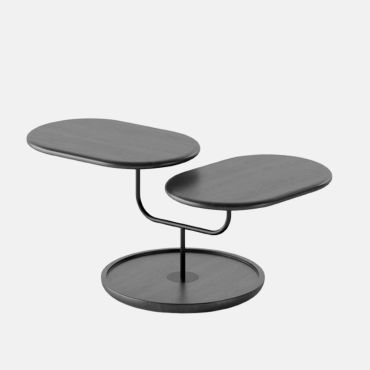
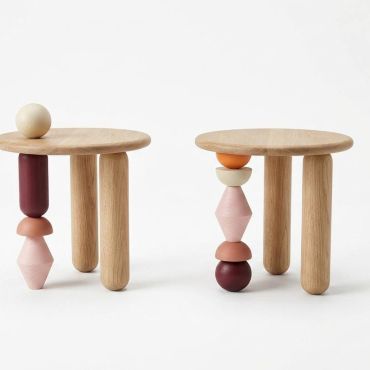
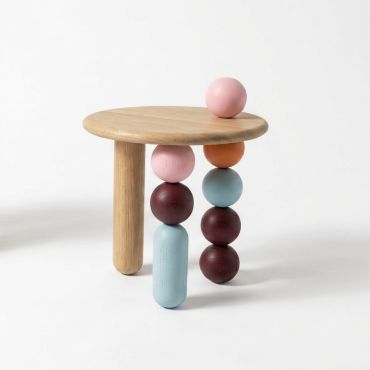
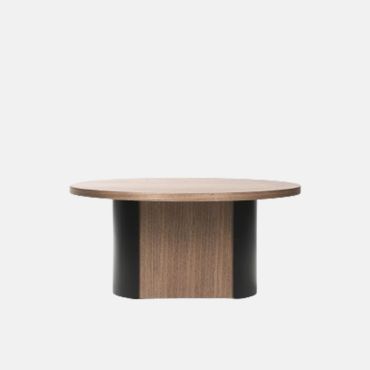

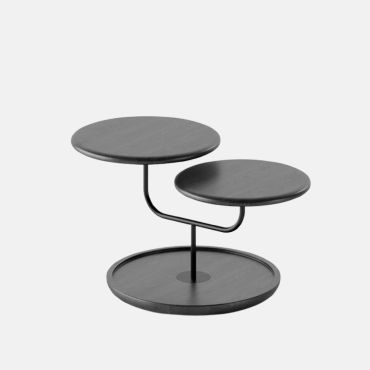
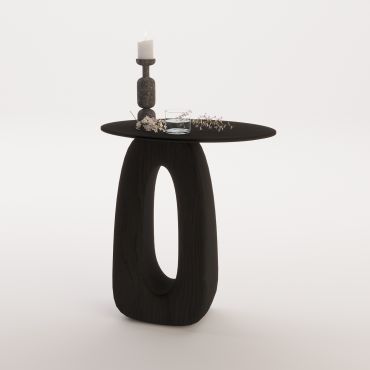
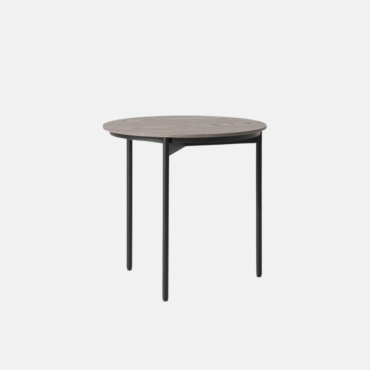
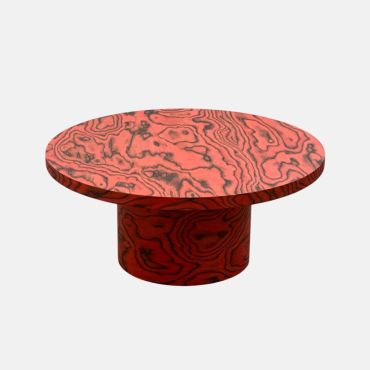
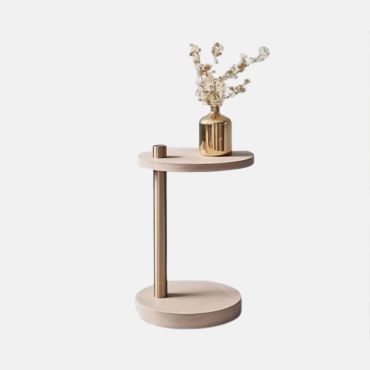
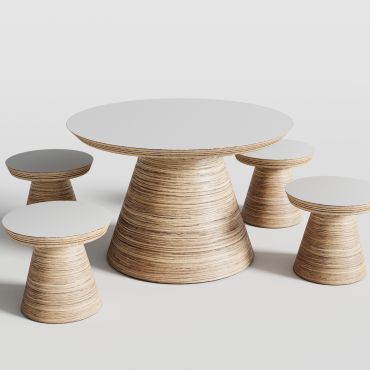
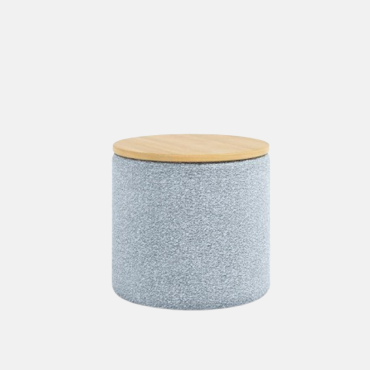
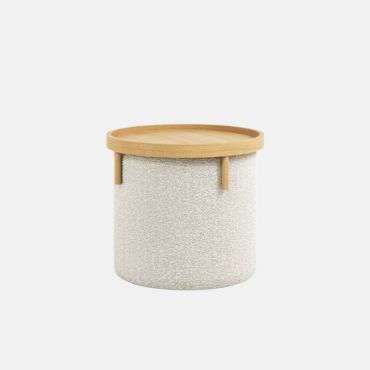
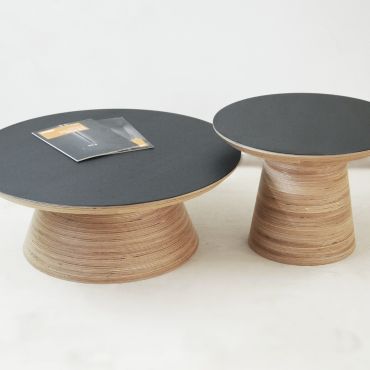
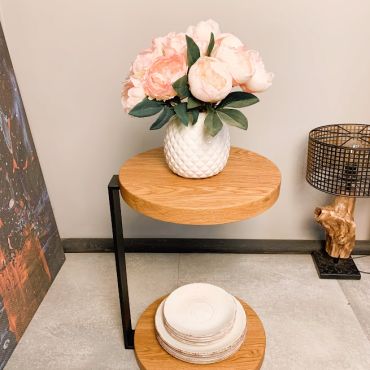
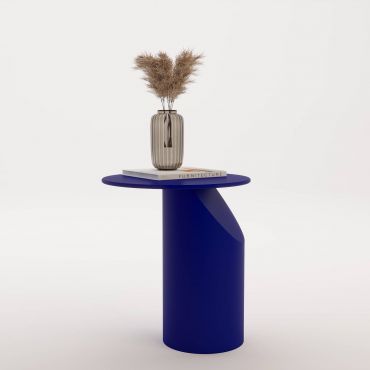

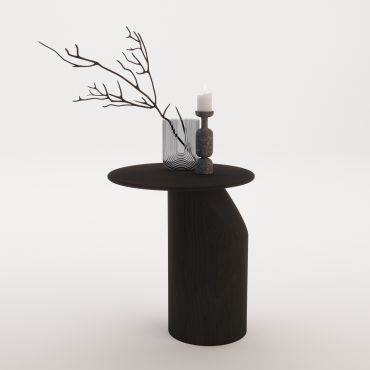
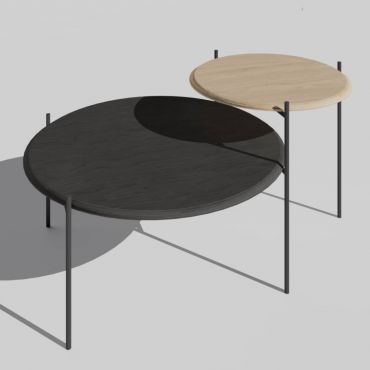
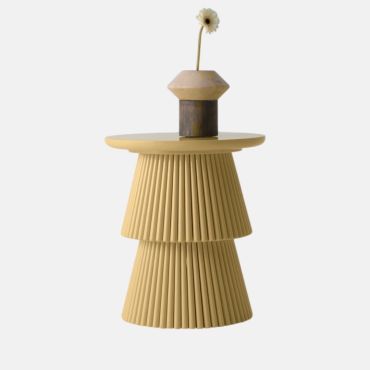
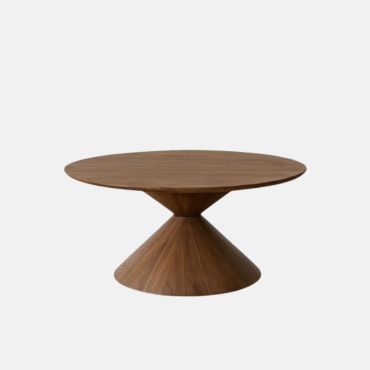
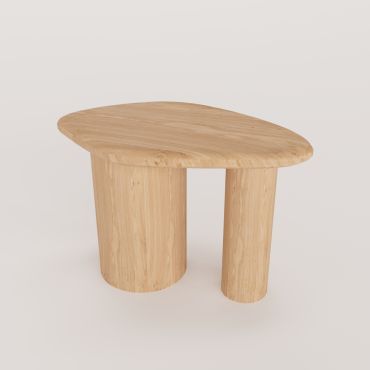
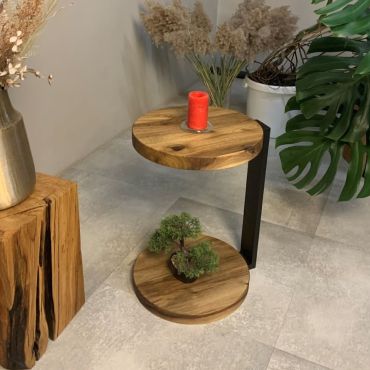
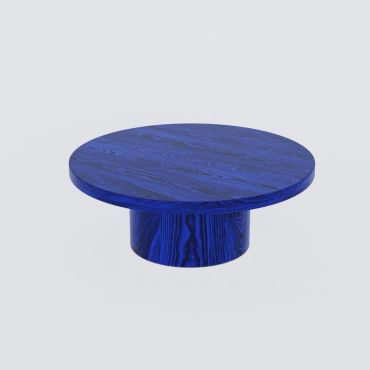
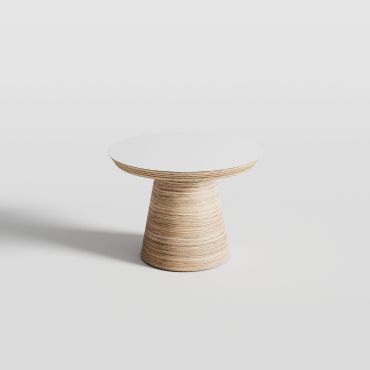
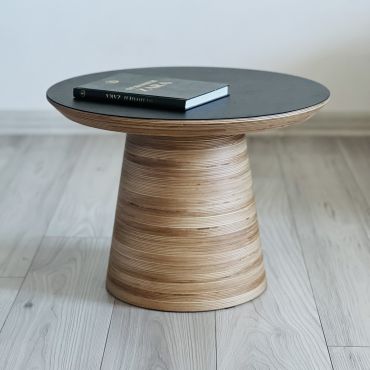
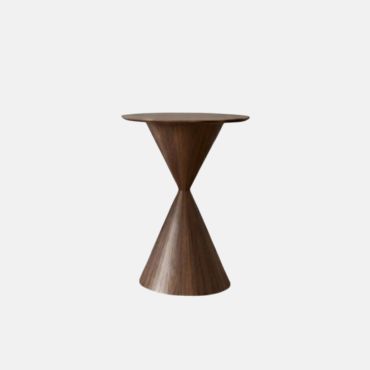
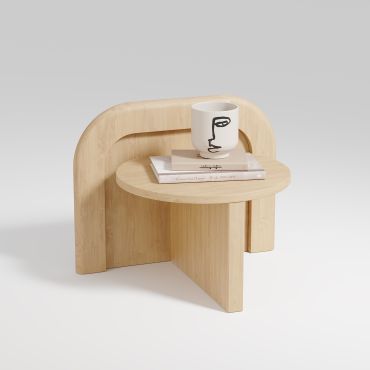
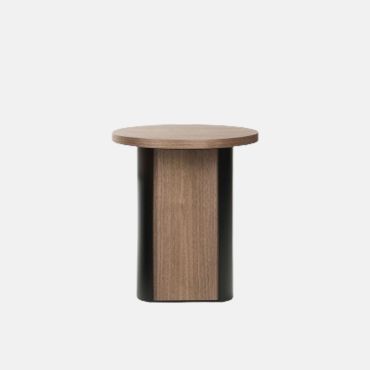
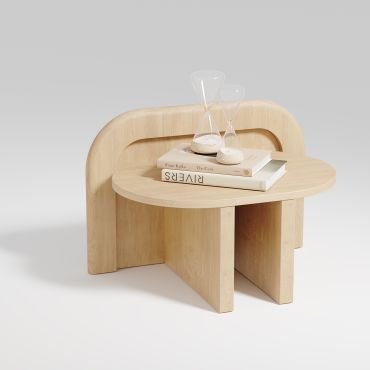
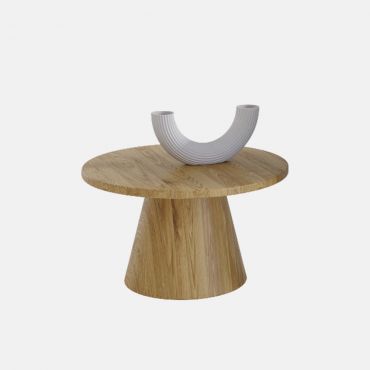
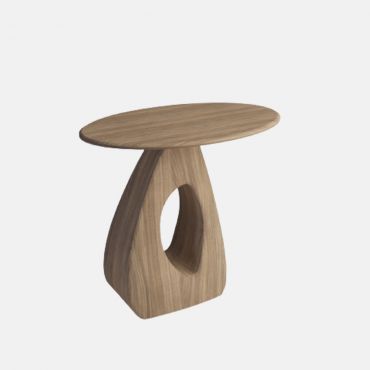
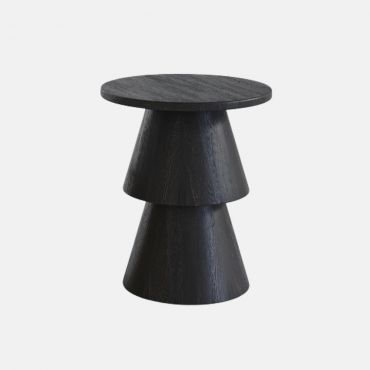
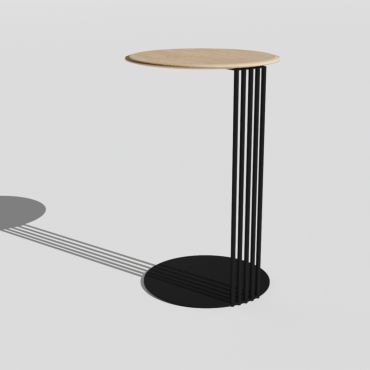
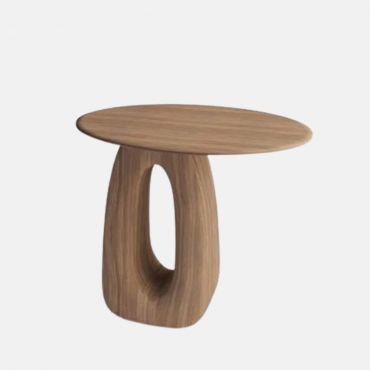
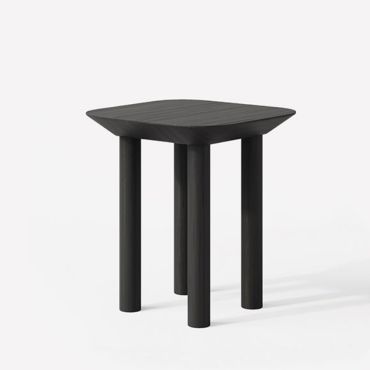
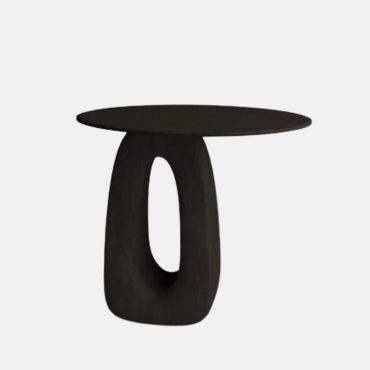
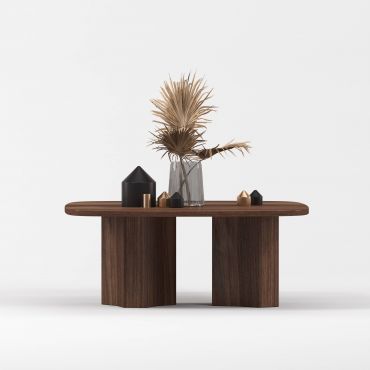
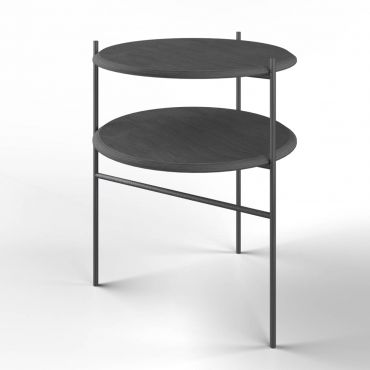
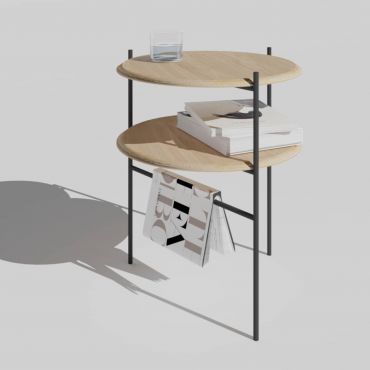
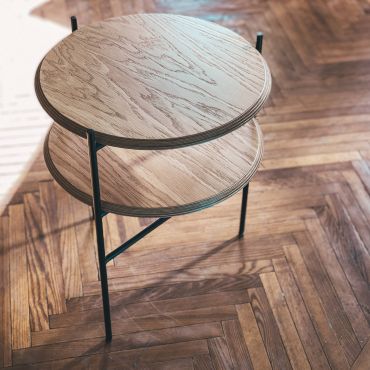
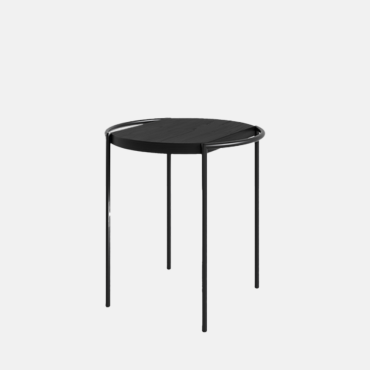
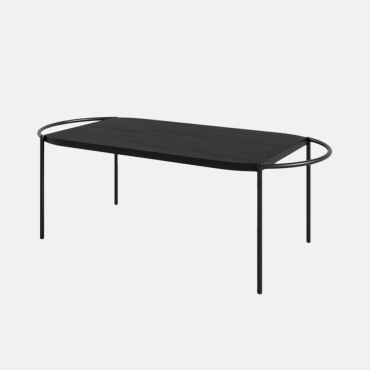
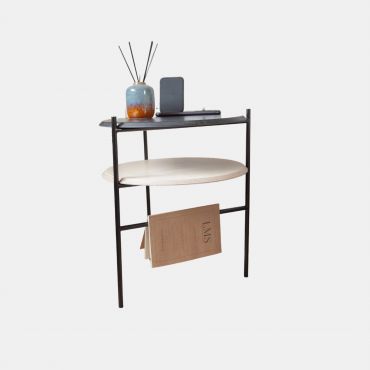
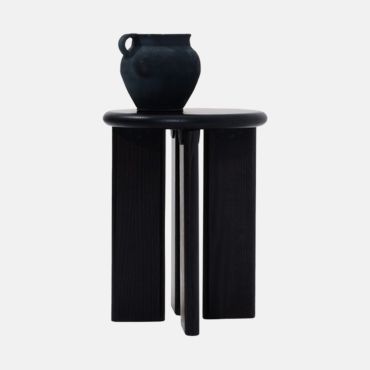
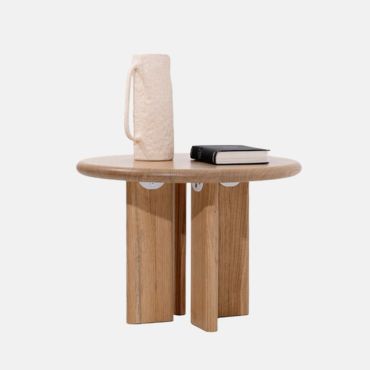
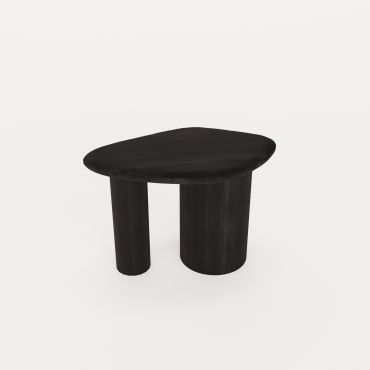
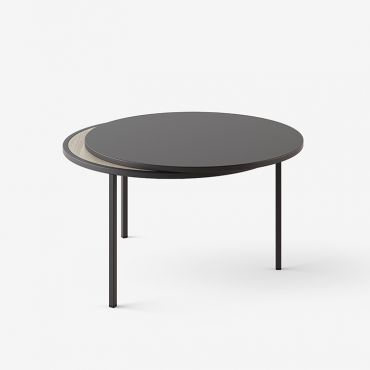
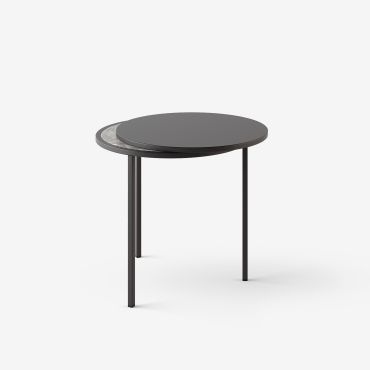
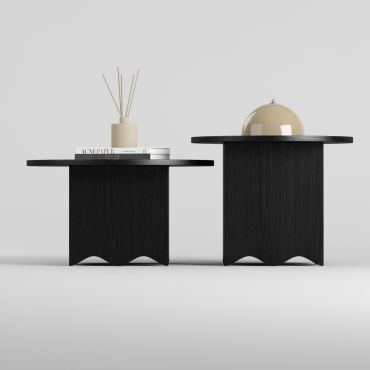
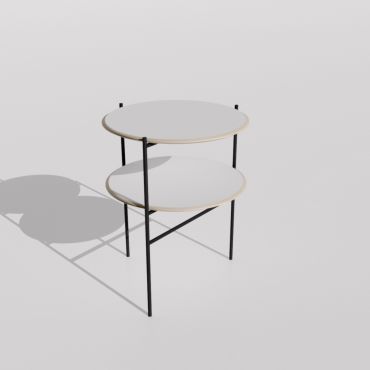
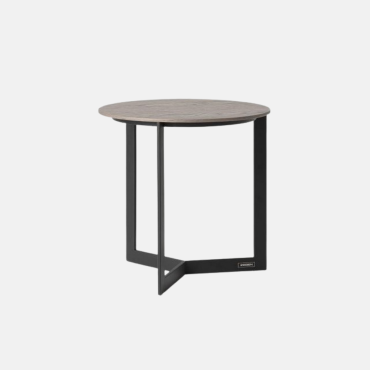
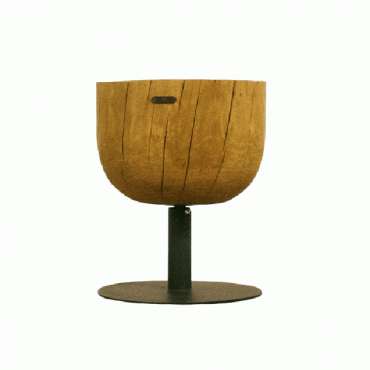
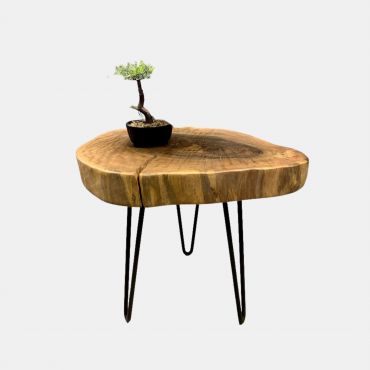
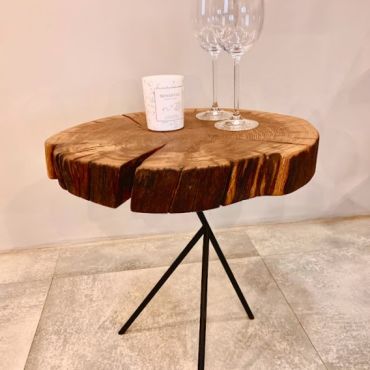
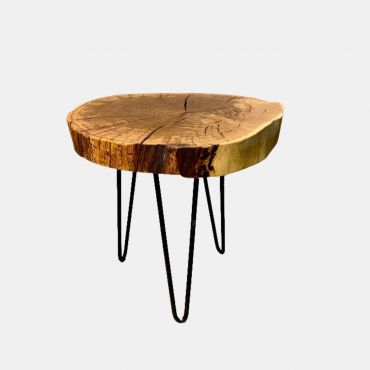
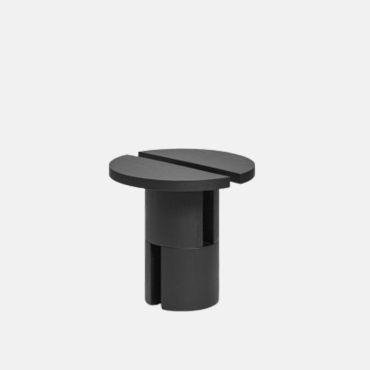
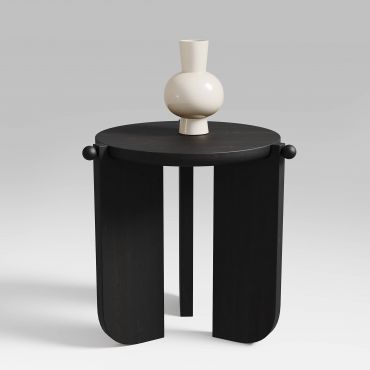
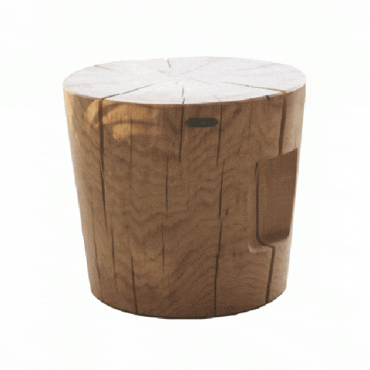
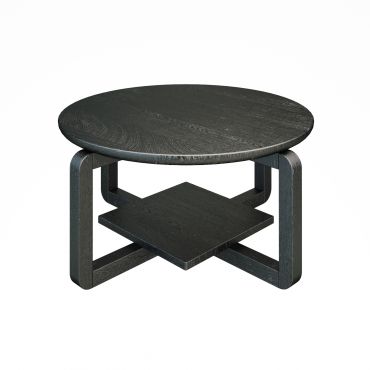
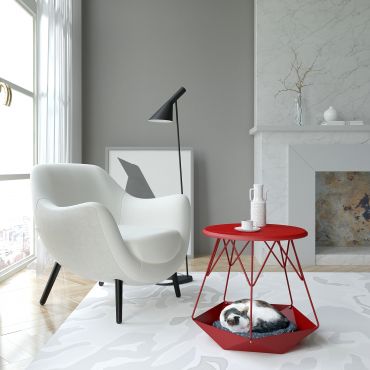
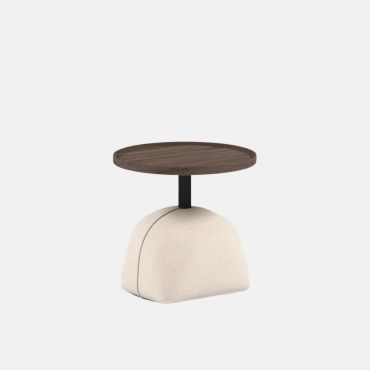
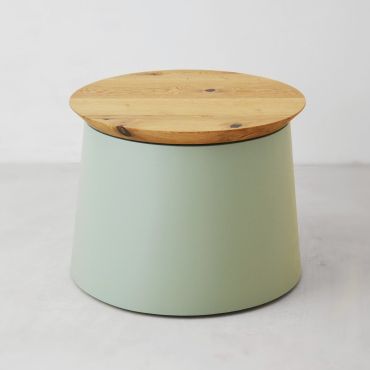
Wooden coffee tables for the living room and a modern home
Wooden coffee tables are chosen for more than the material. Wood works quietly in an interior: it adds warmth, supports natural textures, and sits comfortably next to a sofa, armchair, rug or lamp. In a living room, a coffee table quickly becomes part of everyday life. It holds a cup of coffee, a book, a phone, a remote, a candle, a vase or a laptop when you want to move away from the desk for a few minutes.
The MAIIMO catalogue brings together wooden coffee tables by Ukrainian makers and design studios. You will find compact models for small rooms, tables with expressive natural grain, minimalist shapes for contemporary interiors and more sculptural pieces that can become a visual accent. If you need more than a low surface near the sofa, and want a piece that will still feel right in a few years, wood remains one of the safest choices.
It is worth looking beyond the first product photo. In a real room, the height of the sofa, the distance from the seat, the width of the walkways, the colour of the floor, the texture of other furniture and even your habits all matter. A wood coffee table can be a quiet base or the main object in the sitting area. Both options can work. The question is what role the table should play in your space.
Coffee tables made of wood are especially useful when a room needs warmth without extra decoration. One well-chosen piece can replace several small decorative objects: the natural grain already brings texture, and the shape of the table gives rhythm to the room. That is why wooden models work not only in classic living rooms, but also in modern apartments, country houses, compact studios, offices and showroom lounge areas.
Why wooden coffee tables stay relevant
Wooden coffee tables handle changing trends well. Today an interior may be white and minimal, later it may gain more colour, a new sofa or a different rug. Wood usually stays in the story because it is not tied to one short design season.
That is its advantage. Plastic can look temporary, glass is not comfortable for everyone in daily use, and metal can feel cold. Wood is softer visually and more pleasant to touch. It works well with textiles, ceramics, wool rugs, linen curtains and metal lighting. If the room already has wooden flooring, shelves, a media unit or sofa legs, a wooden coffee table can pull those details into one calm composition.
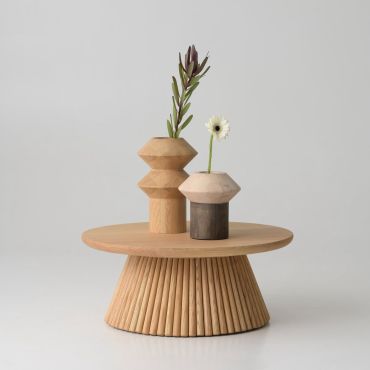
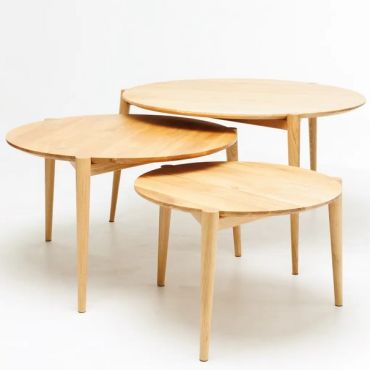
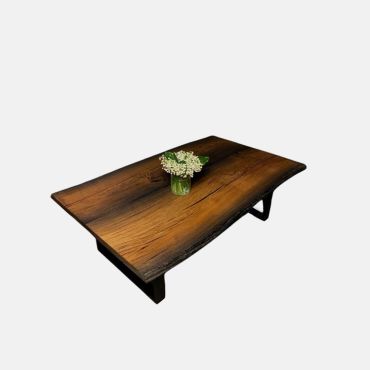
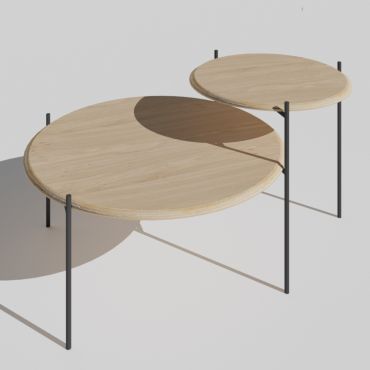
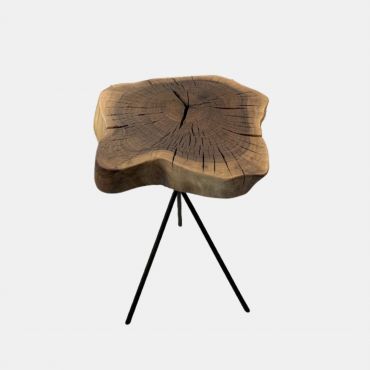
Another reason these tables do not disappear from interiors is the range of forms. Wood does not have to mean a heavy traditional table. It can be a thin top on a metal base, a round table on three legs, a low coffee table with a live edge, a model with a shelf or a handmade piece with a strong natural texture. The material may be the same, but the character can be completely different.
What types of wood are used for coffee tables
Solid wood coffee tables are usually chosen when you want the feeling of a real, tactile material. Solid wood has weight, depth and natural grain. It can age beautifully, especially when the surface is finished with oil or wax. Over time, such a table does not necessarily lose its appeal. Sometimes it becomes more alive.
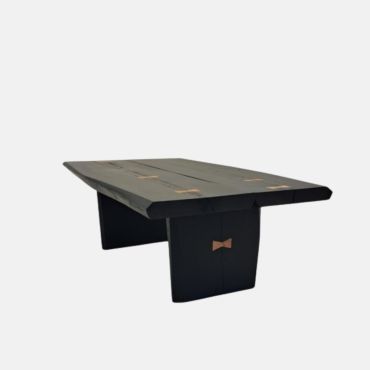
Oak is a good choice for those who want a dense, strong and expressive texture. Its grain is visible, so an oak coffee table works well in minimalist rooms with little decoration. Ash is lighter and often feels visually softer. It suits Scandinavian, japandi and contemporary Ukrainian interiors. Walnut gives a deeper tone, closer to warmer and more intimate spaces. Beech can be a practical option for restrained models where the clean shape matters more than dramatic grain.
Not every wooden coffee table is made entirely from solid wood. Contemporary furniture often uses plywood, veneer, MDF with a natural finish, or mixed constructions with wood and metal. That is not automatically a drawback. These solutions can be lighter, more stable in shape and more accessible in price. The important thing is that the material is clearly described and the construction fits the way you plan to use the table.
If the table will stand in the living room every day, look not only at the wood species but also at the finish. Lacquer protects better from moisture, but it is harder to repair locally. Oil and wax feel more natural to the touch and give a softer look, but they need a little more care. For families with children, pets or a very active living room, this is not a small detail.
There is also a practical point: wood has weight. A light table with a thin top is easy to move, but it may look too small next to a large sofa. A heavier model is more stable and expressive, but it needs more space around it. If you like to rearrange furniture often, look at lighter constructions. If the living room already has a fixed central zone, a more substantial table can be the better choice.
Where wooden coffee tables work best
Wooden coffee tables are most often bought for the living room, but they are not limited to that. In a bedroom, a small wooden table can stand near an armchair or reading corner. In a home office, it can create a softer place for a short break, coffee or conversation. In a spacious hallway, it can work as a small surface for decor, keys or seasonal objects.
In studio apartments, a coffee table often helps define the sitting area. When the kitchen, dining area and sofa all share one space, a low wooden table near the sofa quietly marks a different function. It is a simple move, but it works even without partitions.
In a country house, a wooden coffee table usually feels natural. It supports a fireplace, wooden beams, textiles, ceramics, woven baskets and warm light. In a city apartment, the effect is slightly different: wood softens flat walls, technology, glass and metal, adding a bit of living material to the room.
How to choose a wooden coffee table by shape
Shape matters more than it seems. A rectangular wooden coffee table is usually the most practical option in front of a long sofa. It is easy to place parallel to the seat, and it gives enough surface for books, decor and cups. But in a narrow room, a rectangular shape can block the walkway, especially if there is little space between the sofa and the TV.
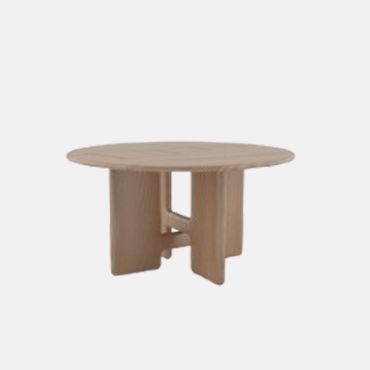
Round and oval models feel softer. They have no sharp corners, so they work better in smaller rooms or in homes with children. If you prefer rounded shapes, you can also look at round coffee tables and compare wooden, mixed-material and more decorative models.
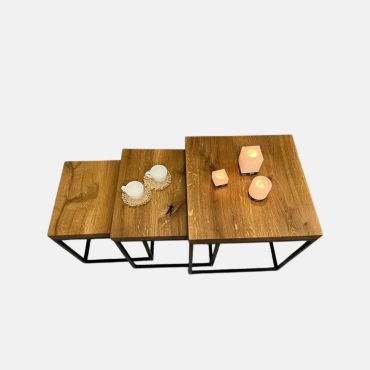
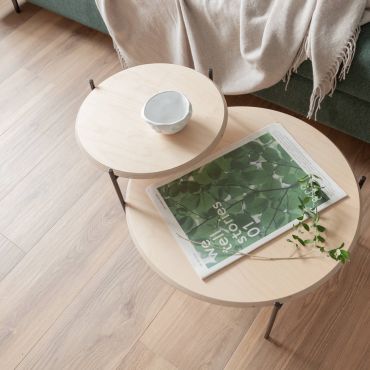
A square table looks good next to a large modular sofa or in the centre of a spacious lounge area. In a small living room, though, it can feel too static. If the room is compact, consider a small round table or a pair of smaller tables at different heights. They can be moved around, used separately near an armchair or pulled together when guests come over.
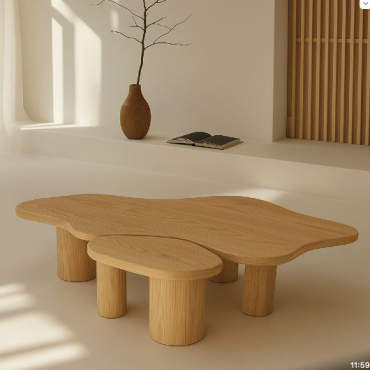
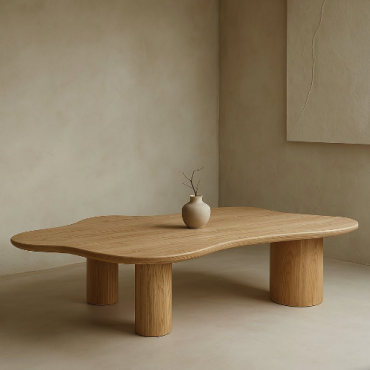
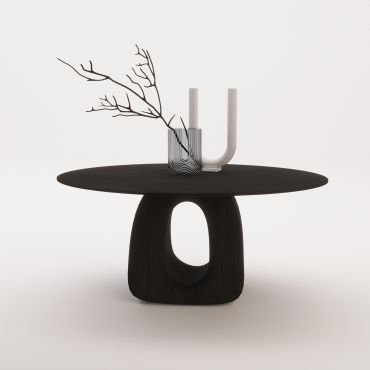
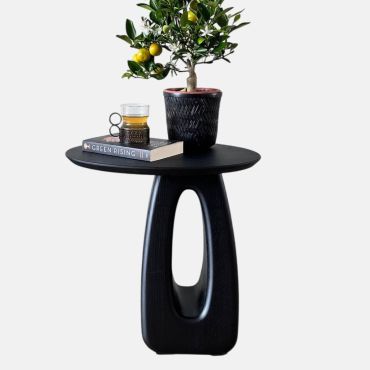
Sculptural wooden coffee tables make sense when the interior is already restrained. If the sofa is simple, the rug is calm and the walls are neutral, a table with an interesting shape can become the main accent. But if the room already has many active details, a quieter form is safer. Wood should not compete with everything around it.
If you are choosing between several shapes, look at the way people move through the room. Where people pass often, rounded or compact models usually work better. Where the table stands in the centre of a large seating group and is not touched every time someone walks by, a wider rectangular form can be comfortable. In family rooms with children, sharp corners should be considered not only as a design detail but as part of daily life.
Size and height of a wooden coffee table
The most comfortable coffee table height is usually close to the sofa seat height or slightly lower. If the tabletop is too high, it becomes awkward to use: the hand rises each time, and the piece begins to look like a small dining table. If it is too low, you will have to bend even to reach a cup.
For a compact living room, start not with the most eye-catching model but with measurements. Check the distance between the sofa and TV, the width of the walkway, the depth of the sofa and the space near an armchair. In everyday use, the table should not block movement. A beautiful model that you have to edge around every day will quickly become annoying.
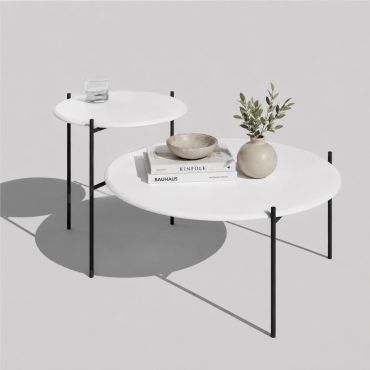
In larger rooms, you can choose a bigger tabletop or a composition of two tables. One wooden table can be central, while a smaller one stands near an armchair. This is useful if the living room is used not only for watching films, but also for reading, talking, working with a laptop or receiving guests.
There is a simple rule: the more active the living room, the more practical the surface should be. If the table holds cups, plates, candles, children’s books or a laptop every day, be honest about size and finish. If the table is mostly decorative, you can choose a thinner, more unusual or more delicate form.
For a two- or three-seat sofa, a table around 60-90 cm long is often enough. For a large corner sofa, a small table can disappear visually, so it is worth looking at wider models or a pair of tables. Near a single armchair, the opposite is usually true: a small wooden model nearby will be more useful than a large central table.
Natural wood coffee tables in different interiors
Natural wood coffee tables can fit many styles, but not in the same way. In a Scandinavian interior, light woods, simple legs, rounded edges and minimal decoration work well. In japandi, the form should be quiet: low proportions, a matte surface, a natural tone and no glossy effect.
In a loft space, wood is often combined with metal. Darker tones, a thicker top and a stronger texture can work here. But loft does not mean the furniture has to be heavy. Sometimes a black metal base and warm wood are enough to support the style without making the room feel rough.
In a modern minimalist interior, a wooden table can be the only warm texture. This works especially well in rooms with white or grey walls, a plain sofa and a calm rug. Wood removes the coldness without overloading the space.
If the interior is softer, with throws, cushions, art, ceramics and warm lighting, you can choose tables with a more expressive grain. In these rooms, wood is not only functional. It supports the feeling of home.
There is one more common mistake in rooms that already have a lot of wood: trying to match every tone exactly. This almost never works and often looks accidental. It is usually better to either repeat the shade very closely or create a clear contrast: light ash near a dark floor, dark walnut on a light rug, warm oak next to a neutral sofa. Wooden coffee tables do not need to disappear into the floor. They need to belong to the composition.
What to pair with a wooden coffee table
A wooden coffee table usually stands next to a sofa, but the way it looks depends on everything around it. If the sofa is large and low, the table should have enough presence. Otherwise it may look random. If the sofa is light, raised on legs and has slim armrests, a very heavy wooden table can visually pull the whole composition down.
A rug helps define the seating area. On a light rug, a dark wooden table looks more graphic. On a dark rug, lighter wood is easier to read. If the rug has an active pattern, choose a calmer table shape. If the rug is plain, the wood can carry more character.
Lighting also changes wood. Warm light brings out the grain, while cold light can make it look flatter. If a floor lamp or wall lamp stands near the table, the wood will look different in the evening than it does in a daytime product photo. This matters especially when you are choosing a dark or saturated tone.
Buy a wooden coffee table: what to check before ordering
If you plan to buy a wooden coffee table online, do not stop at the first photo. Check the size, material, height, finish, weight, production time and availability. Ask whether the wood tone can differ from the image. With natural material, that is normal: grain, tone and depth are never exactly identical.
Look at how the table will work with what is already in the room. If the floor is warm oak and the table has a cold grey tone, they may not sit well together. If the sofa is low, a high coffee table can feel accidental. If the room already has a wooden media unit, shelf or console, either choose a close tone or make the contrast intentional.
MAIIMO makes it easier to compare models from different Ukrainian makers in one catalogue. This is especially useful with wooden furniture because each studio has its own approach to form, finish, tabletop thickness and combinations of wood with metal or other materials. One table can feel almost architectural. Another can be softer and more domestic.
If you are not sure that wood is the right material, compare the broader selection of coffee tables. If you want a different material, look at marble coffee tables or metal coffee tables. It is easier to choose when you see the difference between warm wood, cooler stone, graphic metal and mixed-material designs.
How to compare wooden coffee tables
When a catalogue has many models, it is tempting to judge only by the first impression: like or dislike. But wooden coffee tables are better compared by several practical signs. The first is proportion. One table may be long and low, another compact and taller, a third almost decorative. In product photos they may all look equally useful, but in a real room they will behave differently.
The second sign is the role in the space. If the table is for daily use, the surface, stability, care and size matter. If it is more of an accent, you can choose a bolder form, an unusual base or a more expressive tabletop edge. In the first case, beauty should support everyday life. In the second, everyday life can adapt a little to a beautiful object.
The third sign is visual weight. A light table on thin legs can feel airy even when it is made of wood. A dark, solid model feels more grounded, but it needs air around it. In a small room or a room that already has many furniture pieces, a heavy wooden coffee table can make the space feel smaller. In a spacious living room, a very small model can simply disappear.
The fourth sign is the material mix. Wooden coffee tables can be fully wooden or combined with metal, stone, glass, veneer or decorative inserts. Mixed constructions often help a table match the room more precisely. Wood with metal works well in loft and minimal interiors. Pure wood without active details feels softer in scandi, japandi or a calm family living room.
The last sign is the feeling of the material. If naturalness matters to you, look at natural wood, solid wood or veneer. If the priority is form and practicality, mixed constructions can work just as well. A good interior does not have only one correct answer. The right piece is the one that is honestly described, well made and suitable for your room.
Decorative or practical wooden coffee table
Before buying, answer one simple question: how do you actually use your living room? If the table is part of daily life, it should handle cups, books, dessert plates, a laptop, children’s things and board games. In that case, choose not only a beautiful model but a practical one: stable base, enough surface area and a finish that can cope with normal use.
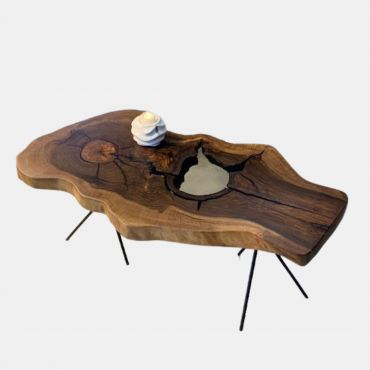
If the table is mostly an accent, you can look at more sculptural forms. It may have an unusual base, a natural edge, asymmetry, handmade details or a strong wood grain. Such a piece may not be the most convenient for a large group, but it gives the room character. In a restrained living room, this one object can make the space feel personal rather than generic.
For many interiors, the best option is somewhere in the middle: a wooden coffee table that is practical enough for daily use but has one memorable detail. It might be a warm tone, an interesting tabletop shape, a visible texture, a slim metal base or softly rounded edges. Such a table does not demand all the attention, but it does not look accidental either.
If you are choosing a table for an already finished room, take a few photos of the living room and compare them with the catalogue models. This simple step helps you see whether a table will be too dark, too large or too decorative. Wooden coffee tables adapt to many styles, but proportion and tone decide whether the purchase will feel natural.
What to check in the product description
In the description of a wooden coffee table, look beyond general words about design. First, check the material of the top and the base. If solid wood is listed, note the species. If it is veneer or plywood, look at the finish and construction. If there is metal, check the colour and surface: black, white, chrome, matte or painted.
Then check the dimensions. For a coffee table, all three numbers matter: length, width and height. Height matters most. It should work next to your sofa, not just look good in the photo. If the model has a shelf, niche or lower level, think about whether it will be useful and whether it will make cleaning more difficult.
Pay attention to production time. Some designer furniture is in stock, while some pieces are made to order. This is normal for Ukrainian workshops, but it is better to know before placing the order. If you need the table by a certain date, such as moving day or the end of renovation, clarify production and delivery timing in advance.
One more point is the colour of wood in the photo. Natural wood can differ from the image because of lighting, screen settings and natural grain. For coffee tables made of wood, this is not a defect. It is part of the material. If you need to match the floor, media unit or shelves very closely, ask before ordering.
Common mistakes when choosing a wooden coffee table
The first mistake is choosing a table that is too large. A spacious room in a product photo may look similar to yours, but 20-30 cm can change everything. If it is uncomfortable to pass between the sofa and the table, the piece will become a problem quickly, even if it is beautiful.
The second mistake is forgetting height. There is no universal coffee table standard that works for every sofa. The table should fit the specific sofa or armchairs around it. If you use it often, the height difference will be felt every day.
The third mistake is choosing only by wood species. Oak or ash alone does not guarantee that the table will suit the room. Shape, tabletop thickness, finish colour, base and proportion all matter. Two oak tables can look completely different: one light and modern, the other heavy and traditional.
The fourth mistake is ignoring care. If you do not want to think about coasters, stains or refreshing the finish, choose a more protected surface. If you like the natural ageing of wood and are ready to refresh it from time to time, an oil or wax finish can be a very pleasant option.
How to care for a wooden coffee table
Wood does not need complicated care, but it does not like extremes. Do not leave water on the surface for long, use coasters under hot cups and avoid wet vases without protection. These simple habits really extend the life of the table.
For daily care, a soft dry or slightly damp cloth is enough. Avoid aggressive cleaners, especially if the surface is finished with oil or wax. If a small scratch appears, a wooden surface can often be repaired locally. Lacquer is harder to repair, oil is easier.
Sunlight matters too. If the table stands near a large window, the wood may change tone over time. That is not always bad, but it is worth knowing. A rug, curtains or a better furniture layout can help avoid sharp marks and uneven fading.
One more thing: do not turn the coffee table into storage. When random objects cover it all the time, even the most beautiful model disappears. Wood looks best when you can actually see it.
Why choose a wooden coffee table at MAIIMO
MAIIMO works with Ukrainian makers, workshops and design brands. For the buyer, this means more than a large catalogue. It means a curated selection of pieces with different characters. You can find a restrained wooden table for a quiet living room, an expressive author’s model for an accent or a practical option for everyday use.
Wooden furniture is worth choosing carefully. The same phrase, "coffee table", can mean very different things: solid wood, veneer, plywood, a metal frame, complex handmade work or a simple serial form. At MAIIMO, you can compare these options and choose not an abstractly beautiful model, but the wood coffee table that fits the room, the style and the way you live.
If the budget is limited, also look at affordable coffee tables. A good model does not have to be expensive. But if you are looking for a wooden piece for years, look not only at the price but also at the material, proportions and quality of execution.
Delivery is available across Ukraine. Before ordering, check availability, production time, package size and delivery terms for the specific model. With designer furniture, this is a normal part of choosing, not an unnecessary formality.
FAQ
Which wooden coffee table is best for a small living room?
For a small living room, choose a compact wooden coffee table, preferably round, oval or visually light on slim legs. It should not block movement between the sofa, armchair and TV. If space is very limited, a pair of small tables that can be moved around may be more convenient than one large table.
What is the difference between solid wood coffee tables and veneered ones?
Solid wood coffee tables are made from solid timber or large wooden elements. They are usually heavier, more expensive and often have a more expressive natural texture. Veneered models have a thin layer of natural wood over another base material. They can look very good, be lighter and more accessible, but the construction is different.
Do wooden coffee tables suit modern interiors?
Yes, wooden coffee tables suit modern interiors when the shape and wood tone are chosen well. Minimalist and japandi spaces usually work better with simple silhouettes and matte surfaces. Loft interiors can use wood with metal. Softer family living rooms often suit warm tones and rounded shapes.
How do you care for a natural wood coffee table?
A natural wood coffee table should be wiped with a soft dry or slightly damp cloth. Do not leave water on the surface, avoid hot cups without coasters and do not use aggressive cleaners. Oil or wax finishes can be refreshed over time. Lacquer protects better from moisture, but local repair is more difficult.
Where can I buy a wooden coffee table in Ukraine?
You can buy a wooden coffee table in the MAIIMO catalogue. The selection includes models by Ukrainian makers: compact tables for small rooms, wooden coffee tables for living rooms, solid wood and veneered models, mixed-material designs and author’s forms. Delivery is available across Ukraine.