Sofa vs Couch: Is There Actually a Difference?
- Sofa vs Couch: Is There Actually a Difference?
- Sofa vs couch: the short answer
- What “sofa” suggests in a contemporary interior
- When the couch becomes the centre of the room
- The difference is easier to feel than define
- When a sofa is the stronger choice
- Choose without getting stuck in semantics
- Quick answers
- Are a sofa and a couch the same thing?
- Can a sofa convert into a bed?
- Is a sofa always smaller than a couch?
- What is the difference between a sofa and a daybed?
Sofa vs Couch: Is There Actually a Difference?
Some seating looks made for morning coffee and conversation; some invites an entire evening of films. We often call the first a sofa and the second a couch, yet any firm rule quickly falls apart. A modern sofa can be deep and generous, while a couch can look light enough for a compact room.
So the sofa vs couch question is more useful as a starting point than a verdict. Look at posture, proportions and the role the piece will play in the room. That is where the difference becomes visible — and where you will feel it every day.
Sofa vs couch: the short answer
The words have different histories. “Sofa” came to describe an upholstered seat with a back and arms, while “couch” developed from a word associated with lying down. In everyday English, however, they now overlap. Regional preference, brand language and the mood of a collection often determine which term appears on the label.
Furniture design makes the boundary even less tidy. Designers lower the back, remove an arm, expose the frame or turn the seat into something close to an island. That is why the answer to “what is the difference between a sofa and a couch?” cannot be reduced to one construction detail. They belong to the same furniture family, not two categories separated by a technical passport.
What “sofa” suggests in a contemporary interior
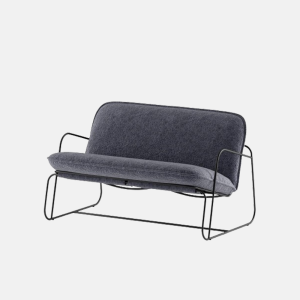
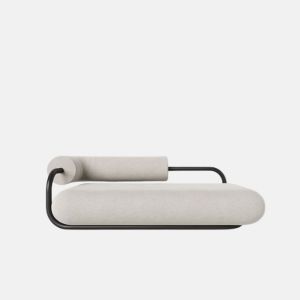
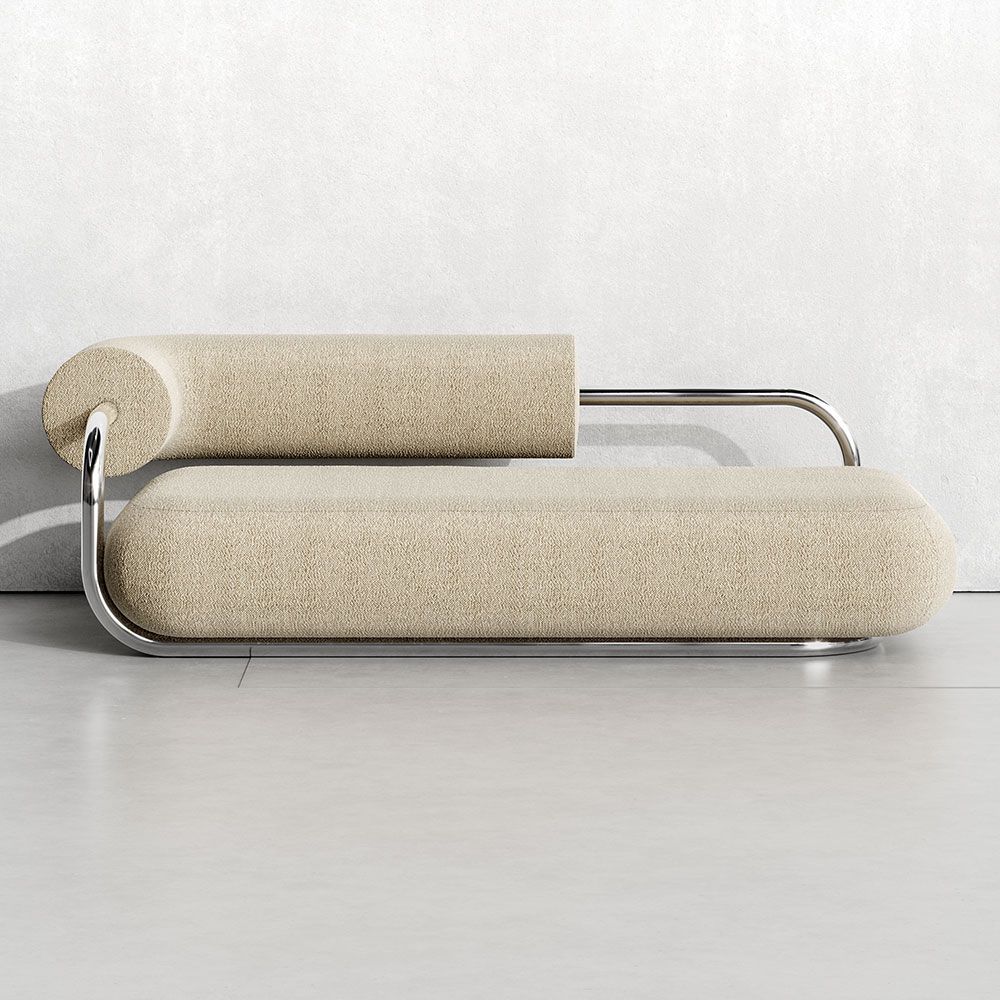
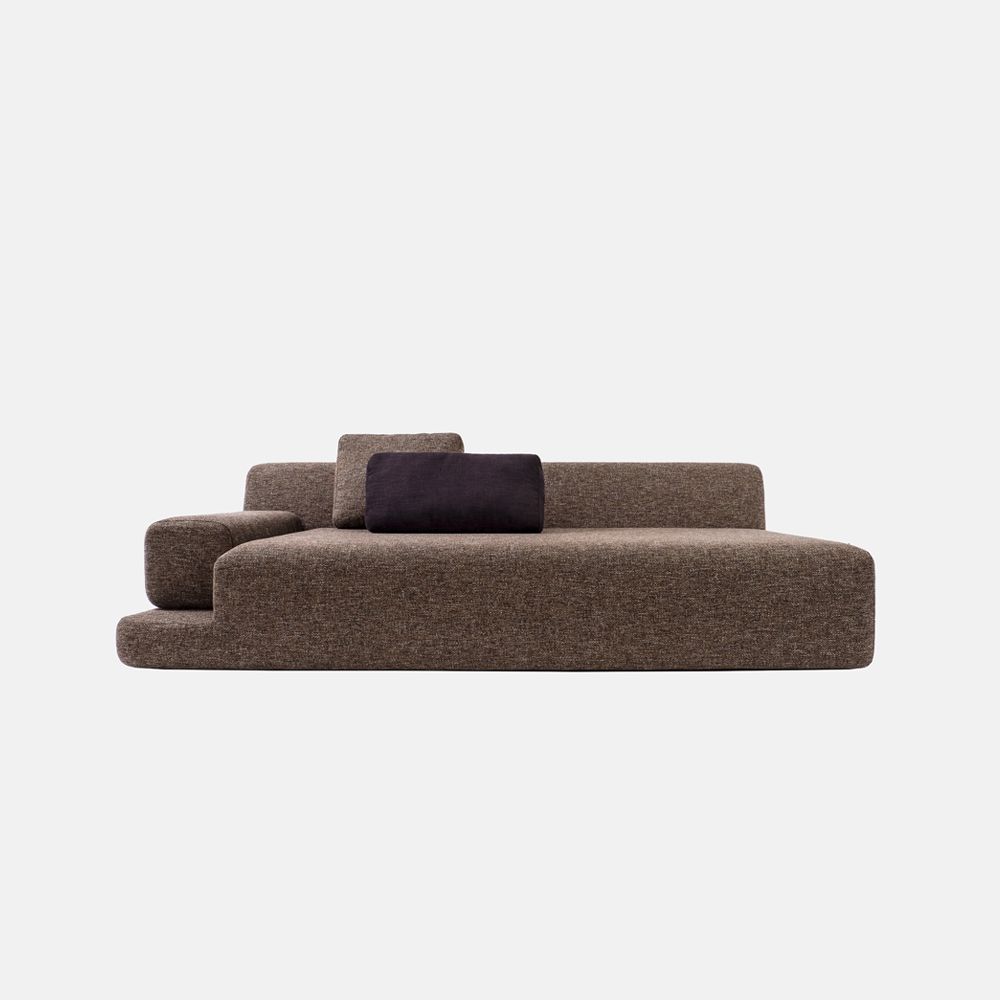
A sofa is often presented as a more composed, deliberately designed object. It might have an exposed metal or timber base, a higher seat, an asymmetrical back or a relatively compact depth. “Often” matters more than “always”: the name alone still tells you very little about comfort or scale.
Visually, this kind of sofa can leave more air around itself. It may sit against a wall, at the foot of a bed, in a study or in the middle of an open-plan room. Place it opposite two armchairs and it creates a conversation setting where no one has to face the same direction. If that lighter arrangement suits the room, explore MAIIMO’s contemporary sofas and compare their actual dimensions.
When the couch becomes the centre of the room
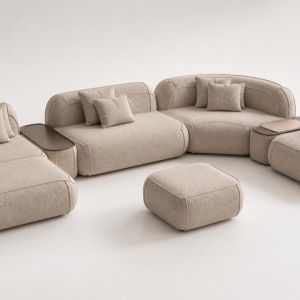
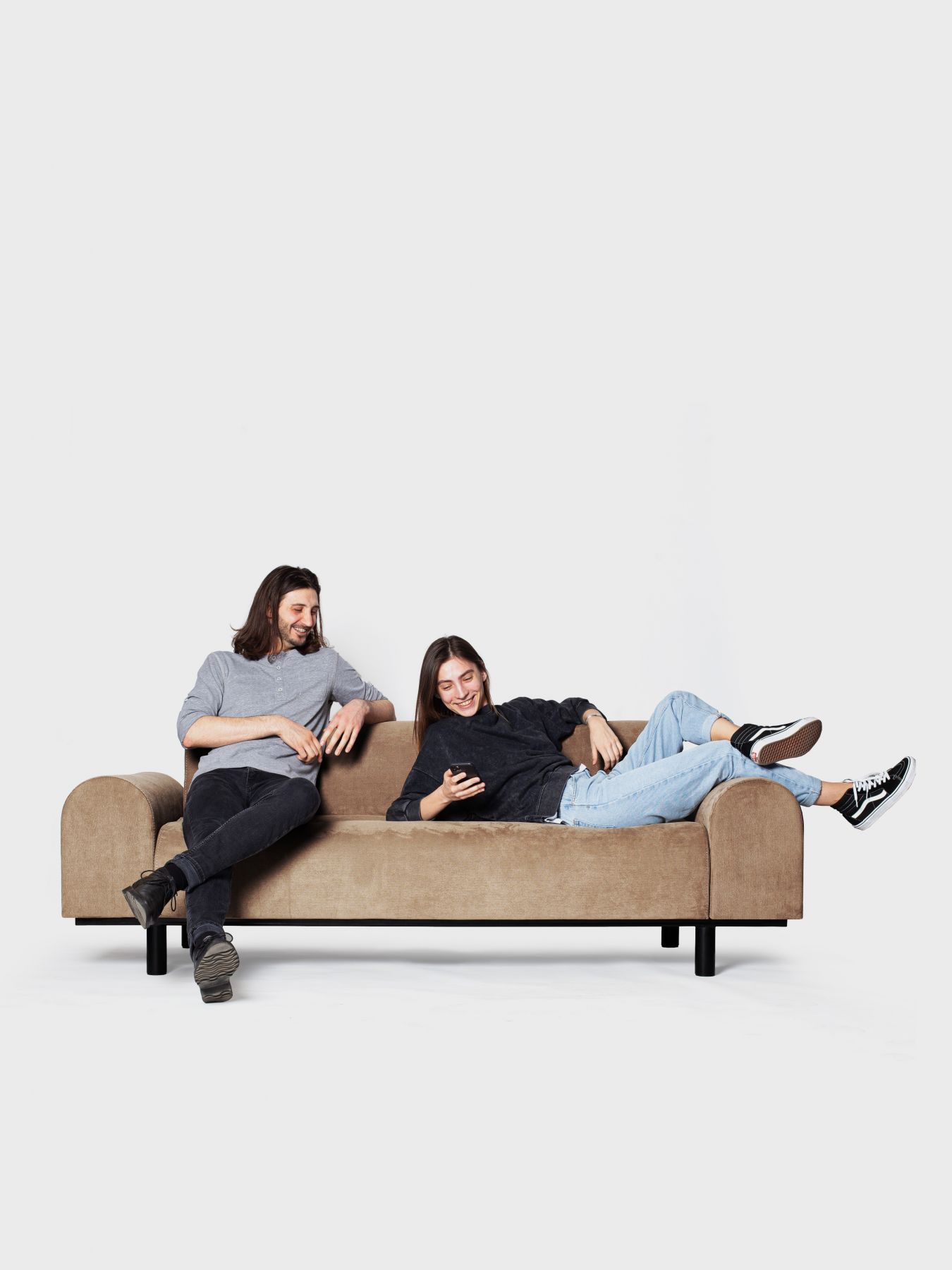
A couch is often imagined as the main place for shared downtime. Seat depth, back support, usable width and the freedom to curl up all become important. In a large living room it sets the scale of the composition; in a small one it determines how much space remains for circulation, a coffee table and light.
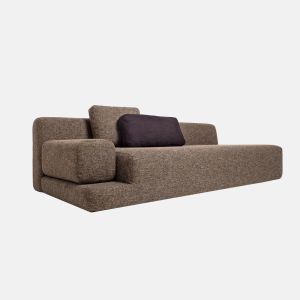
That does not mean every couch is bulky. A design on slim legs with open space beneath it may look lighter than a voluminous sofa. Nor does the word promise a bed mechanism: some models convert for sleeping and others are made only for sitting. In MAIIMO’s collection of designer couches and sofas, profile, posture and construction matter more than the label.
The difference is easier to feel than define
A name helps you begin the search. The seat gives you the real answer. Before choosing, check five things:
- How you sit. A moderate seat depth supports upright conversation. Reading or watching films usually feels better with a deeper seat and a softer back.
- How many people use it. A sofa may work beautifully for one or two people, but there is no universal rule. Measure usable seat width instead of trusting the number of seats in a product name.
- What you see from the doorway. A high continuous back creates a visual boundary. An open frame and low profile let the eye travel farther, making the room feel less crowded.
- Whether you need a guest bed. Do not assume a couch converts and a sofa does not. Check the mechanism, sleeping dimensions and clearance required in front.
- Whether it can reach the room. Overall length is only the beginning. Depth, height, door openings, corridor turns and lift dimensions matter too.
When a sofa is the stronger choice
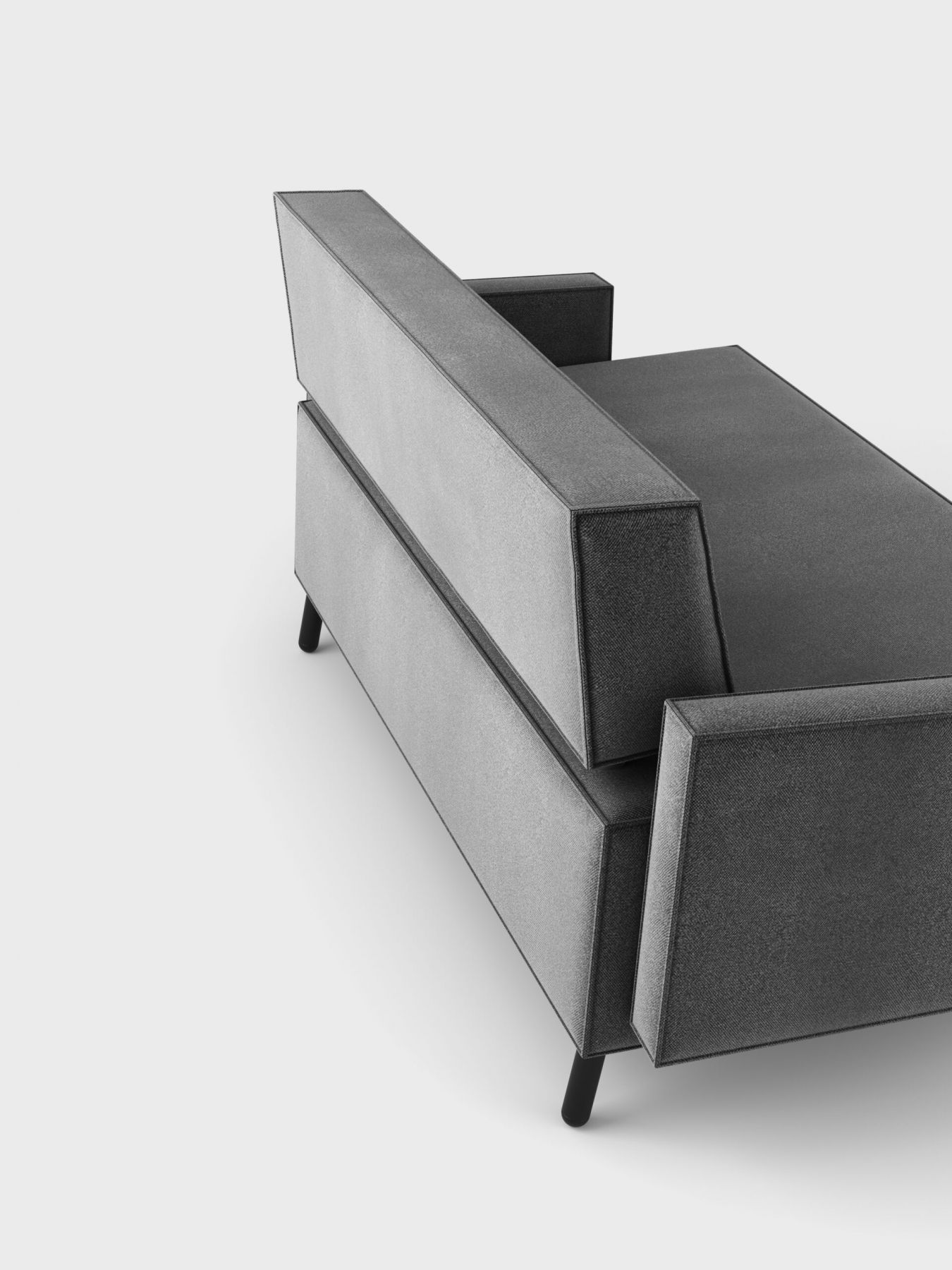
A sofa is especially effective when a room needs a precise gesture rather than one piece that does everything. In a bedroom it can give purpose to a blank wall near the window. In a study it offers a change of posture and a less formal place to talk. In a generous living room it can form a second seating line alongside statement armchairs.
For daily family lounging, a very deep seat or regular sleeping, a full-size couch may offer more suitable configurations and functions. The reason is not the word itself, but the available design. And in a small room, do not assume “sofa” means small: a sculptural designer model can take up more space than a compact straight couch.
Choose without getting stuck in semantics
Begin with the life that needs to happen around the furniture. Will someone drink coffee here in the morning? Will the whole family gather at night? Do you need to face a screen, hold a conversation or provide an occasional bed? Then tape the footprint of the model onto the floor. It is a simple test, but an honest one.
Only then return to the name. “Sofa” may suggest a more composed or decorative role; “couch” often evokes a broader world of long, informal comfort. There is no border checkpoint between them. There is your room, your habits and the particular design that makes you stay longer than planned.
Quick answers
Are a sofa and a couch the same thing?
In contemporary English, sofa and couch usually refer to the same broad type of upholstered seating. The words have different histories and tones, but construction, comfort and dimensions are more reliable ways to compare individual models.
Can a sofa convert into a bed?
Yes, when the manufacturer has included a conversion mechanism. Many sofas are designed only for sitting, while many couches do not convert either. The name does not confirm the presence or absence of a sleeping surface.
Is a sofa always smaller than a couch?
No. A sofa may look more compact because of a low profile or exposed frame, but its actual length and depth can be substantial. Always check the dimensions on the product page.
What is the difference between a sofa and a daybed?
A daybed is usually shaped for one person to recline and may not have a full back. A sofa more often provides upright seating for two or more people. Contemporary collections can blur those features as well.