What is rattan? 2025 trends in using rattan in interior design
- What is Rattan?
- Which is better: natural or synthetic rattan?
- Differences between synthetic and natural rattan
- Current Trends in Rattan Furniture Design
- Minimalist Shapes with an Emphasis on Natural Texture
- Use in Scandinavian and Bohemian Styles
- Eclectic Combinations
- Living Room
- Bedroom
- Rattan Furniture Maintenance
What is Rattan?
Rattan is a natural material obtained from tropical palms of the rattan vine. It is distinguished by exceptional strength, flexibility, and lightweight properties, making it ideal for furniture creation. Thanks to its eco-friendliness and unique texture, rattan is becoming increasingly popular among interior designers. This material easily adapts to various styles — from Scandinavian minimalism to bohemian chic, adding warmth, coziness, and natural harmony to interiors.
The uniqueness of rattan lies in its structure:
- Smooth surface with natural gloss
- Uniform diameter along the entire length
- High strength with excellent flexibility
- Resistance to temperature and humidity changes
Modern production uses two main types of rattan: natural rattan and synthetic (artificial) rattan.
Which is better: natural or synthetic rattan?
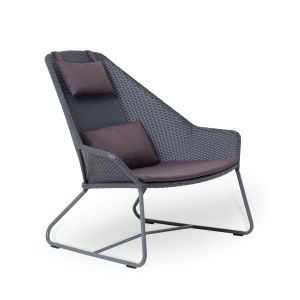
The choice between synthetic and natural rattan depends on the conditions of furniture use and its purpose. Natural rattan is perfect for interiors, adding warmth and natural texture to a room. It is often used for living rooms, bedrooms, and children's rooms where furniture is not exposed to moisture or direct sunlight. Synthetic rattan, on the other hand, is an ideal option for outdoor furniture or furniture for open terraces and balconies. It is resistant to rain, temperature changes, and sunlight, making it a durable and practical choice for outdoor use.
Differences between synthetic and natural rattan
|
Characteristic |
Natural Rattan |
Synthetic Rattan |
|
Durability |
Lasts long with proper care |
Extremely durable, retains appearance for many years |
|
Weather Resistance |
Sensitive to moisture and UV rays |
Waterproof and UV-resistant |
|
Strength |
High initial strength, may weaken with outdoor use |
Stable strength, wear-resistant |
|
Weight |
Lightweight, but heavier than synthetic |
Extremely lightweight, easy to move |
|
Aesthetics |
Natural texture, warm tones, unique patterns |
Uniform appearance, wide color range |
|
Comfort |
Softer and more pleasant to the touch, natural flexibility |
Stiffer, especially with protective coating |
|
Care |
Requires regular maintenance and protection from moisture |
Minimal maintenance, easy to clean |
|
Eco-friendliness |
Biodegradable, renewable resource |
Non-biodegradable but can be made from recycled materials |
|
Usage |
Ideal for indoor spaces |
Perfect for outdoor use |
|
Cost |
Typically more expensive due to natural origin |
More affordable, especially for outdoor furniture |

Current Trends in Rattan Furniture Design
Minimalist Shapes with an Emphasis on Natural Texture
Rattan is perfect for minimalist interiors thanks to its natural texture and warm tones. The simplicity of shapes and natural material creates a sense of lightness and coziness.
Bedroom solutions: A rattan headboard or bedside tables will add warmth and organic beauty to the space.
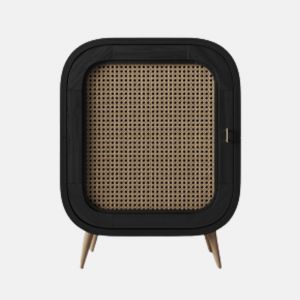
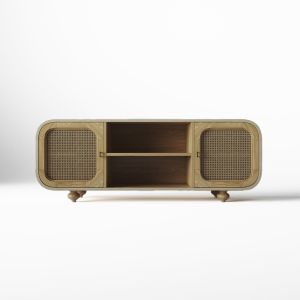
For the living room: Add a TV stand with rattan facades or an elegant dresser. These pieces will make a stylish and functional accent in the room.
Use in Scandinavian and Bohemian Styles
Rattan fits perfectly into Scandinavian interiors, where simplicity and functionality are valued. In Bohemian style, rattan furniture adds lightness and natural texture.
For children's rooms: Cabinets and nightstands with rattan inserts create a cozy atmosphere, adding texture without overwhelming the space.


Eclectic Combinations
Rattan works beautifully in eclectic interiors, blending various styles. Its texture can complement vibrant ethnic patterns as well as modern minimalism.
Interior solutions: Rattan elements can be combined with velvet sofas, wooden chairs, or rugs with geometric patterns.
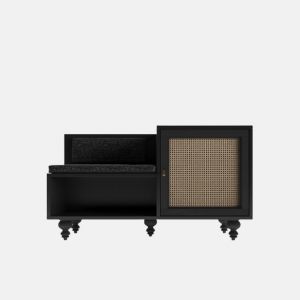
For the hallway: Combine rattan with metal frames in coat racks or shoe cabinets to emphasize modernity and functionality.
Living Room
In the living room, rattan integrates easily into any style. TV stands or dressers with rattan facades add textural variety and natural beauty. They can become the base for decor — place vases with flowers, ceramic figurines, or books on them.
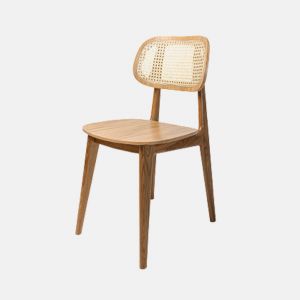
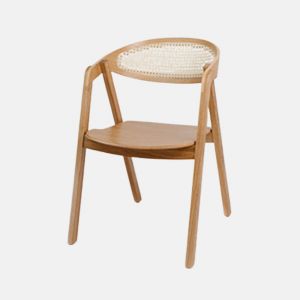
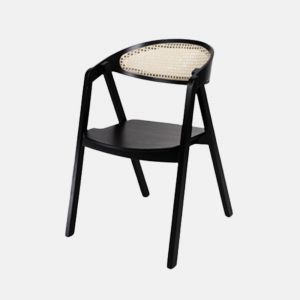
Particular attention should be paid to chairs with rattan backs: they are perfect for dining areas or reading nooks. Pair them with soft cushions or throws for added comfort.


Bedroom
Rattan furniture in the bedroom is the epitome of coziness and natural beauty. A rattan headboard can become the main accent of the room, adding textural depth and warmth.
Add bedside tables with rattan inserts: they are not only functional but also perfectly complement natural fabric bedding or light curtains.
Such details help create a relaxing space that soothes and inspires.
Rattan Furniture Maintenance
To ensure the longevity of rattan furniture, it's important to follow some care rules:
For natural rattan:
- Avoid direct sunlight
- Regularly remove dust with a soft brush
- Wipe with a damp cloth once a month
- Use special products to prevent drying out
For synthetic rattan:
- Wash with water and a mild soap solution
- Do not use abrasive materials
- Can be left outdoors
- Periodically check the strength of connections
.jpg)
In this article, photos and visualizations of interior designs by Insha Design Studio featuring rattan furniture items, which can be purchased in our online store, have been used.
THE ENTIRE COLLECTION OF RATTAN FURNITURE IS AVAILABLE HERE. CHOOSE YOUR MODEL!